

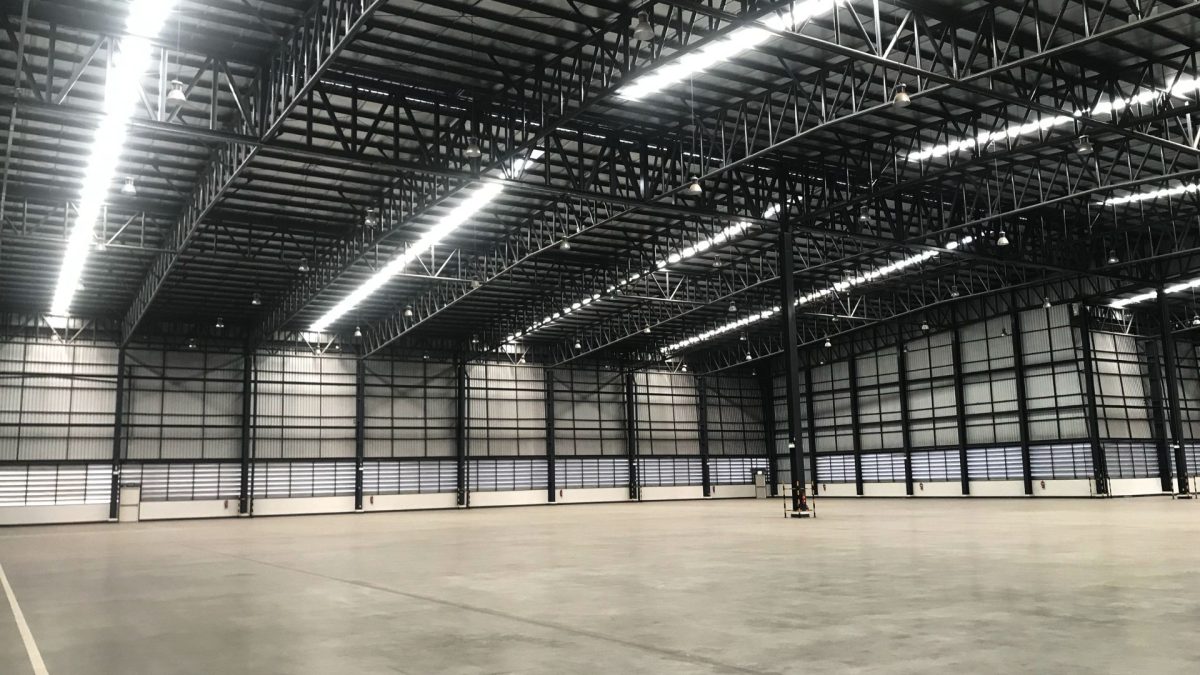
Maintaining a clutter-free warehouse is crucial for the seamless operation of any business. When storage spaces become overcrowded with outdated inventory, broken equipment, and unused materials, daily operations can slow down significantly. Workers spend extra time navigating through congested aisles, searching for items, and avoiding obstacles. Timely cleanouts help prevent these inefficiencies, ensuring that materials are easily accessible and that workflow remains uninterrupted. A well-organized warehouse promotes faster processing, better inventory tracking, and streamlined logistics, which ultimately boosts overall productivity. Furthermore, cleanouts allow management to assess what items are truly necessary, helping avoid redundant purchases and unnecessary storage costs.
In addition to operational improvements, timely warehouse cleanouts contribute to a safer working environment. Piles of unused materials or discarded items can pose tripping hazards, block emergency exits, or even cause structural damage when overloaded. Regular removal of obsolete items not only reduces the risk of accidents but also ensures compliance with workplace safety regulations. Employees feel more confident and motivated in a neat environment, which can indirectly enhance work performance and morale. By prioritizing routine cleanouts, businesses can foster both efficiency and safety, turning the warehouse into a space that supports rather than hinders daily operations.
Reducing Waste and Promoting Sustainability
Warehouse cleanouts provide an opportunity to address waste management responsibly. Many outdated or broken items can be recycled, donated, or repurposed rather than discarded irresponsibly. By segregating recyclable materials from non-recyclables during a cleanout, businesses minimize their environmental footprint and contribute to sustainability goals. Sustainable practices not only appeal to environmentally conscious consumers but also help companies reduce disposal costs by diverting materials from landfills. Identifying and separating reusable equipment or packaging materials ensures that resources are utilized efficiently, reducing the need for constant replacement and procurement.
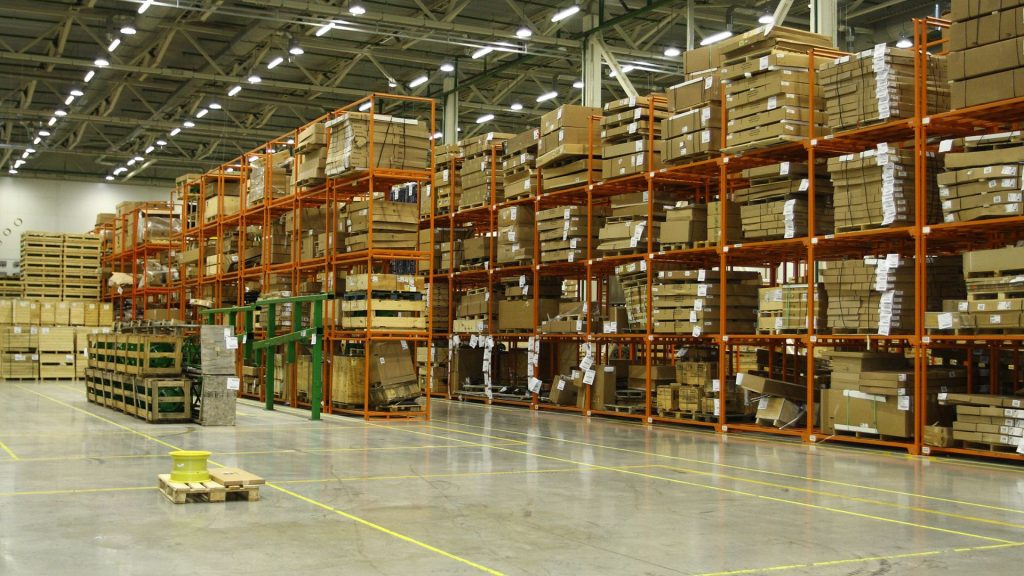
Sustainability also extends to operational longevity. Regularly reviewing warehouse contents allows businesses to make informed decisions about inventory levels, storage solutions, and procurement strategies. By eliminating obsolete stock, managers gain insights into product demand patterns, reduce storage costs, and prevent the accumulation of excessive waste. Additionally, fostering a culture of responsible disposal encourages staff to be mindful of resource use and organizational efficiency. In this way, warehouse cleanouts serve as both an immediate operational necessity and a long-term strategy for sustainable business practices.
Preventing Health Hazards in the Workplace
Accumulated clutter and debris in warehouses can pose serious health hazards. Dust, mold, and other allergens often build up in areas where materials are left unattended for extended periods. Regular cleanouts help eliminate these risks by removing old boxes, spoiled goods, and other potential sources of contamination. Air quality improves significantly in a cleared space, reducing the likelihood of respiratory problems among employees. By addressing sanitation proactively, businesses protect their workforce from preventable illnesses and maintain a healthier, more comfortable working environment.
Health hazards are not limited to respiratory concerns. Heavy or improperly stored items can fall, causing injuries ranging from minor bruises to severe fractures. Routine cleanouts provide an opportunity to reorganize storage racks, secure loose items, and implement safer storage techniques. By maintaining a well-ordered and clean warehouse, employers demonstrate a commitment to employee well-being, which in turn enhances workplace morale and reduces absenteeism. Proactively managing potential hazards ensures that the warehouse remains a productive and secure space for everyone.
Facilitating Inventory Management
Timely cleanouts are integral to effective inventory management. A disorganized warehouse can lead to misplaced items, inaccurate stock counts, and delays in fulfilling orders. Conducting regular cleanouts allows businesses to reassess inventory levels, identify slow-moving or obsolete stock, and implement more accurate tracking systems. This process enables managers to make informed decisions regarding restocking, product rotation, and procurement strategies, ultimately improving operational efficiency and customer satisfaction.
Cleanouts also provide an opportunity to implement better labeling and categorization methods. Clearly defined storage zones and organized shelving systems reduce the risk of errors in order fulfillment and inventory audits. Staff can quickly locate items, track stock movement, and maintain up-to-date records without unnecessary stress or wasted time. By embedding cleanouts into regular operational routines, warehouses can achieve a level of precision and order that supports business growth and reliability.
Supporting Equipment Longevity
Warehouse cleanouts play a significant role in preserving the condition of equipment. When tools, machinery, and storage units are surrounded by debris, dust, or obstructive materials, their efficiency and lifespan can be compromised. Regular cleaning and decluttering ensure that equipment remains accessible and operates under optimal conditions. Maintenance checks become more straightforward, and the likelihood of equipment malfunction due to neglect or accidental damage is minimized. Over time, this practice reduces repair costs and extends the useful life of essential warehouse assets.
Moreover, a tidy warehouse environment encourages the proper handling of machinery and tools. Employees are less likely to misuse or mishandle equipment when it is stored in an organized, designated area. By integrating cleanouts into routine operations, businesses create a culture of care and accountability, ensuring that both assets and personnel work harmoniously. Preventative maintenance coupled with a clutter-free environment enhances productivity and mitigates unexpected downtime, a critical factor in competitive markets.
Improving Employee Productivity
Employee productivity is closely linked to the environment in which work occurs. A warehouse cluttered with unused items, broken equipment, and disorganized shelves can negatively impact morale and slow down tasks. Regular cleanouts foster a sense of order and clarity, allowing staff to focus on essential tasks without distraction. With improved organization, workers can navigate spaces more efficiently, complete assignments faster, and reduce the mental strain caused by constant clutter. A clean warehouse reinforces professional pride and helps cultivate a motivated workforce committed to operational excellence.
Additionally, periodic cleanouts can serve as team-building opportunities. Collaborative efforts to declutter and reorganize spaces create a shared sense of accomplishment and responsibility. Employees gain a better understanding of warehouse layout, item placement, and operational priorities. This familiarity reduces errors, accelerates workflow, and encourages proactive problem-solving. By prioritizing warehouse cleanliness, businesses nurture an environment where productivity and staff satisfaction grow hand in hand.
Streamlining Space Utilization
Optimizing warehouse space is essential for accommodating growth and meeting dynamic operational demands. Over time, storage areas can become overcrowded with outdated products, excess packaging, and miscellaneous items. Timely cleanouts free up valuable floor space, allowing for more efficient organization and better accommodation of current inventory. Maximizing space utilization supports scalability and enables warehouses to adapt to changing business needs without significant structural changes or costly expansions.
Space optimization also enhances workflow efficiency by reducing congestion and bottlenecks. Employees can move quickly between storage areas, loading docks, and workstations, minimizing delays in order processing and shipping. Open areas allow for flexible storage configurations and future expansion, enabling management to respond quickly to market demands. A warehouse that prioritizes cleanouts ensures both practical space efficiency and operational agility, essential components of a successful logistics strategy.
Enhancing Safety Compliance
Adherence to safety regulations is a fundamental responsibility for warehouse management. Timely cleanouts directly support compliance with OSHA and other workplace safety standards. Removing obstructive materials, hazardous waste, and flammable items reduces the risk of violations and potential fines. A structured cleanout program ensures that fire exits, emergency equipment, and pathways remain accessible at all times, safeguarding both employees and company assets.
Compliance-driven cleanouts also promote employee awareness of safety protocols. Staff become accustomed to maintaining organized spaces, handling materials safely, and reporting potential hazards promptly. By embedding safety into daily operations through regular decluttering, businesses create a culture where prevention is prioritized over reaction. This proactive approach not only reduces accidents but also fosters a professional environment where safety and efficiency coexist seamlessly.
Supporting Business Continuity
Warehouse cleanouts play a critical role in sustaining uninterrupted business operations. A cluttered or disorganized facility can lead to operational bottlenecks, delayed shipments, and dissatisfied customers. Regular removal of obsolete materials ensures that essential processes continue smoothly, preventing unexpected disruptions. Businesses that implement consistent cleanouts are better equipped to handle seasonal fluctuations, emergency orders, and unexpected inventory surges with minimal stress.
Cleanouts also allow businesses to maintain contingency readiness. By systematically organizing and tracking warehouse contents, managers can quickly locate critical materials in case of supply chain disruptions or urgent client requests. Predictable organization reduces downtime and fosters confidence in operational reliability. A warehouse that prioritizes timely cleanouts effectively safeguards business continuity while strengthening client trust and satisfaction.
Conclusion
Timely warehouse cleanouts are essential for maintaining operational efficiency, employee safety, and sustainable business practices. A clutter-free environment allows for better inventory management, streamlined workflows, and improved equipment longevity. Employees benefit from enhanced morale and productivity, while businesses can adapt more easily to changing operational demands. Regular cleanouts also reinforce safety compliance and reduce health hazards, making warehouses safer and more functional spaces. Prioritizing these practices reflects a commitment to both immediate operational success and long-term growth strategies.
For reliable professional junk removal in Palatine, IL, 24-7 Junk Removal provides comprehensive services tailored to meet business needs. Their experienced team ensures efficient disposal, responsible recycling, and secure handling of all materials. Businesses can trust 24-7 Junk Removal to maintain a clean and organized warehouse environment. To schedule services or request more information, contact them at (773) 309-6966 or visit their office at 611 W. Wise Schaumburg, IL 60193. Their team is ready to assist via email at support@24-7junk.com, offering timely solutions for all commercial junk removal requirements.