

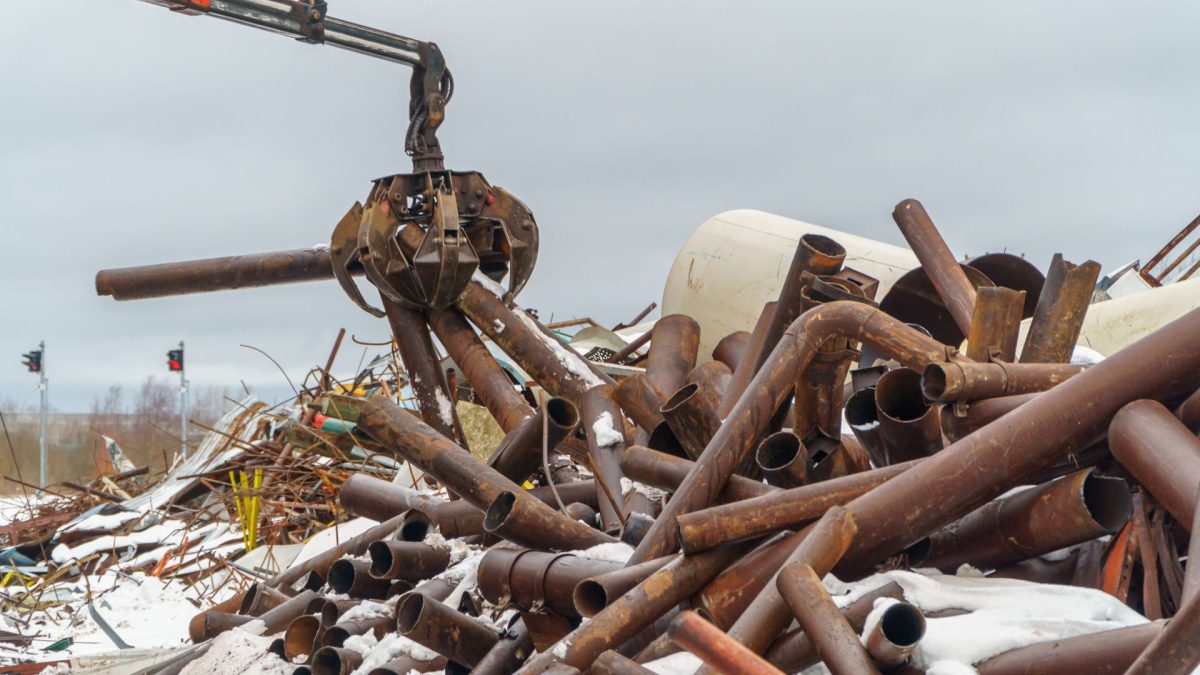
ransform waste into valuable inputs, minimizing the extraction of virgin materials and reducing enviroIn an era where the strain on natural resources is increasingly apparent, the circular economy emerges as a crucial framework for sustainability. At its core, the circular economy seeks to tnmental stress. Scrap metal recycling exemplifies this philosophy, as it allows metals like aluminum, steel, and copper to be reprocessed into usable products rather than being discarded. The implications of this practice extend beyond simple waste management; it reduces the consumption of raw materials, curbs ecological destruction from mining, and helps maintain biodiversity in natural habitats affected by industrial activities. Metals, being non-renewable resources, require intensive energy and labor to extract from ores. Recycling allows us to bypass much of this extraction process, significantly alleviating the environmental impact while simultaneously supporting industrial production chains.
Beyond resource conservation, metal recycling embodies a sustainable lifecycle approach. The collected scrap metals undergo processes that transform them into high-quality materials suitable for manufacturing. This includes shredding, melting, and refining, each step optimized to conserve energy and reduce emissions. Remarkably, recycling aluminum can save up to ninety-five percent of the energy required to produce new aluminum from bauxite ore, highlighting the immense efficiency gains. Additionally, repurposed metals reduce the need for large-scale mining operations, which are often associated with deforestation, habitat destruction, and soil erosion. By integrating metal recycling into industrial systems, society not only extends the lifespan of natural resources but also aligns production practices with ecological preservation principles. In essence, embracing the circular economy through metal recycling fosters a balance between industrial growth and environmental stewardship.
Environmental Benefits of Recycling Scrap Metal
Recycling scrap metal significantly impacts environmental sustainability by reducing greenhouse gas emissions and mitigating climate change. The production of metals from virgin sources is highly energy-intensive, involving extraction, smelting, and chemical treatments, all of which emit large amounts of carbon dioxide and other harmful pollutants. By reintroducing scrap metals into the production cycle, these emissions are drastically reduced. Steel, aluminum, and copper recycling processes require substantially less energy than virgin metal production, leading to measurable decreases in carbon footprints for industries. This reduction is critical in the global effort to combat climate change, as industrial activities contribute a substantial portion of global greenhouse gas emissions. Moreover, the use of recycled metals supports a more sustainable industrial ecosystem, allowing manufacturers to meet production needs while minimizing environmental harm.
The benefits of metal recycling extend beyond greenhouse gas reduction. Mining operations, essential for producing new metals, often contaminate nearby water sources with heavy metals and toxic chemicals, disrupting ecosystems and threatening human health. By diverting scrap metals from landfills and avoiding the need for fresh mining, recycling mitigates these pollution risks. Additionally, recycling processes generally utilize fewer chemicals and produce less hazardous waste, resulting in cleaner water, air, and soil. Ecosystems near recycling facilities benefit from reduced pollutant exposure, while communities enjoy safer living conditions. The cumulative effect of these practices is a healthier, more sustainable environment, where industrial needs are met without compromising ecological integrity. In this way, scrap metal recycling emerges as a vital environmental strategy with long-term global benefits.
Economic Impacts of Metal Recycling
Metal recycling carries significant economic benefits that extend across industries and communities. The process creates employment opportunities at multiple levels, including collection, transportation, sorting, and processing of metals. These roles provide stable jobs that support local economies and stimulate regional economic growth. Additionally, industries that incorporate recycled metals into their manufacturing processes can significantly reduce production costs. Using recycled materials requires less energy and fewer raw inputs, allowing manufacturers to allocate resources more efficiently and produce goods at lower costs. This combination of employment generation and cost reduction demonstrates that metal recycling is not only environmentally responsible but also economically advantageous, creating a win-win scenario for both businesses and communities.
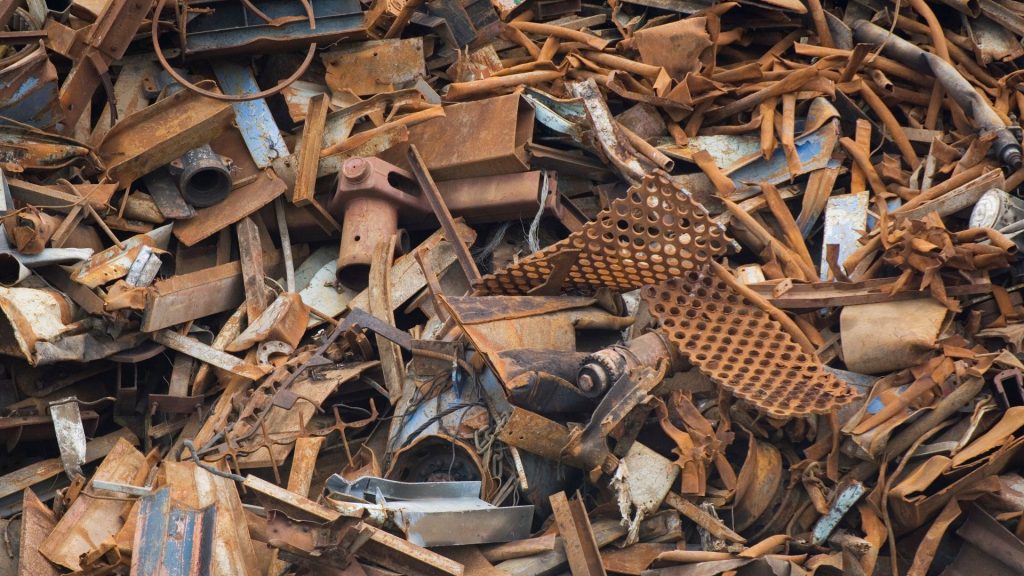
Beyond direct financial benefits, recycling also reduces the economic burden of waste management. Landfills are expensive to maintain, requiring large tracts of land, monitoring, and management of environmental risks such as soil and water contamination. By diverting scrap metals from landfills, municipalities can save on disposal costs while extending the operational lifespan of existing landfill facilities. Moreover, recycling supports a secondary market for metals, allowing scrap materials to be bought, sold, and reused multiple times. This circulation of resources strengthens the resilience of local economies, reduces dependence on imported raw materials, and stabilizes market prices for metals. As a result, investing in metal recycling creates an interconnected economic ecosystem that benefits industries, municipalities, and consumers alike.
Energy Conservation Through Metal Recycling
Energy conservation is a cornerstone of global sustainability, and metal recycling plays an indispensable role in reducing energy consumption. Extracting and refining metals from ores consumes enormous amounts of energy, often relying on fossil fuels that contribute to environmental degradation and greenhouse gas emissions. In contrast, recycling metals demands significantly less energy, providing a highly efficient alternative. For example, recycling steel requires approximately sixty to seventy-four percent less energy than producing steel from iron ore. Aluminum recycling is even more remarkable, conserving over ninety percent of the energy typically used in new aluminum production. These energy savings not only reduce operational costs for manufacturers but also contribute substantially to global efforts to limit carbon emissions and preserve natural resources.
The energy efficiency of metal recycling also has cascading environmental effects. By lowering energy demand, industries can reduce the consumption of fossil fuels, thereby limiting air pollution and the environmental consequences of energy extraction. This conservation aligns with broader sustainability goals, including the transition to renewable energy sources and the reduction of global reliance on non-renewable resources. Furthermore, energy savings translate into less strain on national power grids and reduced energy costs for consumers, demonstrating a practical economic advantage alongside environmental benefits. Ultimately, recycling metals is a pivotal strategy that conserves energy, curtails emissions, and supports a more sustainable and resilient industrial system worldwide.
Reducing Landfill Waste Through Metal Recycling
Landfill management is an escalating challenge in urbanized regions, and metal recycling offers an effective solution to this growing problem. Metals are inherently durable and non-biodegradable, meaning that discarded metal products can persist in landfills for hundreds of years. Recycling diverts these materials from waste streams, significantly reducing landfill volume and alleviating associated environmental hazards. By keeping metals out of landfills, communities can preserve space for other types of waste that cannot be recycled, making urban waste management more efficient. This practice also helps prevent the leaching of harmful substances into the soil, which can contaminate groundwater and disrupt surrounding ecosystems.
In addition to environmental protection, reducing landfill waste through recycling supports sustainable urban planning. Landfills are costly and can occupy valuable land that might otherwise serve public or ecological functions. Diverting scrap metals allows municipalities to optimize waste disposal systems and extend landfill lifespans, reducing the frequency and cost of constructing new landfill sites. Moreover, recycling fosters community awareness about the importance of waste reduction and resource conservation, promoting environmentally responsible behaviors. Ultimately, scrap metal recycling contributes to a cleaner, safer, and more sustainable environment while addressing the growing pressures on urban waste infrastructure.
The Role of Technology in Metal Recycling
Technological innovation is transforming the metal recycling industry, making the process more precise, efficient, and sustainable. Advanced sorting technologies, such as automated shredders, magnetic separators, and optical sensors, allow for accurate separation of different metals from mixed waste streams. This precision enhances the quality of recycled metals, ensuring that they meet the standards required for industrial applications. Additionally, automation reduces labor intensity and operational costs, allowing recycling facilities to operate more sustainably and profitably. As technology evolves, the efficiency of recycling operations continues to improve, enabling higher recovery rates and minimizing material loss.
Technology also facilitates the development of closed-loop recycling systems, in which metals can be recycled repeatedly without loss of quality. Innovations in metallurgy and process engineering allow for the extraction of contaminants and the restoration of metal properties, making it feasible to create high-performance materials entirely from recycled inputs. Furthermore, digital platforms for tracking and managing scrap metal supply chains increase transparency and efficiency, enabling better planning and reduced waste. These technological advancements make recycling more economically viable and environmentally impactful, reinforcing the critical role of innovation in advancing global sustainability efforts.
Global Initiatives Promoting Metal Recycling
International organizations and initiatives are increasingly emphasizing the importance of metal recycling for global sustainability. The International Resource Panel and the Global Recycling Foundation, among others, advocate for policies that promote efficient use of materials and encourage industrial recycling practices. These initiatives focus on education, research, and policy guidance, aiming to foster a global understanding of the importance of sustainable metal management. By creating frameworks for responsible recycling, these organizations contribute to a reduction in greenhouse gas emissions, conservation of natural resources, and establishment of a circular economy.
Global initiatives also play a vital role in fostering collaboration between governments, industries, and communities. By sharing best practices, developing recycling standards, and funding research into new recycling technologies, these efforts help overcome challenges related to efficiency, contamination, and infrastructure. Public awareness campaigns further encourage individuals and businesses to participate actively in recycling programs, amplifying environmental benefits at the grassroots level. The collective impact of these initiatives demonstrates that metal recycling is not only a local responsibility but also a global imperative, with far-reaching effects on environmental sustainability and resource security.
Challenges in Metal Recycling
Despite the clear environmental and economic advantages, metal recycling faces a variety of challenges that can hinder its effectiveness. One significant issue is contamination, which occurs when non-recyclable materials are mixed with scrap metals. Contamination reduces the quality of recycled metals, complicates processing, and can result in higher energy consumption during purification. This makes maintaining strict quality control essential for recycling operations to be efficient and sustainable. Additionally, contamination can lead to increased costs and operational inefficiencies, highlighting the need for public education and better collection systems.
Another challenge lies in inadequate infrastructure in certain regions. Many areas lack sufficient recycling facilities, collection systems, or transport networks to handle scrap metal efficiently. This limitation results in a higher proportion of metals being discarded into landfills or illegally dumped, undermining sustainability goals. Furthermore, fluctuating market prices for recycled metals can affect the economic viability of recycling programs, influencing both industrial participation and investment in recycling infrastructure. Addressing these challenges requires coordinated efforts from governments, businesses, and communities to establish robust systems, incentivize participation, and maintain consistent quality standards.
The Future of Metal Recycling
The trajectory of metal recycling is promising, driven by technological innovation, increasing environmental awareness, and global sustainability mandates. Researchers are continuously developing methods to improve efficiency, recover metals from complex waste streams, and enhance the quality of recycled products. Emerging technologies such as AI-driven sorting systems, advanced metallurgy, and automation are expected to further streamline operations, reduce contamination, and expand recycling capacity. These advancements ensure that the benefits of recycling can be realized more fully across industries and regions.
Public engagement is also poised to grow, as awareness campaigns emphasize the importance of responsible waste management. Educational initiatives, community recycling programs, and corporate sustainability commitments are driving higher participation rates, ensuring a consistent flow of recyclable metals. As global demand for metals continues to rise, recycling will be critical in supplementing production, reducing environmental impact, and conserving resources. The future of metal recycling lies in a combination of technology, policy, and societal commitment, positioning it as a central component of sustainable development worldwide.
Conclusion
In summary, recycling scrap metal plays an essential role in achieving global sustainability objectives. By conserving natural resources, reducing energy consumption, limiting greenhouse gas emissions, and preventing environmental pollution, the practice addresses some of the most pressing ecological challenges of the modern era. Beyond environmental benefits, it supports economic growth, creates jobs, and reduces costs associated with waste management, establishing itself as a multifaceted solution to industrial and societal needs. The integration of advanced technologies, international cooperation, and public awareness ensures that metal recycling will continue to evolve, enhancing its efficiency and effectiveness in a rapidly changing world.
For residents and businesses in Palatine, IL, seeking professional junk removal services that prioritize sustainability, 24-7 Junk Removal provides a reliable solution. Located at 611 W. Wise, Schaumburg, IL 60193, they offer comprehensive services that include responsible recycling practices. By engaging with their team, clients can ensure that scrap metals and other materials are disposed of responsibly, reducing environmental impact. For more information or to schedule a service, contact 24-7 Junk Removal at (773) 309-6966 or via email at support@24-7junk.com. Their commitment to sustainable junk removal reflects the broader importance of metal recycling in supporting global environmental and economic well-being.