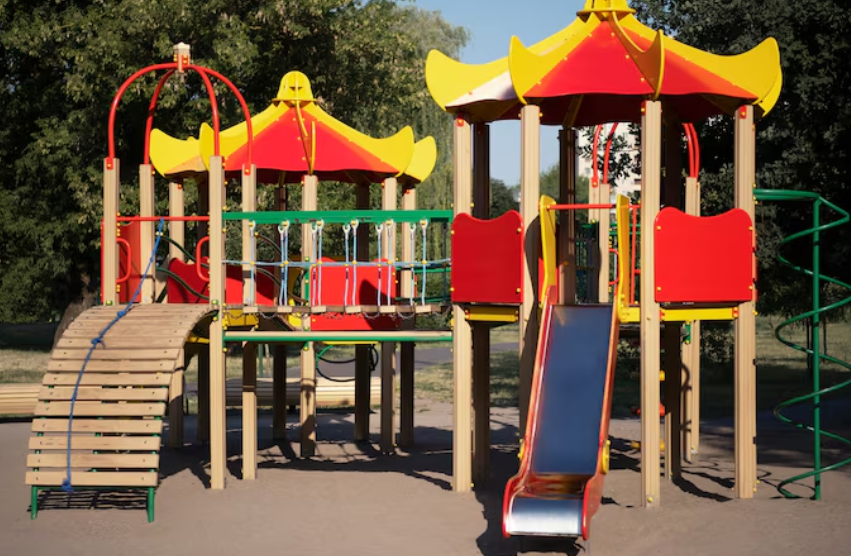
Understanding Playset Removal
Removing a playset from your yard can feel like a daunting task, especially when it’s been part of your family’s outdoor fun for years. Playsets vary in materials, size, and complexity, making a careful approach essential to avoid property damage or injury. Before starting, it’s crucial to assess the type of playset you have. Wooden structures may require disassembly using power tools or wrenches, while metal and plastic components might need specific handling to avoid scratches or bending. Planning the removal step by step ensures the process remains safe and organized, preventing unnecessary stress during what could otherwise be a chaotic project.
Additionally, taking the surrounding environment into account is important. Ensuring a clear work area around the playset minimizes accidents and allows for easier maneuvering of heavy components. Consider the weight of each part, and plan how you will lift or slide pieces safely. Detaching swings, ladders, and climbing ropes before moving the main structure helps reduce strain and prevents accidental falls. By approaching playset removal methodically, you can transform a potentially overwhelming job into a manageable project that protects both your property and personal safety.
Planning for Disposal
Disposing of a playset involves more than just tossing it in the trash. The materials—wood, metal, and plastic—require responsible disposal methods to reduce environmental impact. Start by separating components based on material type; this makes recycling or donation easier. Many local recycling centers accept wood and metal, while plastics may need specialized facilities. Planning disposal ahead of time also helps you identify whether a professional service might be beneficial, particularly for large or complex playsets that are cumbersome to handle on your own.

Beyond environmental considerations, planning disposal carefully can save time and effort. Knowing the weight and dimensions of each piece helps determine the best vehicle or hauling method. If donation is possible, reach out to local charities or community centers, as many welcome gently used outdoor equipment. Preparing disposal options before dismantling ensures the playset moves smoothly from removal to final destination, avoiding unnecessary trips to landfills and ensuring materials are managed responsibly.
Safety Precautions During Playset Dismantling
Safety should always be the top priority when dismantling a playset. Sharp edges, splintered wood, and heavy metal components present significant risks if proper precautions aren’t taken. Wearing protective gear such as gloves, safety glasses, and sturdy footwear helps prevent injuries while handling large or unstable pieces. Additionally, having a clear plan for lifting and moving heavy components reduces the likelihood of back strain or accidental dropping, which could damage both the structure and the surrounding yard.
Using the right tools for the job is equally important. Screwdrivers, wrenches, and power drills should be handled carefully and inspected beforehand to ensure they are in good working condition. Keeping children and pets away from the work area minimizes distractions and potential accidents. By incorporating these safety measures into the dismantling process, the task becomes not only more manageable but significantly less hazardous, allowing you to complete the project with confidence.
Tools and Equipment Needed
Having the right tools and equipment makes playset removal much more efficient. Essential items include screwdrivers, socket wrenches, power drills, and crowbars for loosening fasteners and dismantling large components. A dolly or hand truck can help transport heavier parts, while tarps and storage bins keep small hardware organized. Preparing tools ahead of time avoids unnecessary delays and ensures that every step of the dismantling process runs smoothly.
Additionally, depending on the playset’s size and design, extra help may be necessary. Some components are too large or heavy to handle alone safely. Coordinating with friends, family, or professional helpers allows for safer lifting and transportation. Using proper equipment and enlisting assistance where needed transforms what could be a stressful ordeal into a controlled and organized operation, making the entire removal process more efficient and less physically taxing.
Environmental Considerations
Disposing of a playset responsibly involves considering environmental impact. Wood components may be repurposed for garden projects or firewood, while metal parts can often be recycled at local scrap facilities. Plastic elements should be sorted according to local recycling regulations, ensuring they do not contribute to landfill waste unnecessarily. Taking the time to separate materials not only supports sustainability but also demonstrates responsible stewardship of natural resources.
Being environmentally conscious during removal also means preventing debris from scattering during transport. Covering pieces in tarps and securing them properly ensures that they remain contained, protecting the surrounding landscape and local ecosystem. Thoughtful planning and careful handling of materials make a tangible difference in reducing environmental impact, showing that even a routine task like playset disposal can align with eco-friendly practices.
Common Challenges in Playset Removal
Playset removal comes with unique challenges that can complicate the process. Uneven ground, overgrown landscaping, and weather conditions may hinder access or make lifting components more difficult. Unexpected deterioration, such as rotting wood or rusted bolts, can slow progress and require additional tools or replacement hardware to complete safely. Anticipating these challenges allows for proactive solutions and reduces stress during removal.
Another frequent issue is disposing of oversized or irregularly shaped parts. Standard trash pickup often cannot accommodate these pieces, necessitating specialized hauling or recycling arrangements. Knowing potential obstacles in advance and planning accordingly ensures the removal process remains efficient. By preparing for common challenges, homeowners can approach playset dismantling with realistic expectations, avoiding delays and minimizing frustration throughout the project.
Choosing Between DIY and Professional Removal
Deciding whether to remove a playset yourself or hire professionals depends on several factors. DIY removal can save money, but requires significant time, physical effort, and access to proper tools. It also carries a higher risk of injury if safety precautions are not followed. Professional services, while more costly, provide experienced teams equipped to handle large, heavy, or complex playsets efficiently, often reducing risk and stress.
Professionals can also manage disposal, ensuring materials are recycled, donated, or discarded responsibly. They have access to larger vehicles and specialized equipment, making transport smoother and faster. Evaluating the size, complexity, and condition of your playset, alongside personal capability, helps determine the most practical approach. In many cases, hiring a skilled team offers a balance of safety, efficiency, and environmentally responsible disposal.
Efficient Disassembly Techniques
Breaking down a playset into manageable pieces is key to a smooth removal process. Start by removing swings, slides, and ropes to lighten the structure. Work systematically from the top down, detaching upper platforms and supports before tackling the main frame. Labeling parts and hardware during disassembly ensures reassembly or recycling goes smoothly.
Using leverage tools such as pry bars for stubborn connections can save time, but care should be taken to avoid damaging reusable components. Maintaining an organized workspace reduces stress and prevents lost screws or bolts. Applying efficient disassembly techniques streamlines the entire removal process, making transport, recycling, or storage more straightforward.
Transportation and Hauling
Moving large playset components requires careful planning to avoid damage to the items, vehicles, or property. Flatbed trucks or trailers are ideal for large wooden structures, while smaller components may fit in a pickup or SUV. Securing pieces with straps and tarps prevents shifting during transit, ensuring safety for both the movers and the load.
Planning the route and considering vehicle weight limits are also critical for safe transport. Remove obstacles along the path and protect landscaping to prevent accidental damage. Proper handling during hauling reduces risk and ensures that components arrive at their destination intact, whether for disposal, donation, or recycling.
Preparing the Yard Post-Removal
Once the playset is removed, attention should turn to restoring the yard. Filling holes, leveling ground, and removing debris prevents accidents and prepares the space for new landscaping, a garden, or another outdoor structure. Proper yard preparation also enhances aesthetic appeal and maintains property value.
Checking for hidden hazards, such as exposed nails or sharp edges, ensures safety for children and pets. Applying mulch, sod, or soil stabilizers can improve soil health and prevent erosion. A thoughtful approach to yard restoration completes the removal process, leaving your outdoor space ready for its next chapter.
Conclusion
Playset removal and disposal can be challenging, but with careful planning, proper tools, and attention to safety, the process becomes manageable. Separating materials, considering environmental impact, and addressing potential obstacles ensures a smooth transition from an old playset to a cleared yard. Homeowners can choose between DIY efforts and professional services depending on their comfort level, while proper transportation and yard restoration complete the task responsibly.
For residents in Palatine, IL, professional assistance is available through 24-7 Junk Removal, offering expert junk removal services tailored to playset disposal. The team ensures that dismantled components are removed efficiently, transported safely, and disposed of responsibly. To schedule service or get a free estimate, call (773) 309-6966 or visit 611 W. Wise Schaumburg, IL 60193. The staff can also answer questions via email at support@24-7junk.com, providing comprehensive support for safe and eco-conscious junk removal.