

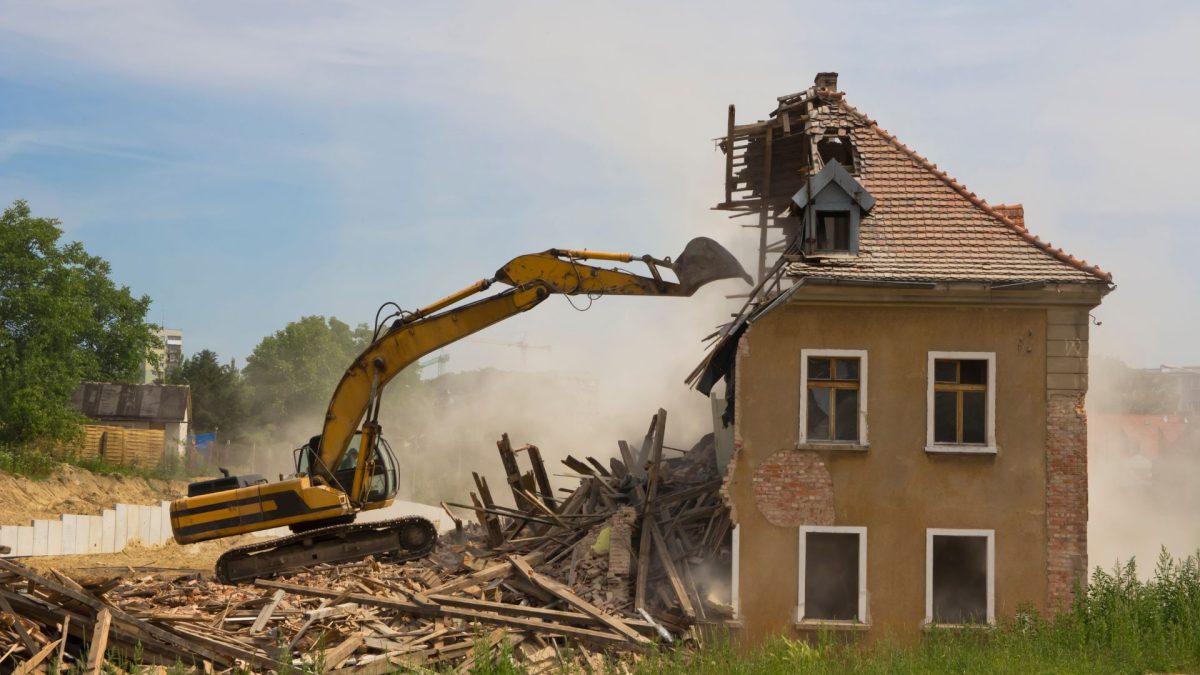
Clearing a yard begins with identifying structures that no longer serve a purpose. A shed, often tucked into a corner and used for storing forgotten items, can quickly become an eyesore. Its presence may block sunlight, restrict movement, and take up space that could be used for landscaping or outdoor activities. By removing an old or deteriorating shed, you unlock the potential of your yard, giving it a clean slate and allowing for functional redesigns. Shed demolition is not simply about tearing down wood and nails; it is a critical step toward achieving an organized, aesthetically pleasing outdoor environment that complements your home.
Moreover, shed demolition encourages you to re-evaluate the contents that have accumulated over the years. Items that have been long abandoned may hold little to no value, and deciding what to keep or discard during the demolition process promotes a more intentional approach to storage. The process can also uncover hidden issues such as pest infestations, mold, or water damage that a standing shed might conceal. Removing the structure gives homeowners an opportunity to address these problems promptly, contributing to the overall health and safety of the property while creating a foundation for future outdoor improvements.
Preparing Your Yard for Shed Removal
Before beginning the physical work of demolition, it is essential to prepare your yard properly. This preparation starts by clearing the surrounding area to ensure there is adequate space to dismantle the shed safely. Objects like gardening tools, furniture, or children’s toys should be relocated to prevent accidental damage. Planning the demolition path also includes considering where debris will be placed, as unorganized removal can lead to chaos and potential injury. Taking time to map out a safe and efficient strategy will make the entire process smoother and reduce stress during the project.

In addition, evaluating the shed’s structure helps determine the tools and resources needed for removal. Some sheds are lightweight with simple designs, while others are more permanent with concrete footings or heavy wooden beams. Understanding the construction materials and methods allows for the appropriate equipment selection, whether it be hammers, pry bars, or saws, and ensures that the demolition is executed efficiently. A well-prepared yard sets the stage for a seamless transition from an old storage structure to an open, organized space ready for new possibilities.
Removing Hazards Before Demolition
Shed demolition is not without risks. Exposed nails, loose panels, or broken windows can all pose serious threats to anyone involved in the removal process. Prior to tearing down the shed, it is vital to inspect it thoroughly for hazards and remove any immediate dangers. Wearing protective gear such as gloves, safety goggles, and sturdy footwear helps prevent injuries. This stage of preparation reduces accidents and ensures that the project progresses without unexpected setbacks.
Another critical aspect of hazard removal involves assessing environmental concerns. Some sheds may contain paint, chemicals, or other substances that require careful handling. Identifying these hazards early allows for proper disposal in accordance with safety regulations. By addressing both physical and environmental risks before demolition begins, homeowners create a secure workspace that promotes efficiency and reduces the likelihood of injury or property damage.
Efficient Techniques for Shed Demolition
Executing a shed demolition efficiently requires strategy and method. One effective approach is to start by removing the roof, as this lightens the overall structure and provides better access to walls and supports. Disassembling the shed panel by panel, rather than attempting to topple the entire structure at once, minimizes damage to surrounding areas and keeps the process more controlled. Attention to detail during demolition ensures that valuable materials like metal sheets or wooden planks can be salvaged for reuse.
Proper sequencing is equally important. After the roof, walls and flooring should be taken down systematically. Keeping a consistent pace and method reduces unnecessary effort and prevents chaos. Ensuring the demolition follows a logical order also aids in separating materials for recycling or disposal, which can save time and reduce waste. An organized demolition process transforms what might seem like a daunting task into a manageable project that achieves a clean, open yard efficiently.
Disposal and Recycling of Shed Materials
Once the shed has been dismantled, attention shifts to the proper disposal and recycling of materials. Many shed components, such as wood, metal, and plastic, can be repurposed or recycled rather than being discarded in a landfill. Sorting the debris by material type not only supports environmental responsibility but also streamlines the removal process, making it easier to transport items to the correct disposal facility.
Recycling offers additional benefits beyond environmental impact. Salvaging usable materials can reduce costs for future projects, whether repurposed in another area of the yard or used in home improvements. Proper disposal also ensures compliance with local regulations, avoiding fines or penalties for improper handling. Through thoughtful sorting and recycling, shed demolition becomes not just a cleanup task but an opportunity to maximize resources and contribute positively to the surrounding community.
Creating Space for Outdoor Projects
With the shed removed and materials cleared, homeowners are left with a blank canvas for outdoor transformation. The newly freed space allows for a variety of landscaping projects, from garden beds to patios, or simply an open area for recreational activities. Shed demolition, therefore, serves as the initial step toward reshaping a yard according to specific needs and aesthetic preferences.
This space can also improve accessibility and usability of the yard. Homeowners may finally have room to install additional storage solutions, outdoor furniture, or play areas for children and pets. By starting with the removal of an obsolete shed, the groundwork is laid for functional and visually appealing improvements that enhance daily living and overall enjoyment of the property.
Assessing Yard Conditions Post-Demolition
After demolition, examining the yard’s condition is essential for planning subsequent steps. Removing a shed can reveal uneven terrain, damaged landscaping, or soil issues that were previously hidden. Identifying these conditions early allows homeowners to address them before starting new installations, ensuring that any future projects are built on a solid and stable foundation.
Assessing the yard also provides an opportunity to implement preventative measures. For example, soil reinforcement or drainage solutions can be considered if water accumulation was a concern around the old shed. Evaluating the post-demolition state ensures that improvements are not only visually pleasing but also practical and sustainable over time.
Organizing Outdoor Storage Solutions
With an old shed gone, there is a chance to rethink how storage is approached in the yard. Modern storage solutions, such as compact storage units, garden boxes, or outdoor cabinets, can replace bulky sheds while maintaining functionality. This approach prioritizes accessibility, aesthetics, and organization, creating a yard that feels open and orderly.
Thoughtful storage planning minimizes clutter and maximizes available space. By selecting storage options tailored to the specific needs of the yard, homeowners can maintain a clean, organized environment that enhances usability. The removal of a traditional shed becomes an opportunity to adopt smarter, more efficient storage methods that better suit contemporary lifestyles.
Enhancing Curb Appeal Through Yard Transformation
Shed demolition directly contributes to improved curb appeal. An outdated or dilapidated shed can significantly detract from a property’s exterior appearance, while an open and organized yard projects a sense of care and attention to detail. Removing the shed allows homeowners to introduce landscaping elements that complement the home’s style and increase overall property value.
Improved curb appeal is not only about aesthetics but also functionality. A tidy yard can make outdoor areas more inviting for family gatherings, social events, or relaxation. By removing an old shed and revitalizing the surrounding space, homeowners set the stage for an attractive and enjoyable outdoor environment that leaves a positive impression on visitors and passersby.
Planning for Future Yard Maintenance
Demolishing a shed offers a chance to rethink long-term yard maintenance. Open spaces created by shed removal require a strategy for upkeep, including mowing, pruning, and debris management. Establishing a routine early ensures that the yard remains organized and visually appealing after the initial demolition project.
Additionally, planning for maintenance includes considering seasonal changes and how the yard will adapt over time. Choosing durable landscaping features and storage solutions reduces the likelihood of clutter accumulation, making future upkeep more manageable. Shed demolition is therefore not only a step toward immediate organization but also a proactive measure for maintaining a tidy and functional outdoor space for years to come.
Conclusion
Shed demolition represents the foundational step in creating a well-organized yard. By removing old and unused structures, homeowners gain both space and flexibility for a variety of outdoor projects. This process improves accessibility, opens up opportunities for landscaping, and enhances the overall aesthetic appeal of the property. Careful planning, hazard assessment, and efficient demolition techniques ensure that the task is carried out safely while minimizing waste and maximizing the potential for material reuse.
For residents in Palatine, IL, services like 24-7 Junk Removal provide professional support in handling all aspects of shed demolition and subsequent debris removal. Their expertise in junk removal ensures that the process is not only efficient but also environmentally responsible. Contact 24-7 Junk Removal at (773) 309-6966 to schedule a consultation or service. Their team at 611 W. Wise Schaumburg, IL 60193 can manage every step of the process, from demolition to disposal, offering peace of mind and a cleaner, more organized yard.