

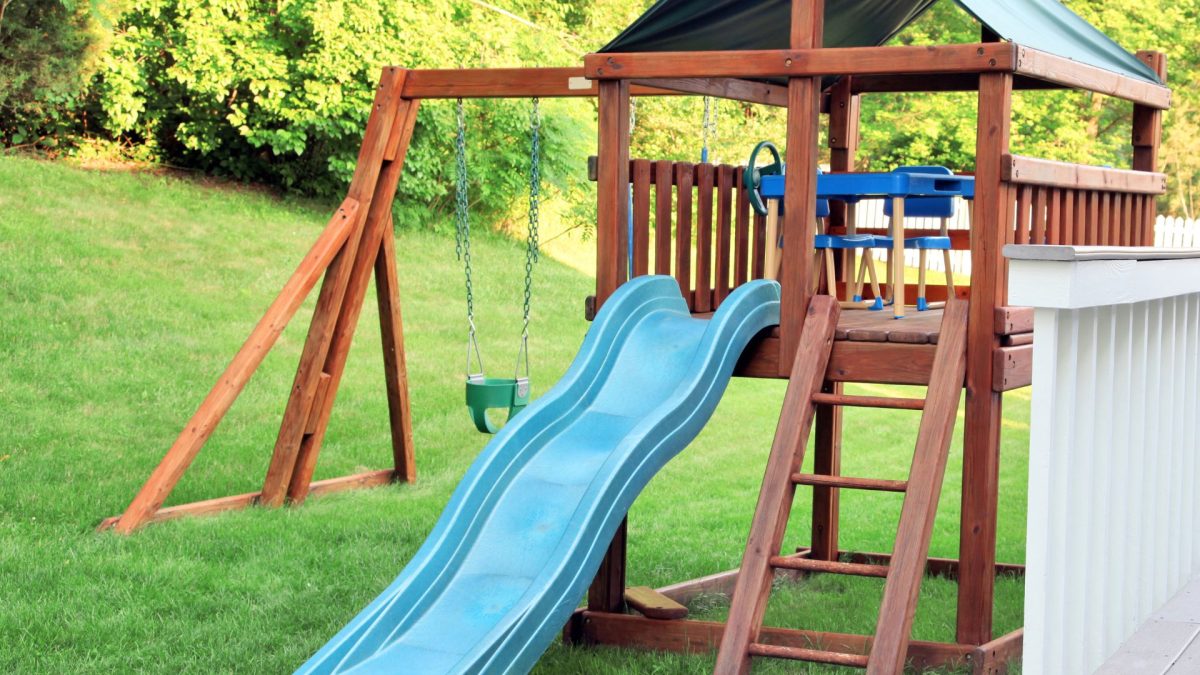
Removing a playset is more than just dismantling wood and metal; it’s a task that requires careful consideration, preparation, and safety awareness. Many playsets are built to last and are firmly anchored into the ground, which means haphazard attempts at removal can lead to accidents or damage to surrounding areas. Before starting, it’s crucial to survey the area for hazards such as uneven ground, hidden roots, or nearby structures that could be affected during the removal process. Safety should always be prioritized, including wearing protective gear such as gloves, helmets, and durable shoes to prevent injuries from splinters, falling parts, or tools slipping. Evaluating the weight and structure of each component helps determine whether extra manpower or mechanical assistance will be necessary.
Planning the disassembly sequence is another critical step. Removing the smallest and least stable pieces first reduces the risk of sudden collapses. Components like swings, slides, and climbing ropes require special attention because of their connections and potential to swing or fall unexpectedly. Identifying the materials in the playset, including wood types, metal parts, and plastic attachments, can inform the safest removal techniques. By taking the time to prepare and understand the intricacies of the playset, the process becomes far safer, more efficient, and less stressful. Proper planning also minimizes environmental impact and ensures that debris is handled responsibly.
Preparing the Work Area for Safe Removal
Creating a safe work environment begins with clearing the area around the playset. This includes removing lawn furniture, toys, garden tools, or any other obstacles that could trip workers or hinder movement. Ensuring there is ample space for maneuvering large parts is critical, especially when dismantling tall or heavy components. Marking boundaries for the removal zone can prevent accidental intrusion by pets or children, significantly reducing the likelihood of injuries. Additionally, inspecting the soil for soft spots or hidden hazards like rocks or irrigation lines is essential before applying force to anchor points or lifting sections of the structure.
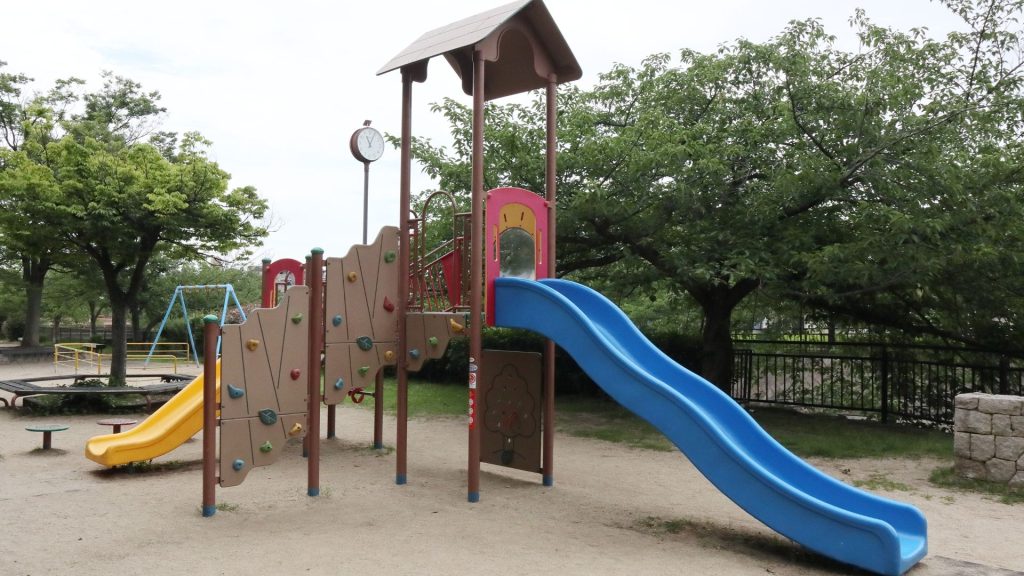
Another consideration is accessibility for transporting debris once the playset has been dismantled. Setting up a clear path to a truck or collection area prevents backtracking and reduces the risk of dropping materials on uneven surfaces. Safety signage, cones, or temporary barriers can enhance visibility, alerting anyone nearby to exercise caution. Maintaining organization throughout the removal process allows each piece to be handled in a controlled manner, preventing accidental falls and collisions. By establishing a clean, hazard-free work area, the task of playset removal becomes more predictable, reducing risks and allowing for smoother workflow.
Using the Right Tools for the Job
Selecting appropriate tools is vital for both efficiency and safety during playset removal. Standard hand tools such as hammers, screwdrivers, and wrenches are essential, but specialized equipment like pry bars, ratchets, or cordless drills can make the process faster and less strenuous. Using the wrong tool often leads to slips, stripped screws, or broken parts, creating potential hazards. Each tool should be inspected for functionality and condition before use to ensure reliability during the operation. Proper tool selection also minimizes the risk of personal injury and damage to materials, which is particularly important if parts of the playset are being salvaged or recycled.
Safety extends to the handling of heavy components as well. Lifting straps or dollies can help manage larger pieces, reducing strain on the body and preventing sudden shifts that could cause falls. Keeping tools organized and within reach also prevents unnecessary movements that can lead to accidents. Additionally, protective gear such as goggles, dust masks, and work gloves is essential when cutting, prying, or hammering, as debris and splinters are common during disassembly. Ensuring all equipment is used correctly and efficiently enhances safety, preserves the integrity of the materials, and reduces the overall time spent on the removal project.
Dismantling Structures with Care
The process of dismantling a playset should be methodical and deliberate. Each part should be addressed individually, starting with removable accessories like swings, slides, and ropes, before tackling larger support beams. Removing hardware systematically and storing it safely prevents accidents caused by sharp objects or loose pieces. Taking care to disassemble the structure in the correct order maintains stability and avoids unexpected collapses. This attention to sequence is especially important for older playsets, which may have weakened joints or rusted fasteners that can fail under pressure.
Attention to detail during dismantling is critical, as even minor oversights can result in injury. Inspecting each joint and connection before applying force helps identify potential problem areas, such as stripped screws or damaged bolts. In some cases, lubricating stubborn fasteners can prevent snapping or sudden movements. Teamwork is often necessary for lifting large components, and communication ensures that everyone is aware of movement and timing. Methodical dismantling not only protects those involved but also preserves reusable components, reduces material waste, and simplifies debris management once the playset has been removed from the site.
Handling Heavy and Awkward Components
Playsets often include sizable beams, slides, and climbing structures that are awkward to maneuver. Attempting to lift these pieces alone can result in strained muscles, lost balance, or dropped components. Proper lifting techniques, such as bending at the knees and keeping the back straight, are essential to prevent injuries. Whenever possible, enlist additional help to share the weight and maintain stability while moving large sections. Using equipment like dollies or straps can further reduce physical strain and allow for more controlled placement of heavy materials.
Balancing and transporting oversized parts requires spatial awareness and careful planning. Identify pathways that allow for smooth movement without obstacles or tight turns. Breaking larger pieces into smaller sections when feasible makes handling easier and safer. Communication among team members during lifting and moving ensures that everyone is synchronized and prepared for sudden shifts in weight. By respecting the weight and complexity of each component, injuries are minimized, and the playset can be dismantled efficiently. Adequate preparation for heavy lifting is one of the most critical aspects of safe playset removal.
Managing Hardware and Fasteners
Hardware such as screws, bolts, and nails may seem small, but they can pose significant hazards if handled carelessly. Organizing and storing fasteners in labeled containers during disassembly prevents accidental punctures, trips, or loss of critical pieces. Keeping a record of which hardware belongs to which section of the playset can also assist with potential reuse or recycling. Failing to manage fasteners properly often leads to cluttered workspaces, increasing the chance of accidents and slowing down the removal process.
Inspecting fasteners for damage is equally important. Rusted or stripped screws can be unpredictable and may break during removal, posing a risk to hands or eyes. Using the correct driver or wrench ensures better control and reduces the likelihood of slipping. Safe handling includes keeping sharp objects away from body contact and ensuring that they are not left on the ground where they could injure others. Proper hardware management safeguards the workers and maintains organization throughout the dismantling process, contributing to a safer and more efficient playset removal experience.
Disposal and Recycling of Materials
Once the playset has been dismantled, attention must turn to proper disposal and recycling. Playsets are often composed of wood, metal, and plastic, each of which requires different handling. Separating materials at the source makes recycling or donation easier and reduces the burden on landfills. Wood can often be repurposed for other projects, while metal parts are valuable for scrap recycling. Plastic components, such as slides and swings, can sometimes be recycled depending on local regulations.
Transporting debris safely is just as important as proper disposal. Large or sharp objects should be secured in containers or wrapped to prevent injury during transport. Avoid overloading vehicles, as this can cause accidents or damage to surrounding property. Adhering to local guidelines for material disposal ensures compliance with environmental regulations and reduces the ecological impact of the removal. Thoughtful handling of dismantled materials demonstrates responsibility and minimizes hazards associated with leftover debris, completing the removal process in a safe and sustainable manner.
Dealing with Uneven Ground and Anchors
Playsets are often secured in ground that is uneven, sandy, or partially landscaped. Removing anchors, such as concrete footings or buried metal rods, requires special care to prevent sudden releases that can cause injury. Digging around the base carefully and using leverage tools like pry bars allows for controlled removal of anchors without damaging the surrounding area. Soil stability should always be considered, especially on slopes or soft ground, to avoid slips or collapses.
Working with stubborn anchors can be physically demanding, making patience and technique essential. Applying force gradually rather than abruptly reduces the risk of uncontrolled movements. For concrete or deeply embedded posts, cutting tools may be required, and protective equipment such as gloves and goggles becomes even more important. Properly handling anchors not only ensures safety during the removal process but also maintains the integrity of the yard for future landscaping or play structures. Taking the time to address these challenges carefully prevents accidents and supports long-term site maintenance.
Prioritizing Personal Safety During Removal
Personal safety is paramount when dismantling a playset. Protective clothing, sturdy shoes, and gloves are the minimum requirements to reduce the risk of cuts, splinters, or other injuries. Eye protection is recommended, especially when cutting, hammering, or prying parts. Headgear may be necessary if components are overhead or if working under elevated structures. Establishing clear communication among all workers prevents accidental movements that could result in injury or damage.
Mental preparedness and focus are equally important. Rushing or attempting to multitask increases the likelihood of mistakes and accidents. Breaks should be taken regularly to prevent fatigue, as tired workers are more prone to errors. By respecting both physical and mental safety, the playset removal process becomes a controlled, predictable, and secure operation. Following these precautions ensures that every step is executed with care, reducing the risk of injury and promoting a safer work environment for everyone involved.
Planning for Future Site Use
Once a playset has been safely removed, consideration should be given to the future use of the cleared area. Uneven surfaces, leftover anchor holes, or residual debris can interfere with landscaping or construction plans. Filling holes, leveling the ground, and clearing all remaining materials prepares the site for new installations or general yard use. Ensuring a clean and safe space prevents accidents for children, pets, or visitors after the removal process.
Evaluating the site also offers an opportunity to improve safety and functionality. Areas that previously supported heavy structures may require soil reinforcement or drainage improvements. Installing new play equipment or landscaping features is easier when the ground is prepped and free from hazards. By planning for the next steps and addressing potential risks, the site transitions smoothly from a dismantled play area to a safe, functional, and visually appealing space for future activities.
Conclusion
Removing a playset is a complex task that requires planning, patience, and attention to safety. From preparing the area to dismantling structures, managing hardware, and handling heavy components, each step demands care and proper technique. Taking the time to follow safe practices not only prevents injuries but also protects the yard and surrounding property. Thorough planning ensures efficiency, reduces stress, and allows for responsible handling of materials, including recycling and disposal.
For professional assistance with playset removal and related tasks, 24-7 Junk Removal in Palatine, IL provides expert services tailored to ensure safety and convenience. Their team is equipped to manage the entire process, from dismantling to debris removal, using safe and efficient methods. Contact them at (773) 309-6966 for junk removal services and support. Their location at 611 W. Wise Schaumburg, IL 60193 makes it convenient for residents in the area, and inquiries can also be directed to support@24-7junk.com for detailed information. Relying on experienced professionals simplifies the process, giving peace of mind that the work is handled safely and responsibly.