

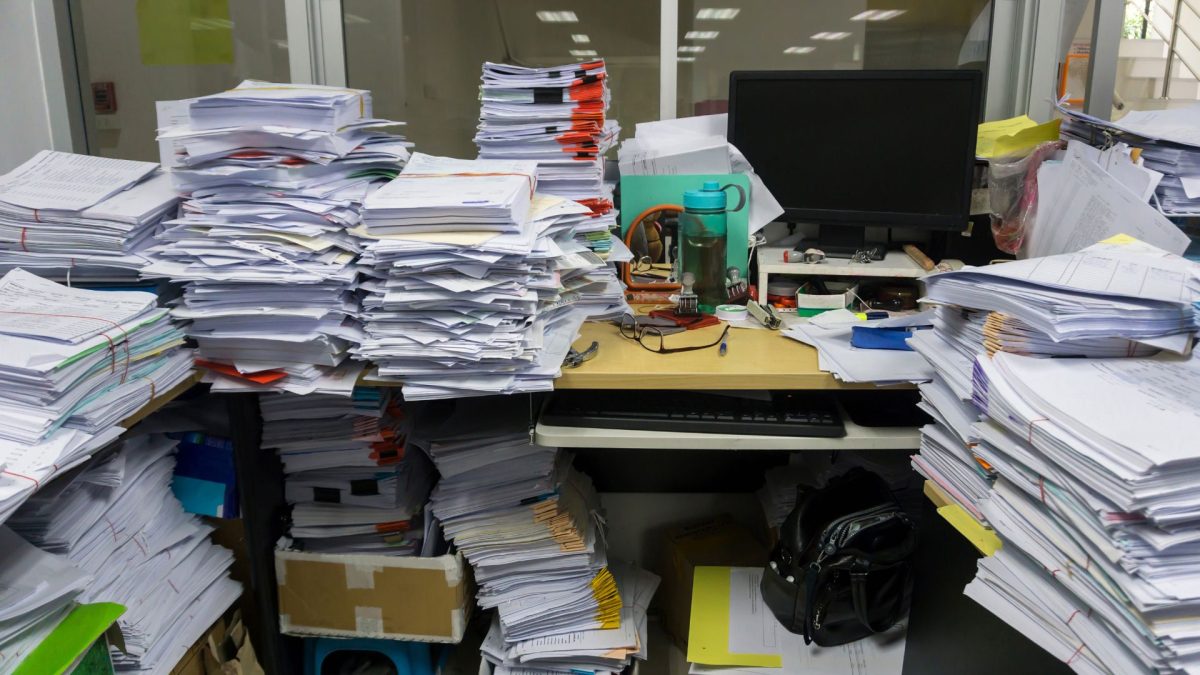
Maintaining a clean and organized office environment plays a critical role in shaping employee morale and overall productivity. An office cluttered with outdated equipment, broken furniture, and piles of paperwork can make the space feel chaotic and overwhelming. By implementing a consistent strategy for junk removal, businesses can prevent the accumulation of unnecessary items and create a workspace that encourages focus and creativity. Employees are more likely to engage effectively with their tasks when they are not distracted by clutter or forced to navigate through disorganized spaces.
Office clutter not only impacts efficiency but can also affect health and safety. Dust, mold, and accidental hazards from piles of items can create risks that lead to injuries or illnesses. A proactive approach to junk management helps mitigate these risks while promoting a professional environment for clients and staff. Regularly scheduled cleanouts, combined with proper disposal and recycling strategies, ensure the workspace remains safe, visually appealing, and conducive to productivity. Establishing this routine can also foster a culture of responsibility and shared accountability among employees.
Strategically Planning Junk Removal for Large Offices
Efficient office junk removal begins with a comprehensive plan tailored to the needs of a specific commercial space. Understanding what items can be donated, recycled, or discarded ensures that the process is environmentally responsible while reducing the overall volume of waste. Planning involves identifying clutter hotspots such as storage rooms, supply closets, or underutilized workstations. Once these areas are mapped, businesses can schedule phased cleanouts that minimize disruption to daily operations and prevent staff from feeling overwhelmed by a sudden purge.

A detailed plan also includes determining the right service provider for removal. Whether outsourcing to a professional team or coordinating in-house efforts, clarity on responsibilities, timelines, and disposal methods keeps the process organized. Incorporating employee participation in identifying redundant items can streamline the process further. By having a well-thought-out strategy, companies avoid unnecessary delays and ensure that office junk removal is efficient, cost-effective, and sustainable.
Categorizing Items for Effective Disposal
Separating office items based on their usability and disposal method is essential for successful junk management. Items such as functional office furniture, electronics, or supplies may be eligible for donation, while outdated or broken equipment often requires proper recycling. Categorizing not only simplifies the removal process but also supports environmentally conscious practices, preventing unnecessary items from ending up in landfills. Clear labeling and dedicated bins for different types of items streamline sorting and make it easier for removal teams to handle efficiently.
Proper categorization also aids in compliance with local waste disposal regulations. Businesses that deal with electronics, chemicals, or other specialized waste must follow specific guidelines to avoid penalties. By systematically sorting office junk into appropriate categories, companies ensure legal compliance, promote sustainability, and reduce potential hazards. This step also allows organizations to track what items are being removed, offering insights for future purchasing and reducing repeated accumulation of unnecessary goods.
Utilizing Professional Junk Removal Services
Engaging professional junk removal services brings expertise, efficiency, and safety to office cleanouts. Trained teams can handle large volumes of office junk while following proper disposal methods, including recycling and donation. Professional services save time and effort for internal staff, allowing them to focus on core business activities instead of manual labor-intensive removal. Experienced providers also have the necessary equipment to move bulky items, reducing the risk of injury or damage to office property.
Professional junk removal can also introduce sustainable practices into an office cleanup. Many companies ensure that items are donated or recycled whenever possible, reflecting an eco-friendly approach that aligns with corporate social responsibility goals. In addition, external teams can offer insights on optimizing office layouts during removal, ensuring that spaces remain organized long after the cleanup. Relying on experts ensures that the junk removal process is thorough, efficient, and compliant with all safety and environmental standards.
Implementing a Regular Maintenance Schedule
Consistent office maintenance is key to preventing the recurrence of clutter. Setting up a regular junk removal schedule encourages staff to remain vigilant about unnecessary items accumulating over time. By integrating periodic checkups into routine operations, companies maintain a clean and functional workspace while avoiding overwhelming cleanouts. Small, frequent interventions are often more manageable than waiting for large-scale removal events, making it easier to sustain an organized office environment.
A maintenance schedule should incorporate all areas prone to clutter, including shared workstations, storage areas, and communal spaces. Employees can be assigned responsibilities for regular checks and reporting of outdated or damaged items. This continuous attention helps foster a culture of responsibility while enhancing efficiency. Scheduled cleanouts also ensure that businesses comply with health and safety standards and promote an office environment that feels professional, welcoming, and well-managed.
Encouraging Employee Participation in Office Cleanouts
Employees play a vital role in maintaining a clutter-free workspace. Encouraging participation in office cleanouts fosters ownership and accountability among staff. By involving employees in decisions regarding what to keep, donate, or discard, companies can create a sense of collaboration while streamlining the junk removal process. Engagement initiatives, such as organizing small team cleanouts or offering incentives for proactive clutter management, can increase participation and effectiveness.
Participation also ensures that valuable items are not discarded accidentally. Staff members are familiar with the usage and importance of office equipment, supplies, and documents. Their input during cleanouts ensures that essential resources remain accessible while unnecessary items are efficiently removed. Employee involvement reinforces positive habits, promotes a shared sense of responsibility, and helps cultivate a long-term culture of organized and efficient workspace management.
Leveraging Sustainable Disposal Practices
Sustainable disposal practices are integral to modern office junk removal. Businesses can reduce their environmental footprint by prioritizing donation, resale, and recycling over traditional disposal methods. Items such as old electronics, furniture, and office supplies can often find a second life through charitable organizations or specialized recycling programs. Implementing eco-friendly disposal methods not only benefits the environment but also enhances a company’s reputation as a socially responsible organization.
Incorporating sustainability also aligns with corporate policies and industry standards focused on environmental responsibility. Staff can be educated on proper segregation of recyclable materials, and professional junk removal services often provide guidance on eco-friendly practices. By embracing these measures, companies can ensure that their office junk removal process contributes to long-term sustainability goals while fostering a responsible corporate culture and positive public image.
Optimizing Office Layout During Cleanouts
Office cleanouts present an opportunity to rethink and optimize the workspace layout. Removing old, bulky items frees up space for better workflow and more functional arrangements. An optimized layout improves circulation, accessibility, and employee comfort while enhancing the overall aesthetic appeal of the office. Considering furniture placement, storage solutions, and open work areas during junk removal ensures that the environment supports both efficiency and employee well-being.
Optimizing the office layout also reduces the likelihood of future clutter. Thoughtful placement of storage, supplies, and equipment ensures that items are easy to access and store, reducing disorganization over time. Businesses can incorporate modern office design principles, such as ergonomic setups, flexible workstations, and collaborative spaces, creating a more enjoyable and productive environment. Cleanouts are not just about removal; they are an opportunity to reshape and improve the office ecosystem.
Managing Specialized Waste Responsibly
Certain office items require specialized handling due to safety or environmental concerns. Electronics, batteries, confidential documents, and chemical materials must be disposed of following specific regulations. Failure to do so can lead to health risks, environmental damage, or legal repercussions. Companies must implement protocols that ensure these materials are removed safely and securely. Partnering with professional services experienced in specialized waste disposal guarantees compliance and mitigates potential risks.
Responsible management of specialized waste also protects company data and intellectual property. Secure disposal of sensitive documents and outdated devices prevents unauthorized access while promoting accountability. Adopting proper disposal methods enhances the company’s credibility and safeguards employees, clients, and the environment. Specialized protocols should be incorporated into regular office cleanouts to ensure ongoing compliance and safety.
Documenting and Tracking Office Cleanouts
Maintaining records of office junk removal activities helps businesses track their progress, optimize future cleanouts, and assess cost efficiency. Documenting the types of items removed, their volume, and the disposal methods used provides insights into purchasing habits and identifies areas where clutter tends to accumulate. Proper tracking can support audits, environmental reporting, and internal policy development.
Tracking cleanouts also allows for evaluation of the effectiveness of strategies and professional services used. By comparing data across multiple removal events, companies can refine processes, improve efficiency, and reduce unnecessary expenditures. Well-maintained records ensure accountability, transparency, and continuous improvement in office management practices. This proactive approach strengthens organizational efficiency while demonstrating a commitment to responsible operational standards.
Conclusion
Efficient management of office junk is essential for fostering a productive, safe, and organized workplace. Implementing structured removal plans, involving employees, and leveraging sustainable practices ensures that clutter does not hinder daily operations. By incorporating these strategies, businesses can maintain a professional environment that supports both staff well-being and operational efficiency. Optimizing layouts, handling specialized waste responsibly, and tracking cleanouts further enhance the benefits of office junk management.
For businesses in Palatine, IL looking for professional support, 24-7 Junk Removal offers reliable and eco-friendly junk removal services. Their team ensures that offices remain clutter-free and safe while adhering to environmentally responsible disposal methods. With a strong commitment to customer satisfaction, 24-7 Junk Removal provides efficient service tailored to commercial spaces. Contact them today at (773) 309-6966 or via email at support@24-7junk.com. Their location at 611 W. Wise Schaumburg, IL 60193 ensures prompt and professional service for all office junk removal needs.