

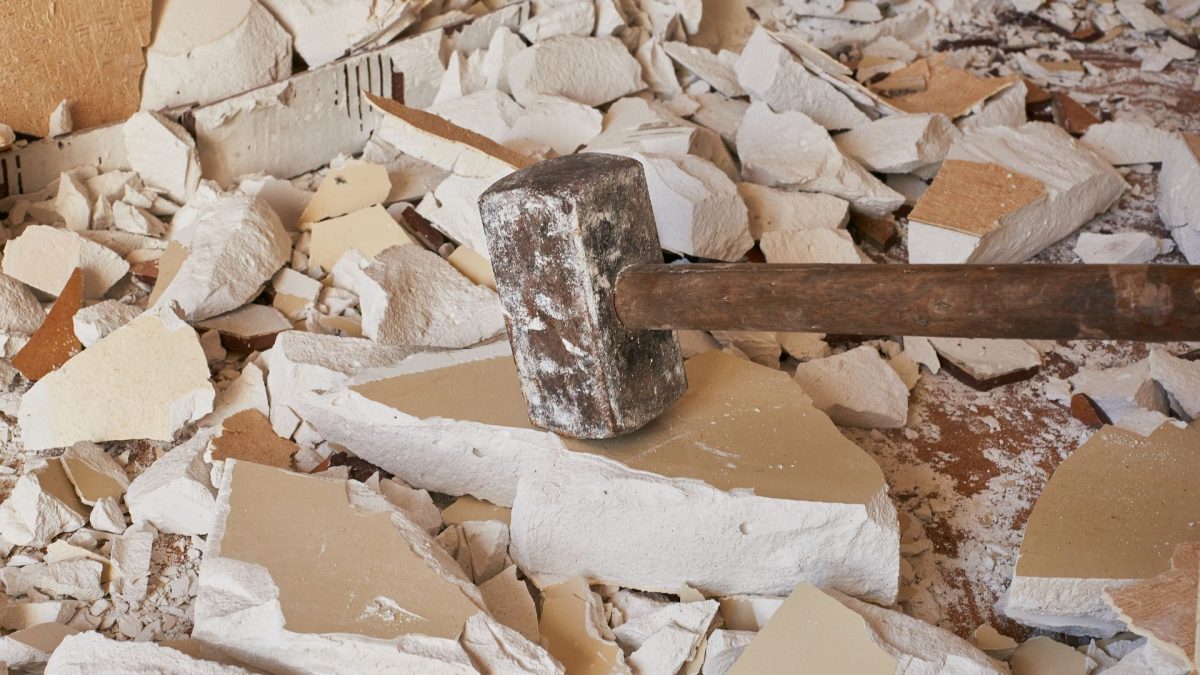
Construction debris varies widely, including materials such as concrete, wood, drywall, metals, and sometimes hazardous substances like asbestos or lead-based paints. Each material demands specific handling to prevent environmental contamination or safety risks. Properly identifying and categorizing these materials before removal is essential to ensure they are disposed of in a manner that meets legal and environmental standards. Mismanagement of debris can result in fines, delays, or even injury to workers and passersby. Safety protocols begin with understanding the debris’s composition and volume, which influences how it should be handled, transported, and ultimately discarded.
Establishing a debris management plan is crucial for any commercial project. By outlining the disposal pathways for various materials, businesses can ensure compliance with local regulations while also reducing the risk of accidents. Segregation of waste at the source helps in recycling or repurposing materials effectively, minimizing the environmental footprint. Proper labeling, containment, and the use of personal protective equipment are part of the foundational steps for safely managing construction debris, ensuring the process is both responsible and efficient.
Complying with Local Regulations
Construction debris disposal is governed by local, state, and federal regulations to safeguard public health and the environment. Non-compliance can result in substantial penalties, legal challenges, or forced project halts. Understanding zoning laws, landfill restrictions, and hazardous waste protocols is critical before commencing any cleanup. Businesses should familiarize themselves with requirements specific to their area, including permits, reporting obligations, and acceptable disposal sites. Local waste management authorities often provide guidelines or approved disposal partners to facilitate compliance and prevent environmental violations.
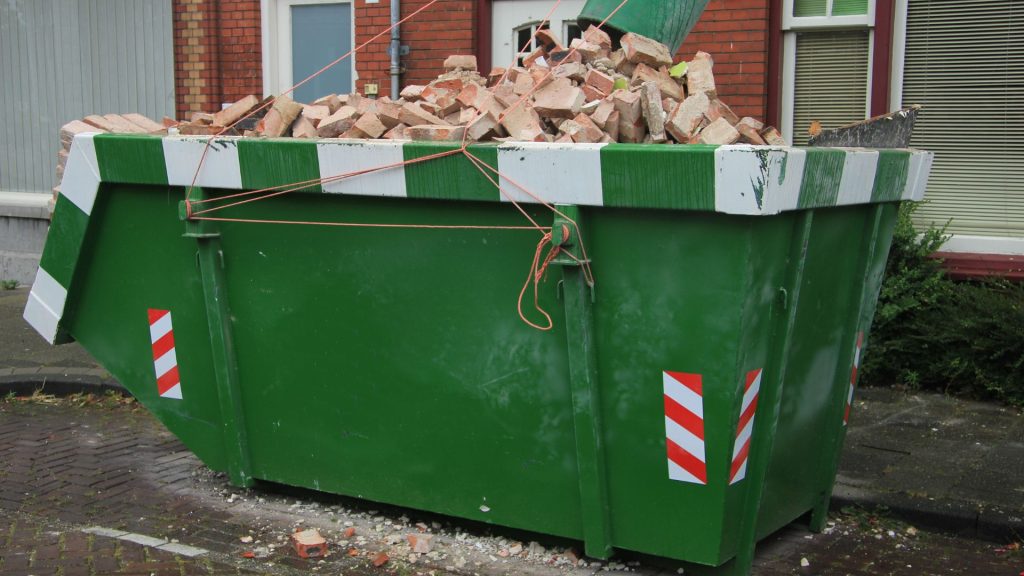
Adhering to these regulations also reflects a commitment to sustainable business practices. When commercial entities follow the proper channels for debris disposal, they not only protect themselves legally but also contribute to community health and safety. Implementing structured waste disposal plans, documenting material handling, and using licensed haulers ensures that commercial construction debris is managed responsibly. Moreover, awareness and training programs for staff involved in debris removal help maintain consistent compliance, avoiding potential hazards associated with improper handling of construction waste.
Segregating and Sorting Materials
Proper segregation of construction debris enhances safety, efficiency, and recycling potential. Sorting materials such as metals, wood, concrete, and drywall separately prevents contamination and facilitates appropriate disposal or recycling. Certain materials like metals and electronics can often be recycled or sold, whereas wood and concrete might be repurposed for other construction projects. Hazardous substances, however, must be isolated and handled by certified professionals to prevent environmental harm. Careful sorting reduces landfill waste, lowers disposal costs, and supports sustainable practices.
Effective sorting begins on-site, using clearly marked containers or areas for each type of debris. This prevents cross-contamination, simplifies transportation, and speeds up the disposal process. Workers must be trained to identify recyclable versus non-recyclable materials and to recognize potentially hazardous items. Implementing a sorting strategy not only makes debris disposal safer but also opens opportunities for businesses to recover materials, reducing project costs and environmental impact. Strategic planning and careful execution of segregation can transform a cluttered construction site into an organized and eco-conscious workspace.
Using Protective Equipment
The safe handling of construction debris requires the use of personal protective equipment to prevent injuries. Gloves, hard hats, safety glasses, steel-toed boots, and respiratory protection are standard essentials for workers exposed to sharp, heavy, or dusty materials. Even seemingly harmless debris like broken wood or metal scraps can cause serious injuries without proper protection. Ensuring that workers are adequately equipped and trained significantly reduces workplace accidents and fosters a culture of safety on the construction site.
Equipping workers with the correct protective gear is not merely a recommendation but often a legal requirement. Monitoring compliance and conducting regular safety briefings reinforce proper usage. Additionally, maintaining the equipment in good condition ensures maximum protection. Employers can further enhance safety by providing proper training on lifting techniques, debris handling, and hazard recognition. Integrating personal protective equipment into every phase of debris removal ensures that workers remain safe and that commercial construction sites maintain a high standard of occupational safety.
Employing Professional Junk Removal Services
Commercial construction debris often requires specialized equipment and expertise for safe removal. Partnering with professional junk removal services ensures materials are handled efficiently, transported securely, and disposed of following regulations. Professionals can assess the site, provide appropriate containers, and manage both recyclable and non-recyclable debris. Their experience reduces project delays and prevents injuries, making professional assistance a cost-effective and reliable option for businesses of all sizes.
Professional teams also help businesses maintain a clean and organized worksite. Debris is removed systematically, preventing clutter that can impede workflow or create hazards. Furthermore, reputable services prioritize eco-friendly practices, recycling or donating materials whenever possible. This approach aligns with sustainable construction goals, reducing landfill impact and promoting responsible waste management. By outsourcing debris disposal to experts, businesses gain peace of mind, save time, and ensure compliance with safety and environmental standards.
Managing Hazardous Materials
Hazardous construction debris such as asbestos, lead-based paints, and chemical containers requires special handling. Improper disposal can result in serious health risks, environmental contamination, and legal penalties. Identifying hazardous materials early in the project allows for careful planning, including the use of certified disposal contractors and containment measures that prevent exposure or leaks. Following government-mandated protocols ensures safe removal and protects both workers and the surrounding community.
Workers handling hazardous materials must receive specialized training, including hazard recognition, containment techniques, and emergency response procedures. Adequate labeling, secure packaging, and transport via licensed carriers are essential steps in ensuring compliance. Businesses benefit from detailed documentation of hazardous waste handling, providing legal protection and evidence of responsible management. Managing hazardous debris correctly minimizes risks, ensures safety, and upholds environmental standards while maintaining operational efficiency on the construction site.
Efficient Transportation and Hauling
Transporting construction debris safely requires proper planning and logistics. Using the correct vehicles, securing materials effectively, and adhering to weight limits prevents accidents and road hazards. Segregated and well-contained debris reduces spillage, protects drivers, and minimizes environmental impact. Choosing experienced hauling professionals ensures that debris reaches its destination—whether a landfill, recycling center, or donation facility—without incident, maintaining both safety and compliance.
Efficient hauling also optimizes project timelines, allowing construction teams to focus on core tasks rather than clutter management. Pre-planning routes, scheduling pick-ups, and coordinating with disposal facilities prevent delays and unnecessary costs. Proper loading techniques and weight distribution improve vehicle stability, reducing the risk of accidents. By prioritizing safety and efficiency during transportation, businesses ensure debris is handled responsibly from site to final destination, safeguarding workers, the community, and the environment.
Recycling and Repurposing Opportunities
Recycling construction debris conserves resources and reduces landfill waste. Materials like metals, wood, concrete, and drywall can often be repurposed for new projects, providing both environmental and financial benefits. Identifying materials suitable for recycling early in the project allows businesses to allocate space and logistics for collection, ensuring that valuable resources are not discarded unnecessarily. Recycling also aligns with corporate sustainability initiatives, enhancing reputation and compliance with eco-friendly practices.
Repurposing materials on-site or donating usable items to community projects can extend the lifecycle of construction resources. By collaborating with recycling facilities or donation centers, businesses minimize waste while contributing positively to the community. Additionally, recycled materials often reduce costs for future projects, creating a circular approach to construction management. Establishing a proactive strategy for recycling and repurposing promotes efficiency, cost-effectiveness, and environmental responsibility throughout the construction process.
Creating a Debris Management Plan
A comprehensive debris management plan outlines how each type of construction waste will be handled, transported, and disposed of. Planning ensures that debris removal is efficient, cost-effective, and compliant with regulations. By assigning responsibilities, establishing timelines, and identifying disposal routes, businesses minimize risks and prevent on-site hazards. A structured plan also allows for proactive decision-making, reducing the likelihood of unexpected costs or project delays.
Implementing a debris management plan fosters collaboration between construction teams, safety officers, and waste disposal partners. Regular monitoring, reporting, and adaptation of the plan ensure ongoing compliance and efficiency. Incorporating recycling strategies, hazardous material protocols, and safety measures ensures that debris management supports overall project goals. A clear, actionable plan transforms debris removal from a reactive task into a proactive component of construction operations, streamlining processes and enhancing site safety.
Ensuring Site Safety and Cleanliness
Maintaining a clean and safe construction site goes beyond compliance—it improves productivity and morale. Removing debris promptly reduces tripping hazards, prevents accidents, and ensures clear access for equipment and personnel. Regular cleanup schedules, monitored by site managers, create an organized environment that facilitates workflow, enhances safety, and maintains a professional image to clients and inspectors alike.
Attention to cleanliness also signals a commitment to responsible construction practices. Waste containers, designated disposal areas, and clear signage guide workers in proper debris handling. Routine inspections and safety audits reinforce best practices, preventing unsafe conditions from developing. By prioritizing site safety and cleanliness, construction projects achieve operational efficiency, protect worker welfare, and demonstrate environmental responsibility throughout the duration of the work.
Conclusion
Effectively managing commercial construction debris requires a thoughtful approach combining safety, compliance, and environmental responsibility. Businesses that invest in proper planning, protective equipment, professional hauling, and recycling strategies reduce risk, improve efficiency, and support sustainable practices. A comprehensive debris management plan ensures that all materials are identified, sorted, transported, and disposed of appropriately, safeguarding workers, the environment, and the community. By taking a proactive stance, companies can maintain smooth operations while minimizing their ecological footprint.
For businesses in Palatine, IL seeking professional assistance with commercial construction debris, 24-7 Junk Removal offers reliable and safe junk removal services. Their experienced teams ensure all debris is handled in compliance with local regulations and environmentally responsible methods. Contact 24-7 Junk Removal at (773) 309-6966 or visit their location at 611 W. Wise Schaumburg, IL 60193 for efficient and professional service. Their commitment to safety, sustainability, and customer satisfaction makes them a trusted partner for any commercial project.