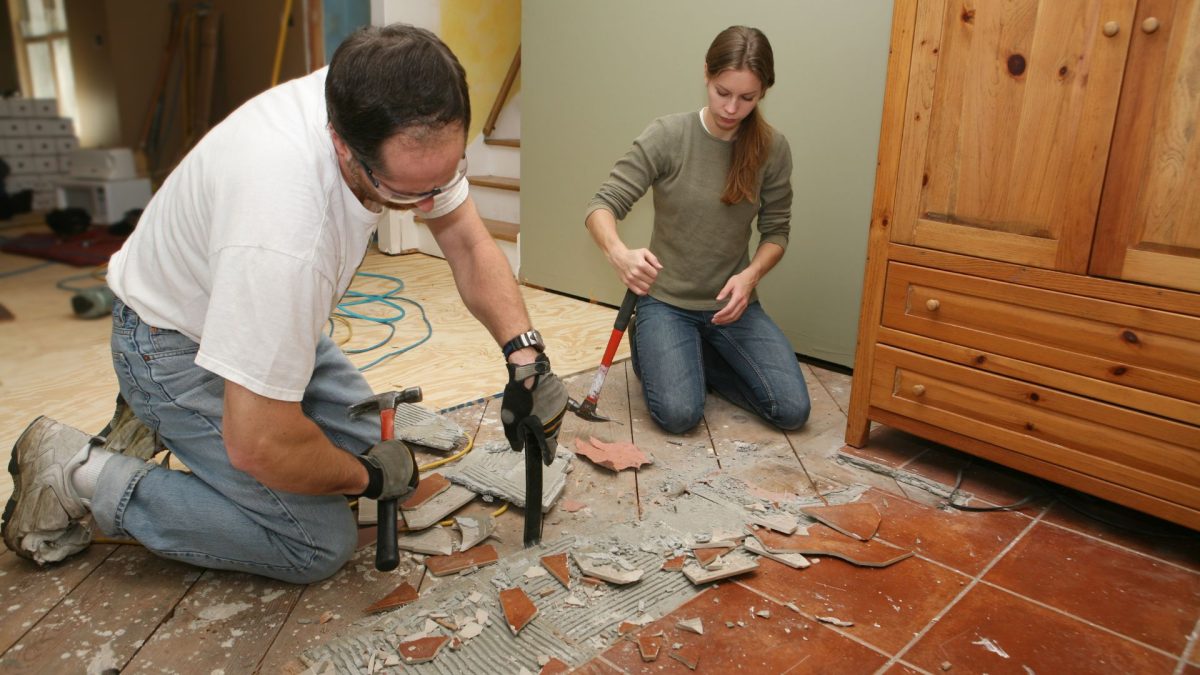
Flooring removal is not just a routine step in home renovation. It’s a crucial phase that sets the tone for the new installation and determines how successful your project will turn out. Beneath every floor lies a mix of adhesive layers, nails, subfloor material, and sometimes unexpected structural elements that can pose risks if handled carelessly. Safety becomes the anchor that holds the entire process together, from the first scrape of the flooring to the final sweep of debris. When done properly, this stage prevents damage to your home’s structure and protects those performing the work.
What many homeowners don’t realize is that improper removal can lead to more than just a messy workspace. It can cause hidden issues like uneven subfloors, exposure to mold, or even compromised air quality from old materials. Taking the time to understand the type of flooring you’re removing helps you plan the safest approach. Hardwood, tile, vinyl, or laminate each demand unique handling methods. A clear plan ensures not only safety but also efficiency—keeping the process smooth and the outcome flawless.
Preparing Your Space for Flooring Removal
Before swinging a hammer or lifting a crowbar, preparation is everything. A well-prepared space minimizes hazards and allows for an uninterrupted workflow. Begin by clearing all furniture, décor, and any movable items from the area. This step may sound simple, but it significantly reduces tripping risks and creates open access to every corner. Once the room is empty, focus on protecting adjacent spaces. Close off doors, seal vents, and cover nearby surfaces to prevent dust and debris from spreading throughout your home.
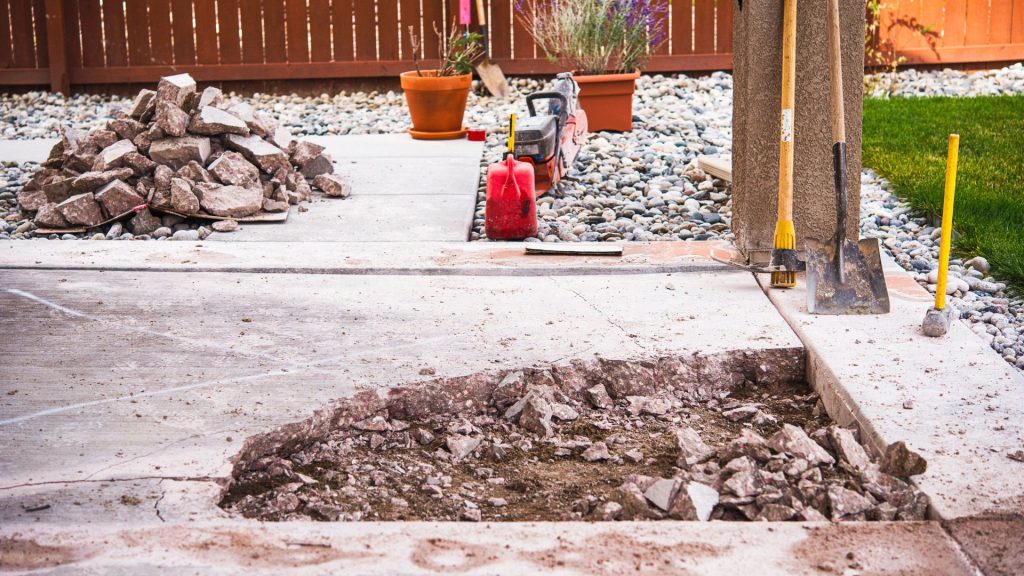
Equally important is checking what lies beneath and around your flooring. Identify electrical lines, plumbing routes, and heating systems if they run under the floor. This foresight can save you from costly accidents. You can also use plastic sheeting to separate the workspace from the rest of the house, keeping dust under control. A well-prepared environment isn’t just about convenience—it’s about safeguarding your home’s integrity while setting the stage for an efficient flooring removal process.
Choosing the Right Tools for the Job
Every flooring material demands a specific set of tools designed for safety and precision. Hardwood floors may require pry bars and mallets, while tiles often need chisels and scrapers to release their firm grip on the subfloor. For carpet removal, utility knives and pliers are indispensable. The right equipment not only makes the process smoother but also prevents unnecessary damage to the subfloor or surrounding areas. Using the wrong tool, on the other hand, can lead to more repairs and extra labor.
Aside from efficiency, safety tools play an equally important role. Protective gear—like gloves, eye protection, and dust masks—are non-negotiable essentials. Knee pads provide comfort when working on hands and knees for extended periods. Dust created from adhesives, grout, or old padding can linger in the air and irritate the respiratory system, making proper gear essential. Having the right tools within reach ensures you can work steadily without the constant interruption of searching for replacements or improvising with unsuitable alternatives.
Identifying Flooring Materials Before Removal
Not every flooring surface tells its story at a glance. Some may appear straightforward, but beneath that top layer lies complexity—hidden adhesives, underlayment materials, and potential hazards like asbestos or lead. Identifying what you’re dealing with before removal can save time and prevent danger. For instance, older vinyl or linoleum floors sometimes contain asbestos in the backing or adhesive layers. Handling these without professional testing and removal can pose severe health risks.
Understanding material composition also helps determine the right method of removal. Tiles require different tools and force compared to carpet or laminate. Moisture-resistant floors like engineered wood or rubberized surfaces often have tough adhesives that can damage subfloors if pulled too aggressively. Recognizing what’s underfoot ensures that you can adapt techniques accordingly, preserving the integrity of your flooring base and ensuring a safer, more efficient removal process from start to finish.
Handling Old Adhesives and Subfloor Conditions
Once the visible flooring is gone, the real work begins. Old adhesives are often stubborn and cling tightly to the subfloor, refusing to release without resistance. Scraping, heating, or using solvent-based removers can help loosen them safely. However, not all adhesives react the same way—some break down under heat, while others require careful chemical application. Rushing this step risks damaging the subfloor, which can create future problems during installation of new materials.
Subfloor conditions vary based on age, material, and moisture exposure. It’s vital to inspect for cracks, rot, or uneven areas once the flooring is removed. Addressing these early prevents costly rework later. For wooden subfloors, sanding down uneven edges and replacing compromised boards ensures stability. Concrete subfloors, on the other hand, may need patching compounds or leveling products. A clean, even, and stable base not only improves installation but also prolongs the life of your next flooring investment.
Managing Dust and Debris Safely
Flooring removal can unleash a surprising amount of dust, especially from older carpets, tiles, and adhesives. Without proper control, airborne particles can linger and settle on every surface in your home. Wearing a high-quality mask or respirator keeps you protected from harmful dust. Using a shop vacuum with a HEPA filter can trap fine particles efficiently. It’s also wise to keep windows open when weather permits, ensuring good ventilation throughout the workspace.
When debris starts to pile up, proper disposal becomes a top priority. Piling old materials in corners or leaving sharp fragments on the floor increases the risk of injury. Keep heavy-duty trash bags or disposal bins ready to collect waste as you go. It’s better to remove debris frequently rather than waiting until the end of the project. By maintaining a clean and organized workspace, you’ll minimize risks and make the entire removal process smoother and safer for everyone involved.
Staying Protected During the Entire Process
From start to finish, personal protection is the thread that keeps the entire flooring removal process safe. Every stage introduces new challenges—sharp edges, heavy lifting, flying debris—and being prepared means staying ahead of these risks. Wearing gloves shields your hands from splinters and sharp nails. Safety glasses protect your eyes from unexpected fragments, while proper footwear guards against punctures or slips on loose materials. Each item of safety gear plays a vital role in preventing injuries.
It’s equally important to stay mindful of fatigue. Working for long hours in awkward positions can strain your back and knees. Taking breaks, stretching, and keeping hydrated maintain your energy and prevent mishaps that happen when exhaustion sets in. Many accidents occur when individuals rush the final stages or underestimate the strain of manual labor. A steady pace, combined with proper protection, turns flooring removal from a risky task into a manageable and safe endeavor.
Dealing with Unexpected Challenges
Even the best plans encounter surprises during flooring removal. Hidden damage, moisture buildup, or previously unseen mold can quickly complicate the job. When faced with these issues, patience and adaptability become your best tools. Moisture damage can weaken the subfloor, requiring repair before new flooring can be installed. Mold growth, on the other hand, must be handled carefully with protective equipment and, if extensive, professional remediation.
Another common challenge comes from fasteners left behind—nails, screws, or staples that cling stubbornly to the subfloor. Removing them safely without gouging the base requires the right technique and tools. Sometimes, electrical or plumbing lines appear closer to the surface than expected. In these cases, it’s best to stop and reassess rather than force progress. Being prepared for these unpredictable moments ensures your project remains safe and efficient, no matter what’s uncovered along the way.
Disposing of Old Flooring Responsibly
Once the old flooring is removed, the question becomes what to do with the piles of discarded material. Tossing everything into a standard trash bin isn’t always the best approach, as different flooring types may have disposal restrictions. Carpets, tiles, and wood planks often need to be taken to specific recycling or disposal facilities. Separating recyclable materials from non-recyclable waste helps minimize environmental impact and ensures compliance with local waste regulations.
For large quantities of debris, arranging for a pickup service can save significant time and effort. These services handle heavy loads and know the proper disposal methods for each material type. Safe and responsible disposal also keeps your property clean and ready for the next stage of renovation. It reflects a commitment not only to maintaining safety during the removal process but also to taking care of the environment once the job is complete.
Knowing When to Call a Professional
While many homeowners enjoy tackling flooring removal as a do-it-yourself challenge, there are times when professional help becomes the smarter option. Floors that contain hazardous materials such as asbestos, complex adhesives, or structural concerns should never be handled without expert guidance. Professionals have access to specialized tools, advanced safety gear, and disposal methods that ensure both compliance and protection.
Even for standard flooring materials, the scale of the project can determine whether hiring help is worthwhile. Large spaces, heavy materials, or limited time can turn a simple task into an exhausting ordeal. Professionals bring efficiency, reducing risks and speeding up the process without compromising safety. Knowing when to hand the job over ensures not only a cleaner result but also peace of mind, knowing that every step is handled with precision and care.
Conclusion
Safely completing flooring removal is about far more than just tearing out old surfaces—it’s about protecting your space, your health, and your investment. Each stage demands patience, the right tools, and a respect for the materials beneath your feet. From preparation to cleanup, every detail contributes to the success of your renovation. Taking safety seriously turns what could be a chaotic process into one that flows smoothly, leaving your home ready for a fresh start.
If you’re planning a flooring removal project and want it handled with professionalism, precision, and care, reach out to 24-7 Junk Removal located in Palatine, IL. They specialize in efficient Junk Removal and home cleanup services that make even the toughest renovation tasks easier. Call (773) 309-6966 or visit them at 611 W. Wise Schaumburg, IL 60193. For more information or to request service, email support@24-7junk.com. Your next renovation begins with a clean foundation, and they’re the team that helps make that possible.