

Every item we discard carries a hidden environmental cost that extends far beyond our backyards. When junk is improperly disposed of, it often ends up in landfills where decomposition releases methane, a greenhouse gas far more potent than carbon dioxide. Even materials that seem harmless, such as plastics and electronics, contribute to soil and water contamination if they are not recycled or processed correctly. Understanding the full lifecycle of our junk is essential in recognizing how much impact our disposal habits have on the planet. Each piece of discarded material has traveled through energy-intensive production processes, consumed resources, and finally requires energy to break down.
Eco-friendly disposal methods focus on minimizing this environmental toll by redirecting materials from landfills to recycling centers or repurposing pathways. By choosing sustainable disposal strategies, individuals can reduce their carbon footprint while contributing to a circular economy. Awareness and intentional action are key. For instance, separating metals, plastics, and electronics ensures that recyclables are correctly processed, avoiding the unnecessary release of toxins and greenhouse gases. This approach is not just about compliance; it is about cultivating responsibility for the environment and leaving a tangible legacy of sustainability.
Prioritizing Reusable and Recyclable Items
The easiest step in reducing a junk pile’s carbon footprint is identifying items that can be reused or recycled. Many household objects that are often considered trash still have functional life or materials that can be reclaimed. For example, furniture, wooden planks, and certain plastics can be repurposed for projects or donated to community organizations. The energy saved by reusing an item instead of producing a new one is significant. Every reused product translates into fewer emissions and a smaller demand for raw resources, which cumulatively reduces your personal contribution to climate change.
Recycling extends this principle to materials that cannot be repurposed directly but still hold value in their composition. Metals, electronics, and paper can be broken down and reintroduced into manufacturing cycles, decreasing the reliance on virgin resources. Strategic separation of junk ensures that these materials are efficiently redirected, allowing for maximum energy recovery and minimal environmental strain. By embedding reuse and recycling into daily routines, households and businesses can actively diminish the ecological footprint of their waste streams, creating a measurable impact over time.
Choosing Eco-Friendly Junk Removal Services
Not all junk removal services operate with sustainability in mind. Many companies simply transport waste to local landfills, exacerbating environmental damage. Selecting an eco-conscious junk removal provider ensures that discarded items are evaluated for reuse, recycling, or proper disposal. A responsible service provider sorts junk at the point of collection, identifying materials that can be diverted from landfills. This process dramatically reduces the carbon footprint associated with waste management and transforms disposal into an environmentally constructive activity.
Eco-friendly junk removal services often collaborate with local recycling centers, donation facilities, and even artisans who repurpose materials for new products. Their operations emphasize transparency and accountability, allowing customers to feel confident that their discarded items are being handled responsibly. Beyond environmental benefits, these services streamline the decluttering process for homeowners and businesses alike, making it convenient to dispose of junk without compromising sustainability goals. Choosing the right partner in junk removal can turn what would otherwise be a source of ecological harm into an opportunity for positive impact.

Segregating Junk at the Source
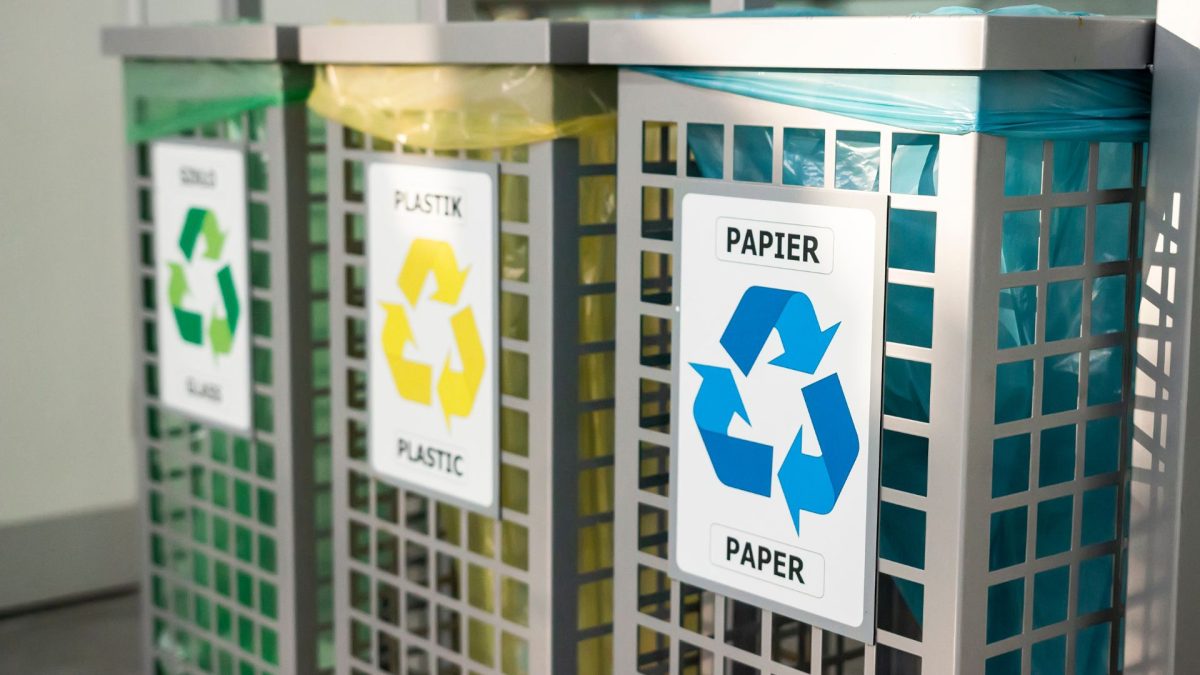
Proper segregation of junk at home or in a business environment is one of the most effective ways to ensure eco-friendly disposal. By sorting items into categories such as electronics, plastics, metals, and organic waste, individuals make it easier for recyclers and repurposers to handle materials efficiently. This step reduces contamination and increases the likelihood that items will be processed sustainably. Sorting at the source also encourages a mindful approach to consumption, as people become more aware of the life cycle of their belongings and the consequences of careless disposal.
In practice, segregating junk can be as simple as maintaining designated bins for different material types. Electronics, batteries, and appliances should be separated from general waste to prevent hazardous substances from entering landfills. Organic materials like food scraps or garden waste can be composted, creating nutrient-rich soil for gardens and reducing methane emissions. The effort invested in separation pays off environmentally by maximizing recycling potential and minimizing carbon output. Segregation empowers individuals to take direct action in reducing their contribution to environmental degradation, setting a model for responsible waste management.
Understanding the Carbon Footprint of E-Waste
Electronic waste poses a particularly significant challenge to the environment due to the toxic and energy-intensive nature of its components. Devices like computers, smartphones, and televisions contain metals such as lead, mercury, and cadmium, which can leach into the soil and water if improperly disposed of. Beyond toxicity, producing electronics consumes vast amounts of energy and natural resources. Recycling these items instead of discarding them in landfills mitigates their carbon footprint by reclaiming valuable materials and reducing the need for new extraction.
Eco-conscious handling of e-waste requires deliberate attention to disposal channels. Certified e-waste recyclers break down components safely, recover metals, and ensure harmful substances do not contaminate ecosystems. By contributing e-waste to proper disposal streams, consumers prevent emissions associated with decomposition and production cycles while promoting resource efficiency. This approach not only reduces the carbon footprint of discarded electronics but also fosters awareness about the broader implications of technological consumption, highlighting the intersection between convenience and sustainability.
Reducing Carbon Footprint Through Bulk Disposal
Large-scale junk removal presents opportunities to minimize environmental impact through consolidated disposal. Transporting multiple items at once reduces fuel consumption and associated emissions compared to multiple small trips. Planning junk removal efficiently and combining collections encourages a reduction in transportation-related carbon output, which is a major contributor to the ecological footprint of disposal. Strategically bundling items for removal is both practical and environmentally responsible, demonstrating that convenience and sustainability can coexist.
Bulk disposal also allows for more effective sorting and resource recovery. Large collections of metal, wood, or electronics are easier for recycling centers to process efficiently, increasing the likelihood that materials are diverted from landfills. Grouping items together reduces the operational footprint of junk removal services and enhances their ability to manage waste responsibly. By considering the broader logistics of disposal, individuals and businesses can contribute to a more sustainable cycle that maximizes resource efficiency and minimizes carbon emissions across the entire waste management chain.
Creative Ways to Repurpose Junk
Repurposing items is a highly effective way to reduce environmental impact while also engaging in creative problem-solving. Instead of sending old furniture, clothing, or containers to the landfill, households can transform them into functional or decorative items. Wooden crates can become storage units, glass jars can hold pantry goods, and textiles can be sewn into reusable bags or cleaning rags. Each repurposed item prevents further resource extraction and reduces the energy burden associated with manufacturing new products.
Repurposing also extends to community engagement and local initiatives. Donating usable items to schools, community centers, or local makerspaces can breathe new life into discarded materials while fostering social responsibility. These creative strategies not only extend the life cycle of items but also cultivate an eco-conscious mindset that prioritizes sustainability. By viewing junk as a resource rather than waste, individuals can contribute to a culture of innovation and environmental stewardship, turning what was once discarded into opportunities for both ecological and social benefit.
Leveraging Community Recycling Programs
Local recycling programs are a cornerstone of effective eco-friendly junk disposal. Many municipalities offer facilities for sorting metals, plastics, paper, and electronics, allowing residents to divert waste from landfills. Engaging with these programs helps ensure that discarded materials are processed responsibly and re-enter manufacturing streams as raw materials. Active participation supports the broader goal of carbon reduction, as the recycling process typically consumes less energy than producing goods from virgin resources.
Community recycling programs also serve an educational purpose. By following guidelines and participating regularly, residents gain a deeper understanding of sustainable practices and the importance of reducing their carbon footprint. Collaborating with neighbors and local organizations can amplify these efforts, creating a collective impact that extends beyond individual households. Accessing these programs effectively requires knowledge, planning, and a commitment to sustainability, but the benefits—both environmental and social—make it a critical strategy for reducing junk-related carbon emissions.
Avoiding Landfill Dependency
Landfills remain one of the most harmful endpoints for discarded materials. Decomposing waste emits methane and other harmful gases while occupying vast land areas that could otherwise support ecological functions. Reducing dependency on landfills is therefore crucial for minimizing the carbon footprint of junk disposal. Conscious choices about disposal, including recycling, donation, and repurposing, divert materials from these harmful environments, reducing emissions and promoting a more sustainable waste cycle.
Choosing alternatives to landfill disposal requires planning and commitment. Individuals and businesses can coordinate with recycling centers, donation networks, or eco-friendly junk removal services to ensure that items find a second life rather than contributing to landfill accumulation. Avoiding landfill dependency not only mitigates environmental harm but also encourages responsible consumption habits. By recognizing the consequences of landfill reliance, people are motivated to adopt strategies that preserve resources, reduce emissions, and create a cleaner, healthier ecosystem.
Tracking and Reducing Waste Over Time
Sustainable junk disposal is not a one-time effort but a continuous practice. Tracking the types and quantities of junk generated helps individuals and businesses understand their consumption patterns and identify opportunities for reduction. By maintaining awareness of what is thrown away and implementing strategies to minimize excess, it is possible to systematically lower the carbon footprint of waste over time. Documenting progress encourages accountability and highlights areas for improvement in both personal and operational habits.
Reducing waste is also about rethinking acquisition and consumption. Prioritizing durable, reusable, and recyclable products decreases the volume of items eventually destined for disposal. Coupled with eco-conscious junk removal and recycling, this approach closes the loop in responsible waste management. Through consistent effort and careful tracking, the environmental impact of junk can be minimized, creating a measurable reduction in carbon emissions while promoting a culture of long-term sustainability.
Conclusion
Reducing the carbon footprint of junk disposal requires a combination of thoughtful habits, sustainable strategies, and collaboration with responsible services. Each step, from segregating materials and repurposing items to choosing eco-conscious disposal services, contributes to lowering environmental impact. Mindful disposal not only prevents harmful emissions but also fosters a culture of sustainability, encouraging others to adopt similar practices. By integrating these approaches into daily life, individuals and businesses can create meaningful change, ensuring that waste becomes a resource rather than a burden on the planet.
For those seeking professional assistance in eco-friendly disposal, 24-7 Junk Removal in Palatine, IL offers reliable and sustainable junk removal solutions. Their team prioritizes recycling, donation, and proper processing of all materials, helping clients minimize their environmental footprint. Residents and businesses can contact 24-7 Junk Removal at (773) 309-6966 to schedule a pickup or consultation. Their commitment to responsible waste management ensures that every discarded item is handled with care, promoting both sustainability and community well-being. With expert guidance and practical solutions, reducing the carbon impact of junk has never been more accessible.