


When it comes to furniture removal, proper planning can significantly reduce stress and prevent last-minute chaos. Begin by assessing the pieces you intend to remove and determining their size, weight, and the effort required. This allows you to visualize the process and anticipate potential challenges, such as narrow doorways, steep stairs, or tight corners. Creating a rough timeline and breaking down the tasks into smaller steps can also help you feel more in control. Instead of rushing the removal, you can approach it systematically, which lowers anxiety and keeps your mind focused on the practicalities rather than the overwhelming nature of the task.
In addition to assessing the furniture itself, consider the surrounding environment. Clear pathways and remove obstacles to ensure that the movement of furniture is safe and efficient. This prevents injuries and accidental damage to your home or the furniture itself. Communicating the plan to anyone helping you, whether friends, family, or hired professionals, ensures everyone knows their role. By organizing your space and your team ahead of time, you can transform a potentially stressful experience into a manageable project, giving you a sense of accomplishment once everything is removed smoothly.
Choosing the Right Removal Method
Selecting an appropriate removal method is essential to reducing tension during furniture removal. Different types of furniture and home layouts may require unique approaches, such as disassembling larger pieces, using dollies or carts, or enlisting the help of professional services. By identifying the best method for each item, you can save time and avoid the frustration that often comes with heavy lifting or navigating awkward spaces. Understanding the tools and techniques required in advance ensures that the process remains organized and controlled, which ultimately keeps stress levels low.
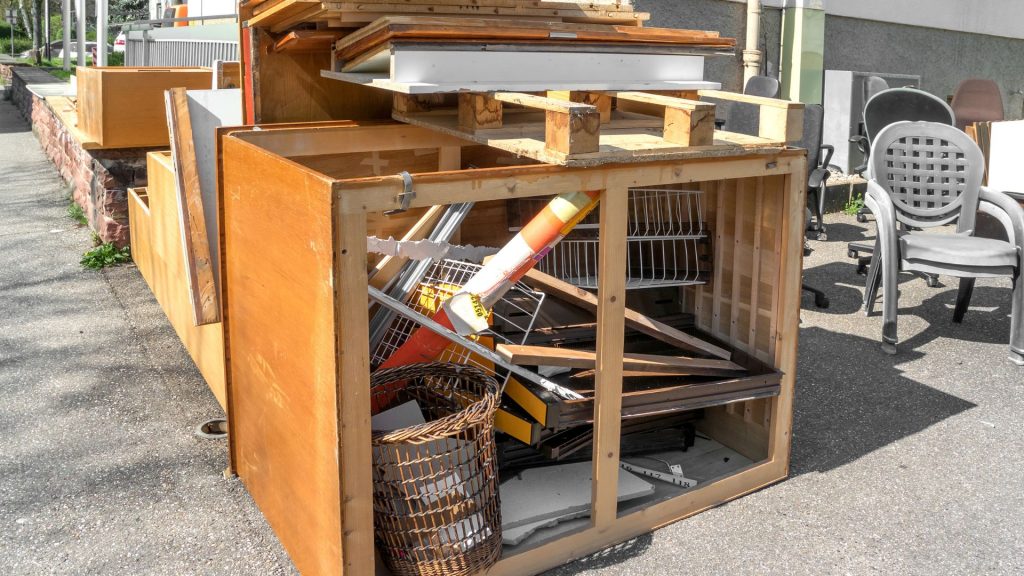
It is equally important to evaluate your own physical capabilities when choosing a removal method. Overestimating your strength or underestimating the difficulty can result in fatigue, strain, or injury, amplifying stress unnecessarily. If a piece of furniture is too heavy or bulky, requesting professional assistance or renting equipment can be the safer and less stressful option. Careful method selection also helps maintain a smoother workflow, preventing delays and allowing you to focus on the task at hand with confidence and clarity.
Decluttering Before the Removal
Decluttering your space before removing furniture can dramatically simplify the process and ease your mind. Often, the stress associated with furniture removal stems from the accumulation of unnecessary items around or inside furniture, creating clutter and obstacles. By sorting through belongings and deciding what to keep, donate, or discard, you not only lighten the load but also create a more organized environment that makes removal easier. This preemptive step allows you to approach the removal with clarity and a sense of readiness.
Decluttering also has psychological benefits. A tidy, organized space reduces the mental strain that comes from navigating a crowded area while attempting to move large pieces. Knowing that your surroundings are prepared allows you to focus on the physical act of furniture removal rather than dealing with distractions or unexpected obstacles. Taking the time to declutter before the removal day also gives you a chance to emotionally detach from items you no longer need, which can make the entire process feel less chaotic and more controlled.
Enlisting Assistance for a Stress-Free Experience
Enlisting help from friends, family, or professionals can transform a strenuous furniture removal into a manageable and even collaborative task. Attempting to handle heavy pieces alone not only increases the risk of injury but also adds pressure and anxiety. By distributing the workload, you reduce personal strain and can focus on coordinating and guiding the removal instead of struggling physically with each item. This shared effort encourages efficiency and makes the process feel less overwhelming.
Professional assistance often brings tools, equipment, and expertise that you may not have readily available. Movers or junk removal specialists know the best techniques for lifting, maneuvering, and transporting bulky furniture safely, which minimizes the likelihood of damage or accidents. Having trusted support can also provide reassurance and peace of mind, allowing you to stay calm and focused. Knowing that experienced hands are on the job transforms the removal process from a stressful ordeal into a structured, safe, and achievable task.
Timing the Removal for Convenience
Choosing an optimal time for furniture removal can significantly reduce tension and enhance efficiency. Early mornings or weekends are often ideal, as they allow for ample daylight and uninterrupted attention. Planning a specific day and timeframe prevents the anxiety of last-minute decisions or rushing through the process. By setting aside enough time, you can handle unforeseen delays without feeling pressured, keeping stress levels lower.
Consider other external factors when timing your removal, such as traffic conditions if transporting furniture offsite or coordinating with any additional services, like disposal or recycling facilities. By anticipating these details, you maintain control over the schedule and ensure the process runs smoothly. A well-timed removal allows you to pace yourself, take short breaks, and address challenges calmly rather than reacting under stress. Proper timing also contributes to a sense of preparedness, making the task feel more structured and manageable.
Preparing the Space for Safe Movement
Creating a safe environment for furniture removal is essential to minimize stress and prevent accidents. Before starting, ensure pathways are clear of obstacles, cords, rugs, or small objects that could cause trips or falls. By arranging the area for unobstructed movement, you can focus on lifting and transporting furniture efficiently without constantly worrying about hazards. This proactive approach keeps both you and anyone assisting you safe and reduces the likelihood of injury.
Additionally, consider protective measures for walls, door frames, and floors. Using blankets, pads, or other cushioning materials prevents damage during the moving process, which reduces the emotional stress of potential repair work afterward. Being mindful of space and safety not only ensures a smoother removal but also contributes to a calmer atmosphere. With the environment prepared, you can focus entirely on the task, confident that the risk of accidents or damage is minimized.
Using Proper Lifting Techniques
Employing correct lifting techniques is crucial for both safety and reducing stress during furniture removal. Heavy or awkward pieces can strain muscles and joints if lifted incorrectly, creating physical discomfort and emotional tension. Bending at the knees, keeping the back straight, and using leg strength rather than relying solely on your arms can prevent injury and make lifting less daunting. Practicing these techniques with smaller items first can build confidence before tackling larger pieces.
When multiple people are involved, coordinated lifting ensures that weight is distributed evenly and movements are synchronized. Clear communication during lifts reduces misunderstandings and prevents sudden shifts that might cause accidents. By prioritizing proper technique, you not only protect your body but also maintain a sense of control and confidence, which is essential for reducing the stress often associated with heavy and cumbersome furniture.
Staying Hydrated and Taking Breaks
Physical exertion during furniture removal can quickly lead to fatigue, making the process more stressful than necessary. Regularly taking short breaks allows your muscles to recover and provides a mental pause, reducing the pressure of continuous effort. During these breaks, drinking water or a light snack replenishes energy levels and keeps you focused on the task ahead. Overlooking these simple measures can cause exhaustion and irritability, making the removal process feel more overwhelming than it needs to be.
Breaks also offer a chance to reassess your progress and adjust your approach if needed. Pausing to step back and review the layout, tools, or methods can prevent mistakes and save time in the long run. By incorporating rest periods, you create a rhythm that balances exertion with recovery, keeping both stress and physical strain manageable. This approach ensures that furniture removal remains a structured and controlled activity rather than a relentless and exhausting challenge.
Managing Emotional Attachments to Furniture
Furniture often carries sentimental value, making removal emotionally challenging. Accepting these feelings rather than suppressing them can reduce stress and provide a sense of closure. Acknowledging memories associated with each piece helps you make thoughtful decisions about whether to keep, donate, or discard items, rather than rushing through the process in a state of emotional tension. This conscious approach brings clarity and can prevent regret or frustration later on.
To make the removal process smoother, consider taking photos of cherished pieces before they leave your home. This preserves memories without retaining items that no longer serve a practical purpose. Emotional preparation allows you to approach the physical act of removal more calmly, knowing you have honored the sentimental significance of your belongings. Balancing practical steps with emotional awareness ensures that furniture removal is less stressful and more deliberate.
Organizing Post-Removal Cleanup
After furniture has been removed, the cleanup stage plays a critical role in reducing lingering stress. Dusting, sweeping, and checking the space for leftover debris ensures that the area feels complete and organized. Completing this final step brings a sense of accomplishment and allows you to fully transition from the removal process to enjoying a decluttered, open space. Ignoring post-removal cleanup can leave a sense of incompleteness, which prolongs the emotional and mental stress of the project.
Post-removal organization also provides a fresh start for future home arrangements. By systematically tidying and arranging the space, you can envision new layouts, storage solutions, or décor options. This proactive approach transforms what might be an exhausting finale into a rewarding experience. Taking the time to finalize the environment after removal ensures that stress is minimized and satisfaction with the process is maximized, leaving the area ready for its next purpose.
Conclusion
Reducing stress during furniture removal requires thoughtful planning, preparation, and attention to both physical and emotional needs. By organizing the space, selecting appropriate removal methods, and enlisting help when necessary, the process can be managed efficiently and safely. Incorporating breaks, proper lifting techniques, and emotional preparation ensures a smoother experience that minimizes frustration and fatigue. Careful timing and post-removal cleanup also play a vital role in completing the project with confidence and clarity.
For homeowners in Palatine, IL looking for professional assistance, 24-7 Junk Removal offers reliable services that take the burden off your shoulders. With expertise in handling furniture and other items, their team ensures a safe and efficient process. You can contact them at (773) 309-6966 or visit their location at 611 W. Wise Schaumburg, IL 60193 for a comprehensive junk removal experience. By trusting professionals, you can reduce stress, protect your home, and enjoy a clean, organized space without the worry of heavy lifting or logistical challenges.