

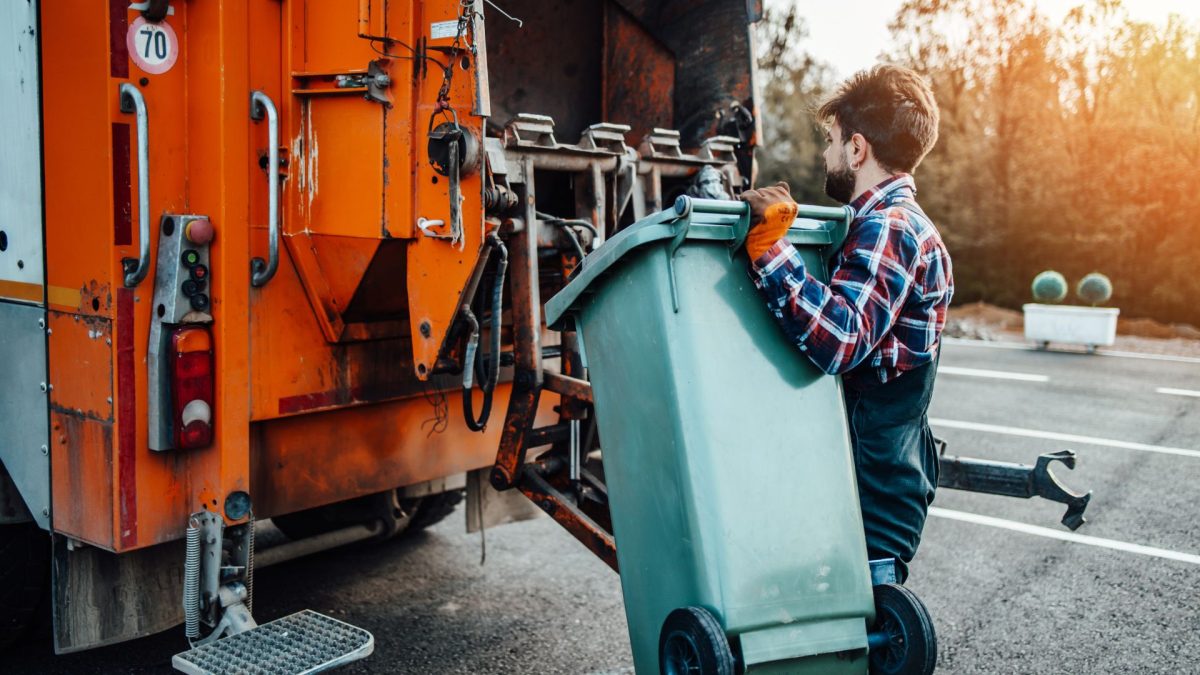
Before a junk removal team arrives, ensuring clear and accessible pathways throughout your home is crucial. This includes hallways, staircases, doorways, and outdoor walkways. Cluttered or obstructed routes can slow down the removal process, making it more time-consuming and possibly increasing the risk of accidents. Take time to move smaller items, furniture, and personal belongings out of the way so that the team can efficiently access all areas that need attention. Consider temporary storage solutions or simply relocating items to another room to provide a clear and safe environment.
Paying attention to outdoor pathways is equally important. Ensure that your driveway, garage entrance, and side paths are unobstructed and easy to navigate. Loose rugs, garden tools, or seasonal decor can create tripping hazards or slow down the work. By organizing and decluttering pathways, you enable the junk removal team to focus entirely on removing unwanted items, making the process smoother and quicker. A well-prepared environment can also help reduce the likelihood of damage to your home and the junk itself.
Sort and Organize Items
Sorting through your belongings before a junk removal session is essential for efficiency. Begin by identifying which items are to be removed and which ones you plan to keep. Separating items into categories such as donations, recyclables, and true waste can streamline the process for both you and the removal team. It allows them to handle items more efficiently and ensures that anything valuable or sentimental is not accidentally taken. Taking the time to sort items in advance can save time, effort, and frustration on the day of removal.
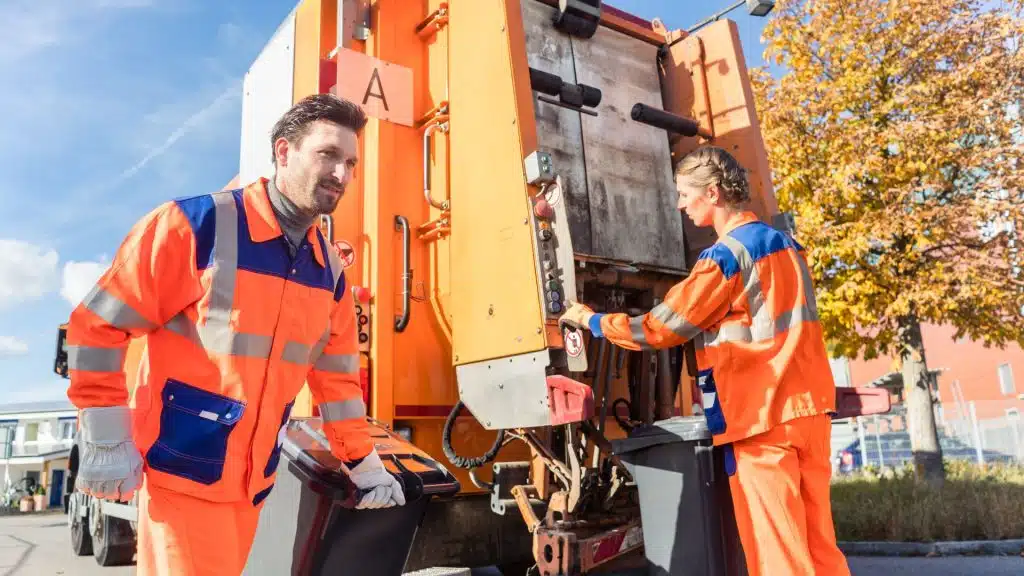
Organizing items also provides a visual understanding of the volume and types of junk in your home. By having clear piles or labeled areas, the junk removal team can quickly determine the best method of removal for different materials. For example, large furniture pieces may require disassembly while electronics may need special handling. Organized preparation not only speeds up the process but also ensures that hazardous materials are safely managed. This thoughtful approach helps maintain a smoother workflow and a safer experience for everyone involved.
Protect Your Flooring and Walls
One of the often-overlooked aspects of preparing your home for junk removal is safeguarding floors and walls. Heavy or awkwardly shaped items can easily scratch wood, chip tile, or dent drywall during transit. Protecting surfaces with blankets, cardboard, or padded coverings is a simple precaution that can prevent costly repairs and maintain the integrity of your home. Even high-traffic areas like doorways and staircases benefit from temporary coverings during removal.
In addition to floors, walls and trim are susceptible to damage when moving bulky items. Wrapping items in protective padding and being mindful of tight corners can minimize scratches and scuffs. Taking preventive measures may seem minor, but it significantly reduces stress and ensures a professional removal experience. A little preparation in this area demonstrates foresight, allowing both homeowners and junk removal specialists to complete the task efficiently while preserving the aesthetics of your home.
Identify Hazardous Materials
Before scheduling junk removal, identify any potentially hazardous items in your home. Hazardous materials can include chemicals, paints, batteries, and electronics that require specialized handling. Failing to separate these items from standard junk can create safety risks for both the removal team and yourself. Properly packaging and labeling hazardous materials is essential, as many junk removal companies have specific protocols for handling and disposing of these items.
Being proactive in this step can prevent delays or refusal of certain items during the removal process. For example, improperly stored paint cans may leak or electronics with batteries may pose fire hazards. Research local disposal regulations for hazardous items and, if necessary, contact specialized recycling centers. By taking responsibility for hazardous materials beforehand, you ensure that the removal process proceeds safely, smoothly, and in compliance with environmental standards.
Disassemble Large Furniture
Large furniture pieces can be cumbersome during removal and may not fit through doorways or narrow hallways in their assembled state. Disassembling items like beds, tables, and shelving units before the junk removal team arrives can save significant time and reduce the risk of damage. Keep screws, bolts, and small components in labeled bags to make reassembly or proper disposal easier.
Breaking down furniture also makes transportation more efficient. Smaller pieces are easier to maneuver, stack, and fit into trucks or dumpsters. Disassembly reduces the physical strain on both the removal team and your household, promoting a safer and faster process. Even items like sectional couches or wardrobes can benefit from careful dismantling. By preparing large items in advance, you ensure that the junk removal experience is as efficient and stress-free as possible.
Clear Outdoor Areas
Your yard, garage, and other outdoor spaces often accumulate junk over time. Ensuring these areas are accessible and organized before a removal session is critical. Move any garden tools, seasonal decorations, or personal items that are unrelated to the junk to a safe location. This allows the removal team to access the targeted items without obstruction and reduces the risk of accidental damage.
Outdoor spaces may also include heavy or bulky objects such as sheds, patio furniture, or old appliances. Creating a clear path and designating areas for easy pickup can speed up the removal process. It is also helpful to consider terrain factors such as steps, slopes, or soft ground, as these can impact maneuverability. By preparing your outdoor spaces, you help the removal team work efficiently while maintaining safety for everyone involved.
Communicate Special Instructions
Effective communication is key to a successful junk removal experience. If there are items that require special handling, delicate furniture, or areas with limited access, make sure to communicate these details to the team ahead of time. Providing clear instructions can prevent misunderstandings and ensures that your expectations are met during the removal process.
Sharing information about restricted areas, fragile items, or preferred disposal methods allows the team to plan their approach accordingly. This preparation also helps reduce delays and enhances the overall efficiency of the service. Whether you have specific items that need careful treatment or unique logistical challenges, conveying these details ensures the removal process is smooth and tailored to your home’s needs.
Plan for Donations
Many items that you no longer need may still have value for others. Identifying items suitable for donation before junk removal can make the process more organized and purposeful. Setting aside clothes, furniture, and electronics for donation not only reduces waste but also supports your community. Pre-sorting items for donation allows the junk removal team to separate them from trash, facilitating an efficient and environmentally responsible process.
By planning for donations, you also reduce the volume of junk that needs to be transported to landfills. Donation preparation may include cleaning items, packing them securely, and identifying the appropriate drop-off locations or programs. Taking this step demonstrates foresight and responsibility, ensuring that your unwanted belongings have a positive impact even after leaving your home.
Arrange Parking and Accessibility
Junk removal trucks are often large and require convenient access for loading and unloading. Planning for adequate parking space near your home ensures the process is not delayed or complicated. If your street has parking restrictions or limited space, make arrangements ahead of time to avoid disruptions on the day of removal.
Accessibility goes beyond parking; consider the path from the curb or driveway to the items being removed. Remove obstacles, trim overgrown shrubs, and ensure gates or entryways are unlocked. Clear signage or guidance can also help the team locate designated junk areas quickly. Thoughtful planning in this area significantly improves efficiency, reduces physical strain, and allows the removal team to complete their work seamlessly.
Prepare Personal Items
During junk removal, it is important to safeguard your personal belongings. Remove any items that are valuable, fragile, or sentimental from areas targeted for removal. This includes documents, photographs, keepsakes, and electronics that you want to keep. Protecting personal items ensures that nothing important is accidentally discarded and reduces stress during the process.
Additionally, storing personal items away from high-traffic removal areas helps the team work without distractions or interruptions. Use boxes or temporary storage to organize your belongings, keeping them clearly separated from junk items. Being proactive in preparing personal items creates a safer, more organized environment and allows the junk removal process to proceed smoothly while giving you peace of mind.
Schedule and Confirm Timing
Proper scheduling is essential to a successful junk removal experience. Coordinate with the removal service to set a date and time that works for both parties. Confirming the schedule ahead of time prevents misunderstandings and ensures that the team arrives ready to work efficiently. Being punctual and prepared on the day of removal contributes to a smoother process and reduces the likelihood of delays.
Confirmation also provides an opportunity to review any special instructions or last-minute changes. By communicating expectations, item specifics, and accessibility details beforehand, you create a collaborative and well-organized removal experience. Planning and confirming timing shows consideration for both your household and the professional team, ultimately resulting in a faster and more effective junk removal session.
Conclusion
Preparing your home for junk removal is a multifaceted process that requires planning, organization, and attention to detail. From clearing pathways and sorting items to protecting surfaces and identifying hazardous materials, each step contributes to a smoother, safer, and more efficient removal experience. By taking the time to prepare your home, you ensure that the process is stress-free, minimizes the risk of damage, and maximizes the efficiency of the junk removal team. Thoughtful preparation also allows you to manage donations, safeguard personal belongings, and communicate special instructions effectively, creating a well-orchestrated removal day.
When you are ready to schedule junk removal, 24-7 Junk Removal in Palatine, IL offers professional, reliable services to assist with the entire process. Their team is experienced in handling a variety of items safely and efficiently, ensuring that your home is cleared with care. To get started, contact them at (773) 309-6966 or visit their location at 611 W. Wise Schaumburg, IL 60193. Their support team is also available via email at support@24-7junk.com to answer any questions or provide additional guidance. With their expertise and your preparation, your home will be transformed quickly and effectively.