

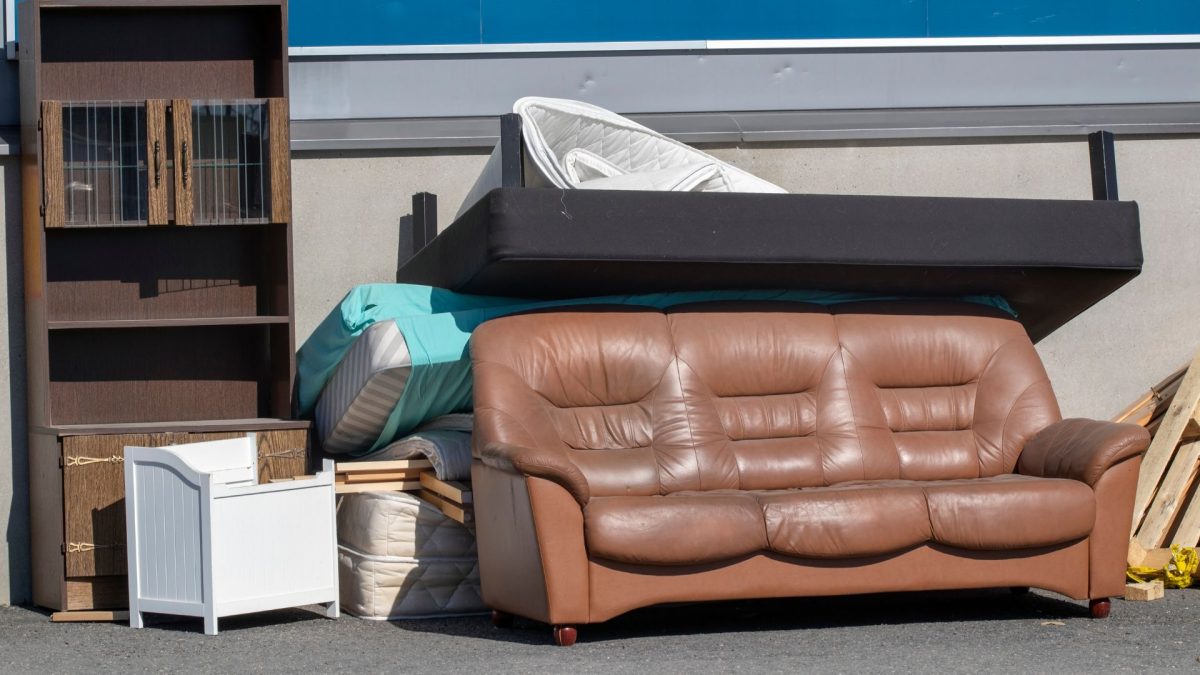
Old and unused office equipment often accumulates quietly, yet its presence can silently affect efficiency and workspace organization. From outdated computers to worn-out chairs and desks, recognizing which items have outlived their usefulness is the first step toward a more productive office environment. Equipment that no longer functions optimally can cause delays, frustration, and even safety risks, particularly in busy office settings. Evaluating each item for its operational reliability, energy efficiency, and compatibility with current technologies allows businesses to prioritize which pieces require removal or replacement first. Observing employees’ daily interactions with the equipment can also highlight hidden inefficiencies that may not be immediately apparent.
Regularly auditing office equipment creates a proactive strategy that minimizes unnecessary clutter. By keeping track of purchase dates, maintenance histories, and usage patterns, offices can plan replacements in a timely, budget-conscious manner. This method ensures that outdated items don’t linger, occupying valuable space and resources. Additionally, understanding which equipment is redundant or underutilized can inform smarter purchasing decisions, preventing repeated waste accumulation. Overall, a systematic approach to identifying aging office equipment sets the stage for a smoother, more organized transition toward a cleaner, more functional workspace.
Safe Methods for Disposing of Electronics
Proper disposal of outdated electronic equipment is crucial, as devices like computers, printers, and monitors contain materials that can be harmful to the environment if handled incorrectly. Disposing of these items through regular trash services is not only unsafe but may also violate local regulations. Utilizing certified e-waste disposal methods ensures that hazardous components such as lead, mercury, and cadmium are handled responsibly. Offices can work with specialized services to schedule pickups, ensuring devices are transported safely to recycling or refurbishing facilities. This approach protects both employees and the surrounding environment from unnecessary exposure to toxic substances.
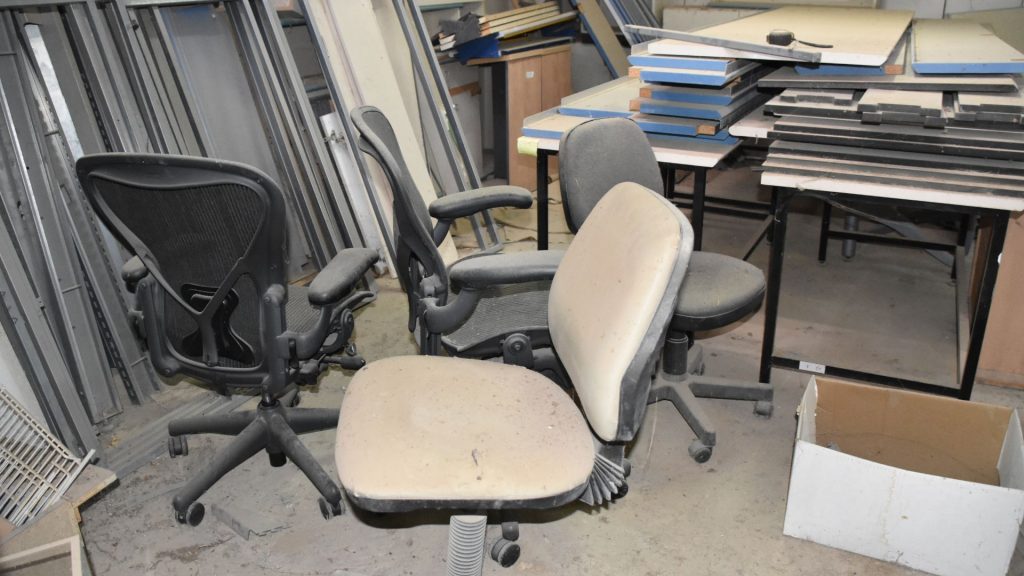
Another effective practice involves securely erasing all data from electronic devices before disposal. This step is critical to maintaining confidentiality and protecting sensitive company information. Using certified data destruction software or professional wiping services guarantees that files cannot be recovered, mitigating the risk of identity theft or data breaches. Once data is securely removed, equipment can be recycled, repurposed, or donated if still functional. By combining safe disposal methods with data security practices, businesses can responsibly manage their electronic waste while contributing to a sustainable office culture.
Evaluating Furniture for Reuse or Donation
Office furniture can take up substantial space, and outdated pieces often clutter the workspace without adding value. Assessing which items can be reused, donated, or recycled helps reduce unnecessary waste and promotes a more organized environment. Desks, chairs, filing cabinets, and shelves that remain in good condition can be donated to nonprofits, schools, or community centers, extending their lifecycle and supporting social causes. Even partially worn furniture may be refurbished by local professionals, transforming it into functional assets without generating additional waste.
Maintaining an inventory of existing office furniture allows decision-makers to identify pieces suitable for reuse. Items that no longer meet ergonomic standards or visual appeal can be selectively removed while retaining those that still serve their purpose. By prioritizing donation and resale over disposal, businesses can contribute to a circular economy where resources are continuously utilized instead of wasted. Not only does this approach free up office space, but it also fosters a socially responsible image that reflects positively on the company.
Organizing Storage Spaces for Efficiency
Cluttered storage areas often conceal outdated office equipment, making it difficult to track what is still functional and what needs disposal. Implementing a structured organization system can transform storage rooms into efficient, accessible spaces. Grouping items by category, labeling clearly, and maintaining an up-to-date inventory helps staff locate equipment quickly while identifying obsolete items that should be removed. This organizational approach prevents duplication of unnecessary purchases and ensures that storage space is used effectively.
In addition, creating dedicated zones for incoming, outgoing, and surplus equipment streamlines workflow and minimizes confusion. Items awaiting repair or refurbishment can occupy one section, while equipment slated for donation or disposal is separated accordingly. This method allows staff to process office equipment systematically and prevents clutter from re-accumulating over time. Consistent review and reorganization of storage areas ensure that only necessary, usable items remain on-site, maintaining a clean and efficient environment that supports overall productivity.
Repairing and Repurposing Usable Equipment
Not all outdated office equipment needs immediate disposal. Many items can be repaired or repurposed to extend their functionality. Electronics such as printers, scanners, and computers often have replaceable parts that restore performance, while furniture may benefit from minor repairs or cosmetic updates. Repurposing equipment internally, like converting old desks into workstations for storage or collaborative areas, can reduce costs and prevent premature waste.
Engaging employees in repurposing initiatives encourages creativity and resourcefulness within the office. For instance, outdated filing cabinets can become storage for office supplies or art projects, and surplus chairs can be used for temporary seating during meetings or events. Such strategies not only maximize the utility of existing resources but also instill a culture of sustainability and responsibility. By exploring repair and repurposing opportunities before discarding items, businesses can achieve both financial and environmental benefits.
Partnering with Professional Removal Services
Hiring professional removal services simplifies the process of clearing out old office equipment. Expert teams have the tools, knowledge, and experience to safely handle bulky or hazardous items, reducing the risk of injury and property damage. These services also ensure that disposal complies with local regulations, which is especially important for electronics and large furniture pieces. By delegating removal tasks to trained professionals, offices can focus on core operations while ensuring that equipment is efficiently and responsibly cleared.
Professional services often offer environmentally friendly solutions, such as recycling or donating items instead of sending them directly to landfills. This approach aligns with sustainable business practices and minimizes the ecological impact of office equipment disposal. Furthermore, reputable removal companies streamline logistics, providing upfront estimates, scheduled pickups, and flexible service options that accommodate busy office schedules. Collaborating with experts ensures a smoother, safer, and more organized transition when clearing out old or unused office equipment.
Prioritizing Environmentally Responsible Disposal
Environmental responsibility should be a guiding principle when handling old office equipment. Proper recycling, donation, and refurbishment prevent harmful materials from contaminating landfills and conserve valuable resources. Offices can partner with certified recycling centers to ensure that plastics, metals, and electronic components are processed correctly. Items in usable condition can be donated to charities, community centers, or schools, extending their lifecycle and benefiting others.
Incorporating green disposal practices also enhances a company’s reputation and supports corporate social responsibility goals. Employees and clients alike respond positively to businesses that demonstrate environmental awareness. By embedding sustainability into the equipment disposal strategy, offices not only mitigate their ecological footprint but also create a culture that values conservation and thoughtful resource management. The long-term advantages include reduced waste costs, compliance with regulations, and stronger community relations.
Developing a System for Regular Equipment Review
Establishing a routine for evaluating office equipment prevents unnecessary accumulation of outdated items. Periodic audits, conducted quarterly or biannually, provide opportunities to assess operational effectiveness, durability, and relevance. These reviews allow management to identify equipment that should be repaired, replaced, or removed, maintaining a balance between functionality and efficiency. Regular assessments also provide insight into purchasing patterns, helping businesses make informed decisions when acquiring new equipment.
Creating a formal review system encourages proactive management rather than reactive cleanup. Documentation of equipment condition, usage frequency, and maintenance needs supports informed decision-making and reduces impulsive disposal. Furthermore, staff engagement in review processes fosters awareness and accountability, ensuring that office equipment is managed responsibly. This structured approach minimizes clutter, extends equipment lifespan, and supports the overall productivity and organization of the workplace.
Creating an Inventory Management System
Maintaining a detailed inventory of office equipment enhances organization and accountability. Each item, whether electronic or furniture, should be cataloged with information such as purchase date, condition, maintenance history, and assigned location. This comprehensive tracking system simplifies the identification of outdated or underused items and helps in planning disposal, donation, or repurposing initiatives. With proper records, offices can monitor equipment lifecycle and make strategic purchasing decisions.
An effective inventory system also supports budgeting and cost management. By knowing exactly what equipment exists, businesses can avoid unnecessary purchases, reduce storage requirements, and anticipate repair or replacement needs. Digital management tools can automate tracking and provide real-time updates, streamlining operations. A thorough inventory combined with proactive planning ensures that office equipment remains functional, organized, and sustainably managed over time.
Planning for Future Office Equipment Needs
Forward-thinking planning ensures that office equipment transitions smoothly without disrupting operations. By analyzing trends in technology, employee needs, and workspace requirements, businesses can anticipate future equipment requirements. Planning in advance reduces last-minute purchases, prevents haphazard disposal, and ensures continuity of office functionality. Integrating sustainability considerations into this planning process further optimizes resource utilization.
Strategic foresight also supports budgeting and operational efficiency. Identifying upcoming equipment replacements allows for timely procurement and proper disposal of outdated items. Additionally, planning enables businesses to select equipment that is durable, energy-efficient, and adaptable, minimizing waste and maintenance needs. By combining future-focused strategies with organized removal practices, offices can maintain a streamlined, eco-conscious, and highly functional environment that meets both current and long-term operational demands.
Conclusion
Effectively managing old and unused office equipment is essential for maintaining an organized, safe, and productive workspace. A comprehensive approach involves evaluating items for usability, repairing or repurposing where possible, and responsibly disposing of those beyond use. Offices benefit from systematic audits, inventory management, and environmentally conscious practices that reduce waste while optimizing operational efficiency. Partnering with professional services ensures safe handling of heavy, hazardous, or bulky items and streamlines the entire removal process.
For businesses in Palatine, IL, 24-7 Junk Removal provides expert junk removal services that handle office equipment efficiently and responsibly. Their team ensures proper recycling, donation, and disposal, helping businesses maintain organized workspaces while adhering to eco-friendly standards. Contact 24-7 Junk Removal at (773) 309-6966 or visit their office at 611 W. Wise Schaumburg, IL 60193. Their knowledgeable staff is ready to provide fast, reliable service and support businesses in keeping their offices clutter-free.