

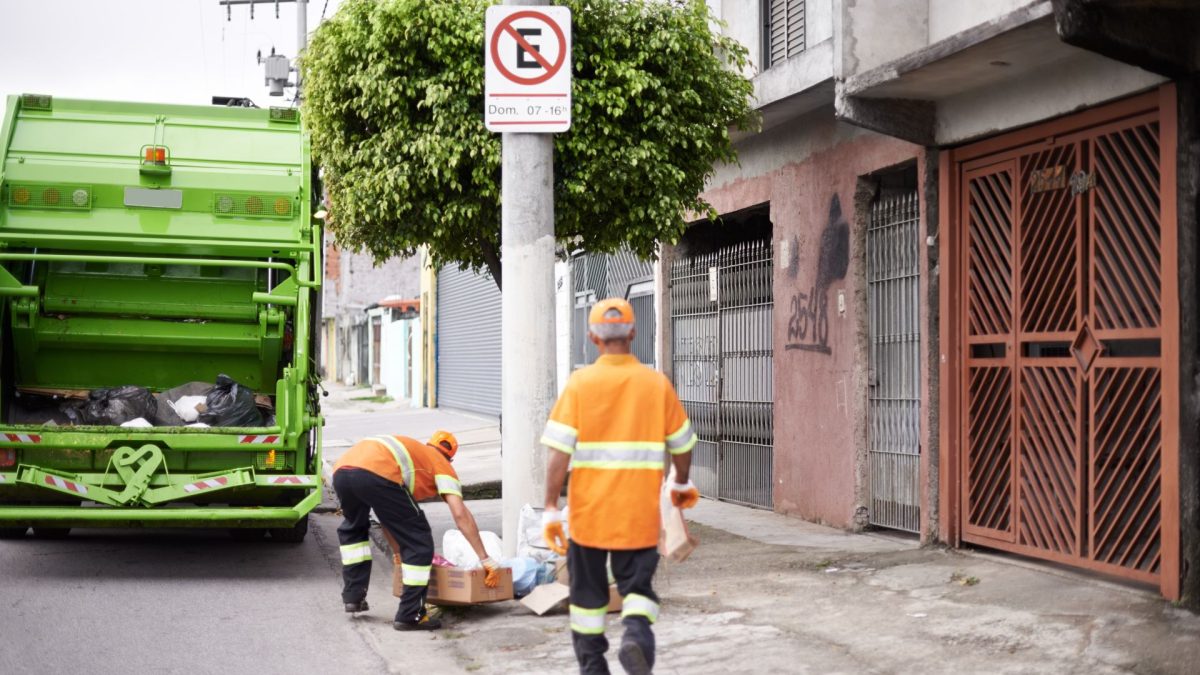
After completing a major renovation, commercial spaces often accumulate a surprising amount of debris that can overwhelm regular waste management systems. Renovation debris includes everything from broken furniture and old fixtures to construction materials like drywall, wood, and metal scraps. The first step in handling this is conducting a thorough assessment of the waste generated. Understanding the type and volume of junk helps determine the appropriate removal method and ensures the process is both efficient and safe. Without a proper assessment, businesses risk delays, unnecessary costs, and potential safety hazards from unorganized debris. Evaluating the waste beforehand allows management to prioritize the items for disposal, recycling, or donation, creating a strategic approach rather than a reactive scramble.
A detailed inventory of all discarded items also helps in planning logistics for removal. By categorizing the materials into recyclable, hazardous, or general waste, companies can align with local regulations and sustainability practices. This strategic sorting not only minimizes environmental impact but also streamlines the removal process, saving time and reducing the need for multiple trips. In commercial renovations, this step is crucial because larger spaces and heavier equipment require careful coordination to avoid workplace accidents or property damage. Proper planning at this stage lays the groundwork for a smooth and stress-free junk removal operation.
Choosing a Professional Junk Removal Service
Handling post-renovation waste in a commercial setting can quickly become overwhelming without the right support. Professional junk removal services are equipped with the tools, expertise, and workforce to manage large volumes of debris efficiently. Unlike DIY approaches that often involve multiple trips, rented trucks, or inadequate disposal methods, professional teams handle everything from lifting and loading to safe disposal or recycling. They can also accommodate tight deadlines and complex building layouts, ensuring that the workspace returns to full functionality without unnecessary interruptions. Businesses benefit not only from the labor savings but also from reduced liability, as trained personnel follow safety protocols when handling heavy or potentially hazardous materials.

Additionally, working with a professional service ensures compliance with local waste disposal regulations, which can be particularly intricate for commercial properties. Licensed removal companies are familiar with the legal requirements for various types of waste, from electronics and metal scraps to construction debris, preventing fines or penalties. They also provide upfront estimates and scheduling flexibility, which allows businesses to plan around their operational needs. Leveraging professional expertise allows companies to focus on their core operations, leaving the logistical and regulatory complexities of junk removal to those who specialize in it, thereby maximizing efficiency and safety throughout the post-renovation cleanup process.
Preparing the Workspace for Efficient Junk Removal
Before the removal process begins, preparing the commercial space is essential to ensure efficiency and safety. This involves clearing pathways for easy access, securing sensitive areas, and temporarily relocating items that are not part of the junk removal. Removing obstacles reduces the risk of accidents during heavy lifting and ensures that equipment and personnel can move freely. Additionally, setting up designated collection points within the space can help organize the junk systematically. A well-prepared site allows the removal team to work quickly and reduces the chance of property damage during the hauling process. Businesses often underestimate this step, but a little preparation can save significant time and reduce stress during the actual removal process.
Beyond physical preparation, communication with staff is key to maintaining an organized workflow. Informing employees about the schedule, designated disposal areas, and any temporary restrictions helps prevent disruptions to daily operations. This proactive approach not only safeguards staff from injury but also fosters a cooperative environment where the cleanup process integrates smoothly into ongoing business activities. By taking the time to prepare both the physical space and personnel, companies set the stage for a seamless junk removal operation, allowing the business to transition from a construction site back to a functional commercial environment with minimal downtime.
Handling Hazardous and Specialized Materials
Commercial renovations often produce waste that requires special handling, such as electronics, chemicals, or large appliances. These materials cannot be disposed of with general trash and may have specific legal and environmental guidelines. Proper handling involves identifying hazardous items, securing them in appropriate containers, and arranging for specialized disposal or recycling. Ignoring these requirements can pose serious health risks to employees and the environment, and businesses may face legal consequences for improper disposal. By addressing these items separately, companies can ensure that all waste is managed responsibly and in compliance with regulations.
Specialized disposal services often include the removal of electronic waste, old fluorescent bulbs, paints, solvents, and other potentially harmful materials. Professional junk removal companies are equipped to manage these materials safely and often have partnerships with recycling centers or hazardous waste facilities. This not only mitigates environmental impact but also aligns with corporate sustainability goals. Integrating specialized waste management into the overall removal plan ensures that the cleanup process is thorough and conscientious, protecting both employees and the broader community from the dangers associated with improper disposal of hazardous materials.
Maximizing Recycling and Donation Opportunities
An important aspect of commercial junk removal after renovation is identifying opportunities for recycling and donation. Many items such as office furniture, appliances, and construction materials can be repurposed or recycled instead of being sent to a landfill. By separating these materials early in the removal process, businesses can significantly reduce waste and support environmentally responsible practices. Donating usable items to local charities or organizations not only helps the community but can also provide tax benefits, making it a practical and socially responsible approach to waste management.
Recycling options for commercial junk include metals, plastics, electronics, and construction materials such as wood or concrete. Professional junk removal services often facilitate this process by sorting and transporting recyclable materials to the appropriate facilities. Prioritizing recycling and donation contributes to sustainability goals, enhances a company’s environmental image, and can reduce overall disposal costs. This strategic approach allows businesses to manage post-renovation junk efficiently while demonstrating a commitment to responsible corporate citizenship and environmental stewardship.
Scheduling for Minimal Operational Disruption
Commercial renovations often continue to affect day-to-day operations, and managing junk removal efficiently requires careful scheduling. Aligning the removal process with business hours or slower periods ensures that the cleanup does not interfere with employees, customers, or ongoing work. For larger renovations, scheduling multiple removal sessions may be necessary to avoid overwhelming the workspace or causing safety concerns. Advance planning and coordination with the removal team allow businesses to maintain productivity while ensuring the site is cleared promptly and safely.
Flexible scheduling also allows businesses to address unforeseen challenges, such as delayed construction phases or additional waste accumulation. Professional junk removal services can adapt to changes in the timeline, providing the necessary resources to accommodate shifting needs. By prioritizing strategic scheduling, companies can maintain smooth operations while efficiently clearing post-renovation debris. This approach balances the urgency of cleanup with the operational realities of commercial spaces, ensuring that productivity and safety remain at the forefront throughout the junk removal process.
Ensuring Proper Documentation and Compliance
Proper documentation of junk removal activities is essential for compliance and record-keeping purposes. Commercial properties often require detailed logs of waste disposal for audits, insurance claims, and regulatory adherence. Maintaining records of what was removed, where it was disposed of, and how it was handled ensures transparency and accountability. Documentation also provides protection against potential disputes regarding environmental compliance or property damage during the removal process. This systematic approach demonstrates professionalism and a commitment to responsible waste management.
Professional junk removal services typically offer detailed disposal receipts or certificates confirming that materials were recycled or disposed of in accordance with regulations. This documentation is particularly valuable for businesses subject to environmental reporting requirements or for properties undergoing frequent renovations. By ensuring thorough record-keeping, companies not only protect themselves legally but also reinforce their dedication to responsible and sustainable operations. Documentation transforms the removal process from a logistical task into a structured, accountable procedure that aligns with corporate governance standards.
Coordinating Internal Teams and Communication
Effective internal coordination is critical to ensure a smooth junk removal process. Different departments may be affected differently by the cleanup, and clear communication helps mitigate confusion and potential safety issues. Assigning point persons for each area, sharing schedules, and providing clear instructions regarding access and safety measures ensures that all staff understand their roles. This coordination reduces the risk of accidents, facilitates efficient debris removal, and helps maintain a productive work environment throughout the process.
Internal communication also allows management to address concerns or feedback from employees regarding the removal process. Open channels of communication encourage cooperation and foster a sense of shared responsibility, making the cleanup less disruptive. By aligning internal teams and promoting proactive communication, businesses can integrate junk removal into daily operations with minimal friction. A coordinated approach ensures that both employees and removal personnel work in harmony, enhancing safety, efficiency, and overall workplace satisfaction.
Selecting Appropriate Equipment and Resources
The complexity of post-renovation junk often requires specialized equipment to handle heavy, bulky, or awkwardly shaped items. Professional removal services are equipped with tools such as dollies, lifts, trucks, and protective gear to safely manage large volumes of waste. Selecting the right resources reduces physical strain on workers, minimizes the risk of damage to property, and ensures a faster, more organized removal process. Even smaller commercial renovations can benefit from proper equipment, as handling awkward or sharp debris improperly can result in accidents or prolonged cleanup times.
In addition to equipment, adequate staffing is crucial for maintaining efficiency and safety. Professional teams know how to deploy personnel strategically to tackle different types of debris, balancing speed with careful handling. Leveraging the right combination of tools and trained staff allows businesses to complete post-renovation junk removal with minimal disruption and maximum safety. Investing in appropriate resources ensures that the process is both time-effective and compliant with workplace safety standards, providing peace of mind throughout the cleanup.
Monitoring Progress and Evaluating Effectiveness
Continuous monitoring during the junk removal process ensures that objectives are met efficiently and safely. Supervising the progress allows management to adjust strategies, allocate resources where needed, and address any emerging issues immediately. This active oversight helps maintain momentum, ensures adherence to schedules, and verifies that all debris is removed properly. Monitoring also provides insights into potential improvements for future renovation projects, allowing companies to refine their cleanup strategies over time.
Evaluating the effectiveness of the removal process involves reviewing both operational and environmental outcomes. Businesses can assess how efficiently debris was cleared, whether recycling and donation targets were met, and how disruptions to operations were managed. Collecting feedback from staff and removal personnel also provides valuable insights for enhancing future cleanup efforts. This comprehensive evaluation not only confirms that the renovation space is fully restored and ready for use but also contributes to a culture of continuous improvement in waste management practices and operational efficiency.
Conclusion
Efficiently managing commercial junk removal after a major renovation is essential for restoring a safe, organized, and productive workspace. By carefully assessing waste, engaging professional services, preparing the workspace, and prioritizing specialized disposal and recycling, businesses can navigate the cleanup process effectively. Proper scheduling, documentation, internal coordination, and resource management further ensure that operations remain smooth and compliant throughout the removal. Monitoring and evaluation of the process reinforce accountability and facilitate future improvements, creating a robust framework for post-renovation cleanup.
For businesses in Palatine, IL, 24-7 Junk Removal offers comprehensive solutions for commercial junk removal, combining expertise, equipment, and eco-conscious practices to handle projects of any scale. Their team ensures that the process is safe, efficient, and minimally disruptive to operations. To schedule a service or receive a detailed estimate, contact 24-7 Junk Removal at (773) 309-6966. Their office is located at 611 W. Wise Schaumburg, IL 60193, and inquiries can also be sent to support@24-7junk.com. With professional support, your post-renovation cleanup becomes seamless, allowing your business to return to full functionality swiftly and responsibly.