

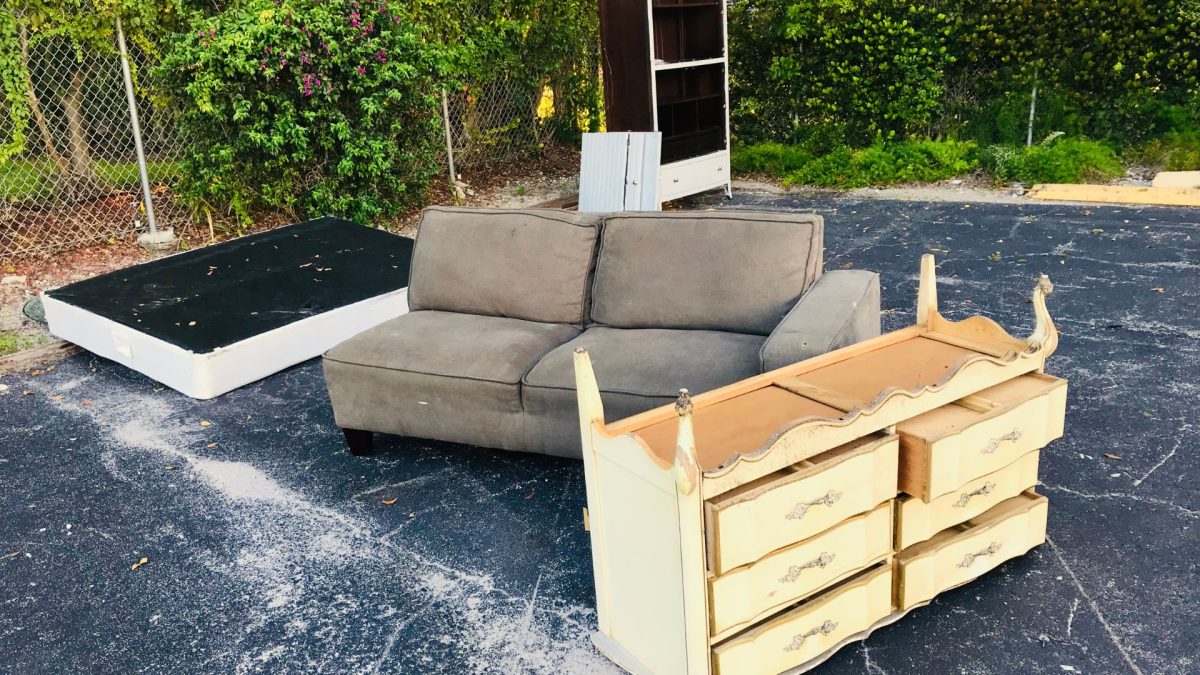
Removing furniture from a commercial space can often feel like a logistical maze. Office furniture is rarely lightweight, and pieces such as large desks, storage cabinets, and conference tables require careful maneuvering to avoid damaging walls, floors, or elevators. The sheer bulk and awkward shapes of many commercial items make the task far more complicated than it appears. Attempting to manage the removal without proper planning or equipment may lead to personal injuries or unintended property damage. Business owners often underestimate the time, effort, and coordination needed to move these items safely, which can inadvertently disrupt normal operations. Taking a methodical approach to this challenge is critical in avoiding operational setbacks and ensuring a smooth transition when clearing out spaces.
Another significant concern is the environmental and legal implications of furniture disposal. Simply discarding old items without considering local waste regulations can lead to fines or violations, and it often results in unnecessary contributions to landfills. Many commercial furnishings are still functional or recyclable, meaning that an opportunity to repurpose or donate them is lost if handled carelessly. Businesses that ignore these considerations not only compromise their environmental responsibility but also risk negative public perception. Understanding the full scope of challenges, from physical handling to compliance issues, lays the groundwork for a well-organized removal strategy and a responsible approach to managing commercial furniture.
Evaluating the Need for Professional Help
Deciding whether to hire professionals for furniture removal requires careful evaluation of your office’s size, the weight of items, and the complexity of your space. While some smaller pieces may be manageable by in-house teams, a fully furnished office can create overwhelming obstacles without specialized skills. Professional removal services bring trained staff, specialized tools, and vehicles designed to handle bulky furniture, ensuring the process is both safe and efficient. Beyond the physical labor, these professionals have experience with logistical planning, which means they can quickly determine the most effective methods to remove furniture without interrupting ongoing operations.
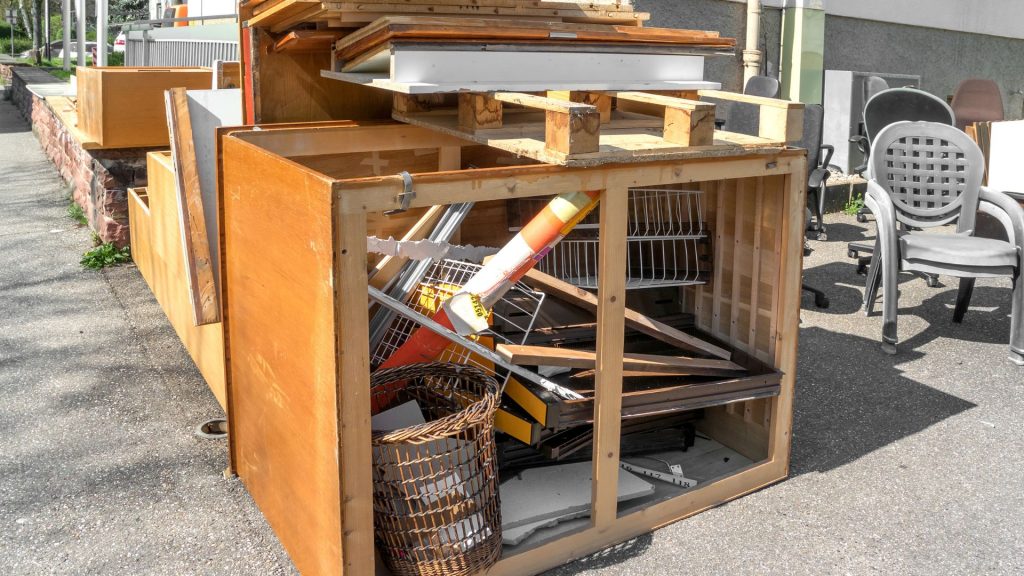
Additionally, engaging professionals mitigates the administrative burden of proper disposal. Many companies lack insight into how to responsibly separate furniture for donation, resale, or recycling. Experienced removal services have established networks to ensure items are disposed of sustainably, adhering to local waste regulations and reducing environmental impact. This expertise also provides peace of mind to business owners, allowing employees to focus on their daily responsibilities without worrying about logistical complications or compliance issues. Ultimately, investing in professional help often proves cost-effective when considering the reduced risk of damage, injury, and operational disruption.
Planning Your Furniture Removal Timeline
Establishing a clear timeline for furniture removal is essential to maintain smooth operations within a commercial space. Without proper scheduling, the removal process can disrupt work, create confusion, and prolong the duration of the project. Businesses that take time to map out when, how, and which areas will be cleared can coordinate staff availability, minimize interference, and prepare pathways to facilitate quick and efficient removal. Strategic planning also ensures that each department has time to sort and prioritize furniture, preventing last-minute decisions that might be inefficient or unsafe.
A well-structured timeline provides additional benefits, including environmental responsibility and cost efficiency. Planning ahead gives businesses the opportunity to assess which pieces can be donated, recycled, or discarded, reducing waste and promoting sustainability. Moreover, having a concrete schedule allows removal teams to work systematically, minimizing the chances of accidents or overlooked items. Coordinating these efforts transforms a potentially chaotic process into a seamless operation, ensuring that commercial spaces are cleared responsibly while allowing employees to continue their work with minimal disruption. Proper planning is a foundational step for an effective furniture removal strategy.
Sorting Furniture for Donation or Recycling
Sorting commercial furniture before removal is a critical step for reducing environmental impact and maximizing resource efficiency. Items such as desks, chairs, cabinets, and shelving units may retain value and function, making them suitable for donation to schools, non-profits, or community organizations. This thoughtful approach not only supports those in need but also reflects positively on a business’s social responsibility. Identifying which furniture is still usable before removal ensures that valuable pieces are repurposed, avoiding unnecessary disposal.
Recycling is another important consideration when handling commercial furniture. Materials like metal, wood, glass, and certain plastics can often be processed into new products, decreasing landfill contributions and conserving natural resources. By categorizing furniture carefully prior to removal, businesses ensure that recyclable components are properly separated and directed to appropriate facilities. This methodical approach to sorting not only contributes to sustainability efforts but also simplifies the logistics of removal, allowing professional teams to work more efficiently while maintaining a commitment to environmentally responsible practices.
Ensuring Safe Handling and Transport
Safety is a top priority when removing heavy or bulky furniture from a commercial space. Improper lifting techniques or poorly coordinated movements can result in injuries to staff or damage to property. Professional removal teams utilize specialized equipment such as dollies, straps, and protective padding to safeguard both the items being moved and the environment in which they are handled. Training in coordinated teamwork and safe handling techniques minimizes risks, ensuring the removal process is smooth and injury-free.
Transporting furniture presents its own set of challenges, as unsecured items can shift or sustain damage during transit. Professionals carefully load trucks with strategic placement to balance weight and protect surfaces. Using high-quality restraints and padding, teams ensure that each item reaches its destination safely, whether for donation, recycling, or disposal. By prioritizing safe handling and transportation, businesses mitigate risk, protect property, and maintain operational efficiency while responsibly managing commercial furniture removal.
Clearing Out Storage and Office Areas Efficiently
Before furniture can be removed, storage and office areas must be prepared. Cluttered spaces, stacked boxes, and obstructed pathways slow down removal efforts and increase the likelihood of accidents. Clearing these areas in advance allows professional teams to access furniture quickly and navigate the environment safely. Organized preparation ensures that removal progresses efficiently without unnecessary delays or disruptions to daily business operations.
Efficient clearing also provides an opportunity for inventory review. Systematically moving through storage areas allows businesses to identify outdated or surplus furniture that may not have previously been considered for removal. This comprehensive assessment ensures no items are overlooked, contributing to a more thorough cleanup and opening space for potential renovations or upgrades. By combining careful preparation with strategic clearing, commercial spaces are transformed into functional, organized environments ready for new furnishings or reconfiguration.
Choosing the Right Disposal Method
Selecting the proper disposal method for commercial furniture is crucial for legal compliance and environmental responsibility. Some items may be suitable for donation, while others require recycling or safe disposal in designated facilities. Improper disposal can lead to environmental harm or fines for violating local waste management regulations. Businesses must understand local guidelines and leverage reliable disposal channels to ensure that furniture is removed ethically and responsibly.
Material type, item condition, and reuse potential are all factors in determining the best disposal approach. Combining donation for functional items with recycling for materials such as metal, wood, or plastic maximizes value while minimizing landfill contributions. A structured disposal strategy simplifies the removal process, ensures compliance, and highlights a company’s commitment to sustainability and corporate social responsibility, making furniture removal both practical and ethically sound.
Minimizing Disruption During Business Hours
Removing furniture from an active office environment requires careful scheduling to avoid disrupting normal operations. Performing removals during off-peak hours, such as evenings or weekends, can minimize interference with employees, clients, and visitors. Communicating clearly about the timing and procedures involved helps staff prepare, reduces confusion, and ensures that the removal process proceeds efficiently and safely.
Phased removal approaches can also maintain business functionality in critical areas such as reception, conference rooms, or storage zones. By tackling sections of the office sequentially rather than all at once, businesses balance operational continuity with effective furniture clearance. A strategic, minimally invasive approach to removal ensures that productivity remains steady while clearing out unwanted furniture in an organized, safe manner.
Cost Considerations and Budgeting
Commercial furniture removal involves a variety of costs including labor, transportation, and disposal fees. Planning a budget in advance helps businesses avoid unexpected financial surprises and enables better resource allocation. Comparing service quotes allows companies to weigh cost versus quality and ensure they are making informed decisions about the most efficient removal options.
Professional services may seem expensive initially, but they can save money in the long term by preventing property damage, workplace injuries, and operational downtime. A well-planned budget ensures businesses receive comprehensive services without compromising safety or efficiency. Considering both the financial and operational implications helps companies streamline furniture removal while maintaining cost-effectiveness and protecting long-term interests.
Maintaining Sustainability in Furniture Removal
Sustainability is a critical consideration in modern commercial furniture removal. Donating functional items, recycling appropriate materials, and following eco-friendly disposal practices reduce environmental impact. Businesses that adopt sustainable strategies for furniture removal align with broader corporate social responsibility goals while minimizing contributions to landfills.
Sustainable removal practices also enhance reputation, as clients and stakeholders increasingly value companies committed to environmental stewardship. Properly handling furniture by prioritizing donation and recycling not only benefits the planet but also strengthens community relations. By embracing environmentally responsible practices, businesses achieve a functional and cleared workspace while showcasing commitment to ethical operations and sustainability.
Conclusion
Clearing unwanted furniture from a commercial space involves careful planning, safe handling, and responsible disposal. Businesses benefit from strategic scheduling, efficient preparation of office areas, and sorting furniture for donation or recycling. Engaging professionals ensures safety, efficiency, and compliance, minimizing operational disruptions while maintaining the integrity of your property. Every step, from assessing the need for assistance to executing a removal plan, contributes to a smoother process and supports sustainable practices, resulting in a cleaner and more functional commercial environment.
For businesses in Palatine, IL, 24-7 Junk Removal provides reliable Junk Removal services tailored for commercial needs. Their experienced team handles everything from heavy lifting to environmentally conscious disposal, ensuring a seamless and safe furniture removal experience. Contact 24-7 Junk Removal at (773) 309-6966 to schedule a service. They are located at 611 W. Wise Schaumburg, IL 60193 and can be reached via email at support@24-7junk.com. Their professional approach ensures your office is cleared efficiently, responsibly, and with minimal disruption to daily operations.