

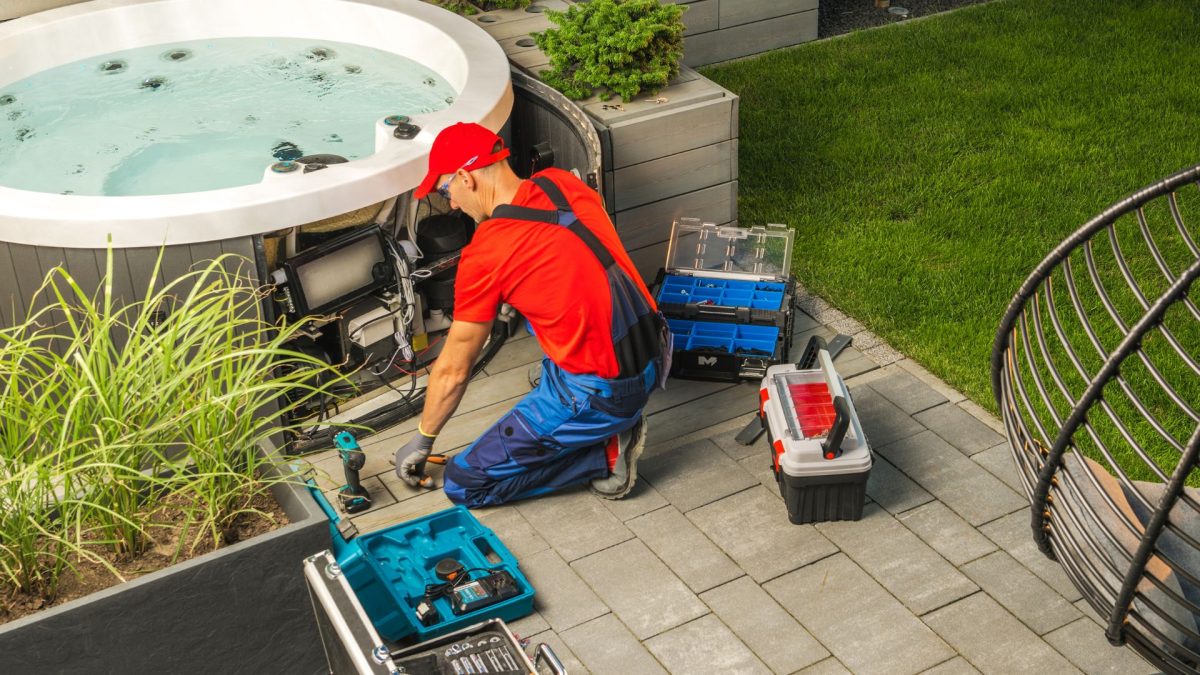
Removing a hot tub from your backyard requires careful planning and preparation. Hot tubs are bulky, heavy, and often filled with water, which adds to their weight, making manual handling extremely challenging. Before attempting removal, it is crucial to assess the surrounding area to ensure clear pathways for moving the tub out. Measure doors, gates, and any obstacles that could hinder the process. If the hot tub is installed on a deck or uneven surface, additional support or protective measures may be necessary to prevent property damage during the move. Planning the sequence of steps, including drainage, detachment, and lifting, can reduce unexpected difficulties and enhance safety. You may also need tools like pipe wrenches, pliers, and a dolly to handle the tub effectively. It is often easier to coordinate a small team rather than attempting the task alone, as distributing the weight and responsibilities improves efficiency and minimizes strain. Taking the time to plan thoroughly ensures the removal process goes smoothly and avoids unnecessary risks.
Another critical aspect of planning involves disposing of the water and electrical connections. Hot tubs contain significant amounts of water that must be drained responsibly to avoid flooding or harming nearby landscaping. Additionally, disconnecting electrical components safely is essential to prevent accidents. Ensuring the power source is completely turned off before beginning any detachment work is a non-negotiable step. Securing the correct disposal or recycling options for the tub and its components can also save headaches later. By considering these factors and mapping out a strategy, homeowners can approach hot tub removal with confidence and efficiency, making the process less overwhelming and more manageable.
Draining and Disconnecting Your Hot Tub
Properly draining a hot tub is the first step toward a safe and manageable removal. Depending on the size and type of tub, a standard garden hose can often be used to siphon out water gradually, ensuring surrounding areas remain dry. Some tubs have built-in drain valves that can make the process faster, but careful monitoring is necessary to avoid spills. After drainage, it is vital to disconnect electrical systems correctly. Hot tubs are typically connected to dedicated breakers and outlets, and failing to switch off the power completely can be dangerous. Professional advice or guidance might be helpful, especially if you are unsure about handling electrical components. Disconnecting pumps, heaters, and wiring carefully can prevent costly repairs or hazards. Proper labeling and organization of removed components will also simplify any future installations or recycling efforts.
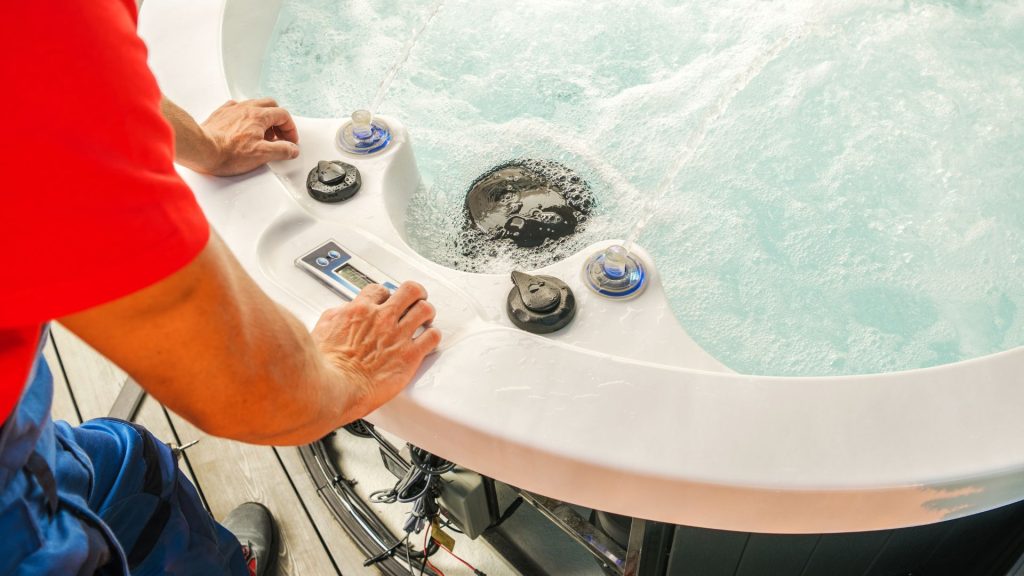
Beyond the technical disconnection, attention to the plumbing system is equally important. Hot tubs are connected to various pipes that need proper sealing or detachment to prevent leaks and water damage. Inspect hoses, jets, and filtration units for residual water and remove them carefully. Once all components are safely detached and drained, the hot tub becomes lighter and easier to maneuver. Homeowners who approach this step methodically save both time and energy, and reduce the chance of damage to their property. By taking these careful measures during draining and disconnection, you ensure that the subsequent steps of removal, lifting, and transport are both safer and more straightforward.
Preparing the Surrounding Area
Creating a clear and safe environment around the hot tub is essential before attempting removal. Homeowners should remove obstacles such as furniture, garden equipment, and potted plants to create unobstructed pathways. If the hot tub sits on a deck, inspect the structure for strength and stability, ensuring it can handle movement without risk of collapse. Protecting floors and landscaping using boards, mats, or tarps can prevent scratches, dents, and other damages during the process. In addition, it is helpful to plan the route the tub will take, taking into account tight corners, slopes, or steps that may pose challenges. Preparing the area in advance can prevent last-minute surprises that might slow down the project or cause accidents.
Environmental safety also plays a role in this stage. Ensure children and pets are kept away from the removal zone, and consider protective gear such as gloves and sturdy shoes for all participants. Having basic first-aid items on hand is a precaution worth taking in case minor injuries occur. In some situations, consulting a professional can provide insights into potential hazards specific to your backyard layout or tub design. By thoroughly preparing the surrounding area, homeowners can reduce the likelihood of damage or injury, and streamline the removal process, making it far more controlled and manageable.
Lifting and Moving the Tub
Lifting a hot tub is one of the most challenging parts of removal due to its size and weight. It often requires coordination and proper technique to avoid injury. Using a dolly or heavy-duty straps can make lifting and moving easier and safer. Enlisting the help of friends, family, or professionals allows for even weight distribution, reducing the risk of back strain or accidents. Maintaining proper posture, bending at the knees, and using controlled movements are critical for minimizing the likelihood of injuries. It is also wise to lift slowly, allowing adjustments to accommodate unexpected shifts or obstacles. Precision in movement ensures that both the tub and your property remain unharmed.
Once the tub is lifted, maneuvering it through tight spaces presents another challenge. Plan the route carefully and move in small increments, pausing when necessary to readjust. Protecting walls, doorframes, and landscaping remains crucial throughout the process. Temporary removal of fencing gates or doors might also be considered to create sufficient space for the tub to pass. Using a combination of mechanical assistance and teamwork, homeowners can navigate the hot tub safely from its installation site to a transport area. Paying close attention to lifting and moving techniques not only safeguards everyone involved but also maintains the integrity of the hot tub and property.
Disassembling Large Hot Tubs
Some hot tubs are too large or heavy to move intact, requiring partial disassembly. Panels, covers, and other removable parts can be detached to reduce overall weight. This makes handling easier and lowers the risk of property damage during transport. Using the right tools, such as screwdrivers, wrenches, and pliers, ensures components are removed efficiently without causing breakage. Disassembly also allows for more flexibility when navigating tight spaces or stairs. Keeping track of all hardware and labeling components can make later disposal or reassembly far less complicated. Homeowners should document the process, noting which parts were removed and how they fit back together if needed in the future.
Disassembly also facilitates safer transport and disposal. By breaking down a tub into smaller components, it becomes feasible to fit it into vehicles or dumpsters that would otherwise be impossible. Additionally, separating metal, plastic, and electrical parts enables environmentally responsible disposal or recycling. This approach minimizes strain on individuals handling the components and reduces the likelihood of accidents. Homeowners who approach disassembly methodically often find that the overall removal process becomes more organized, faster, and significantly less stressful.
Transporting the Tub
After draining, disconnecting, and possibly disassembling the hot tub, the next challenge is transport. Moving a heavy object requires a suitable vehicle, such as a pickup truck or trailer, to carry the components safely. Ensuring the tub or its parts are securely fastened with straps prevents shifting or falling during transit. Wrapping delicate parts or corners in padding can prevent scratches or breakage. Planning the route to avoid obstacles, tight turns, or uneven roads ensures a smoother journey. Transporting with care not only protects the tub but also prevents accidents on the road. A well-prepared transport strategy saves time and minimizes the risk of damage to both the tub and surrounding property.
Transporting disassembled parts separately can also simplify logistics. Metal, wood, and plastic components can be organized for easier loading and unloading. Coordination with professional removal services may be considered to handle larger tubs or multiple components efficiently. This ensures that even the most cumbersome hot tubs are moved safely and responsibly. Attention to proper lifting, securing, and planning during transport is essential for a smooth removal experience and prevents unnecessary stress or hazards during this stage.
Responsible Disposal and Recycling
Responsible disposal of a hot tub is crucial for environmental sustainability. Many components, including metals, plastics, and electronics, can be recycled. Separating these materials before disposal not only reduces landfill waste but also ensures that resources are repurposed appropriately. Checking local regulations and recycling centers in advance provides clarity on what can be recycled and how to handle hazardous materials safely. Some tubs may also have parts that can be donated or repurposed, further reducing environmental impact. Planning for responsible disposal demonstrates a commitment to eco-friendly practices while managing a large and cumbersome item.
Homeowners should also consider professional services for responsible removal. Companies specializing in junk removal often have established connections with recycling facilities and donation centers, simplifying the process and ensuring compliance with regulations. By prioritizing environmentally conscious disposal methods, you not only reduce clutter effectively but also contribute to sustainable waste management. This stage is essential for ensuring that the removal process is comprehensive and that the hot tub’s impact on the environment is minimized.
Hiring Professional Help
Engaging professionals for hot tub removal can save significant time and effort. Experienced teams have the tools, techniques, and knowledge to move and dispose of hot tubs safely. Professionals can manage heavy lifting, disassembly, transport, and disposal efficiently, reducing stress and physical strain for homeowners. They are also trained to navigate tight spaces and avoid property damage during the removal process. Choosing professional help ensures the job is completed safely, quickly, and according to best practices. It allows homeowners to focus on other tasks or simply enjoy a clutter-free yard without enduring the complexities of moving a large, heavy object.
Another advantage of hiring professionals is their ability to handle recycling and disposal responsibly. They often maintain relationships with donation centers and recycling facilities, which ensures that parts of the hot tub are repurposed or recycled properly. Additionally, professional services can provide liability coverage, protecting homeowners from potential accidents during removal. With proper planning, hiring skilled teams can transform a daunting task into a smooth, manageable process, providing peace of mind and efficiency that DIY methods may struggle to achieve.
Safety Considerations
Safety is paramount during hot tub removal. Heavy lifting, water, and electrical components pose real risks if not handled correctly. Homeowners should wear protective clothing, gloves, and sturdy footwear to prevent injuries. Using proper lifting techniques and mechanical aids can reduce strain and protect the back, arms, and legs. Ensuring that electrical connections are completely turned off before working with components is a critical precaution. Keeping bystanders, children, and pets away from the area adds another layer of safety. Awareness and preparation minimize hazards and make the process less stressful for everyone involved.
In addition to physical safety, planning for potential emergencies is important. Having a phone nearby, basic first-aid supplies, and clear communication with everyone involved can prevent accidents from escalating. Checking structural stability of decks, steps, or pathways before moving the tub ensures that the environment is safe for heavy lifting. Combining careful planning, protective gear, and mindfulness of hazards guarantees that homeowners can manage the removal process without unnecessary risk, creating a secure and controlled environment for everyone participating.
Tools and Equipment Needed
Having the right tools and equipment makes hot tub removal significantly easier and safer. Items like dollies, lifting straps, wrenches, screwdrivers, pliers, and protective padding are essential for a smooth process. A utility knife can help with trimming hoses or other components, while tarps or mats protect surfaces from damage. Using proper equipment not only streamlines the removal process but also reduces physical strain and potential injury. Organizing tools in advance ensures that they are readily accessible, preventing delays or frustration during the task. Choosing durable and reliable tools provides efficiency and confidence throughout the project.
Beyond basic hand tools, some situations may require specialized equipment like moving boards, hydraulic lifts, or even a small crane for extremely large tubs. Having these on hand or knowing a professional service that can provide them ensures that homeowners can tackle even the most challenging removals. Combining careful preparation with the appropriate tools and safety equipment creates a controlled, effective, and relatively stress-free removal process. Being well-equipped allows homeowners to address any obstacle that arises and complete the hot tub removal successfully.
Conclusion
Removing a hot tub is a complex task that requires careful planning, preparation, and execution. Homeowners must account for weight, size, electrical connections, and surrounding structures to ensure a smooth removal process. From draining and disconnection to transport and disposal, each step requires attention to detail and safety. While it is possible to manage this process independently, leveraging professional services can save significant time, reduce physical strain, and guarantee proper disposal methods. Prioritizing planning, safety, and environmentally responsible practices ensures the removal process is efficient, secure, and stress-free for everyone involved.
For homeowners in Palatine, IL seeking reliable assistance, 24-7 Junk Removal provides comprehensive junk removal solutions, including hot tub removal. Their team offers professional, safe, and eco-friendly services to make the process effortless. Located at 611 W. Wise Schaumburg, IL 60193, homeowners can reach out by phone at (773) 309-6966 or via email at support@24-7junk.com to schedule an estimate. With a focus on responsible disposal and exceptional service, 24-7 Junk Removal ensures that your unwanted hot tub is removed efficiently and with minimal stress. Choosing them guarantees a seamless experience and peace of mind throughout the entire process.