


Removing old or bulky furniture from your home can often feel like a daunting task. The sheer weight, awkward dimensions, and limited access points make the process intimidating, especially if you try to do it alone. Many homeowners underestimate the physical strain involved and end up risking injury or damage to their property. Even something that appears manageable, like a sofa or a dining table, can turn into a logistical headache when staircases, narrow hallways, or tight doorways are involved. Planning ahead and anticipating these challenges can save time and prevent unnecessary frustration. Taking measurements and assessing potential obstacles ensures a smoother removal process.
Another challenge lies in the disposal of furniture once it leaves your home. Not every piece can simply be thrown out at the curb, and certain items require proper handling or recycling. Understanding the best methods for removing and disposing of furniture can alleviate stress and make the experience more organized. Whether you are moving, downsizing, or decluttering, approaching the process with foresight transforms what could be a chaotic chore into a more manageable project. Creating a step-by-step plan and considering professional help can dramatically reduce the complexity of furniture removal.
Preparing Your Space Before Furniture Removal
Before moving any heavy items, it’s important to prepare the space to avoid accidents. Clear pathways, remove obstacles, and ensure there is enough room for maneuvering. Furniture removal becomes significantly easier when the environment is organized, as this prevents potential hazards like tripping or scratching walls and floors. Small steps such as securing rugs, moving fragile items out of the way, and adjusting lighting can make a noticeable difference in safety and efficiency. Preparation is not just about physical space but also about mental readiness. Knowing where each item will go or how it will be transported can reduce stress.
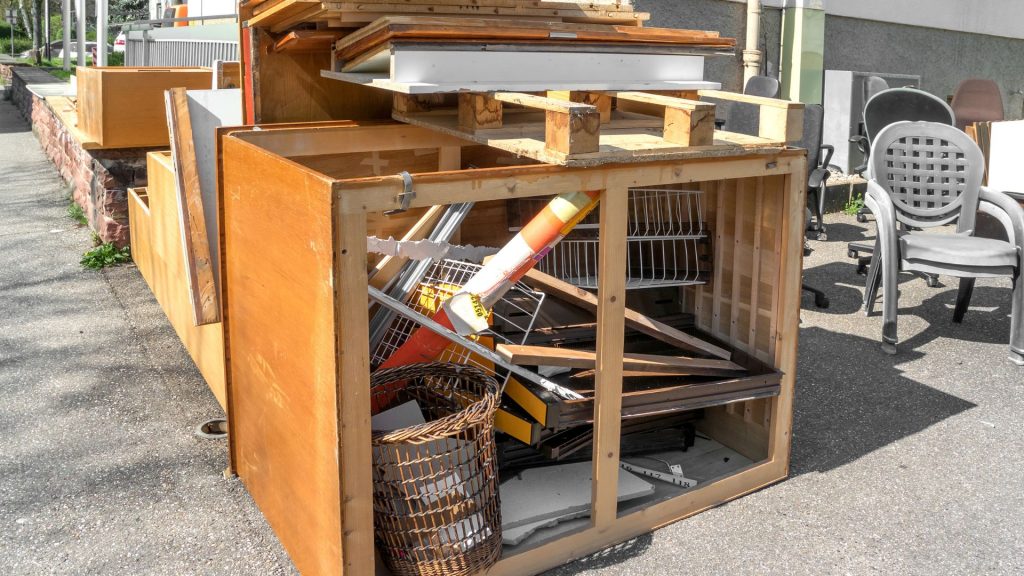
Beyond clearing the physical space, you should also gather any necessary tools. Items such as furniture sliders, dollies, straps, and blankets can make lifting and moving less strenuous. Removing drawers and cushions from larger pieces can reduce weight and allow for easier handling. Proper planning ensures that both the removal process and the eventual disposal of items are streamlined. A little effort upfront in organizing your home and gathering tools can save hours of frustration later. This preparation phase sets the foundation for a seamless furniture removal experience.
Disassembling Furniture for Easier Handling
Many large furniture pieces are too cumbersome to move in one piece. Disassembling furniture can reduce the risk of injury and make transport much more manageable. Items like beds, entertainment centers, and dining tables often come apart with just a few tools. By taking the time to remove screws, legs, and detachable parts, you significantly lighten the load and create a more efficient removal process. Keeping all hardware in a labeled bag prevents lost pieces and simplifies reassembly if needed. Disassembly is not just a practical step; it’s a way to protect your home from damage during moving.
Once furniture is broken down into smaller components, it becomes easier to navigate through tight hallways and staircases. Wrapping parts with blankets or moving pads provides extra protection for both the furniture and your home. Labeling parts for later assembly can prevent confusion and save time. Even when hiring professional services, disassembly reduces labor costs and speeds up the removal process. Thinking ahead about how each piece comes apart and how it will be handled creates a safer, more organized approach to furniture removal.
Choosing the Right Moving Equipment
Selecting the proper tools for furniture removal can make a significant difference. Items like dollies, hand trucks, and lifting straps reduce the strain on your body and prevent potential injuries. Furniture sliders allow heavy items to glide across floors without causing scratches or dents. Even household items like blankets or towels can serve as temporary protection. The right equipment not only improves efficiency but also safeguards your furniture and home from damage during transport. Investing in appropriate tools is a small step that yields substantial benefits.
Understanding the different options and their applications is key. A hand truck works best for boxes and stackable items, while a furniture dolly excels at heavier, bulkier pieces. Straps provide additional control and stability when lifting awkward furniture. Properly using these tools reduces fatigue and ensures safer handling. Preparing your moving equipment before starting the removal process allows you to work methodically and prevent accidents. When used correctly, these tools can transform a difficult furniture removal task into a manageable and less stressful experience.
Organizing a Furniture Removal Team
Moving heavy furniture alone can be risky, and enlisting help is highly recommended. A small, coordinated team ensures that items are lifted and transported safely. Each member should understand their role, whether it’s guiding, lifting, or protecting walls and doorways. Communication is essential, as even a brief lapse in coordination can lead to injuries or damaged items. Organizing a team doesn’t require professional experience, just willingness to work together efficiently. Even friends or family can make a huge difference in simplifying the removal process.
Assigning clear responsibilities prevents confusion and enhances safety. One person might focus on navigating tight corners, while another handles lifting, and a third guides the pathway. Establishing signals or verbal cues can further enhance coordination, especially when maneuvering cumbersome furniture. Teamwork reduces physical strain and makes moving large items less stressful. With careful planning and collaboration, even complex furniture removal can be executed smoothly, turning what is often a physically demanding task into a coordinated and manageable effort.
Proper Lifting Techniques to Prevent Injury
Using proper lifting techniques is crucial to prevent injury during furniture removal. Always lift with your legs, not your back, and maintain a firm grip on the object. Keeping your spine straight and avoiding twisting motions reduces the risk of strains. For heavier pieces, it may be necessary to lift in shifts or use a dolly to minimize direct handling. Proper technique not only protects your body but also ensures better control of the furniture during movement. Training your team on safe lifting practices contributes to a more efficient and injury-free process.
In addition to lifting techniques, pacing yourself is important. Avoid rushing through the removal, which can lead to mistakes and accidents. Taking short breaks during a long-moving session allows muscles to recover and maintains alertness. Wearing gloves can improve grip and prevent blisters, while sturdy footwear protects your feet from accidental drops. Safety should always take precedence over speed, as moving heavy furniture too quickly can result in damage or injury. Incorporating these strategies transforms furniture removal from a potentially hazardous task into a controlled and safe activity.
Handling Special Furniture Types
Certain furniture items require extra care during removal. Fragile antiques, glass-topped tables, and custom-built pieces need additional protection. Wrapping glass surfaces in bubble wrap or blankets prevents breakage, while cushioning delicate wood pieces avoids scratches and dents. Understanding the unique requirements of each item ensures that they arrive at their destination intact. Special care extends to furniture with complex mechanisms such as recliners or folding beds, which may need partial disassembly or secure positioning during transport. Recognizing these details ensures a smoother removal process.
Proper handling also includes considering weight distribution and balance. Oversized wardrobes or bulky couches may require more than two people to safely maneuver. Using moving straps and sliders can prevent accidental tipping or scratching of floors. Being mindful of the furniture’s structure and fragility enhances both safety and efficiency. Whether you are dealing with delicate heirlooms or heavy-duty modern pieces, attention to detail during the removal process is essential. Careful planning and awareness can prevent unnecessary damage and streamline the entire moving process.
Eco-Friendly Furniture Disposal Options
Removing furniture doesn’t mean it has to end up in a landfill. Many pieces can be recycled, donated, or repurposed, giving them a second life. Local charities, shelters, and thrift stores often accept gently used furniture, providing both environmental and social benefits. Recycling programs can handle materials such as metal frames, wooden components, or upholstered fabrics. Considering these options reduces waste and supports sustainable practices. Making eco-conscious choices adds value to the removal process beyond just clearing space in your home.
Planning ahead for disposal also simplifies the logistics of furniture removal. Sorting items based on their disposal method ensures that recyclables, donations, and trash are separated efficiently. This approach reduces confusion and makes the process more streamlined. Environmentally friendly furniture removal not only contributes positively to the community but also makes the entire experience more organized and less stressful. Taking the time to explore disposal options can transform a routine chore into a meaningful and responsible action.
Time-Saving Tips for Efficient Furniture Removal
Efficiency is key to reducing stress during furniture removal. Start by mapping out a clear path from the room to the moving vehicle, ensuring there are no obstacles along the way. Pre-planning where each piece will be placed in the vehicle optimizes space and reduces the number of trips required. Grouping items based on size or fragility streamlines loading and prevents damage. A systematic approach to furniture removal prevents confusion and saves both time and energy, making the process far less overwhelming.
Additionally, creating a checklist of steps can help maintain focus and prevent oversight. Mark which furniture is disassembled, which items require extra protection, and which are ready for disposal or donation. This level of organization ensures that nothing is forgotten and reduces the chances of unnecessary backtracking. Utilizing time-saving strategies not only enhances the efficiency of removal but also provides peace of mind. Planning, coordination, and preparation all contribute to a smoother, faster, and more manageable furniture removal experience.
Hiring Professional Assistance for Stress-Free Removal
While DIY furniture removal can work for smaller items, professional services offer a stress-free alternative. Professionals bring experience, specialized tools, and manpower to tackle large or complex items. They can navigate tight spaces, lift heavy pieces safely, and handle disposal responsibly. Engaging experts reduces the physical strain on you and minimizes the risk of property damage. Professionals also ensure compliance with local regulations regarding disposal or recycling, which adds an extra layer of convenience and peace of mind.
Professional services offer flexible options tailored to your needs. Whether it’s a single bulky sofa or an entire home of furniture, trained teams efficiently manage every step of the process. Their knowledge of proper lifting techniques, protective measures, and disposal options ensures a seamless experience. Choosing professional help saves time, reduces stress, and guarantees that furniture removal is conducted safely and responsibly. For homeowners seeking a hassle-free solution, this approach transforms a labor-intensive task into a smooth, organized process.
Conclusion
Furniture removal can be a challenging endeavor, but with careful planning and strategic execution, it becomes far more manageable. Preparing your space, disassembling larger items, using the right equipment, and coordinating a capable team are all essential steps that simplify the process. Prioritizing safety, considering eco-friendly disposal options, and employing efficient techniques ensures that the removal experience is smooth and organized. Taking these factors into account transforms furniture removal from a stressful chore into a well-orchestrated task.
For homeowners in Palatine IL seeking professional assistance, 24-7 Junk Removal offers reliable and efficient services. With expertise in handling bulky furniture, proper disposal, and eco-friendly practices, their team ensures a hassle-free experience. Contact 24-7 Junk Removal at (773) 309-6966 or visit 611 W Wise Schaumburg IL 60193 to schedule a pickup. Their commitment to customer satisfaction and safe, efficient junk removal makes them a trusted choice for anyone looking to clear out old furniture and reclaim space in their home.