

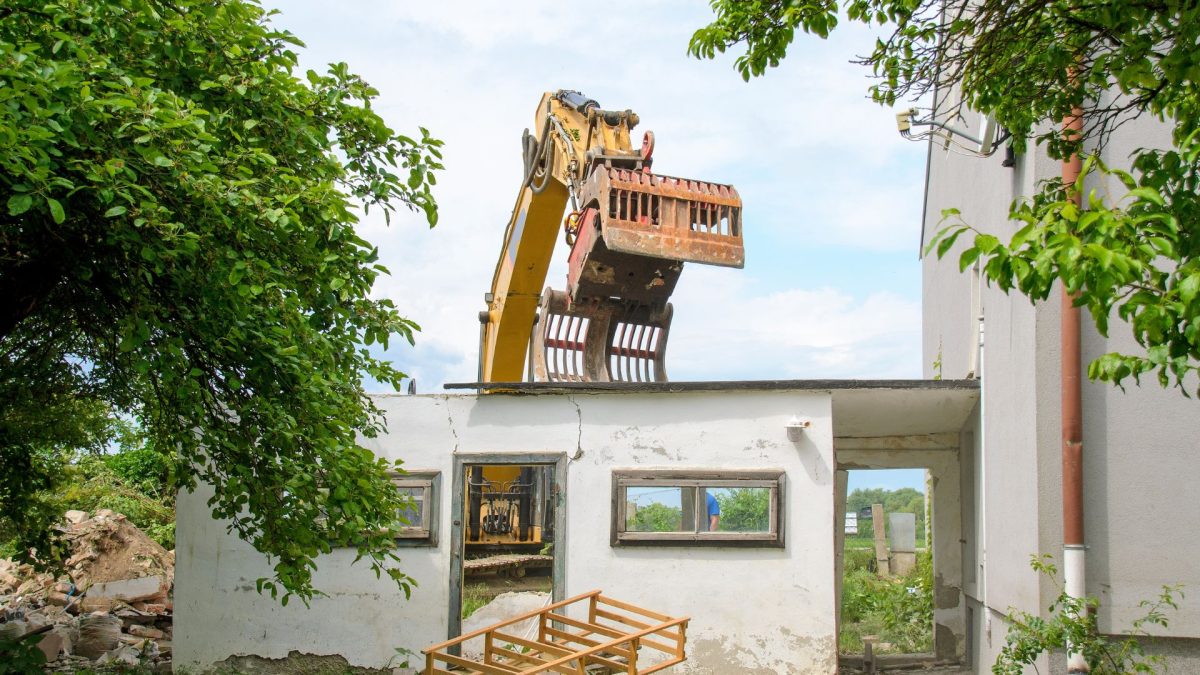
When it comes to dismantling a shed, the difference between a smooth, safe process and a chaotic ordeal often hinges on having the right tools. Trying to tackle demolition without proper equipment can lead to injuries, property damage, and extended project time. Essential tools allow you to systematically deconstruct the structure, ensuring materials can be handled safely and efficiently. They provide leverage, reduce strain, and help maintain control over the debris throughout the process. For example, having sturdy pry bars and sledgehammers allows you to separate panels and dismantle heavy wooden beams without excessive force that could risk your safety.
Beyond physical safety, the correct tools facilitate a cleaner workspace. Using tools designed for demolition ensures debris is manageable, which is critical for post-demolition cleanup. Power tools like reciprocating saws or drills help in cutting through wood or metal quickly, minimizing the risk of uncontrolled collapses or sharp debris scattering. In addition, hand tools such as hammers, crowbars, and wrenches allow precise disassembly of delicate sections, preserving recyclable materials. A well-equipped shed demolition setup ultimately saves time, reduces physical strain, and ensures a thorough cleanup process.
Safety Gear and Personal Protection Equipment
No demolition project can begin without proper personal protective equipment (PPE), which is arguably as essential as any hammer or saw. Safety goggles, gloves, and hard hats protect against flying debris, sharp edges, and accidental impacts. Dust masks or respirators are indispensable when dealing with old wood, insulation, or other materials that generate fine particles. Protective footwear with steel toes ensures that falling tools or heavy wood fragments do not result in injuries, which is especially important in uneven or unstable demolition zones.

Beyond basic protection, specialized gear can further improve safety and efficiency. Knee pads or cushioned work pants reduce strain when kneeling for prolonged periods during dismantling. Ear protection becomes crucial when operating power tools, which can generate sustained noise capable of causing long-term hearing damage. High-visibility clothing is also beneficial when working in low-light or cluttered areas, helping both you and your team maintain spatial awareness. Together, these safety measures create a secure environment, allowing you to focus on demolition without compromising your health or the integrity of the project.
Manual Tools for Precision and Control
Manual tools remain invaluable in shed demolition for tasks that require precision rather than brute force. Hammers, pry bars, and wrenches are key to carefully separating components without unnecessary damage. They allow you to dismantle nails, screws, and bolts in a controlled manner, preserving materials for recycling or reuse. A claw hammer, for instance, can efficiently remove nails while minimizing splintering, making cleanup smoother and reducing material loss.
Screwdrivers and adjustable wrenches add another layer of control, enabling the safe disassembly of fixtures, hinges, and hardware. Handsaws or small crowbars help remove panels or trim with accuracy, particularly when working around delicate sections like windows or doors. Employing manual tools strategically ensures you maintain control over the demolition pace, reduce the likelihood of accidents, and enhance the overall quality of the cleanup. These tools offer the flexibility to tackle both heavy and intricate tasks without relying solely on power, making them indispensable for a comprehensive demolition toolkit.
Power Tools for Efficiency and Speed
While manual tools provide precision, power tools accelerate the demolition process and reduce physical strain. Reciprocating saws, circular saws, and drills allow you to cut through wood, metal, or composite materials quickly, saving hours of labor compared to hand tools alone. They are especially effective for large panels, framing, or corrugated metal roofs that would otherwise require significant effort to dismantle manually. Using power tools strategically allows you to manage large debris safely and maintain project momentum without overexertion.
In addition to speed, power tools enhance safety when used correctly. For example, a reciprocating saw with the right blade can cut nails or screws embedded in wood, preventing dangerous splitting or shattering. Cordless drills remove fasteners efficiently while reducing the risk of repetitive strain injuries. Electric or battery-operated tools also help maintain a clean demolition environment by allowing controlled, straight cuts that limit debris scatter. Overall, combining manual and power tools ensures your shed demolition is both thorough and time-efficient.
Removing Large Structural Components
The removal of large structural elements such as beams, roof panels, or flooring sections demands specific tools and techniques. Leveraging tools like pry bars and crowbars allows you to lift and maneuver heavy components safely. Sledgehammers provide controlled force to break down stubborn sections, but they must be used with precision to prevent unnecessary damage to surrounding areas. Understanding the material composition—wood, metal, or composite—is critical when selecting the appropriate tool to minimize cleanup challenges afterward.
For stability during removal, consider temporary supports such as sawhorses or jacks to hold large beams in place while detaching fasteners. This approach prevents sudden collapses that could cause injury or scatter debris across the demolition site. Pairing these techniques with manual and power tools ensures that large components are handled safely and efficiently. Proper planning in removing major structural parts not only safeguards your team but also streamlines the subsequent cleanup process, making debris management more organized and predictable.
Efficient Debris Management Strategies
Managing debris efficiently during and after demolition is key to a smooth cleanup. Wheelbarrows, heavy-duty trash bins, and large containers enable quick collection and transport of wood, metal, and other materials. Organizing debris by type—wood, metal, plastics—simplifies disposal and recycling, ensuring that reusable materials are preserved. This approach reduces clutter on the worksite, minimizes hazards, and speeds up the overall project timeline.
In addition, protective tarps and drop cloths help contain smaller debris and prevent it from scattering across surrounding areas. Having a designated area for sorting materials before disposal or recycling makes it easier to manage volume and avoid unnecessary trips to dumpsters. Strategically planning debris collection and staging areas ensures that every phase of demolition and cleanup flows smoothly, reducing stress and enhancing overall efficiency.
Specialized Tools for Roof and Wall Removal
Roof and wall sections often pose unique challenges due to their height, angles, and fastener types. Specialized tools like roofing hammers, pry bars, and shingle removers allow for precise, safe removal without damaging underlying structures. Ladder stabilizers and scaffolding ensure you can access elevated areas securely, providing balance and reducing the risk of falls during demolition. These tools are crucial for tackling complex structures that are not easily deconstructed from ground level.
In addition to physical tools, technique matters when handling vertical surfaces. Removing panels or shingles in a systematic, top-to-bottom approach prevents uncontrolled collapses and makes cleanup more manageable. Combining specialized equipment with careful methodology ensures that roof and wall demolition is not only efficient but also safer for those involved. The result is a cleaner, more organized site ready for the next phase of construction or disposal.
Cutting and Handling Metal Components
Metal sheds or components require tools and safety measures distinct from wood demolition. Metal snips, reciprocating saws with metal blades, and angle grinders are essential for cutting steel or aluminum panels accurately. Clamps or vices secure pieces while cutting, preventing movement that could cause injury. Metal debris also demands gloves and eye protection due to sharp edges that could easily cause lacerations.
Handling and disposing of metal efficiently also reduces clutter and facilitates recycling. Sorting metal by type allows it to be processed responsibly, minimizing environmental impact. Using proper tools and protective measures ensures both worker safety and efficient cleanup. Metal-specific strategies are indispensable for demolition projects involving mixed-material sheds, where wood and metal coexist in a single structure.
Tool Maintenance and Safety Checks
Maintaining tools and performing safety checks before starting demolition is critical for preventing accidents. Dull blades, loose handles, or malfunctioning power tools can lead to injuries or project delays. Inspecting each tool, lubricating moving parts, and ensuring proper calibration improves performance and reduces the risk of unexpected malfunctions during work.
Routine maintenance also extends the lifespan of your equipment. Sharpening cutting tools, checking batteries for cordless devices, and confirming that all manual tools are in good condition ensures your demolition efforts proceed without interruption. Taking the time to prepare your tools not only enhances safety but also promotes a smoother, faster, and more effective cleanup process.
Planning and Organizing Your Demolition Workflow
Before swinging a hammer or starting a saw, planning the demolition workflow is essential. Mapping out which sections will be removed first, determining tool placement, and staging debris collection areas reduces confusion and minimizes hazards. An organized approach ensures that each team member knows their role, which streamlines the demolition and cleanup process.
Additionally, anticipating challenges such as difficult fasteners, heavy panels, or awkward angles allows you to prepare appropriate tools in advance. Clear communication and a structured workflow prevent accidents and reduce time spent on corrective actions. Ultimately, thoughtful planning enhances efficiency, keeps the site safe, and ensures a thorough cleanup without unnecessary stress.
Conclusion
Demolishing a shed involves more than brute force; it requires careful preparation, the right tools, and a well-thought-out cleanup plan. From manual hammers and pry bars to power saws and metal cutters, each tool plays a critical role in making the process efficient and safe. Coupled with proper safety gear, organized debris management, and strategic workflow planning, these tools ensure that the demolition and cleanup proceed smoothly, protecting both workers and property. Prioritizing maintenance and understanding material-specific techniques further enhances productivity and safety during every phase of the project.
For residents of Palatine, IL looking for professional assistance, 24-7 Junk Removal offers comprehensive junk removal services, including shed demolition and cleanup. Their trained and insured teams can handle projects of any scale, providing reliable and eco-friendly disposal. Contact 24-7 Junk Removal at (773) 309-6966 or visit them at 611 W. Wise Schaumburg, IL 60193 for expert junk removal solutions. Their staff can answer questions via email at support@24-7junk.com, ensuring that your property remains clutter-free with minimal stress and maximum efficiency.