


In the fast-paced world of commercial operations, businesses accumulate vast amounts of waste daily. Office furniture, outdated technology, and packaging materials quickly pile up, creating not just clutter but environmental strain. Choosing eco-friendly junk removal practices is essential for companies striving to minimize their ecological footprint. By diverting waste from landfills and recycling whenever possible, organizations can play a crucial role in sustainable practices while maintaining organized workspaces. Implementing a structured disposal plan ensures that every item leaving the premises is handled in a way that prioritizes the planet. Items such as electronics can be refurbished or recycled to reduce harmful chemical leaching, while paper, cardboard, and metals can be repurposed into new materials, cutting down the energy required for manufacturing from raw resources.
Commercial spaces that embrace sustainable disposal strategies also benefit from regulatory compliance. Many regions now enforce strict rules regarding hazardous waste, e-waste, and large-scale debris management. Aligning with these regulations reduces legal risk while enhancing corporate reputation. Furthermore, employees and clients notice the company’s commitment to environmental responsibility, reinforcing brand image. Thoughtful planning, including scheduled pickups and sorting waste streams, transforms the tedious task of disposal into a structured, eco-conscious workflow. With professional guidance and careful selection of recyclables, businesses can significantly lessen their environmental impact while keeping commercial areas clean and functional.
Incorporating Recycling Practices in Daily Operations
Integrating recycling into commercial waste management demands more than a simple bin setup. It requires deliberate policies, staff training, and clear categorization of materials. Offices generate a range of waste, from paper and plastics to electronics and furniture, each with unique recycling pathways. Establishing designated stations for different types of recyclables helps employees contribute without confusion. In addition, routine audits of waste streams provide insight into what is being discarded unnecessarily, uncovering opportunities to reduce waste generation at the source. Efficient segregation ensures that recyclable materials do not end up in landfills, promoting environmental stewardship across all operational levels.
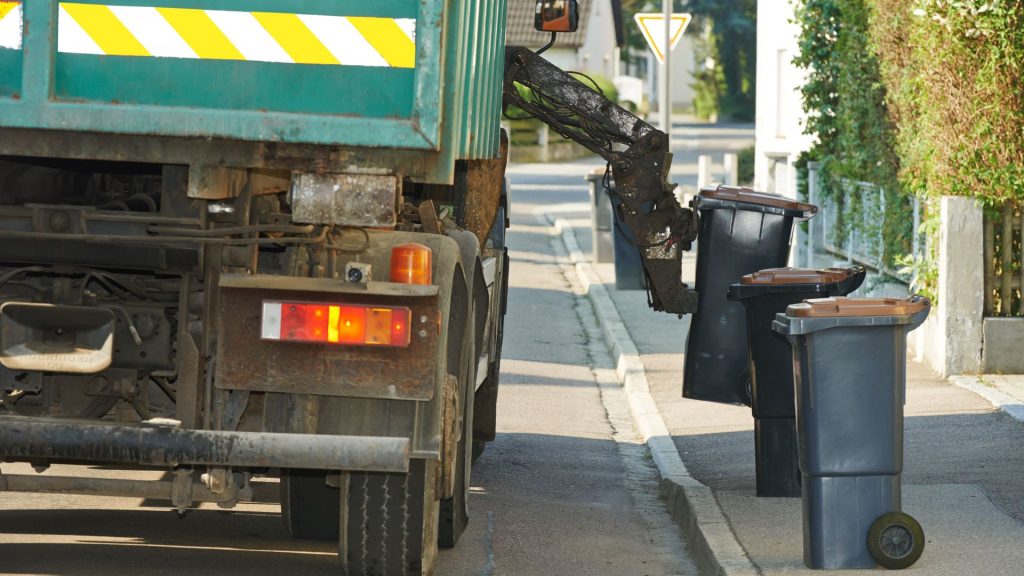
Recycling is not limited to conventional office items. Large commercial equipment or outdated appliances can also be reclaimed through specialized programs. Partnering with companies that prioritize sustainability allows businesses to ensure that items are either refurbished for reuse or broken down responsibly for raw materials. By emphasizing recycling in daily operations, commercial spaces achieve multiple objectives: reduction of environmental impact, better compliance with regulations, and enhanced corporate responsibility. Establishing a culture of mindful disposal fosters an ongoing commitment to green practices, transforming routine waste removal into a strategy that supports both operational efficiency and ecological preservation.
Sustainable Strategies for Electronic Waste
Electronic waste represents one of the fastest-growing waste streams in commercial settings. Computers, servers, printers, and phones contain materials that can be hazardous if improperly discarded, such as lead, mercury, and cadmium. Therefore, implementing sustainable strategies for e-waste management is critical. Businesses can adopt programs that facilitate safe collection, secure data destruction, and proper recycling. Partnering with certified e-waste recyclers ensures that electronics are handled according to strict environmental standards, preventing contamination of soil and water. Additionally, salvaging functional components for reuse reduces the demand for raw materials and the energy-intensive manufacturing of new devices.
Adopting e-waste management policies within commercial operations also strengthens overall sustainability initiatives. Scheduling regular collection intervals prevents accumulation, while proper labeling and storage of outdated electronics protect sensitive data and reduce hazards. Staff training ensures employees understand the importance of responsible disposal, transforming e-waste management from a regulatory obligation into an environmentally-conscious routine. By prioritizing electronic sustainability, businesses not only reduce environmental risk but also reinforce their commitment to innovation, responsibility, and long-term operational efficiency. Eco-conscious approaches in handling technology foster a corporate culture that values both performance and planetary welfare.
Repurposing and Donation of Office Materials
Commercial environments frequently dispose of materials that remain functional or reusable. Old desks, chairs, filing cabinets, and other office essentials often retain usability but are discarded due to redesign or upgrades. Repurposing or donating these items extends their life cycle and reduces landfill contributions. Local nonprofits, schools, or community centers frequently welcome office donations, offering businesses a socially responsible outlet for excess materials. By implementing structured donation programs, companies transform what could be waste into valuable resources for others, aligning operational efficiency with community impact.
Repurposing extends beyond simple furniture. Decorative elements, storage containers, and surplus supplies can be creatively reassigned within the organization or offered to other businesses. An inventory system helps identify items that are no longer needed but still functional, facilitating easy transfer. Beyond reducing environmental burden, repurposing also cultivates a culture of resourcefulness among employees, encouraging innovative thinking about asset use and sustainability. Commercial spaces that embrace repurposing demonstrate that responsible disposal can generate social, economic, and environmental benefits simultaneously, proving that what might seem like junk can often serve a greater purpose.
Minimizing Waste with Pre-Planning and Assessment
Effective eco-friendly junk removal begins with meticulous pre-planning and assessment of commercial spaces. Before discarding items, it is essential to evaluate their potential for reuse, recycling, or donation. Conducting an inventory audit allows businesses to categorize items according to their disposal pathway, which prevents unnecessary landfill contributions. Pre-planning also helps identify hazardous materials that require special handling, ensuring compliance with environmental regulations. A detailed plan streamlines the removal process, reduces costs, and aligns with sustainability objectives, making waste management a strategic rather than reactive endeavor.
Assessment not only identifies disposal needs but also highlights areas where waste reduction strategies can be implemented. By understanding patterns of accumulation, companies can adopt preventive measures, such as ordering fewer disposable items, investing in durable office supplies, or choosing modular furniture that can be adapted over time. A proactive approach reduces the frequency and volume of junk removal required, supporting eco-conscious practices while maintaining operational efficiency. Integrating pre-planning into the commercial workflow transforms waste management from a burdensome task into a forward-thinking sustainability initiative.
Eco-Friendly Transportation and Logistics
Transportation of commercial junk is a crucial factor in environmental impact. Fuel consumption and emissions from hauling vehicles contribute to a company’s carbon footprint. Choosing eco-friendly logistics, such as route optimization, fuel-efficient vehicles, or electric trucks, significantly reduces environmental strain. Coordinating pickups and deliveries in bulk reduces unnecessary trips, minimizing both emissions and traffic congestion. Strategic scheduling ensures timely disposal while maintaining eco-conscious transportation practices, reflecting a commitment to sustainability in every step of waste management.
Integrating green logistics with junk removal further supports the broader corporate sustainability strategy. Collaborating with service providers who prioritize environmental responsibility ensures that the journey of discarded materials is as conscientious as their initial disposal. Tracking metrics such as mileage, fuel consumption, and emissions allows businesses to evaluate and refine their processes continually. By combining efficient transportation with careful handling and proper material segregation, commercial operations achieve comprehensive environmental stewardship, showing that responsible waste management extends beyond the office and into every logistical detail.
Reducing Single-Use Waste in Commercial Spaces
Single-use items constitute a significant portion of commercial waste, including packaging, disposable cutlery, and plastic office supplies. Transitioning away from these materials reduces landfill contributions and promotes sustainability. Encouraging the use of reusable containers, eco-friendly packaging, and digital alternatives diminishes reliance on disposable goods. Policies that prioritize long-term durability over convenience help reshape company culture and operational habits, resulting in measurable reductions in overall waste production.
Minimizing single-use waste also enhances efficiency and cost-effectiveness. Digital documentation reduces paper use, while investing in reusable office supplies decreases frequent replacement needs. Engaging employees in these initiatives fosters a culture of environmental responsibility, making sustainable practices a shared value rather than a top-down mandate. By systematically addressing single-use items, commercial spaces not only reduce their environmental footprint but also optimize operations, proving that sustainability and productivity can progress hand in hand.
Partnering with Professional Eco-Conscious Services
Working with professional junk removal companies that emphasize eco-friendly practices elevates commercial sustainability efforts. These services possess the expertise, equipment, and network required to recycle, repurpose, or dispose of materials responsibly. Partnering with eco-conscious professionals ensures that every step of the removal process, from collection to final processing, prioritizes environmental integrity. Such collaboration enables businesses to focus on core operations while benefiting from specialized knowledge in sustainable waste management.
Professional services also provide transparency in reporting and tracking disposal outcomes. Businesses gain insight into the volume and types of materials recycled, donated, or safely discarded, enabling measurable sustainability benchmarks. By leveraging external expertise, companies reduce operational risk, prevent environmental missteps, and align with growing societal expectations for corporate responsibility. Professional eco-conscious junk removal transforms a routine operational task into a strategic initiative that benefits the environment, community, and the business itself.
Implementing Green Policies Across Departments
Sustainability in commercial spaces is most effective when integrated into policies across departments. Procurement, operations, and facilities management teams can collaborate to enforce eco-friendly disposal and recycling strategies. Establishing guidelines for sourcing recyclable materials, proper waste segregation, and scheduled cleanouts ensures consistency in practice. Cross-departmental policies create a culture of accountability and shared responsibility, embedding green principles into everyday workflows rather than treating them as ad hoc measures.
Green policies also promote continuous improvement. Regular review of procedures helps identify areas for enhanced efficiency, reduced waste, or innovative repurposing strategies. Employee engagement in sustainability initiatives reinforces these policies, fostering a workplace culture where environmental responsibility is a collective mission. By embedding green practices throughout organizational structures, companies demonstrate that eco-conscious commercial operations are achievable, sustainable, and integrated into the very fabric of their operational philosophy.
Leveraging Technology for Waste Reduction
Technology offers innovative solutions to minimize commercial waste. Inventory management systems, digital document storage, and data analytics streamline operations, reducing reliance on physical materials that often become disposable. Automated tracking of supplies and equipment allows companies to anticipate replacement needs, preventing over-ordering and unnecessary disposal. Additionally, digital collaboration tools reduce the need for printed materials, while software-assisted scheduling optimizes removal logistics, cutting both costs and emissions associated with junk transportation.
Embracing technology for waste reduction also facilitates real-time monitoring of sustainability goals. Businesses can measure the impact of green initiatives, track recycling rates, and identify areas for further improvement. By integrating technology into waste management practices, commercial spaces achieve more than efficiency—they cultivate a responsive, data-driven approach to environmental responsibility. This fusion of innovation and eco-conscious practices enables organizations to lead in sustainability while maintaining operational excellence in every facet of daily business.
Conclusion
Eco-friendly junk removal in commercial spaces is more than a compliance requirement—it is a proactive commitment to environmental responsibility and operational efficiency. By implementing sustainable disposal strategies, recycling, repurposing, and leveraging professional services, businesses reduce their ecological footprint while maintaining organized and functional work environments. Incorporating green policies across departments, minimizing single-use waste, and utilizing technology for smarter waste management ensures that environmental considerations are embedded into everyday operations, creating a culture of accountability and resourcefulness. Sustainability becomes an integrated part of company identity, enhancing reputation, employee engagement, and long-term profitability.
For businesses in Palatine, IL seeking comprehensive and environmentally-conscious junk removal, 24-7 Junk Removal provides tailored solutions to meet all commercial disposal needs. Their team ensures every item is handled responsibly, from collection and sorting to recycling and donation. By choosing 24-7 Junk Removal, companies not only achieve a clutter-free workspace but also contribute to eco-friendly practices within the community. Contact 24-7 Junk Removal at (773) 309-6966 or visit their location at 611 W. Wise Schaumburg, IL 60193 to schedule professional junk removal services. Their dedicated support team is also available via email at support@24-7junk.com, ensuring seamless, sustainable solutions for every commercial client.