Categories
Yard Waste Removal

Eco-Friendly Yard Waste Removal What You Should Know

Eco-friendly yard waste removal is more than just a trend it’s a commitment to reducing the environmental footprint of routine garden maintenance. Properly disposing of clippings, leaves, and branches can prevent harmful chemicals from entering waterways and reduces the volume of waste sent to landfills. By choosing sustainable methods, homeowners can contribute to soil health and promote a balanced ecosystem. Composting is one of the most effective strategies allowing yard debris to decompose naturally and return nutrients to the soil. This approach avoids the need for chemical fertilizers while enhancing soil structure and moisture retention.

In addition to composting, responsible collection and removal practices play a significant role. Using biodegradable bags, designated yard waste bins, and professional services that prioritize recycling ensures that waste is handled with minimal environmental impact. Implementing these practices encourages a greener approach to yard maintenance, safeguarding plant life and local wildlife. The focus on eco-friendly yard waste disposal also fosters awareness within the community encouraging others to adopt sustainable habits. The combination of proper disposal methods and conscientious landscaping practices creates a long-lasting positive effect on the environment.

Benefits of Sustainable Yard Waste Management

Managing yard waste sustainably has both environmental and practical benefits. Environmentally, it helps conserve natural resources by recycling organic matter into valuable compost or mulch. These materials enrich garden soil, reduce the need for synthetic fertilizers, and enhance water retention, resulting in healthier plant growth. By diverting yard debris from landfills, sustainable management practices also reduce methane emissions a potent greenhouse gas that contributes to climate change. This approach minimizes the ecological footprint of household gardening activities while promoting an eco-conscious lifestyle.
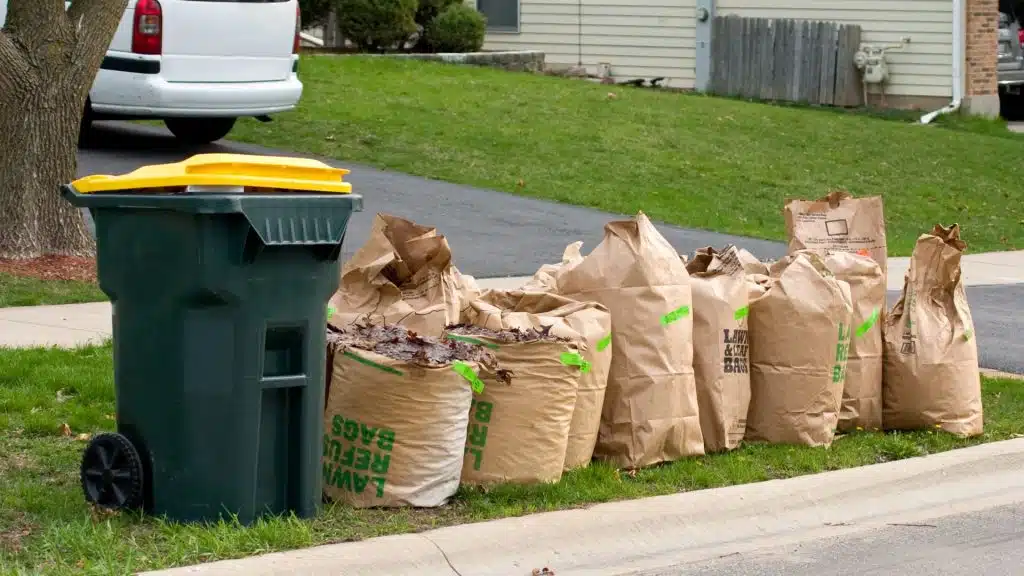
From a practical standpoint, organized yard waste removal reduces clutter and hazards in outdoor spaces. Piles of leaves and branches can attract pests or create fire risks if left unmanaged. Sustainable practices, including professional collection services, provide a streamlined solution that keeps yards safe and visually appealing. Moreover, businesses focused on green disposal methods ensure that yard waste is processed responsibly either through composting, mulching, or donation programs. The synergy of environmental stewardship and practical yard care makes sustainable management a smart choice for homeowners seeking a cleaner greener approach to their outdoor spaces.

Methods for Eco-Friendly Yard Waste Removal

There are several effective methods for eco-friendly yard waste removal, each tailored to different types of organic debris. Composting is a popular choice allowing homeowners to convert leaves, grass clippings, and small branches into nutrient-rich material for gardens. Mulching is another technique that repurposes yard waste to cover soil, suppress weeds, and retain moisture while reducing the need for chemical fertilizers. Shredding larger branches and woody materials into usable mulch or biomass for energy production also ensures that every bit of organic matter has a purpose rather than contributing to landfill waste.

Professional services often complement these methods by providing tools, transport, and proper disposal channels. Companies specializing in green junk removal ensure that yard waste is sorted for recycling or composting. By partnering with such services, homeowners can handle larger amounts of debris efficiently without compromising their environmental values. Using eco-conscious approaches like this maximizes the benefits of yard waste while minimizing environmental harm. Overall, adopting multiple methods tailored to the type of debris ensures an integrated approach to sustainable yard management.

Seasonal Considerations for Yard Waste Disposal

Seasonal changes significantly impact how yard waste is managed, and eco-friendly removal strategies must adapt accordingly. Spring and summer often generate excess grass clippings and garden trimmings, while autumn produces a large volume of fallen leaves. Winter, in some regions, results in dormant vegetation and accumulated debris. Understanding the seasonal patterns helps in planning proper disposal, ensuring that organic materials are recycled or composted efficiently rather than piling up and creating environmental hazards.

Adjusting collection schedules and methods according to seasonal demands ensures that yard waste is managed sustainably year-round. Homeowners can store compostable materials for delayed processing during colder months or schedule professional pickups when the volume is high. This adaptability maintains the efficiency of eco-friendly yard waste removal and prevents overloading local waste facilities. Seasonal planning also supports soil enrichment practices, allowing nutrients from decomposed organic matter to benefit the garden at the right time, promoting a healthier and greener landscape.

Tools and Equipment for Green Yard Cleanup

Eco-friendly yard cleanup relies on the right tools and equipment to handle debris safely and efficiently. Manual tools such as rakes, pruners, and wheelbarrows reduce the need for gas-powered machinery, lowering carbon emissions. Electric or battery-operated alternatives provide environmentally conscious options for larger cleanup tasks while minimizing noise pollution. Using proper storage solutions, such as compost bins and biodegradable bags, further enhances the sustainability of yard waste management by ensuring that materials are contained and ready for processing.

Larger or bulkier yard waste often requires professional equipment for safe removal. Eco-conscious junk removal services use trucks, shredders, and composting systems designed to reduce landfill contributions. By utilizing specialized tools, these services can manage volume effectively while adhering to green practices. Choosing appropriate tools not only enhances efficiency but also aligns with the goal of eco-friendly disposal, ensuring that yard maintenance is both effective and environmentally responsible. Homeowners equipped with these resources can maintain a clean yard while making meaningful contributions to sustainability.

Impact of Improper Yard Waste Disposal

Improper yard waste disposal can have serious environmental consequences. When leaves, grass clippings, and branches are dumped in unauthorized areas or landfills, they can block drainage systems, increase pollution, and produce methane as they decompose anaerobically. Chemicals used in treated lawns can leach into soil and water, harming plants, wildlife, and human health. Furthermore, unmanaged yard debris can create fire hazards or attract pests, causing additional risks in residential neighborhoods.

Adopting eco-friendly disposal methods mitigates these negative effects. Composting, mulching, and responsible pickup services ensure that organic matter returns to the ecosystem safely. This approach not only protects local flora and fauna but also contributes to the health of surrounding communities. Environmental benefits include improved soil quality, reduced pollution, and lower greenhouse gas emissions. By understanding the risks associated with improper disposal, homeowners can make informed choices that protect the environment and maintain safer, cleaner outdoor spaces.

Role of Professional Yard Waste Removal Services

Professional yard waste removal services play a critical role in ensuring sustainable disposal practices. These companies offer expertise in sorting, transporting, and processing yard debris in environmentally responsible ways. By leveraging established networks with composting facilities, recycling centers, and donation programs, they can handle large volumes of waste efficiently without compromising green principles. Their knowledge of regulations and local guidelines ensures compliance while minimizing the ecological impact of yard waste.

Beyond regulatory compliance, professional services enhance convenience for homeowners. Scheduling pickups and utilizing specialized equipment allows for efficient management of bulky or hazardous materials. Additionally, eco-conscious providers focus on reducing landfill contributions through recycling or repurposing, offering an effective solution for responsible yard maintenance. Partnering with professionals streamlines the removal process and maximizes environmental benefits, making green yard cleanup accessible even for busy households or large properties.

Common Misconceptions About Eco-Friendly Disposal

Many homeowners hold misconceptions about eco-friendly yard waste removal that can hinder sustainable practices. Some believe that composting requires excessive time or space, while others assume that professional services are prohibitively expensive. In reality, even small-scale composting can significantly reduce waste, and affordable professional services often exist that prioritize recycling and sustainability. Another misconception is that all yard waste is automatically eco-friendly when disposed of in standard bins, but improper handling can still harm the environment.

Addressing these myths encourages wider adoption of green practices. Education about the actual benefits of composting, mulching, and responsible disposal empowers homeowners to make informed decisions. It also highlights that eco-friendly methods are accessible, practical, and economically viable. By dispelling misunderstandings, communities can foster sustainable habits, reduce landfill strain, and promote healthier outdoor spaces. Understanding the truth behind these common misconceptions strengthens the commitment to environmentally responsible yard management.

Tips for Reducing Yard Waste

Reducing yard waste at the source is an essential component of eco-friendly management. Simple practices like regular lawn mowing, selective pruning, and planting native species help minimize debris while supporting the local ecosystem. Incorporating perennial plants reduces the need for frequent replanting and excessive trimming, while mulching cuttings back into the soil enriches garden beds naturally. By proactively managing the garden, homeowners can significantly cut down on the volume of waste generated each season.

Planning garden layouts strategically also contributes to waste reduction. Grouping plants according to growth patterns and sunlight requirements minimizes excessive trimming and plant stress. Using rainwater and organic fertilizers reduces reliance on chemical treatments that can contaminate yard waste. Every small step taken in yard maintenance reduces environmental strain and promotes sustainability. These habits, when combined with professional removal services that prioritize eco-friendly disposal, create a comprehensive approach to responsible yard management that benefits both homeowners and the planet.

Conclusion

Eco-friendly yard waste removal is an investment in both the environment and the quality of life at home. By adopting sustainable practices such as composting, mulching, and partnering with professional services, homeowners can reduce their environmental footprint while maintaining clean and safe outdoor spaces. The benefits extend beyond aesthetics, contributing to healthier soil, less pollution, and a thriving local ecosystem. Understanding seasonal impacts, using the right tools, and dispelling misconceptions further enhances the effectiveness of green yard maintenance strategies. Embracing these methods ensures a responsible and rewarding approach to managing yard debris.

For residents seeking professional assistance, 24-7 Junk Removal in Palatine IL provides comprehensive eco-friendly yard waste services. Their team specializes in junk removal and ensures responsible disposal practices through recycling, composting, and donation programs. Homeowners can contact them at (773) 309-6966 to schedule a consultation or service. With a focus on sustainability, safety, and convenience, 24-7 Junk Removal offers solutions that protect the environment while efficiently clearing unwanted yard debris. Their location at 611 W. Wise Schaumburg, IL 60193 and responsive support via support@24-7junk.com make them a reliable choice for eco-conscious property maintenance.

Categories
Yard Waste Removal

How Yard Waste Removal Improves Your Outdoor Living Space

A cluttered yard can make even the most beautiful home look neglected. Overgrown leaves, broken branches, and piles of garden debris create visual chaos that distracts from your property’s true charm. Removing yard waste transforms your outdoor environment, allowing manicured lawns, vibrant flower beds, and thoughtfully designed landscaping to take center stage. Clear pathways and open spaces not only improve the aesthetic appeal but also highlight architectural features and create a welcoming atmosphere for guests and neighbors alike. A well-maintained yard signals pride in ownership and sets a positive tone for the entire property.

Beyond aesthetics, clearing yard debris provides practical benefits for plant health. Accumulated leaves and organic waste can harbor pests and fungi that threaten lawns and garden plants. By systematically removing yard waste, you reduce these risks, encourage healthy growth, and create an environment where native plants and seasonal blooms can thrive. The result is a visually stunning and sustainable outdoor space that reflects careful maintenance and thoughtful planning.

Promoting Safety and Accessibility

Yard debris is not just an eyesore but also a potential hazard. Fallen branches, slippery leaves, and hidden rocks can cause trips, falls, or injuries to children, pets, and visitors. Removing these hazards enhances safety and ensures outdoor areas are more accessible for everyone. A clear yard provides open paths for walking, playing, and gardening, allowing you to fully enjoy your outdoor living space without worrying about accidents.

Accessibility extends beyond safety. For individuals with mobility challenges, navigating a cluttered yard can be frustrating and discouraging. Proper yard waste removal simplifies movement and makes outdoor spaces more inclusive. It also facilitates routine maintenance tasks, such as mowing or planting, because obstacles are minimized. An organized and debris-free yard therefore combines safety, convenience, and usability, fostering an inviting space for relaxation and recreation.

Encouraging Healthy Lawn and Garden Growth

Organic yard waste, if left unmanaged, can smother grass and prevent sunlight from reaching the soil, impeding growth and creating patchy lawns. Regular removal of leaves, grass clippings, and plant trimmings promotes healthy lawn development by ensuring sunlight, water, and nutrients can reach the soil efficiently. This improves turf density, encourages vibrant green coloration, and reduces bare spots that invite weeds. A well-maintained lawn also supports a thriving garden ecosystem, enhancing soil quality and supporting pollinators.

Garden beds also benefit from systematic waste removal. Old plant matter can introduce disease and hinder new growth if not properly disposed of. By clearing spent flowers, pruned branches, and other debris, you make room for fresh plantings, support root development, and reduce the likelihood of mold or pest infestations. This proactive approach ensures your garden flourishes season after season, offering a visually appealing and productive outdoor environment.

Reducing Pest Infestations

Accumulated yard waste provides shelter for unwanted pests such as rodents, insects, and snakes. Piles of leaves and branches create dark, damp hiding spots that encourage infestations, which can spread to gardens or even your home. Regular removal of yard waste interrupts pest habitats, making your yard less attractive to these intruders. This preventive measure safeguards plants, flowers, and vegetables while reducing the need for chemical treatments or traps.

In addition to reducing infestations, a tidy yard promotes a balanced ecosystem. Beneficial insects and wildlife can thrive without competing with pests for space and resources. Birds, pollinators, and small mammals contribute to plant pollination and natural pest control, enhancing overall garden health. A clean, debris-free yard therefore not only looks appealing but also fosters a more harmonious and sustainable outdoor environment.

Facilitating Efficient Landscaping Projects

Attempting a landscaping project in a cluttered yard can be frustrating and inefficient. Yard waste removal clears the workspace, providing unobstructed access to areas needing attention. Whether installing a patio, planting a flower bed, or building a garden path, a clean yard allows you to execute projects smoothly and safely. Preparation and waste removal reduce delays caused by hidden obstacles and make it easier to transport materials, position equipment, and visualize your design.

A clean outdoor space also allows for more precise planning and creative flexibility. Without debris, you can experiment with layouts, adjust plant placement, and integrate decorative elements effectively. This streamlined approach leads to better results and saves time, effort, and resources. By tackling yard waste first, you set the foundation for successful landscaping that enhances both beauty and functionality.

Improving Soil Quality and Sustainability

Organic yard waste can be composted and repurposed to enrich soil, providing a natural source of nutrients for gardens and lawns. Removing debris and channeling it into compost or green waste recycling promotes sustainable yard management and reduces reliance on chemical fertilizers. Healthy, nutrient-rich soil supports robust plant growth and improves water retention, helping your lawn and garden withstand seasonal changes.

Sustainability efforts also contribute to environmental stewardship. Yard waste that is recycled or composted minimizes landfill contributions and reduces greenhouse gas emissions associated with decomposition in dumps. By managing yard debris responsibly, you cultivate a greener outdoor space while participating in eco-friendly practices that benefit both your property and the broader community.

Enhancing Outdoor Entertainment Spaces

Yards often double as spaces for gatherings, dining, and recreational activities. Excess debris can hinder the usability and appeal of these areas, making them less inviting for guests. Yard waste removal creates open, clean spaces for entertaining, ensuring patios, decks, and lawns are visually appealing and functional. A tidy outdoor area allows for versatile use, whether hosting barbecues, playing sports, or simply relaxing with family.

Well-maintained entertainment spaces also increase comfort and enjoyment. Guests feel welcomed in organized surroundings, while homeowners can confidently showcase their property. Clean outdoor zones reduce hazards, enhance aesthetics, and create a sense of order that supports social interaction. Yard waste removal thus directly contributes to an enjoyable, versatile environment for relaxation and entertainment.

Supporting Seasonal Maintenance Efforts

Outdoor spaces require seasonal attention to maintain beauty and health. Leaf accumulation in autumn, storm debris in winter, and overgrowth in spring can overwhelm yards if not promptly addressed. Yard waste removal simplifies seasonal maintenance by clearing accumulated debris, allowing for effective mowing, pruning, and planting. This proactive approach ensures your yard remains well-kept year-round and reduces the time and effort needed for routine upkeep.

Routine debris management also prevents long-term damage to soil and plants. Heavy leaf layers can suffocate grass, while rotting branches may spread disease to healthy trees. By systematically removing waste, homeowners protect their landscapes from seasonal stressors and maintain visual appeal throughout the year. This consistent care reinforces a healthy, resilient outdoor environment.

Increasing Property Value

A well-maintained, debris-free yard directly contributes to property value. Prospective buyers are drawn to homes with attractive, safe, and organized outdoor spaces, which reflect responsible ownership. By removing yard waste, you improve curb appeal, enhance landscape aesthetics, and demonstrate attention to detail—factors that can influence appraisal value and buyer interest.

Additionally, a clean yard reduces potential maintenance concerns for future owners. Healthy lawns, clear pathways, and pest-free environments suggest a home that has been cared for, minimizing perceived risks and fostering confidence in the property. Investing time and effort in yard waste removal is therefore not only a matter of visual appeal but also a practical strategy to increase market value.

Fostering Community Pride

An uncluttered and attractive yard extends beyond personal satisfaction, influencing neighborhood aesthetics. Clean, well-kept outdoor spaces encourage neighbors to maintain their properties, fostering a culture of pride and respect within the community. Streets lined with tidy yards promote a sense of cohesion, safety, and overall well-being for residents.

Visible commitment to yard maintenance also reduces littering and encourages shared environmental responsibility. When multiple households prioritize waste removal, the neighborhood becomes a more welcoming and enjoyable place for everyone. By maintaining a debris-free yard, homeowners actively contribute to a healthier, more appealing community environment.

Encouraging Personal Enjoyment and Relaxation

Outdoor living spaces are intended to provide a retreat from daily stress. Yard waste, however, can create visual and physical clutter that diminishes relaxation. Removing debris enhances tranquility, creating a serene environment for reading, meditation, or casual conversation. The act of clearing the yard can also be therapeutic, offering a sense of accomplishment and connection with nature.

A well-maintained yard encourages regular use, whether for gardening, exercising, or socializing. Clean paths, open lawns, and organized garden beds invite homeowners to spend more time outdoors, promoting mental well-being and physical activity. By eliminating yard waste, you create a personalized sanctuary that supports health, happiness, and overall life satisfaction.

Conclusion

Investing in yard waste removal has far-reaching benefits, from boosting curb appeal and safety to supporting plant health and outdoor entertainment. A tidy, debris-free yard not only improves your property visually but also enhances usability, fosters community pride, and encourages sustainable practices. Homeowners in Palatine, IL looking to maximize their outdoor living spaces can benefit significantly from professional services that handle waste efficiently, responsibly, and conveniently.

For comprehensive Junk Removal in Palatine, IL, 24-7 Junk Removal provides expert assistance to keep your yard and property pristine. Located at 611 W. Wise Schaumburg, IL 60193, their team is available at (773) 309-6966 or via support@24-7junk.com to schedule prompt, reliable service. With a commitment to eco-friendly disposal and community-focused solutions, they ensure that your yard remains clean, safe, and inviting year-round. Choosing 24-7 Junk Removal means partnering with professionals who prioritize efficiency, sustainability, and customer satisfaction for every project.

Categories
Yard Waste Removal

Yard Waste Removal: Eco-Friendly Solutions for a Clean Yard

A yard often tells a story of how well a home is cared for, but cluttered lawns filled with fallen branches, leaves, and debris can easily disrupt that picture. When organic waste piles up, it not only affects the beauty of a property but can also become a breeding ground for pests. Mosquitoes, termites, and rodents thrive in damp leaf piles or rotting wood, creating health risks that no one wants to deal with. Beyond the immediate discomfort of bugs and unpleasant smells, neglecting yard waste can also damage grass and plants beneath it, suffocating healthy growth.

Maintaining a clean yard is more than keeping things visually appealing. It’s about ensuring that the outdoor space supports a balanced environment. Regular removal of yard waste encourages plants and grass to thrive while preventing soil from being compacted with decomposing material. A healthy yard increases curb appeal and makes spending time outdoors enjoyable, transforming what could be a frustrating space into a welcoming one.

Why Eco-Friendly Yard Waste Disposal Matters

Every bag of yard waste has the potential to end up in a landfill, but there are smarter options that help both the homeowner and the planet. Landfills are already crowded, and organic matter that should decompose naturally often gets trapped beneath layers of plastic and garbage, releasing harmful greenhouse gases instead of returning nutrients to the soil. That’s why eco-friendly disposal methods make such a difference—they give nature back what came from it.

When yard debris is composted or mulched, it becomes a valuable resource. Leaves and grass clippings transform into nutrient-rich matter that feeds soil and improves future plant growth. Branches and wood can be chipped and reused, reducing the need for synthetic fertilizers and landscaping materials. Choosing eco-friendly solutions doesn’t just reduce waste; it turns what might look like a nuisance into a cycle of renewal that supports a healthier environment.

Composting Yard Debris for Natural Fertilizer

Few things are as satisfying as turning yard scraps into something that nourishes your garden. Composting is a natural way to break down leaves, clippings, and small branches into a soil amendment that enriches flowerbeds, vegetable gardens, and lawns. The process requires little more than a designated spot, a balance of green and brown matter, and patience. Over time, what once seemed like a pile of waste becomes dark, crumbly compost full of life-giving nutrients.

This method of waste recycling not only cuts down on disposal costs but also reduces reliance on store-bought fertilizers. Instead of purchasing bags of chemical solutions, homeowners can rely on what their yard naturally produces. Composting also improves soil structure, helping it retain moisture during dry spells and enhancing its ability to support roots. It’s a simple yet powerful way to close the loop on yard waste while keeping your outdoor space greener in every sense of the word.

Mulching as a Sustainable Alternative

While composting takes time, mulching provides immediate results. Yard debris like grass clippings, small branches, and leaves can be shredded and spread across garden beds or around trees. This layer of natural material conserves soil moisture, reduces weed growth, and regulates soil temperature throughout the year. It essentially works as a protective blanket for your plants, all while recycling waste in the most practical way.

What makes mulching even more appealing is how it reduces the need for synthetic landscaping products. By reusing what’s already in the yard, homeowners can cut costs while enriching their soil naturally. Mulch also slowly decomposes, adding organic matter back into the earth. It’s an approach that benefits both plants and the environment, proving that sustainable practices can be simple and effective when done consistently.

Safe Disposal of Large Branches and Wood

Not every piece of yard waste fits neatly into a compost bin or mulch pile. Large branches, logs, and stumps can pose a unique challenge, often being too heavy or cumbersome for homeowners to handle on their own. Leaving them to rot may seem like an easy option, but oversized debris takes years to decompose and can attract insects or fungi that damage nearby vegetation. Proper removal and recycling ensure that the yard remains safe and functional.

Wood waste doesn’t need to be discarded entirely. Many branches can be repurposed into firewood, furniture projects, or landscaping borders. In communities with recycling programs, larger pieces can often be chipped into mulch or processed for other uses. Taking the time to handle large wood responsibly keeps the yard clear while giving natural resources another chance to serve a purpose beyond the initial life of the tree.

Yard Waste and Storm Cleanup

After a storm, yards often look less like peaceful green spaces and more like scattered disaster zones. High winds and heavy rain bring down branches, scatter leaves, and sometimes even topple trees. Cleaning up after such events isn’t just about restoring appearances—it’s about safety. Debris left unchecked can block pathways, damage fences, or create tripping hazards for anyone walking through the yard.

Quick removal of storm waste also prevents long-term issues. Piled-up wet debris can quickly lead to mold growth, while broken branches left hanging may cause further damage during the next gust of wind. Organizing storm cleanup to include eco-friendly solutions such as composting smaller debris or recycling wood ensures that the recovery process is not only efficient but also environmentally responsible.

Seasonal Yard Cleanups and Waste Reduction

Different times of year bring different yard challenges. Spring growth often means trimming back shrubs and trees, summer requires frequent lawn care, and fall brings waves of leaves that blanket every surface. Without a plan, seasonal yard maintenance can easily turn into piles of waste that feel overwhelming. Creating a routine that incorporates sustainable disposal methods ensures that no season leaves the yard in disarray.

For example, leaves in autumn can be mulched directly into the soil or added to compost piles, creating a natural resource for the next growing season. Grass clippings in summer can be left on the lawn as a natural fertilizer, reducing the need for additional inputs. By looking at each season as an opportunity to recycle yard waste, homeowners can keep their outdoor spaces beautiful while significantly reducing the amount of material that ends up in landfills.

Reducing Plastic in Yard Waste Disposal

While it may seem easier to bag leaves and clippings in plastic, those bags often negate the environmental benefits of recycling organic material. Plastic does not decompose and frequently contaminates the composting process when yard waste is sent to facilities. Shifting toward reusable containers, biodegradable bags, or direct mulching eliminates unnecessary plastic and keeps the waste stream cleaner.

Small changes in disposal habits make a big impact over time. Choosing sustainable packaging options or even delivering yard waste to local composting sites in open bins ensures that the organic matter returns to the soil without being trapped in plastic. By removing single-use plastics from yard waste practices, the cycle of sustainability remains intact, and homeowners play an important part in reducing the broader environmental footprint.

Community Yard Waste Programs

Many towns and cities now offer programs that collect and recycle yard waste, making it easier for residents to manage outdoor debris responsibly. These services often include curbside collection, drop-off sites, or scheduled cleanups during heavy leaf fall seasons. Participating in such programs ensures that the waste is properly processed, composted, or mulched instead of being dumped into landfills.

Community programs also build a sense of shared responsibility. When entire neighborhoods commit to eco-friendly disposal, the overall environmental impact is greater, and the benefits extend beyond individual yards. Cleaner streets, healthier soil, and reduced landfill usage all stem from these collective efforts. Making use of local resources helps transform yard maintenance into a practice that supports both the environment and the community.

Turning Yard Waste into Creative Projects

Not all yard debris needs to be hauled away or composted. With a little imagination, branches, leaves, and other materials can be repurposed into functional or decorative projects. Twigs may become kindling bundles, large branches can be turned into rustic garden furniture, and leaves can be used in craft projects or as insulation for delicate plants during colder months.

These creative uses keep materials out of the waste stream and give them a second life. Beyond being environmentally friendly, such projects often save money and add personal character to outdoor spaces. Instead of seeing yard waste as a problem, it becomes an opportunity for creativity and sustainability combined. Each project, no matter how small, contributes to reducing the need for artificial materials while celebrating the natural cycle of growth and reuse.

Conclusion

Keeping a yard clean is as much about responsibility as it is about aesthetics. Eco-friendly yard waste removal ensures that what comes from nature returns to it in a beneficial way, whether through composting, mulching, or repurposing. Every step taken to manage outdoor debris responsibly contributes to healthier soil, safer yards, and a more balanced environment.

For homeowners seeking professional support in managing outdoor debris, 24-7 Junk Removal in Palatine IL provides reliable and eco-conscious solutions. They specialize in Junk Removal that aligns with sustainable practices and help transform cluttered spaces into clean, functional areas. To schedule a yard waste removal service, call (773) 309-6966 or email support@24-7junk.com for more details and assistance.