When you hire a junk removal service, it’s natural to wonder what happens to your items after they’re picked up. In an era where sustainability is paramount, many companies are adopting eco-friendly practices to ensure that discarded items are handled responsibly. These practices not only help reduce landfill waste but also promote recycling and repurposing, contributing to a healthier environment.
The journey of your unwanted items begins when the junk removal team arrives at your location. They assess the items to determine the best course of action for each piece. Items that are still in usable condition are often donated to local charities, providing them a second life and benefiting those in need. Appliances and electronics are typically taken to specialized recycling centers where valuable materials can be extracted and reused, minimizing environmental impact.
Sorting and Categorizing Items for Responsible Disposal
Once your items are collected, the next step involves sorting and categorizing them to determine the most appropriate disposal method. This process is crucial for maximizing recycling efforts and ensuring that hazardous materials are handled safely. For instance, electronics containing harmful substances like lead or mercury are carefully processed to prevent environmental contamination.
Furniture and household items that are still in good condition are often refurbished or repurposed. This not only extends the life of these items but also reduces the demand for new resources, aligning with the principles of a circular economy. By diverting items from landfills, eco-friendly junk removal services play a significant role in conserving natural resources and reducing pollution.
The Role of Recycling Centers in Eco-Friendly Junk Removal
Recycling centers play a pivotal role in the eco-friendly junk removal process. After items are sorted, those that can be recycled are sent to these centers where they are processed and transformed into new materials. Metals, plastics, and glass are common materials that can be recycled, reducing the need for virgin resources and lowering energy consumption.
The recycling process involves breaking down the collected materials and converting them into raw forms that can be used in manufacturing new products. This not only conserves natural resources but also reduces greenhouse gas emissions associated with producing new materials. By supporting recycling centers, junk removal services contribute to a more sustainable and resource-efficient economy.
Donating Usable Items to Local Charities
One of the most impactful aspects of eco-friendly junk removal is the donation of usable items to local charities. Many items that are discarded are still in good condition and can be of great use to others. Donating these items helps those in need while also reducing waste.
Local charities often welcome donations of furniture, clothing, and household goods. These donations can make a significant difference in the lives of individuals and families, providing them with essential items they may not otherwise afford. By choosing a junk removal service that prioritizes donations, you contribute to your community and help promote a culture of sharing and sustainability.
The Environmental Benefits of Eco-Friendly Junk Removal
Furthermore, recycling materials like metals and plastics reduces the need for mining and manufacturing new materials, conserving natural resources and energy. The overall reduction in waste and resource consumption contributes to a healthier planet and supports efforts to combat climate change.
Choosing an Eco-Friendly Junk Removal Service
When selecting a junk removal service, it’s important to consider their environmental practices. Look for companies that prioritize recycling, repurposing, and donating items. Many reputable services provide information about their sustainability efforts on their websites, allowing you to make an informed decision.
Additionally, inquire about their disposal methods and whether they partner with local charities and recycling centers. A commitment to eco-friendly practices reflects a company’s dedication to environmental stewardship and community support.
The Importance of Proper Disposal of Hazardous Materials
Certain items require special handling due to their hazardous nature. Chemicals, batteries, and certain electronics contain substances that can be harmful to the environment if not disposed of properly. Eco-friendly junk removal services are equipped to handle these materials safely, ensuring they are processed in compliance with environmental regulations.
Proper disposal prevents the leaching of toxic substances into the soil and water, protecting ecosystems and public health. By choosing a junk removal service that adheres to these standards, you contribute to the safe management of hazardous materials and the preservation of natural resources.
The Impact of Eco-Friendly Junk Removal on Local Communities
Moreover, the reduction in waste and pollution contributes to cleaner, healthier communities. Residents can take pride in knowing that their discarded items are being handled responsibly, fostering a sense of collective responsibility and community well-being.
How You Can Contribute to Eco-Friendly Junk Removal
You can play an active role in promoting eco-friendly junk removal by being mindful of what you discard. Before throwing away items, consider whether they can be recycled, repurposed, or donated. Many items that seem like trash can have a second life with a little creativity or effort.
Additionally, support businesses and services that prioritize sustainability. Your choices can encourage more companies to adopt eco-friendly practices, amplifying the positive impact on the environment and society.
Conclusion
In conclusion, eco-friendly junk removal services play a crucial role in promoting sustainability and reducing environmental impact. By ensuring that items are recycled, repurposed, or donated, these services help conserve resources, reduce waste, and support local communities. When selecting a junk removal service, consider their environmental practices and choose those that align with your values. Together, we can contribute to a cleaner, greener planet.
For residents and businesses in Palatine, Illinois, seeking reliable and eco-friendly junk removal services, 24-7 Junk Removal is a trusted local provider. Operating from Schaumburg, IL, their team is committed to responsible disposal practices, ensuring that over 65% of collected items are donated, repurposed, or recycled. To schedule a service or request more information, contact them at (773) 309-6966 or via email at support@24-7junk.com. Their office is located at 611 W. Wise, Schaumburg, IL 60193.
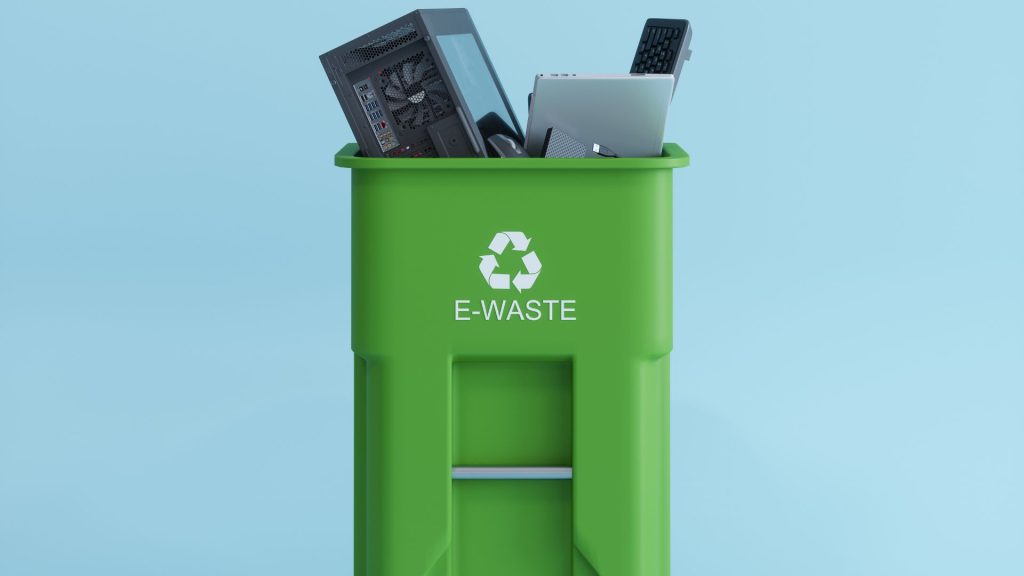
Electronic waste, commonly referred to as e-waste, represents far more than just outdated or broken gadgets collecting dust in our homes. Devices such as old smartphones, computers, televisions, and tablets contain a mix of metals, plastics, and chemical compounds that can be dangerously toxic if improperly discarded. Substances like lead, mercury, cadmium, and brominated flame retardants are common in these items, and when they enter landfills, they can seep into soil, groundwater, and waterways. This contamination has the potential to disrupt local ecosystems, affect wildlife, and even threaten human health when hazardous chemicals find their way into the food chain. The invisible nature of these dangers often makes e-waste seem harmless, yet the environmental implications are profound, affecting air, water, and soil quality across communities. Understanding the risks associated with improper e-waste disposal is a critical first step in adopting safe and responsible practices that protect both people and the planet.
In addition to environmental hazards, informal and unsafe handling of e-waste can pose severe health risks. Many discarded electronics end up in regions where workers dismantle devices without proper protective equipment, exposing themselves to toxic metals and chemicals through inhalation or skin contact. Practices such as open burning, acid baths, and uncontrolled extraction of valuable metals may recover some resources but result in serious harm to workers and nearby communities. Respiratory illnesses, neurological issues, and chemical burns are common consequences of such unsafe handling methods. Recognizing the hidden dangers in our e-waste stream encourages a shift toward responsible disposal and recycling, emphasizing the importance of certified recycling channels and environmentally conscious solutions that prevent the spread of toxic substances.
The Importance of Recycling E-Waste Responsibly
Recycling e-waste is more than simply freeing up space in our homes; it is an essential environmental practice. Electronic devices often contain precious metals like gold, silver, and copper, alongside plastics and other components that can be recovered and reused. By recycling responsibly, we reduce the need for new mining operations, conserve natural resources, and prevent additional energy-intensive processes. Proper recycling also ensures that hazardous materials such as lead and mercury do not leach into the environment, mitigating the risk of soil and water contamination. Every small effort to recycle e-waste responsibly contributes to a larger goal of sustainability and environmental protection, demonstrating that even individual actions can create meaningful change in reducing the harmful impacts of discarded electronics.
It is equally important to select recycling methods and facilities that adhere to strict environmental and safety standards. Certified e-waste recyclers follow protocols designed to dismantle, process, and safely dispose of hazardous components while maximizing material recovery. Without these safeguards, e-waste can still pose a threat if it ends up in unregulated recycling streams or landfills. Ensuring your electronics are handled by certified recyclers guarantees that harmful substances are contained and recovered efficiently, preventing them from contaminating the environment. Choosing responsible recycling options demonstrates a commitment to sustainable practices, showing that careful management of e-waste can protect both natural ecosystems and public health.
Donating Functional Electronics to Extend Their Life
Before discarding electronics that are still operational, consider donating them to organizations that can put them to good use. Schools, non-profits, and community centers often rely on donations of functional devices to support educational programs and improve access to technology. By giving electronics a second life, we extend their usability, reduce overall e-waste generation, and help bridge the digital divide. Each donation contributes to a circular economy where resources are reused rather than discarded, fostering environmental responsibility while providing social benefits. Functional electronics that might otherwise sit unused can become valuable tools for learning, communication, and professional development, creating a meaningful impact for recipients.
When preparing devices for donation, it is vital to remove all personal information to protect privacy. Factory resets and secure data-wiping software ensure that sensitive information is completely removed, minimizing the risk of identity theft. Additionally, cleaning and organizing the devices before donation improves their usability and lifespan for the new users. Donating electronics demonstrates a proactive approach to sustainability, emphasizing the value of reuse and responsible consumption. By redirecting functional electronics to communities in need, we reduce the environmental burden of e-waste while fostering social equity, making this practice both environmentally and socially impactful.
Properly Preparing E-Waste for Recycling
Proper preparation of e-waste before it reaches recycling facilities is essential for safe and efficient processing. Start by removing batteries, which often require separate handling due to their chemical composition and potential hazards. Backup and erase personal data to prevent identity theft, ensuring devices are completely free of sensitive information. Sorting e-waste by type—such as separating computers, monitors, and small electronics—can streamline the recycling process, making it easier for facilities to recover valuable components while safely managing toxic materials. Using protective packaging for transport reduces the risk of damage and exposure to hazardous substances, safeguarding both the recycler and the environment.
Labeling boxes clearly as containing e-waste adds another layer of precaution, guiding handlers to follow specific protocols. In some cases, certain electronics may need special attention, such as old CRT monitors or appliances containing refrigerants, which require specialized recycling processes. Taking the time to properly prepare e-waste ensures that devices are processed efficiently, hazardous materials are safely contained, and valuable resources are recovered for reuse. Responsible preparation contributes to a safer recycling ecosystem, highlighting the role of individual actions in the broader mission of sustainable e-waste management.
Choosing Certified E-Waste Recyclers
Selecting a certified e-waste recycler is critical to ensuring that your electronics are disposed of safely and responsibly. Certifications such as R2 (Responsible Recycling) and e-Stewards indicate that a recycler adheres to strict environmental, safety, and ethical standards. These facilities employ trained staff, use advanced equipment, and follow rigorous protocols to dismantle, process, and safely recycle electronics. By choosing a certified recycler, you can be confident that toxic materials are handled properly and that valuable resources like metals, plastics, and glass are recovered efficiently. Proper recycling helps prevent contamination and supports a sustainable materials lifecycle, making certification a key factor in responsible e-waste management.
Working with certified recyclers also encourages accountability in the e-waste industry. It ensures that electronics are not shipped to regions where informal or unsafe processing could occur, avoiding the risks associated with unregulated practices. Certified facilities often provide documentation or certificates of recycling, offering transparency and reassurance to consumers. By prioritizing certified recyclers, individuals and businesses alike can take meaningful action in reducing environmental harm while promoting sustainable and ethical e-waste practices. Choosing responsible partners for recycling aligns personal actions with broader environmental goals, creating a positive impact on both local and global scales.
Participating in Local E-Waste Collection Events
Many communities organize e-waste collection events to provide residents with safe and convenient disposal options. These events collect outdated or broken electronics and ensure they are processed by certified recyclers rather than ending up in landfills. Participating in local collection programs promotes responsible e-waste management, reduces environmental hazards, and encourages community engagement. Such events often provide additional services, including secure data destruction and safe handling of hazardous components, making it easier for individuals to dispose of e-waste responsibly while protecting their personal information.
Information about local collection events can typically be found through municipal websites, social media, or local waste management offices. These events often operate on a seasonal or annual schedule, providing a recurring opportunity to safely recycle electronics. Engaging in community programs fosters awareness about the importance of e-waste recycling and demonstrates a commitment to environmental stewardship. Participation also helps build a sense of collective responsibility, showing that individual efforts contribute to a larger societal shift toward sustainability and responsible electronic waste management.
Educating Others About E-Waste Disposal
Awareness and education play a crucial role in reducing the environmental impact of e-waste. By sharing knowledge about proper disposal, certified recyclers, and local collection opportunities, individuals can encourage responsible behaviors in their communities. Informing friends, family, and colleagues about the risks of improper e-waste handling fosters a culture of sustainability. Additionally, sharing resources and practical steps for preparing electronics for recycling empowers others to take action without feeling overwhelmed by technical or logistical challenges.
Organizing workshops, informational sessions, or online campaigns in local communities can amplify the message, ensuring that knowledge about responsible e-waste practices reaches a wider audience. By educating others, individuals help build a network of informed participants who collectively reduce the volume of e-waste ending up in landfills. The ripple effect of education strengthens long-term sustainability, fostering environmentally conscious habits that extend far beyond individual actions. Knowledge sharing is therefore a powerful tool in creating a community-wide impact on e-waste reduction.
Supporting Legislation for E-Waste Management
Advocating for policies that regulate and promote responsible e-waste management is essential for tackling the growing global e-waste crisis. Legislation can encourage manufacturers to design products with recyclability in mind, create incentives for recycling programs, and hold companies accountable for the environmental impact of their products. By supporting such legislation, citizens help shape a system that prioritizes sustainability, safety, and the responsible handling of electronic devices throughout their lifecycle.
Individuals can participate by engaging with policymakers, submitting feedback on proposed regulations, and voting for initiatives that enhance e-waste management. Advocacy for legislative action ensures that sustainable practices are supported at the structural level, complementing individual and community efforts. Creating a framework for responsible e-waste management at a legislative level provides long-term solutions that address systemic issues, ensuring that electronic products are managed safely and sustainably from production to disposal.
Reducing E-Waste Through Conscious Consumption
Mindful consumption is a powerful way to reduce e-waste before it is even generated. Carefully considering the need for new electronics and evaluating options for repair, refurbishment, or upgrades can significantly extend the life of existing devices. Choosing products designed for longevity and repairability helps minimize the environmental impact of frequent replacements. Avoiding electronics with planned obsolescence and supporting companies with sustainable production practices contributes to lowering overall e-waste production.
In addition, responsible purchasing encourages a culture of sustainability and accountability. Consumers who prioritize eco-friendly products and repairable designs create market pressure for manufacturers to adopt better practices. By reducing the frequency of disposal and extending the lifecycle of devices, conscious consumption directly diminishes the demand for new electronics and the volume of e-waste. Every decision to reuse, repair, or carefully select products contributes to a larger environmental benefit and helps protect natural resources from excessive exploitation.
The Role of Manufacturers in E-Waste Management
Manufacturers hold significant responsibility for the lifecycle of their electronic products. Designing devices with recyclability in mind, offering repair services, and implementing take-back programs allow consumers to return end-of-life products safely. Take-back initiatives ensure that electronics are dismantled, recycled, or refurbished in environmentally responsible ways, preventing hazardous materials from entering landfills. Manufacturers who prioritize eco-friendly design can drastically reduce the environmental footprint of their products while creating sustainable options for consumers.
Supporting manufacturers that adopt these practices strengthens the demand for responsible electronics production. Advocacy and consumer choice can influence companies to implement sustainability initiatives, including using recyclable materials, reducing toxic components, and designing products for longer usability. By holding manufacturers accountable and favoring companies with eco-conscious practices, individuals contribute to systemic changes that promote responsible e-waste management, ensuring that the industry as a whole supports environmental stewardship and resource conservation.
Conclusion
Handling toxic e-waste in an eco-friendly manner requires conscious effort, planning, and commitment. Every step, from understanding the hazards of electronic waste to responsibly recycling, donating, or preparing devices for disposal, contributes to reducing the environmental impact. By adopting safe practices, individuals can protect soil, water, and air quality while promoting a circular economy where resources are reused and extended rather than discarded. Public education, legislation, and community engagement further reinforce these efforts, creating a collective approach to sustainable e-waste management. Conscious consumer choices, such as opting for repairable electronics and supporting certified recycling, help reduce the demand for new products and minimize toxic waste generation. The responsibility lies with everyone to ensure electronic devices are handled thoughtfully, keeping the planet and human health a priority.
In Palatine, IL, 24-7 Junk Removal provides professional and eco-friendly junk removal services, ensuring that electronic waste is safely and responsibly disposed of. Their team specializes in managing all types of e-waste while adhering to environmental regulations, offering convenience and peace of mind to local residents. To schedule a pickup or learn more about their services, call (773) 309-6966 or visit 611 W. Wise Schaumburg, IL 60193. With dedicated support and responsible practices, 24-7 Junk Removal makes it easy for individuals and businesses to dispose of e-waste safely while contributing to environmental sustainability. Proper handling of toxic electronics ensures that harmful substances are contained, valuable materials are recovered, and communities are protected from environmental hazards.
A warehouse can quickly become a maze of unused items, discarded packaging, and outdated inventory. The first step in streamlining your space is a thorough assessment of your warehouse layout. Walk through each aisle and storage area, noting items that have accumulated over time and identifying zones that may be overcrowded or underutilized. Observing traffic flow patterns will help determine which areas require immediate attention and which can wait for a more organized removal. It is essential to consider the frequency of access to certain items, ensuring that high-use areas remain clutter-free and accessible while less critical sections can be reorganized systematically. Mapping your warehouse before beginning any cleanup provides a clear visual guide and minimizes disruptions to ongoing operations. A well-assessed layout also allows for smarter disposal planning, ensuring that every item is sorted properly based on its condition and usability.
Once the initial assessment is complete, the next step involves categorizing items into what can be retained, recycled, or discarded. Creating clear categories helps reduce decision fatigue and speeds up the overall junk removal process. Outdated inventory, broken equipment, and redundant materials can all be separated for proper disposal, while useful items are strategically relocated to maximize space efficiency. Taking photos of the layout before and after cleanup can also assist in planning future inventory management strategies. This proactive approach not only declutters the warehouse but also fosters a more organized, productive environment, making subsequent cleanouts more manageable and less time-consuming.
Sorting and Organizing Inventory for Optimal Flow
Sorting your warehouse inventory is a crucial step in creating an efficient workflow. Begin by grouping items by type, frequency of use, or department. Items that are frequently accessed should be positioned near the front, while seasonal or rarely used items can be stored in less accessible areas. This organization ensures that employees spend less time navigating cluttered spaces, which improves productivity and reduces the risk of accidents. Sorting also makes it easier to identify obsolete items that no longer serve a purpose in daily operations. By organizing inventory methodically, you gain a clearer understanding of the volume of junk that needs removal, which can streamline the disposal process.
Organizing inventory extends beyond simple categorization. Employ storage solutions such as shelves, bins, and racks to maximize vertical and horizontal space. Labeling items clearly reduces confusion and facilitates quick retrieval. Implementing a standardized layout where similar items are stored together enhances operational flow, making it easier for staff to follow protocols and maintain order. Effective sorting and organization also set the stage for ongoing maintenance, reducing the likelihood of clutter accumulation over time. This systematic approach transforms your warehouse into a more navigable and efficient environment, allowing for smoother operations and simplified junk removal whenever necessary.
Prioritizing Items for Disposal and Donation
When clearing a warehouse, it is essential to prioritize which items should be disposed of and which could be donated or repurposed. Start with equipment or materials that are broken, outdated, or pose safety hazards. Removing these items first reduces potential risks and frees up valuable floor space. Items still in usable condition can be earmarked for donation, resale, or internal redistribution. By categorizing based on immediate necessity, you create a streamlined plan that makes the cleanup process more manageable and prevents unnecessary delays. Prioritization ensures that the warehouse remains functional during the cleanout, allowing ongoing operations to continue with minimal disruption.
Donation options can include charities, schools, or local community organizations that may benefit from your excess inventory. Items that cannot be donated should be disposed of responsibly, adhering to local regulations and recycling guidelines. This dual approach not only contributes positively to the community but also maintains compliance with environmental standards. Prioritizing disposal and donation strategically ensures that valuable resources are repurposed while non-essential items are efficiently removed, helping to maintain a clutter-free and organized warehouse that supports long-term operational efficiency.
Establishing a Clear Path for Safe Removal
Safety is a top concern when clearing out a warehouse. Establishing a clear path for the removal of junk helps prevent accidents and allows for the smooth transport of items to disposal areas. Before moving any large or heavy objects, ensure pathways are free of obstacles and marked to guide staff safely. Equipment such as dollies, carts, and pallet jacks can assist in moving bulky items efficiently while reducing the risk of injury. Adequate lighting is also critical, as dimly lit areas increase the chance of slips, trips, and falls. A well-planned path contributes to a safer and more effective junk removal process, keeping employees secure and operations uninterrupted.
Creating a removal path also involves coordinating timing and workflow. Avoid peak activity periods to minimize disruption to daily operations. Organize removal tasks in phases, moving smaller, lighter items first before tackling heavier equipment. Assign staff to specific zones and ensure they understand the planned route and sequence of removal. Clear communication during the process minimizes confusion and prevents bottlenecks. Establishing these safety measures not only protects your team but also ensures the removal process is efficient, allowing the warehouse to return to a fully operational state quickly and without damage to property or inventory.
Utilizing Professional Junk Removal Services
Engaging professional junk removal services can transform a daunting warehouse cleanup into a manageable task. Professionals bring expertise, equipment, and manpower to handle large volumes of junk quickly and safely. Their experience ensures items are disposed of according to local regulations, reducing liability risks for the business. By outsourcing this work, warehouse staff can focus on core responsibilities while experts efficiently remove unwanted materials. Hiring professionals also minimizes the time and physical strain involved in clearing the space, making the entire process more streamlined and less stressful.
Professional junk removal services often provide environmentally responsible disposal solutions. They can sort items for recycling, donation, or proper waste management, ensuring that nothing is unnecessarily sent to landfills. Their knowledge of local disposal laws and recycling programs ensures compliance while promoting sustainability. Leveraging these services allows warehouses to undergo significant transformations without the typical delays or logistical challenges associated with large-scale cleanouts. Working with skilled professionals guarantees that the warehouse cleanup is not only thorough but also executed safely and responsibly, leaving a space that is functional, organized, and ready for optimized operations.
Implementing a Routine Cleanup Schedule
Maintaining a clutter-free warehouse requires more than a one-time cleanout. Implementing a routine cleanup schedule prevents the accumulation of junk and ensures that organization remains consistent. Establish a regular timetable for reviewing inventory, removing outdated items, and organizing storage areas. Incorporate checks for safety hazards, such as broken pallets or expired materials, to keep the workspace secure. A scheduled approach fosters accountability among employees and helps create a culture of organization, making subsequent cleanouts easier and less time-consuming.
Routine cleanup also aids in inventory management, as regular assessment highlights inefficiencies and surplus items. Adjustments to storage layouts can be made proactively, avoiding congestion and improving accessibility. By integrating cleanup into daily, weekly, or monthly routines, warehouses can maintain a streamlined environment without major interruptions. This consistent maintenance prevents the buildup of unnecessary items and ensures the warehouse remains a productive, safe, and well-organized space capable of supporting business operations efficiently over time.
Maximizing Space Through Smart Storage Solutions
Optimizing storage solutions is a crucial aspect of streamlining a warehouse. Utilizing vertical space with shelving units, mezzanines, and pallet racks increases capacity without expanding the footprint. Modular storage systems allow for flexibility in reorganizing the warehouse as inventory changes. Proper labeling, color-coding, and clear pathways enhance efficiency and reduce wasted time searching for items. Smart storage solutions improve not only the accessibility of inventory but also the overall safety and cleanliness of the facility.
In addition to maximizing vertical space, consider implementing compact storage systems or mobile shelving units. These solutions allow items to be consolidated efficiently, freeing up open areas for movement and operations. Integrating storage technology, such as barcodes or digital inventory management tools, further enhances organization by tracking the location and quantity of materials. Smart storage solutions contribute to a more structured warehouse, minimizing clutter and creating an environment where operations flow seamlessly while also simplifying future junk removal efforts.
Proper Disposal of Hazardous Materials
Warehouses often store chemicals, paints, or other hazardous materials that require specialized disposal methods. Identifying these items early is essential to prevent contamination and ensure compliance with safety regulations. Store hazardous materials in clearly labeled containers and segregate them from general waste. Follow local, state, and federal disposal guidelines to prevent fines, environmental harm, or safety incidents. Proper handling of these items is a key step in responsible warehouse management and junk removal.
Hazardous material disposal often requires coordination with certified disposal facilities or specialized contractors. Staff should be trained in safe handling procedures, including wearing protective equipment and following proper containment protocols. Keeping a detailed inventory of hazardous materials helps track their usage and disposal, reducing the risk of accidents or improper storage. By addressing these items with care, warehouses can maintain a safer environment for employees, avoid regulatory violations, and streamline the overall junk removal process while promoting responsible environmental practices.
Streamlining Workflow Through Technology Integration
Technology can significantly enhance the efficiency of warehouse cleanouts. Inventory management software, barcode scanners, and digital tracking systems reduce errors and improve the accuracy of sorting and disposal tasks. Technology allows managers to monitor stock levels, identify outdated items, and schedule removal operations effectively. By integrating digital solutions into daily operations, warehouses can streamline both cleanup and ongoing inventory management, ensuring a more organized and productive environment.
Automation can also play a role in minimizing manual labor during junk removal. Automated conveyors, lifts, or sorting machines expedite the movement of items to designated disposal areas. Data analytics can highlight trends in inventory accumulation, helping managers anticipate areas prone to clutter and plan proactive cleanouts. Incorporating technology into warehouse operations not only optimizes workflow but also reduces physical strain on staff, making junk removal a smoother and more efficient process. The combination of digital tools and smart strategies results in a warehouse that is both organized and agile, capable of supporting long-term operational goals.
Maintaining a Sustainable Approach to Waste Management
Sustainability is increasingly critical in warehouse operations. Implementing eco-friendly practices during junk removal helps reduce environmental impact while promoting corporate responsibility. Segregating materials for recycling, donating usable items, and using energy-efficient disposal methods contribute to a greener warehouse environment. Educating staff on sustainable practices ensures that everyone participates in reducing waste and maintaining clean, organized spaces. Sustainable junk removal practices not only improve efficiency but also enhance the company’s environmental profile.
Long-term sustainability involves establishing systems that prevent unnecessary accumulation of waste. Reusable packaging, energy-efficient lighting, and digital documentation reduce paper and material usage, complementing your overall cleanup strategy. Consistently evaluating and improving waste management practices fosters a culture of environmental awareness within the warehouse. By adopting sustainable approaches, warehouses can maintain cleanliness and organization while contributing positively to environmental conservation, proving that efficiency and eco-conscious operations can go hand in hand.
Conclusion
Streamlining a warehouse requires a structured approach that balances efficiency, safety, and sustainability. By assessing layouts, organizing inventory, prioritizing disposal, and integrating smart storage solutions, businesses can transform cluttered spaces into productive, accessible environments. Establishing routine cleanup schedules, addressing hazardous materials, and leveraging technology further enhance operational flow, reducing downtime and simplifying maintenance. Implementing these practices ensures that warehouses remain organized, functional, and prepared to support ongoing business activities while minimizing stress and risk.
For those seeking professional assistance with junk removal in Palatine, IL, 24-7 Junk Removal provides comprehensive services to clear warehouses efficiently and responsibly. Their team handles all aspects of cleanup, including sorting, disposal, and sustainable recycling, ensuring a clutter-free space that meets operational needs. Contact 24-7 Junk Removal at (773) 309-6966 for expert guidance and fast service. Their team is located at 611 W. Wise Schaumburg, IL 60193, and can also be reached via email at support@24-7junk.com. Utilizing their services guarantees a streamlined warehouse, allowing businesses to focus on productivity while leaving junk removal to the experts.
A well-maintained yard is more than just a point of pride for homeowners. Yard waste, whether it be fallen leaves, branches, or grass clippings, can quickly overshadow the charm of your property. Left unattended, this accumulation creates a sense of disorder that can detract from the overall appearance of your home. It is not merely a visual inconvenience but also a signal to neighbors and passersby that maintenance might be lacking. A tidy yard enhances curb appeal, giving the property a welcoming aura that can make even the most casual observer feel at ease. Properly managing yard waste ensures that your landscape remains neat and appealing throughout the seasons.
Beyond appearances, yard waste can interfere with the growth and health of your plants and lawn. Debris that is left on garden beds can suffocate the soil, restrict airflow, and limit sunlight penetration, which are critical for plant growth. Excess leaves and clippings can promote mold and fungal growth, leading to potential plant disease. By prioritizing yard waste removal, homeowners are not just preserving beauty but also nurturing a healthier, more vibrant outdoor space. This simple yet impactful habit allows your yard to thrive, maintaining its full potential as both a personal retreat and a point of pride within the community.
Environmental Benefits of Proper Yard Waste Management
Managing yard waste responsibly is more than an aesthetic choice; it has significant environmental benefits. Organic materials such as grass clippings, leaves, and branches decompose naturally, releasing nutrients back into the soil. However, when left to accumulate in large quantities, these materials can create imbalances and even contribute to local pollution. Efficient yard waste removal prevents unwanted runoff into storm drains, which can carry debris into nearby waterways, negatively impacting local ecosystems. By ensuring that yard waste is collected and disposed of properly, homeowners contribute to a cleaner and healthier environment, helping maintain the delicate balance of local flora and fauna.
Proper yard waste management also encourages sustainable practices like composting and recycling of organic material. Instead of simply discarding debris, homeowners can repurpose leaves and grass into compost, enriching soil and reducing the need for chemical fertilizers. This approach minimizes landfill use and reduces the carbon footprint associated with transportation and disposal. By taking proactive steps in yard waste removal, homeowners not only safeguard the beauty and health of their gardens but also promote eco-conscious practices that benefit the broader environment. In this way, responsible yard care becomes a meaningful part of sustainable living.
Health Hazards Linked to Yard Waste Accumulation
Accumulating yard waste poses more than a cosmetic problem; it can be a direct health hazard. Organic debris provides a fertile breeding ground for pests such as mosquitoes, ticks, and rodents, all of which carry diseases that may affect humans and pets. Decaying leaves and grass clippings can harbor mold spores and bacteria that trigger respiratory problems, allergies, and other health concerns. Families who spend time in their yards may unknowingly expose themselves to these hidden dangers, making yard waste removal an essential aspect of safeguarding personal and household health.
In addition to pests, unkempt yard debris can create slippery surfaces when wet, leading to potential accidents for children, the elderly, or anyone walking through the area. Hidden objects like sticks, rocks, or garden tools trapped under leaves can further contribute to injuries. Regular removal of yard waste reduces these risks and ensures safer outdoor spaces for recreational and practical activities. Prioritizing the management of yard waste, therefore, extends beyond aesthetics and environmental benefits; it is a crucial component of maintaining a safe and healthy home environment for everyone who enjoys the space.
Preventing Property Damage Through Yard Waste Control
Yard waste can be surprisingly destructive when left unchecked. Accumulated debris can block drainage systems, causing water to pool around foundations, walkways, and driveways. Over time, this excess moisture can seep into basements or crawlspaces, resulting in structural damage, mold growth, and costly repairs. Branches and fallen trees that remain on lawns or near structures may cause direct physical damage during storms or heavy winds. By implementing consistent yard waste removal, homeowners can proactively protect their property from avoidable hazards.
Proper management also helps preserve the integrity of lawns and gardens. Thick layers of debris can prevent sunlight and nutrients from reaching the soil, weakening plant roots and leading to bare or patchy areas. By removing yard waste regularly, homeowners maintain proper soil aeration and nutrient balance, ensuring that landscaping remains healthy and resilient. This proactive approach not only safeguards property but also reduces maintenance costs over time. Preventing damage before it occurs is always more efficient and cost-effective than addressing problems after they escalate.
Enhancing Safety for Outdoor Activities
A clutter-free yard is a safe yard. Homeowners who prioritize yard waste removal provide their families with a secure space for recreation and relaxation. Piles of leaves, sticks, and branches can hide tripping hazards, sharp objects, or even dangerous wildlife. By maintaining a clear and organized yard, homeowners create an environment where children can play freely and pets can roam without unnecessary risk. Outdoor activities become more enjoyable and stress-free when the space is free from hidden dangers.
Additionally, a yard free of excessive debris allows homeowners to conduct maintenance tasks safely and efficiently. Mowing, gardening, or landscaping becomes less hazardous when there are no hidden obstacles, reducing the risk of injury or equipment damage. Seasonal cleanups become simpler and more predictable, eliminating unexpected hazards during routine chores. By removing yard waste consistently, homeowners foster a safer, more accessible outdoor space that enhances both leisure and daily living.
Supporting Local Wildlife Through Yard Waste Practices
Proper yard waste removal does not mean completely eradicating natural habitats for local wildlife; it involves managing waste in a way that supports ecological balance. Excess debris may attract pests, but controlled composting or organized brush piles can provide shelter and nourishment for beneficial insects, birds, and small mammals. Homeowners who are mindful of yard waste create a space that balances human needs with environmental stewardship. The right approach ensures that gardens and lawns coexist harmoniously with local wildlife populations.
By thoughtfully managing yard waste, homeowners contribute to a more sustainable ecosystem. Leaves and organic matter, when composted or repurposed, enrich the soil and attract earthworms and other organisms critical to healthy garden environments. Instead of disrupting natural cycles, responsible yard waste practices enhance biodiversity and improve soil quality, creating thriving gardens that support both plants and animals. In this way, yard waste removal is not simply a chore but an opportunity to nurture a vibrant and balanced outdoor environment.
Financial Advantages of Regular Yard Waste Removal
Investing time and resources in yard waste removal can save homeowners significant costs over time. Accumulated debris can damage lawns, gardens, and structural elements of the property, leading to expensive repairs and replacements. Lawn care, when coupled with regular waste management, ensures healthy grass growth and reduces the likelihood of soil erosion or nutrient deficiencies. By staying proactive, homeowners avoid unplanned expenses and maintain the long-term value of their property.
Moreover, a clean, well-maintained yard can improve the market appeal of a home. Prospective buyers are more likely to view a property positively when landscaping is tidy and free of clutter, potentially enhancing resale value. The perceived care and attention to the property create confidence in buyers, leading to faster sales and possibly higher offers. Yard waste removal, therefore, is not just a maintenance activity but a strategic investment in the financial health and marketability of your home.
Reducing Environmental Contamination Risks
When yard waste is improperly discarded, it can contribute to environmental contamination. Leaves, grass clippings, and branches left to decompose in undesirable areas can release nutrients and chemicals that pollute nearby waterways. Fertilizers and pesticides contained in yard waste may also seep into groundwater, creating potential hazards for humans, pets, and wildlife. Timely removal and proper disposal of yard waste mitigate these risks, helping maintain local water quality and soil health.
Composting and recycling yard waste are excellent strategies for minimizing environmental harm. Transforming organic debris into compost reduces landfill use, cuts greenhouse gas emissions, and supports sustainable gardening practices. By making yard waste removal a priority, homeowners play an active role in preserving the health of their community’s natural resources. The small effort of responsible disposal has far-reaching benefits for both the immediate environment and broader ecological systems, ensuring a cleaner, safer habitat for everyone.
Improving Air Quality Around the Home
Neglected yard waste can affect air quality in subtle but meaningful ways. Decomposing leaves, grass, and plant matter release organic compounds and spores into the air, potentially triggering allergies, asthma, and other respiratory issues. Dust and mold from accumulated debris can circulate around the home, making indoor spaces less comfortable and potentially impacting overall health. Removing yard waste regularly helps limit these airborne irritants, contributing to a fresher, cleaner environment both outside and inside the home.
Furthermore, burning yard waste, a common but outdated practice in some areas, can release harmful pollutants that worsen local air quality. By opting for responsible disposal methods, such as composting or organized collection, homeowners avoid contributing to unnecessary air pollution. Maintaining a clean yard not only improves aesthetics but also fosters healthier breathing conditions for everyone in the household. Regular yard waste removal becomes a key element of proactive home care, ensuring both safety and wellness.
Time Efficiency and Convenience for Homeowners
Managing yard waste efficiently saves homeowners considerable time and effort. Piling debris for later disposal or allowing it to accumulate over months can turn yard maintenance into a daunting, time-consuming chore. Regular removal streamlines the process, making yard care more manageable and less stressful. With a clear schedule and organized approach, homeowners can focus on enjoying their outdoor space rather than struggling to clean it.
Convenience also extends to the broader home maintenance routine. Clear, debris-free yards facilitate other tasks, such as mowing, planting, and landscaping, without obstacles or interruptions. By prioritizing yard waste removal, homeowners can maintain a rhythm of upkeep that reduces physical strain and frees up time for leisure activities. In the long run, establishing this habit creates a more harmonious and functional living environment, allowing the yard to remain both beautiful and practical with minimal disruption.
Conclusion
Yard waste removal is not merely a seasonal task; it is a critical component of responsible homeownership. Maintaining a clean and organized yard safeguards property aesthetics, protects the health of residents, and contributes to environmental sustainability. Homeowners who prioritize yard waste removal create safer, more attractive outdoor spaces while promoting the long-term health of their gardens and lawns. The benefits extend beyond individual homes, positively impacting local ecosystems and the broader community. Consistent attention to yard maintenance ensures that outdoor spaces remain enjoyable, safe, and environmentally responsible throughout the year.
For homeowners in Palatine, IL, relying on professional assistance can simplify this essential task. 24-7 Junk Removal offers reliable services designed to efficiently handle yard waste, ensuring your property remains pristine without the added stress. Their team provides comprehensive solutions, from collection to disposal, supporting homeowners in maintaining a healthy and visually appealing yard. For dependable junk removal services, residents can contact 24-7 Junk Removal at (773) 309-6966 or visit their office at 611 W. Wise Schaumburg, IL 60193. For inquiries, email support@24-7junk.com and experience the convenience of professional yard waste management that keeps your home in top condition.
Whether you’re clearing out clutter from your home, renovating a property, or managing a commercial cleanout, having a reliable junk removal service is essential. At 24-7JUNK.COM, we are dedicated to providing efficient, eco-friendly, and affordable junk removal services to the communities of Park Ridge, Glenview, and Northbrook, IL. We handle both residential and commercial needs, ensuring that unwanted items are disposed of or recycled responsibly.
Junk Removal Services You Can Trust
Our comprehensive junk removal solutions cover everything from small decluttering tasks to large-scale cleanouts. We focus on providing fast, professional services to help you reclaim your space without the stress. Here’s an overview of our main offerings:
Got an old refrigerator, washing machine, or stove taking up valuable space? Our appliance removal service makes it easy to dispose of outdated, broken, or unused appliances. We handle the heavy lifting and ensure that all items are properly recycled or disposed of according to local regulations. If your appliance is still in working condition, we may donate it to a local charity to extend its useful life.
2. Furniture Removal and Donations
Whether you’re updating your furniture or cleaning out an entire house, our team can help with hassle-free furniture removal. We pick up all types of furniture, including sofas, mattresses, dining sets, and more. If your items are in good condition, we prioritize donating them to local charities in the Park Ridge, Glenview, and Northbrook areas. Let us help your old furniture find a new home while you enjoy your refreshed space.
3. Shed Removal
An old or damaged shed can be an eyesore and take up valuable yard space. Our shed removal service includes the safe demolition and disposal of all materials. We take care of the entire process, from dismantling the shed to hauling away debris, so you can reclaim your outdoor area for better use.
4. Hot Tub Removal
Removing a hot tub can be a challenging task due to its size and weight. Our expert team has the tools and experience to safely and efficiently remove and dispose of old hot tubs. We dismantle the unit, load it onto our trucks, and ensure proper recycling of any usable materials.
5. Garage Cleanouts
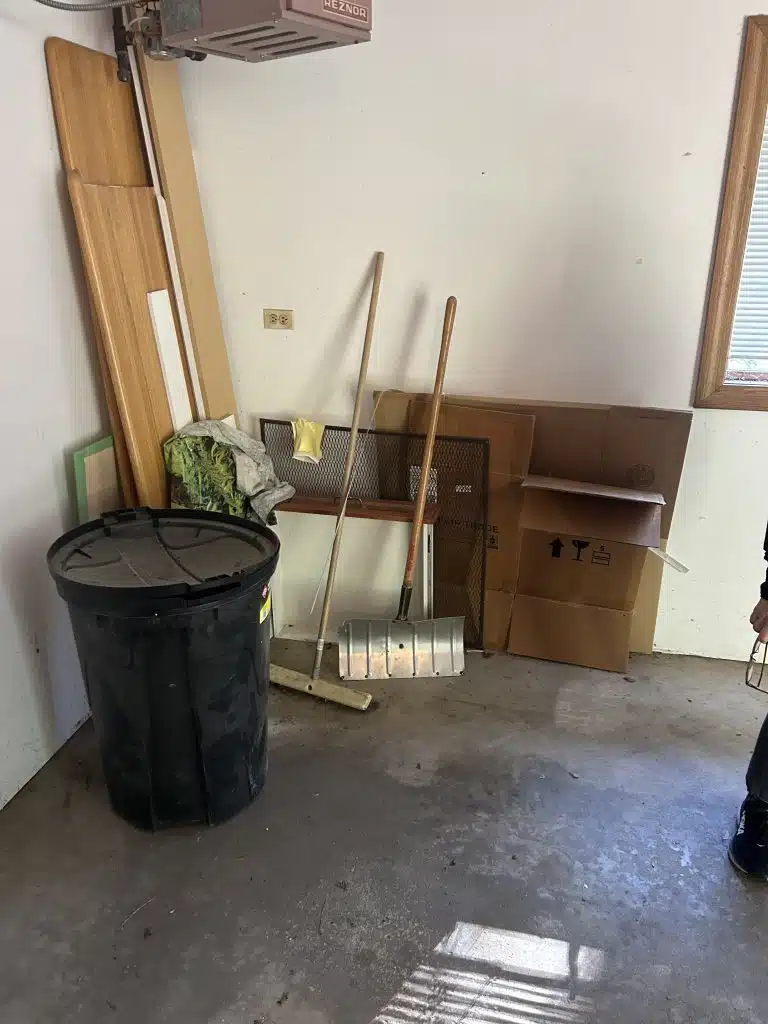
Is your garage overflowing with items you no longer need? We specialize in garage cleanouts that help you organize your space, making it easier to park your car or set up a new workshop. We sort, remove, and dispose of all junk, including old tools, equipment, and boxes of forgotten items.
6. Basement Cleanouts
Basements often become storage spaces for unused items and junk. Our basement cleanout service helps you clear out unwanted items, old furniture, or debris from past home projects. We make sure the space is left clean and ready for your next renovation or storage solution.
7. Storage Unit Cleanouts
Clearing out a storage unit can be overwhelming, especially if you’ve accumulated years of clutter. Let us handle the heavy lifting. Our storage unit cleanout service ensures that all items are removed, sorted, and disposed of properly, saving you time and potential extra fees.
8. Hoarder Homes
Cleaning up a hoarder home requires sensitivity, care, and a detailed approach. Our experienced team works discreetly and efficiently to clear out clutter, sort items for donation, and dispose of any hazardous materials. We help transform hoarded spaces into safe, usable living areas.
9. Scrap Metal Pickup
If you have scrap metal cluttering your space, we can help. Our scrap metal pickup service ensures that all materials are recycled in compliance with local laws. From old appliances and tools to construction debris, we manage the recycling process so you don’t have to.
Commercial Junk Removal Services in Park Ridge, Glenview & Northbrook
Businesses in Park Ridge, Glenview, and Northbrook can benefit from our comprehensive commercial junk removal solutions. We understand the demands of maintaining a clean and organized workspace and offer tailored services to fit your business needs.
1. Dumpster Rental
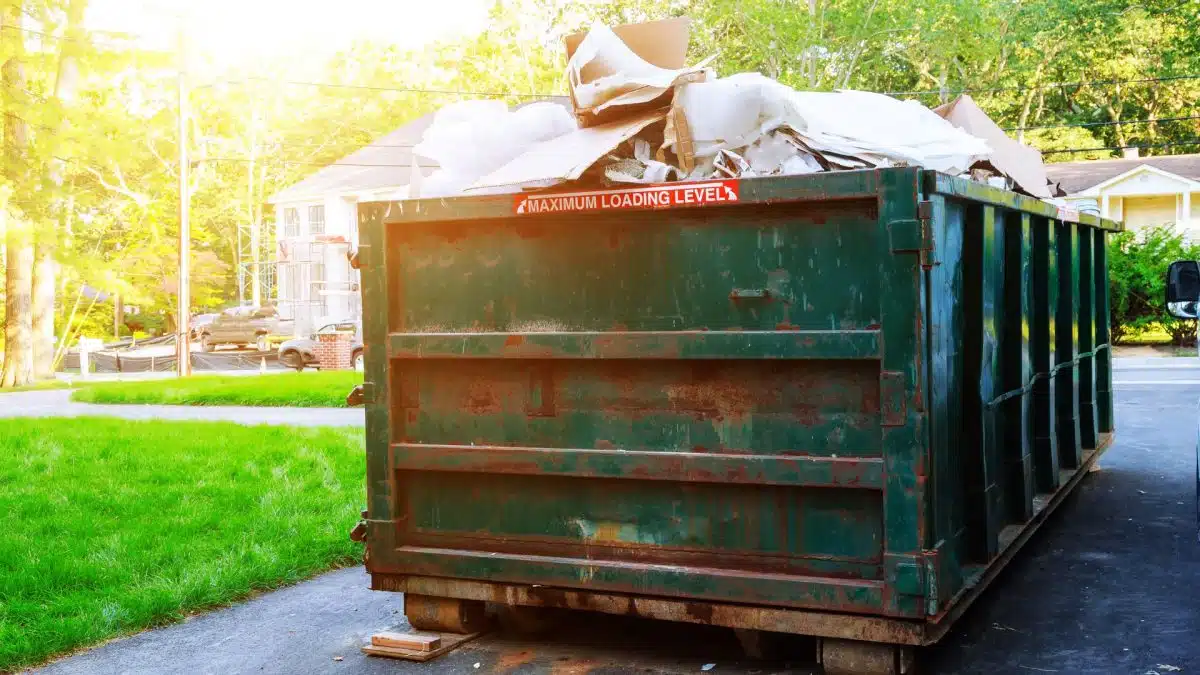
Our flexible dumpster rental service provides businesses with convenient options for ongoing or one-time disposal needs. Whether you’re renovating an office, handling a large cleanup, or managing construction debris, we have various dumpster sizes to accommodate the volume of waste.
2. Weekly Trash Service
For businesses that produce regular waste, our weekly trash service ensures timely and consistent pickups. We can customize the service based on your volume and type of waste, keeping your premises clean and compliant with waste disposal regulations.
3. Bulk Item Removal
When you have oversized items that don’t fit in standard trash bins, our bulk item removal service can help. We remove items such as large furniture, industrial equipment, and other bulky materials from your commercial property.
4. Stockroom Cleanout
Keeping a tidy stockroom is crucial for inventory management and employee safety. We provide stockroom cleanout services to help businesses stay organized. We remove outdated products, damaged items, or excess inventory, freeing up space for current needs.
5. Warehouse Cleanout
Our warehouse cleanout service is ideal for businesses relocating, downsizing, or clearing out old inventory. We handle everything from removing large machinery to clearing pallets and packaging materials. We ensure that recyclable materials are processed appropriately to reduce environmental impact.
Additional Services We Offer
1. E-Waste Recycling
Electronic waste, such as old computers, monitors, and cell phones, contains materials that can be harmful if not disposed of properly. Our e-waste recycling service ensures that these items are handled according to environmental standards, with an emphasis on recycling and data destruction where needed.
2. Yard Debris Junk Removal
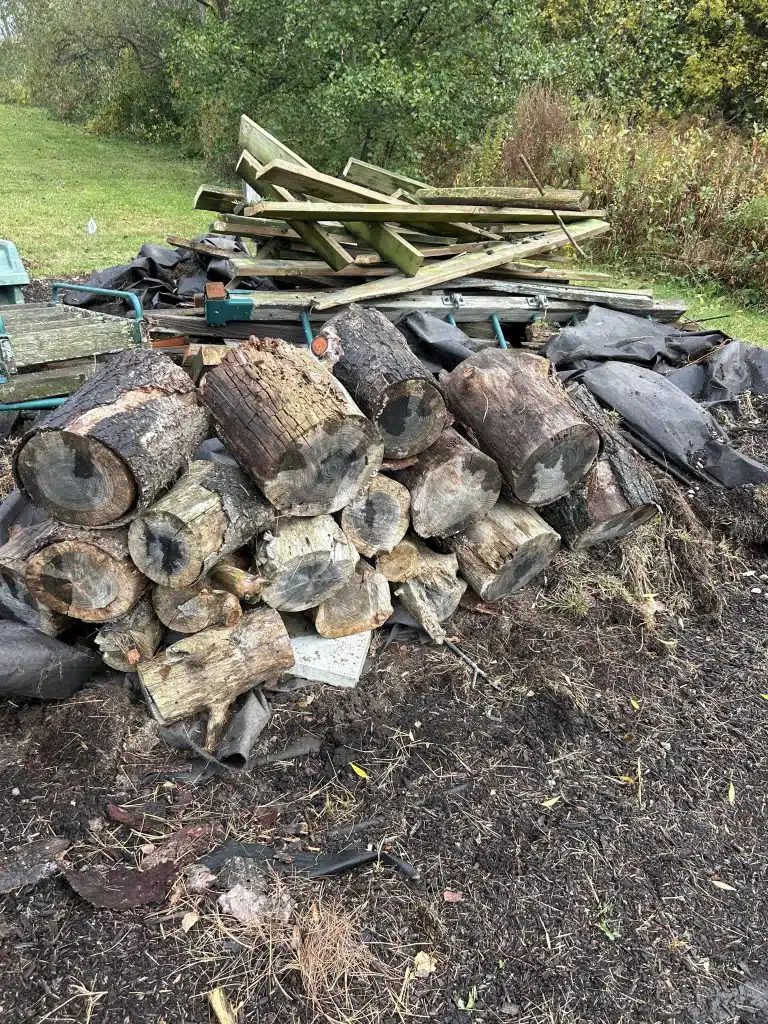
After a landscaping project or storm, you may have branches, leaves, and other yard debris that need to be cleared. We offer yard debris removal to help you keep your property clean and well-maintained.
3. Construction Debris Removal
If you’re managing a renovation or construction project, you know how quickly debris can pile up. We remove all types of construction waste, including wood, drywall, concrete, and other materials, so your job site stays clean and safe.
4. Estate Cleanouts
Our estate cleanout service helps families and property managers quickly and compassionately clear out items from a deceased loved one’s home. We handle everything from furniture removal to donation of usable goods, aiming to make the process as stress-free as possible.
5. Office Cleanouts
Relocating or downsizing an office can generate a lot of junk. Our office cleanout service ensures the responsible disposal of old office furniture, electronics, and equipment, with a focus on recycling whenever possible.
Why Choose 24-7JUNK.COM?
When it comes to junk removal in Park Ridge, Glenview, and Northbrook, 24-7JUNK.COM stands out for our commitment to customer satisfaction and environmental responsibility. Here’s what sets us apart:
Eco-Friendly Practices: We prioritize recycling and donation to reduce the amount of waste that goes to landfills. Our team separates items for proper disposal, recycling, and charitable donations.
Same-Day Service: We offer same-day or next-day appointments to ensure your junk is removed quickly and efficiently.
Transparent Pricing: Our pricing is based on the volume of junk, labor, and disposal fees. We provide free, no-obligation estimates before starting any job.
Experienced Team: Our professional crew is trained to handle all types of junk removal in Glenview to Northbrook, from simple pickups to complex cleanouts.
Offering Junk Removal in Park Ridge, Glenview, and Northbrook
24-7JUNK.COM proudly serves the communities of Park Ridge, Glenview, and Northbrook, providing top-quality junk removal solutions tailored to the needs of local residents and businesses. Our team is familiar with the area, allowing us to deliver fast, reliable service.
Contact Us Today
Ready to clear out the clutter? Contact 24-7JUNK.COM for all your junk removal needs in Park Ridge, Glenview, and Northbrook, IL. Call us to schedule your free estimate, or book your service online today.
Transform your space effortlessly with 24-7JUNK.COM – your local partner for Park Ridge, Glenview or North brook junk removal and cleanout services!