

Categories
Kitchen Demolition

The Best Techniques for Kitchen Demolition

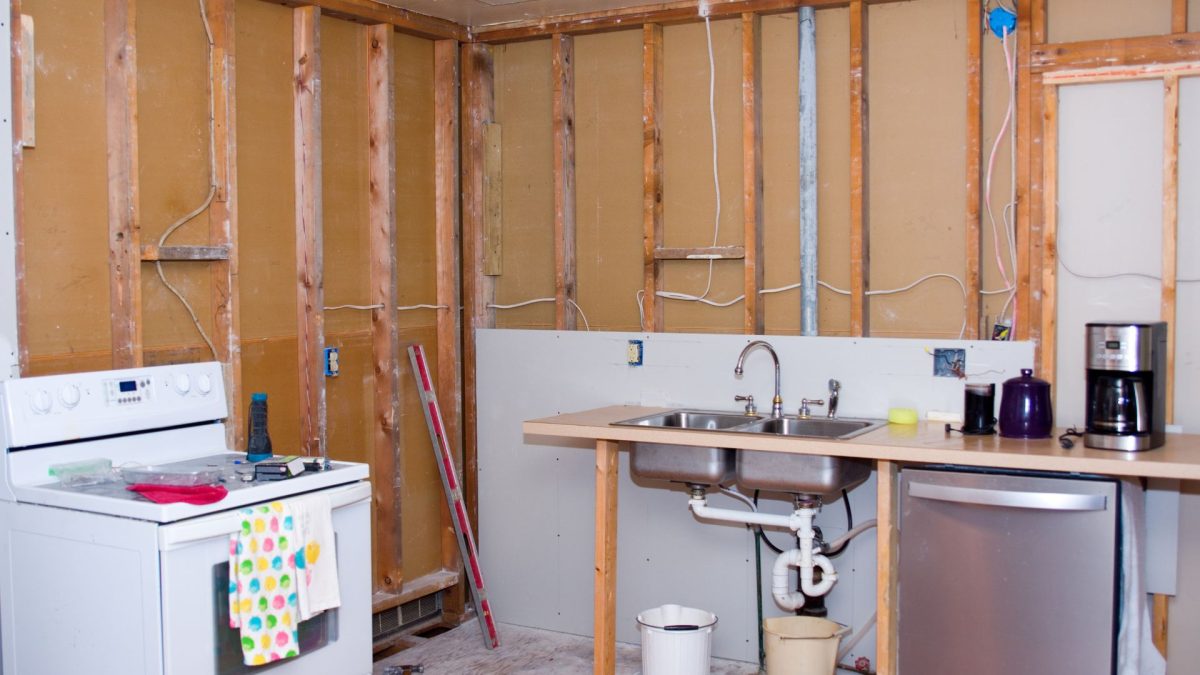
Before swinging hammers or tearing down cabinets, the key to a successful kitchen demolition begins with careful planning. Start by evaluating the scope of the project and identifying which elements of your kitchen will be removed. Cabinets, countertops, appliances, and flooring all require different approaches and tools. Mapping out each step helps prevent unnecessary damage to walls, plumbing, or electrical systems. Clearing out personal items and covering surfaces that remain ensures your space stays organized during the upheaval. Proper planning also gives you the chance to acquire the right safety gear, such as gloves, goggles, and dust masks, which are essential for protecting yourself from sharp debris, dust, and potential hazards.

Understanding your kitchen layout is vital before beginning demolition. Knowing where utilities like water, gas, and electricity are located allows you to shut them off safely, preventing accidents. In addition, considering disposal methods ahead of time ensures that debris won’t pile up and create a hazard. Professional demolition often involves sorting materials for recycling, donation, or junk removal, which can save time and money in the long run. Taking the time to plan meticulously sets the stage for a smoother, more efficient demolition process, reducing stress and keeping the project on track from start to finish.

Safely Removing Cabinets and Countertops

Removing cabinets and countertops requires precision and care to avoid damaging the walls or floors underneath. Start by emptying all cabinets completely and disconnecting any plumbing fixtures or appliances attached. Using a screwdriver or drill, carefully unscrew the cabinet doors and frames, working from the top down. Countertops, often heavy and glued in place, may require a pry bar or even specialized tools to detach without breaking. Attention to detail is critical because even small mistakes can create costly repairs or uneven surfaces for the new installation.
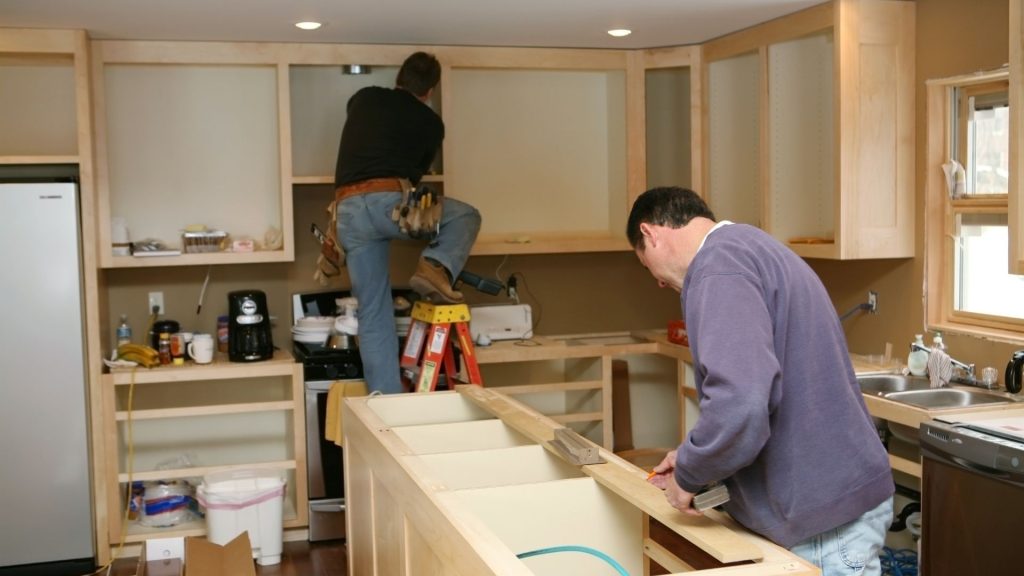
Handling cabinets and countertops safely also means considering weight distribution and how you transport them. Removing heavy sections without adequate help can lead to injury or accidental damage. Once detached, you can sort the materials for recycling, donation, or disposal. Planning a clear path for moving items outside the house prevents unnecessary chaos and ensures that debris does not block hallways or living areas. By taking a methodical, careful approach, you can preserve the integrity of your kitchen structure while removing these bulky elements efficiently.

Tearing Out Old Flooring Without Causing Damage

Kitchen floors come in many materials, from tile to laminate, hardwood, or vinyl, and each requires a distinct method for removal. Start by removing baseboards and any threshold pieces, as they often lock the flooring in place. For tile, using a chisel and hammer or a specialized floor scraper helps lift the tiles without cracking the underlying subfloor. Laminate and vinyl flooring can often be pried up in sheets, though adhesive residue may require additional scraping. Hardwood floors may need careful lifting of planks and sanding of the subfloor to prepare for new installation. Taking the time to work slowly helps preserve the foundation of your kitchen while minimizing dust and debris.

Floor demolition also demands attention to safety and cleanup. Wearing sturdy shoes and protective eyewear prevents injury from flying fragments or sharp edges. Clearing debris in manageable batches rather than all at once reduces the risk of accidents and keeps your workspace navigable. Proper disposal of flooring materials, especially those with adhesives or treated wood, may require special handling or recycling. By approaching floor removal methodically, you maintain both the safety of your home and the efficiency of your kitchen demolition project.

Disconnecting and Removing Appliances

Removing kitchen appliances like ovens, dishwashers, and refrigerators requires careful preparation to prevent damage or leaks. Begin by turning off the power and water supply to the units, then carefully detach connections such as gas lines or electrical cords. Appliances should be emptied completely to reduce weight and prevent spills during transport. Some appliances may need two people to maneuver safely, especially larger or heavier units. Proper lifting techniques and equipment such as dollies or straps can prevent injury and make the process smoother.

Appliance removal also creates opportunities for recycling or donation. Many appliances contain metals and electronics that can be recycled responsibly, while still-functional units can benefit someone else. Handling each appliance carefully prevents scratches, dents, or other damage that could make resale or donation difficult. Planning a path from the kitchen to the outside ensures that heavy items do not get stuck in narrow doorways or hallways. Thoughtful appliance removal simplifies the overall demolition process while maintaining safety and efficiency.

Handling Plumbing and Electrical Elements

Kitchen demolition often involves careful handling of plumbing and electrical components to prevent accidents. Start by shutting off water and power to the kitchen, then disconnect faucets, sinks, and any in-wall plumbing that may interfere with the removal of cabinets or countertops. Electrical outlets, light fixtures, and appliances must also be disconnected according to local codes to avoid shocks or hazards. A methodical approach ensures these systems remain safe, and allows for easier installation of new fixtures once demolition is complete.

Working with plumbing and electrical systems may require specialized tools or professional assistance. Removing pipes, wiring, or fixtures improperly can lead to leaks, shorts, or costly repairs. Organizing and labeling disconnected components keeps everything in order, which can save time during the remodeling stage. By respecting the complexity of these systems, demolition becomes safer and more efficient, reducing stress and preventing potential setbacks while preparing your kitchen for the next stage of renovation.

Breaking Down Walls and Removing Drywall

Removing walls or sections of drywall can dramatically change a kitchen’s space and layout. Begin by identifying load-bearing walls and consulting a professional if necessary, as improper removal can compromise the structure of your home. For non-load-bearing walls, carefully cut through drywall with utility knives or saws, starting at edges and corners. Removing drywall in manageable sections reduces dust and prevents large debris from causing accidents. Using dust barriers or plastic sheeting keeps other parts of the house clean and limits the spread of particles.

Disposing of drywall requires careful handling because of its weight and potential for creating dust clouds. Large pieces should be cut down for easier transport, and protective gear such as masks and gloves helps prevent irritation from fine particles. Sorting drywall for recycling or proper disposal ensures you follow environmental guidelines and reduces clutter during demolition. Methodical wall removal sets the foundation for a safer, cleaner, and more organized kitchen renovation process, keeping efficiency and structure in mind.

Demolishing Old Backsplashes and Tiles

Backsplashes and wall tiles add aesthetic value to a kitchen but require careful demolition to avoid damage to underlying surfaces. Begin by scoring the grout lines with a utility knife or grout saw, then use a chisel or pry bar to lift tiles from the wall. Working slowly prevents cracks or damage to adjacent surfaces, making it easier to prep the walls for new finishes. Removing tiles one at a time, especially in fragile areas, ensures you retain control and minimize dust and debris.

Tile demolition also involves consideration of disposal and recycling. Ceramic or glass tiles may be recyclable, and separating them from other debris helps streamline cleanup. Protective measures, including goggles and gloves, are crucial to prevent injuries from sharp edges. By approaching backsplash demolition with patience and strategy, you can remove outdated tiles efficiently while preserving the integrity of your kitchen walls for future design plans.

Managing Dust and Debris During Demolition

Kitchen demolition inevitably creates dust and debris that can affect the rest of your home. Establishing a system for containment, such as plastic sheeting, tarps, or temporary barriers, helps prevent dust from spreading to other rooms. Using a vacuum with a HEPA filter during and after demolition reduces airborne particles and maintains air quality. Regularly removing debris in small loads keeps the workspace clear and prevents accidents caused by tripping over piles of materials.

Effective dust and debris management also protects your health. Wearing masks, gloves, and long sleeves limits exposure to potentially harmful materials, while carefully cleaning surfaces and floors ensures that your home remains safe and livable throughout the project. Setting aside a designated area for debris collection streamlines the demolition process, allowing for efficient disposal and preparation for the next stage of your kitchen renovation. By prioritizing cleanliness and safety, the project remains organized and controlled.

Salvaging Materials for Reuse or Recycling

During kitchen demolition, many materials can be salvaged, reused, or recycled to reduce waste and save money. Cabinets, fixtures, countertops, and hardware that remain in good condition can be donated or repurposed for other projects. Even broken tiles or wood scraps can sometimes be incorporated into creative DIY endeavors. Sorting materials as you remove them simplifies disposal, helps the environment, and may even provide resources for other remodeling efforts.

Salvaging materials requires careful handling to prevent further damage. Planning which items to save before demolition starts ensures that they are removed intact and ready for reuse. Recycling metal, plastic, and wood components reduces landfill contributions and can provide environmental benefits. By making sustainability a priority, kitchen demolition becomes not just a removal process, but a resourceful opportunity to repurpose valuable materials for future use, blending efficiency with eco-conscious practices.

Cleaning Up and Preparing the Space for Renovation

After the bulk of the demolition is complete, a thorough cleanup is essential to prepare your kitchen for the next stage. Sweep and vacuum debris, remove dust from walls and surfaces, and double-check for any leftover nails, screws, or hazardous materials. A clean, organized space ensures that your contractors or renovation team can work efficiently and reduces the risk of accidents during installation of new elements.

Final preparation also involves inspecting the area for any damage that may need repair before construction begins. Walls, floors, and ceilings should be assessed, and plumbing or electrical systems double-checked for safety. By investing time in cleanup and preparation, your kitchen is ready for transformation. The organized environment reduces stress, increases safety, and sets the stage for a smoother, more efficient remodeling process, making your renovation experience more enjoyable.

Conclusion

Kitchen demolition can feel overwhelming, but with careful planning, attention to safety, and a systematic approach, the process becomes much more manageable. Proper removal of cabinets, countertops, appliances, flooring, walls, and plumbing elements ensures a clean slate for your new kitchen. Incorporating dust control, debris management, and the opportunity to recycle or salvage materials makes the project not only efficient but also environmentally responsible. By approaching demolition thoughtfully, you set the stage for a seamless renovation that transforms your space into something functional and visually appealing.

For professional support with junk removal after demolition, 24-7 Junk Removal in Palatine, IL offers reliable and efficient services. Their team can handle all debris and materials, ensuring your home stays safe and clutter-free throughout the project. You can reach them at (773) 309-6966 or visit their office at 611 W. Wise Schaumburg, IL 60193. For inquiries, email support@24-7junk.com. Choosing professional assistance simplifies cleanup, allows you to focus on design, and guarantees that your kitchen demolition remains stress-free and well-managed.
Categories
Kitchen Demolition

How Kitchen Demolition Can Transform Your Space

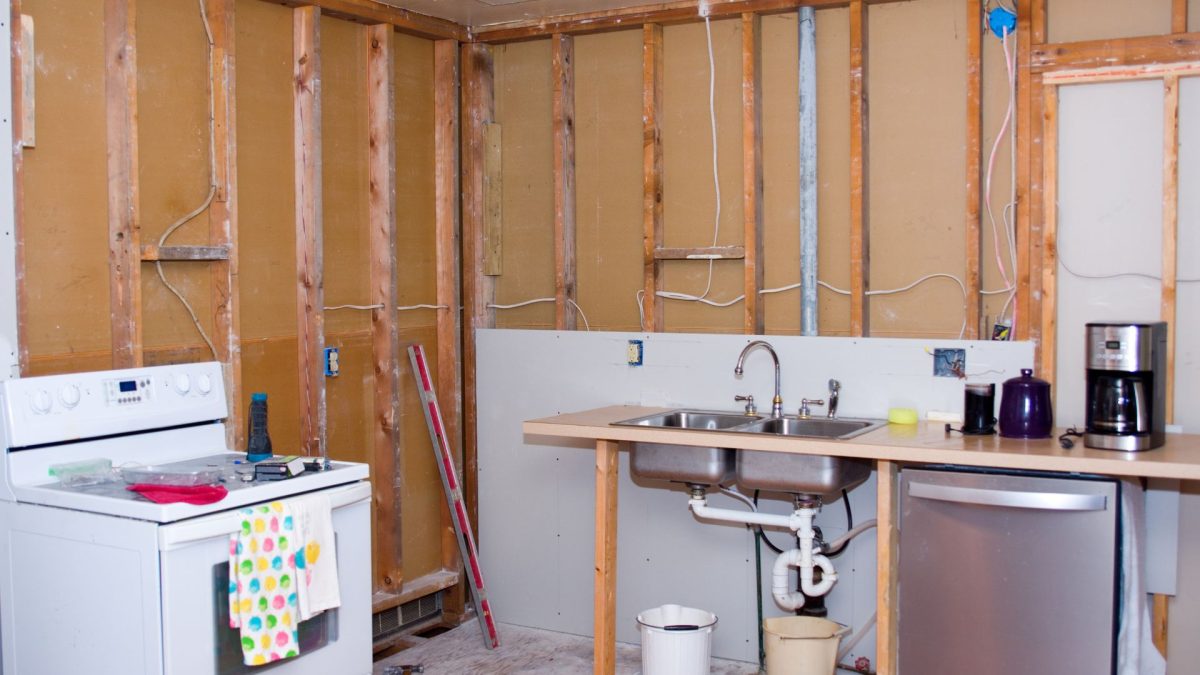
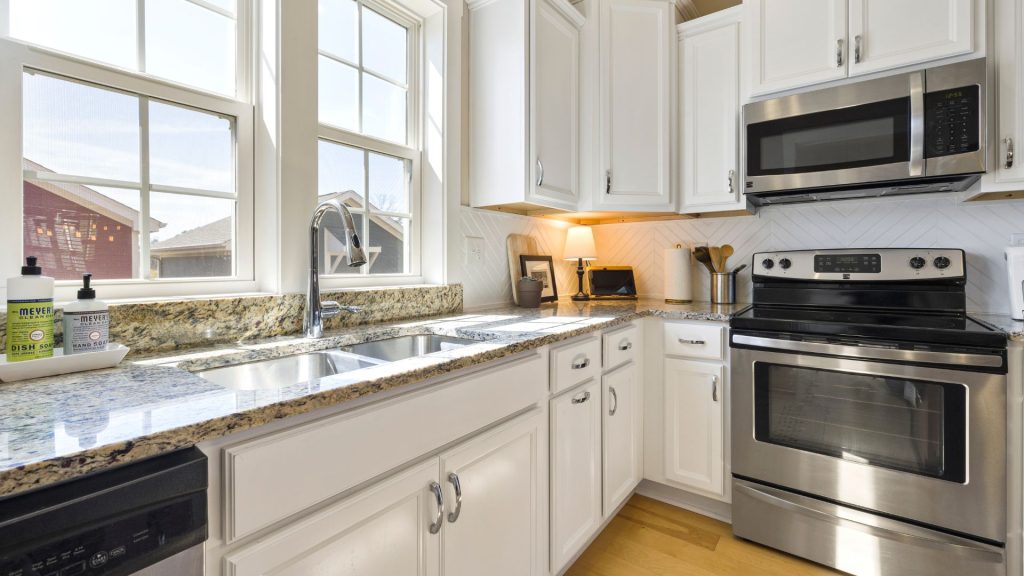
Transforming your kitchen starts with a bold decision to rethink every corner, surface, and fixture. Kitchen demolition is not merely about tearing down old cabinets or removing countertops. It is about clearing a canvas to allow fresh design ideas to breathe life into the space. Removing outdated materials opens opportunities for modern layouts, improved storage solutions, and more functional workflows. This process can breathe energy into a room that has long felt stagnant, inviting both creativity and efficiency to play a central role in your culinary environment.

During demolition, homeowners often discover hidden potential in their kitchens. Walls may conceal structural quirks, old plumbing may hide behind cabinets, and flooring may reveal opportunities for enhancement. Addressing these elements early ensures a smoother renovation. By eliminating cluttered, inefficient, or damaged components, the space becomes more adaptable to the needs of modern living. Each removed fixture or appliance sets the stage for innovation, giving your kitchen a new identity defined by usability, aesthetic appeal, and the joy of cooking.

Creating a Safer and Healthier Kitchen

Demolition does more than aesthetic upgrades—it also promotes a safer, healthier kitchen environment. Old materials can harbor mold, mildew, or pest infestations, which threaten both food safety and personal health. Removing compromised elements allows for thorough cleaning and remediation, preventing long-term problems and fostering a sanitary environment. This proactive approach ensures that every surface, from countertops to flooring, meets contemporary standards of safety and hygiene.

Furthermore, by addressing underlying structural issues during demolition, you reduce the risk of future accidents or costly repairs. Removing unstable cabinetry, compromised countertops, or deteriorating flooring eliminates hazards and creates a foundation for reliable, long-lasting installations. The process also allows inspection of electrical wiring and plumbing, guaranteeing that your kitchen meets modern safety requirements. In the end, demolition is not destruction—it is a careful act of preparation that prioritizes both beauty and wellbeing.

Maximizing Space Efficiency

One of the most compelling reasons to consider kitchen demolition is the ability to maximize space efficiency. Kitchens often suffer from poor layouts that make cooking and cleaning cumbersome. By starting fresh, homeowners can reconfigure cabinets, islands, and appliances to optimize workflow, storage, and accessibility. This transformation makes even small kitchens feel larger and more inviting, offering both practicality and visual appeal.

The process also allows for creative solutions that were previously impossible. Hidden corners can become pantry storage, unused wall space can accommodate modern shelving, and awkwardly placed appliances can be repositioned for ease of use. Removing existing fixtures frees up room to implement layouts that complement your cooking style, whether that means an open-plan kitchen, a breakfast nook, or a central island that serves multiple purposes. The result is a space that feels expansive, functional, and tailor-made to your lifestyle.

Enhancing Aesthetic Appeal

Kitchen demolition provides a rare opportunity to enhance the aesthetic appeal of your home. Outdated cabinets, worn countertops, and dated flooring often give kitchens a tired appearance. By removing these elements, you lay the groundwork for modern, stylish, and cohesive design. New materials, color schemes, and lighting can transform the kitchen into a visually stunning centerpiece of the home, blending function with contemporary taste.

This transformation is about more than just appearances. A thoughtful demolition plan considers visual flow, textures, and harmony across the entire kitchen. By clearing away the old, you can introduce consistent materials and design elements that complement the rest of the home. Each decision, from backsplash to flooring to cabinetry, contributes to a unified aesthetic that enhances the overall ambiance. In essence, demolition is a creative act that allows homeowners to express personal style while improving functionality.

Increasing Home Value

Investing in kitchen demolition often translates into a significant increase in property value. Real estate experts consistently emphasize that updated kitchens attract buyers and boost resale potential. By replacing outdated or inefficient components with modern, durable alternatives, homeowners can position their property as desirable in a competitive market. A well-executed renovation enhances both market appeal and everyday enjoyment, creating a space that is attractive, functional, and ready for modern living.

Beyond resale value, thoughtful demolition ensures that upgrades are long-lasting and aligned with current trends. Instead of piecemeal fixes, the process provides a holistic approach that addresses both aesthetics and functionality. Every removed cabinet, old appliance, or damaged countertop is an opportunity to make strategic investments in quality materials and layouts. The payoff is a kitchen that not only meets personal expectations but also appeals to potential buyers who prioritize modern design and efficiency.

Streamlining Workflow and Function

Kitchen demolition is integral to streamlining workflow and functionality. Older kitchens often feature awkward layouts, cramped spaces, or poorly placed appliances that hinder daily routines. By removing existing structures, homeowners can implement designs that optimize movement and efficiency, making cooking, cleaning, and entertaining far more enjoyable. Thoughtful planning during demolition ensures that every element, from island placement to cabinet accessibility, enhances the user experience.

This process also allows for ergonomic considerations that prevent strain during repetitive tasks. Work zones can be strategically arranged to minimize unnecessary movement, appliances can be positioned for ease of access, and storage can be designed to reduce clutter. These improvements not only simplify daily tasks but also enhance overall satisfaction with the space. The goal is a kitchen that feels natural, intuitive, and responsive to the needs of those who use it most.

Facilitating Modern Upgrades

Demolition sets the stage for modern kitchen upgrades that were previously difficult or impossible to achieve. Smart appliances, energy-efficient lighting, and advanced ventilation systems all require space and infrastructure that older kitchens may lack. By clearing the old and preparing the layout, homeowners can seamlessly integrate these contemporary innovations, creating a kitchen that is both functional and forward-thinking.

Modern upgrades also improve sustainability and energy efficiency. Replacing outdated appliances reduces energy consumption, while new materials often require less maintenance and last longer. Demolition allows careful planning to incorporate these technologies without compromising design or utility. The result is a kitchen that embraces innovation, saving money, improving performance, and providing a space where technology enhances, rather than disrupts, daily life.

Customization Opportunities

Kitchen demolition unlocks endless customization opportunities, allowing homeowners to create spaces that reflect personal style and functional needs. Removing standard or generic elements provides a blank slate for custom cabinetry, unique countertops, and bespoke shelving. Homeowners can select materials, colors, and finishes that align with their aesthetic vision, transforming the kitchen into a space that is entirely their own.

Customization extends beyond design. Demolition allows for the adjustment of electrical and plumbing configurations, enabling the installation of specialized appliances or fixtures. Whether incorporating a wine cooler, extra sink, or double oven, the process provides the freedom to adapt the space to exact specifications. By tailoring every aspect to individual requirements, homeowners create kitchens that are not only visually appealing but also uniquely suited to their lifestyle.

Improving Lighting and Ventilation

Proper lighting and ventilation are critical components of a functional kitchen, and demolition provides the perfect opportunity to optimize both. Removing walls, old fixtures, or outdated windows allows natural light to penetrate deeper into the space, creating a brighter, more inviting atmosphere. Similarly, ventilation systems can be upgraded to efficiently remove cooking odors, smoke, and moisture, enhancing both comfort and air quality.

Strategic placement of lighting, from task-oriented fixtures to ambient solutions, ensures that every corner of the kitchen is well-lit and visually appealing. Demolition also allows for integration of energy-efficient windows, skylights, or ventilation hoods without compromising design. These improvements not only enhance usability but also contribute to long-term maintenance and health, creating a space that is enjoyable, safe, and welcoming.

Adapting to Lifestyle Changes

Kitchen demolition is an essential step when adapting to evolving lifestyle needs. Families grow, routines change, and entertainment preferences shift, necessitating spaces that can accommodate new demands. By removing outdated structures, homeowners gain the flexibility to reconfigure layouts, add multifunctional islands, or expand dining areas, ensuring the kitchen remains relevant and practical.

Additionally, demolition allows for adjustments that improve accessibility and inclusivity. Wider aisles, lowered countertops, or adaptable storage can make the kitchen usable for all family members, including those with mobility challenges. This proactive approach ensures that the space remains functional and enjoyable for years to come, supporting a variety of lifestyles and needs while maintaining aesthetic appeal.

Conclusion

Kitchen demolition offers transformative potential that goes far beyond mere aesthetics. By removing outdated structures, homeowners gain the freedom to redesign layouts, enhance functionality, and create spaces that are safe, healthy, and visually stunning. The process also provides the opportunity to integrate modern appliances, optimize lighting, and improve ventilation, ensuring that the kitchen is both practical and enjoyable for daily use.

For professional assistance with kitchen demolition and efficient Junk Removal, consider contacting 24-7 Junk Removal in Palatine, IL. Their team specializes in clearing debris quickly and responsibly, helping homeowners achieve their renovation goals with ease. Reach out to them at (773) 309-6966, or visit their location at 611 W. Wise Schaumburg, IL 60193. For inquiries, email support@24-7junk.com and take the first step toward a kitchen that truly reflects your vision and lifestyle.

Categories
Kitchen Demolition

Kitchen Demolition How to Do It Efficiently and Safely

Before swinging any tools, preparing your kitchen space is essential. Clear out all personal items, small appliances, and dishes from countertops and cabinets. Unplug all electronics and turn off utilities such as gas, water, and electricity to prevent accidents. Cover floors with protective sheets to safeguard against scratches and debris. Having a clear, organized space reduces hazards and streamlines the demolition process, allowing you to work efficiently while keeping your kitchen structurally safe. Removing fragile or heavy items first also ensures you won’t face unexpected accidents when dismantling larger pieces.

Planning ahead includes evaluating which items will be removed, recycled, or disposed of. Cabinets, countertops, sinks, and appliances should be assessed for salvageable parts that can be reused or donated. Creating designated areas for debris helps prevent clutter and minimizes trip hazards. Preparing proper disposal containers or bins ensures smooth workflow and reduces the risk of injuries. Thoughtful preparation saves time and reduces stress, setting the foundation for a demolition process that is both safe and efficient.

Selecting the Right Tools for Demolition

Choosing appropriate tools is a critical step in any kitchen demolition project. Heavy-duty hammers, pry bars, screwdrivers, and power drills are fundamental for removing cabinetry, countertops, and fixtures. For more significant structural removals, reciprocating saws and sledgehammers provide additional leverage and power. Wearing protective gloves, goggles, and dust masks is essential to prevent injuries from flying debris or sharp edges. Proper tools not only improve efficiency but also ensure your safety throughout the process, making each step less strenuous and more precise.

Alongside physical tools, consider equipment for debris management. Buckets, wheelbarrows, and trash bags help transport materials quickly to disposal areas. Using proper tool placement techniques reduces fatigue and the risk of accidents. Planning which tools to use for specific tasks prevents unnecessary damage to remaining structures. Careful attention to the selection and use of tools creates a demolition workflow that is smoother, safer, and more predictable, ultimately saving both time and effort while protecting your personal safety.

Shutting Off Utilities Safely

A crucial, often overlooked step is ensuring all utilities are properly shut off. Water lines, gas connections, and electrical circuits need to be turned off to prevent accidents. Identify the main shut-off valves for water and gas and label them clearly to avoid confusion. Electricity should be switched off at the breaker panel, and all appliances unplugged. Taking the time to double-check these systems before beginning prevents potential hazards such as flooding, gas leaks, or electrical shocks that could occur during demolition.

Proper handling of utilities also involves knowing how to disconnect fixtures safely. For gas stoves, appliances should be professionally disconnected to avoid leaks. Water connections to sinks and dishwashers require careful draining and removal. Electrical wiring should be capped and secured to prevent exposure. By prioritizing utility safety, you mitigate risks, allowing the demolition to proceed smoothly without emergency interruptions or damage to the home infrastructure.

Dismantling Cabinets and Countertops

Removing cabinets and countertops is often the most labor-intensive part of kitchen demolition. Begin by unscrewing hinges, handles, and mounting brackets carefully. Upper cabinets should be removed before lower ones to avoid unnecessary strain or injury. Countertops may require cutting through caulking or adhesive with specialized tools. Taking your time during this phase prevents damage to walls and floors, preserving areas that will remain part of the new kitchen setup.

Strategically dismantling large components in sections improves safety and control. Place removed materials into designated areas immediately to prevent clutter. Salvaging hardware or reusable materials contributes to a more sustainable process. Careful dismantling reduces accidental damage and ensures a clean separation between items for disposal, recycling, or repurposing. Methodical work during this stage allows for a seamless transition into subsequent demolition tasks.

Handling Appliances and Fixtures

Appliances and fixtures require careful attention during removal. Large appliances like refrigerators, ovens, and dishwashers need to be emptied and disconnected before moving. Using appliance dollies or sliders reduces physical strain and prevents floor damage. Fixtures such as sinks and faucets should be disconnected from plumbing with appropriate tools, draining residual water to avoid spills. Proper handling of these items ensures the safety of both individuals and the surrounding space.

Organizing appliances and fixtures by type for disposal or donation enhances workflow efficiency. Some items may contain recyclable components, which should be separated to reduce environmental impact. Working systematically also prevents accidents related to heavy lifting or awkward handling. By prioritizing the safe removal of appliances and fixtures, the demolition process remains organized, minimizing risks and facilitating faster completion.

Managing Debris and Waste

Effective debris management is integral to a safe demolition. Create designated zones for discarded materials and separate items based on recyclability, donation potential, and landfill requirements. Regularly clearing debris prevents obstruction and minimizes trip hazards. Using sturdy bins, bags, or temporary containers keeps the workspace organized and allows continuous demolition without interruptions.

Sorting materials early reduces the volume of waste sent to landfills and promotes eco-friendly disposal practices. Salvaging wood, metal, and other reusable materials contributes to sustainability while reducing clutter. Maintaining a clean, organized environment enhances safety for workers and homeowners, ensuring that debris does not interfere with the ongoing demolition. Strategic waste management is both practical and environmentally responsible, keeping the project on track and hazard-free.

Working with Walls and Flooring

Removing walls and flooring requires attention to detail and structural awareness. Start by assessing which walls are load-bearing to avoid compromising the integrity of your home. Non-load-bearing walls can be safely taken down using a combination of hammers, pry bars, and saws. Flooring materials, including tile, laminate, or hardwood, should be removed carefully to avoid splintering or damaging subflooring. Proper sequencing ensures efficiency while protecting surfaces meant to remain intact.

Flooring and wall debris should be cleared as demolition progresses to maintain a safe working area. Salvaging certain materials, such as hardwood or tile, may provide options for reuse or resale. Awareness of wall and floor structures prevents unnecessary damage, keeping future renovation plans on track. Methodical attention during this phase allows you to remove structural elements effectively without compromising safety or project quality.

Ensuring Personal Safety

Personal safety is paramount during kitchen demolition. Protective equipment like helmets, gloves, goggles, and steel-toed boots shields against common hazards such as falling debris, sharp edges, and heavy lifting. Keeping a first-aid kit on hand is also essential for immediate response to minor injuries. Working with a partner or team improves safety by allowing assistance with lifting and monitoring potential hazards.

Maintaining safe practices involves frequent breaks and proper lifting techniques to prevent strain or injury. Awareness of surroundings and clear communication between team members enhances overall safety. By prioritizing personal protection and adherence to safety protocols, the demolition process can proceed efficiently while minimizing accidents. Fostering a safety-first mindset ensures the project remains productive and incident-free from start to finish.

Planning for Post-Demolition Cleanup

Post-demolition cleanup requires as much planning as the demolition itself. Once the kitchen has been dismantled, remove debris and dust to prepare for renovation. Using vacuums, brooms, and mops ensures all surfaces are clear and ready for construction work. Designate areas for separating reusable items from trash, which facilitates smoother disposal or donation.

Arranging debris removal in advance helps maintain an organized work environment. Coordinating with local disposal or recycling services ensures timely removal of materials. Efficient cleanup reduces stress and prevents lingering hazards, allowing the renovation to begin without delay. Planning for post-demolition logistics enhances workflow continuity, making the transition from demolition to renovation seamless and organized.

Maintaining Structural Integrity During Demolition

Maintaining structural integrity is critical during any demolition project. Avoid removing load-bearing walls or support beams without proper assessment and reinforcement. Temporary supports or braces may be necessary when dismantling adjoining structures. Protecting key elements of the kitchen ensures that the renovation process can proceed safely and efficiently without compromising the home’s stability.

Monitoring structural stability throughout the demolition process prevents accidents and costly repairs. Careful observation and methodical removal techniques safeguard against unintended damage to walls, ceilings, or floors. Prioritizing structural integrity not only enhances safety but also preserves the foundation for a successful kitchen renovation. Thoughtful demolition practices keep the workspace secure and the project on schedule.

Conclusion

Efficient and safe kitchen demolition involves careful planning, proper tools, attention to safety, and effective debris management. Each step, from preparing the space to dismantling cabinets and removing appliances, contributes to a smoother, more controlled demolition process. Maintaining structural integrity and personal safety ensures the project proceeds without unnecessary risks or delays. Thoughtful demolition planning also supports eco-friendly practices by facilitating recycling and reuse of materials.

For those in Palatine, IL seeking reliable assistance, 24-7 Junk Removal provides professional services to handle kitchen demolition efficiently. Their team ensures safe removal of cabinets, countertops, appliances, and debris while prioritizing proper disposal and recycling. Reach out to 24-7 Junk Removal at (773) 309-6966 for prompt and reliable junk removal services. Their expertise guarantees a safe, organized, and stress-free demolition experience, making any kitchen renovation project significantly easier.