

Categories
Flooring Removal

Flooring Removal The Essential Steps

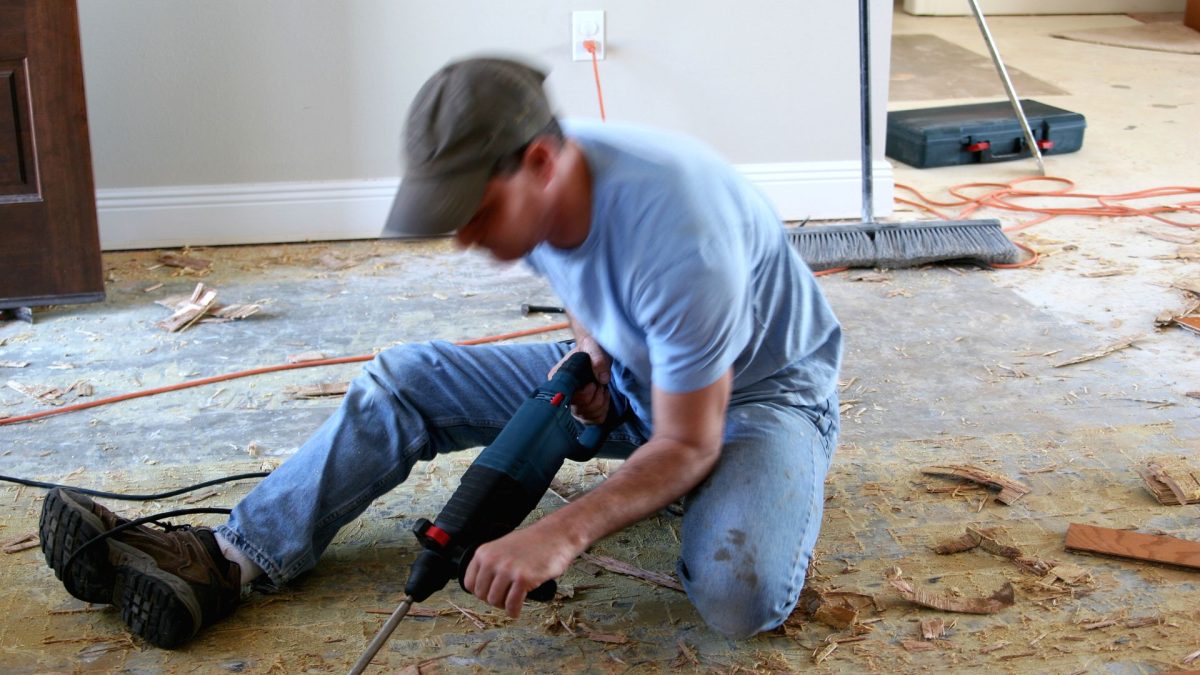
Before starting the flooring removal process, it’s crucial to prepare your space thoroughly. Clear out all furniture, décor, and other items that could obstruct your work area. Even small objects left behind can create safety hazards, so ensuring a completely open space makes the task smoother and faster. Protecting adjacent surfaces is equally important. Cover walls, cabinets, and baseboards with protective sheeting to prevent accidental scratches or damage during the removal process. This preparation phase may seem tedious, but it significantly reduces the risk of accidents and helps preserve the integrity of your home.

Understanding the type of flooring you’re removing is essential. Hardwood, laminate, vinyl, and tile each have unique characteristics and require specific tools and approaches. For example, tiles may necessitate careful chipping to avoid cracking surrounding pieces, while laminate or hardwood might require prying boards apart along seams. Identifying the flooring material ahead of time allows you to gather the appropriate tools, whether it’s a pry bar, hammer, scraper, or specialized flooring removal equipment. A well-prepared space paired with the right tools ensures efficiency and minimizes unnecessary damage.

Gathering the Right Tools and Equipment

Having the correct tools on hand is a cornerstone of effective flooring removal. Essential items typically include a pry bar, hammer, utility knife, scraper, gloves, and safety goggles. Depending on the flooring type, additional specialized tools such as a circular saw for hardwood or a floor scraper for vinyl may be necessary. Investing in the right equipment prevents unnecessary strain and allows you to work more efficiently, especially when tackling larger areas. Proper safety gear, including gloves and eye protection, is vital to prevent injuries from sharp edges, flying debris, or splintered materials.
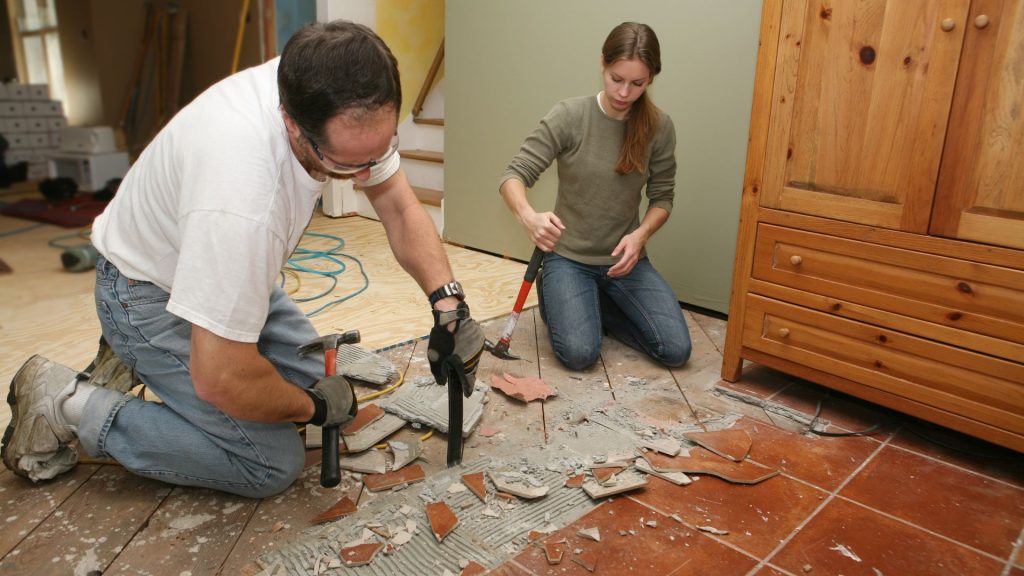
Organization matters during this step as well. Arrange tools within easy reach, keep power cords clear of the work zone, and have trash bags or containers ready for debris. If the flooring has adhesive or glue, a heat gun or adhesive remover can significantly ease the separation process. While the right tools and equipment are essential, understanding how to use them correctly is equally critical. Misuse can result in damaged subfloors, prolonged labor, and personal injury. Preparing a toolkit tailored to your specific flooring type ensures a smoother removal process.

Removing Baseboards and Trim

Baseboards and trim often act as barriers to accessing the flooring beneath. Removing them carefully avoids damage and simplifies the removal of the main flooring material. Start by using a utility knife to score any caulking or paint along the edges of the trim. This prevents peeling or tearing when prying the pieces away. Next, gently insert a pry bar between the wall and the baseboard, applying slow, even pressure to loosen it from the wall. A small block of wood can be used behind the pry bar to protect the wall surface during leverage.

Once loosened, remove nails using pliers or a nail puller. If you plan to reuse the baseboards, label and store them safely. This careful process preserves your materials while creating a clear boundary between the wall and flooring. Skipping this step or rushing it can result in unnecessary damage to walls, trim, or flooring edges. Taking the time to remove baseboards properly ensures that subsequent flooring removal is more straightforward, leaving your home ready for renovation or installation of new floors.

Tackling Hardwood Flooring

Hardwood flooring removal requires precision and patience. Start by locating a seam or edge to lift the boards. Use a pry bar or crowbar to gently loosen the first few planks. Often, removing the initial board is the hardest, but once you establish leverage, the remaining planks typically come away more easily. Be mindful of nails and staples, which can pose a safety hazard. Keeping a container nearby to collect these small items prevents accidents and keeps the workspace organized.

Work methodically across the floor, avoiding forceful prying that could damage the subfloor. Hardwood planks can often be reused if removed carefully, so treat each board with care. In cases where boards are glued down, a heat gun or adhesive remover may be necessary to soften the glue before lifting. Taking a structured approach ensures both safety and efficiency, reducing the risk of splintering, cracking, or subfloor damage while making the removal process more manageable.

Removing Laminate Flooring

Laminate flooring can often be removed more quickly than hardwood, but it still requires careful technique. Begin by removing any transition strips or moldings that secure the edges. Since laminate boards are typically designed to interlock, once a starting board is removed, the rest often comes apart in a sequence. Use a pry bar to gently lift the boards, working systematically from one side of the room to the other. Avoid forcing pieces apart, as this can damage the locking mechanisms, making them unusable for reuse.

Underneath laminate flooring, you may encounter underlayment that needs to be removed as well. This thin foam or paper layer is often stapled or glued down, so carefully peeling or scraping it away prevents tearing and debris buildup. Proper removal of both laminate and underlayment ensures a clean subfloor ready for new installation. Maintaining a patient and organized approach reduces frustration and allows you to complete the removal efficiently without creating unnecessary mess or damage.

Dealing with Vinyl and Linoleum

Vinyl and linoleum floors present unique challenges, particularly when adhesive has been used to secure them. Start by scoring the surface with a utility knife to divide it into manageable sections. This makes lifting and peeling easier, especially for larger sheets. Use a scraper or floor removal tool to gradually lift the flooring from the subfloor. For stubborn adhesive, a heat gun can help soften it, making removal less labor-intensive and reducing the risk of damage to the subfloor beneath.

Work in small sections and remove debris as you go to maintain a clean and safe workspace. Vinyl flooring can often be recycled, so separate it from other materials if disposal requires sorting. Take care to remove all glue residues to ensure a smooth and even subfloor for the next flooring installation. Following a systematic and patient approach makes even stubborn flooring manageable and reduces frustration, while maintaining the quality of your subfloor for future renovation projects.

Tackling Tile Flooring

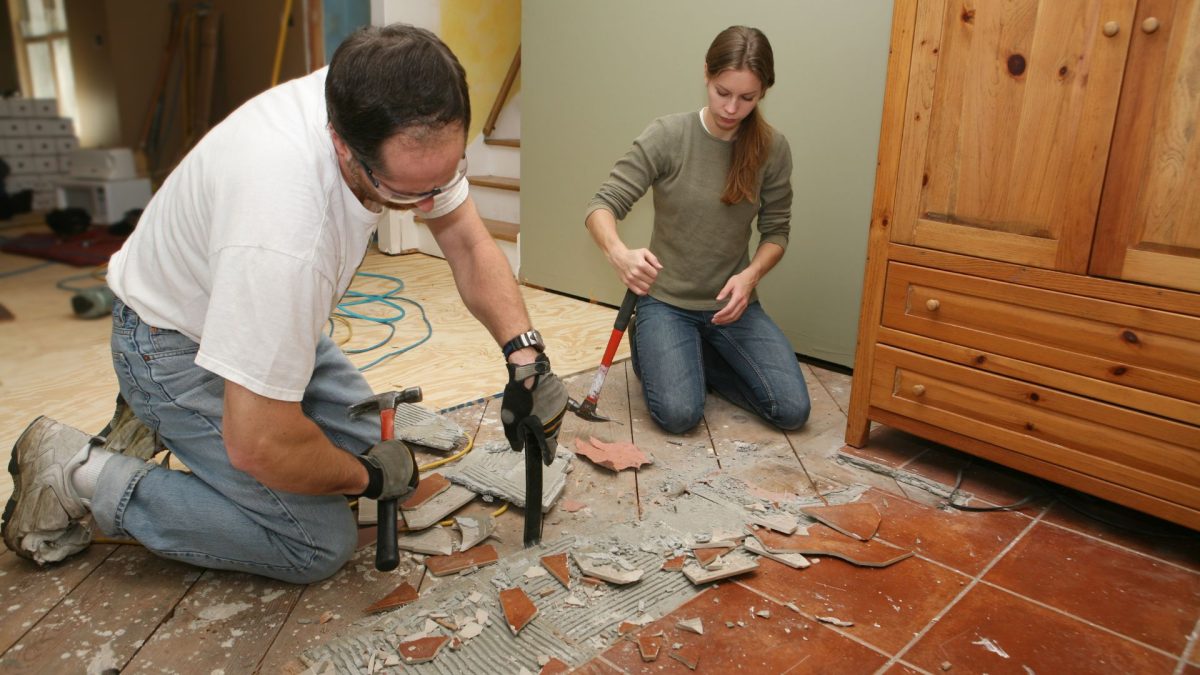
Tile flooring requires a combination of force and finesse. Start by removing any grout surrounding the tiles using a grout saw or rotary tool. This reduces resistance and prevents neighboring tiles from cracking during removal. Once the grout is removed, use a chisel and hammer to lift each tile individually. Begin at an edge or broken tile to gain leverage, then work your way across the floor. This methodical approach minimizes damage to the subfloor and makes clean removal more achievable.

Safety is paramount when working with tile, as shards can be sharp and heavy. Wear gloves and safety goggles to prevent injury. Dispose of tile fragments in sturdy containers to prevent accidents in the work area. Patience during this process ensures that the subfloor remains intact, and it allows for potential tile reuse if desired. Though time-consuming, careful tile removal ensures a smoother transition to the next stage of renovation, keeping your space ready for new flooring installation.

Cleaning and Preparing the Subfloor

After removing the old flooring, the subfloor must be cleaned and prepared for new installation. Remove all nails, staples, adhesive, and debris to create a smooth, safe surface. Sweep thoroughly and inspect for damage such as cracks, holes, or uneven areas that require repair. Any imperfections in the subfloor can compromise the longevity and stability of new flooring, making thorough preparation essential.

Depending on the type of subfloor, additional steps may include sanding, patching, or applying a primer or sealant. A clean, level, and properly prepared subfloor provides the foundation for successful flooring installation, ensuring the new surface looks flawless and performs well. Skipping this step can lead to uneven floors, squeaks, or premature wear, making attention to detail during subfloor preparation a critical part of the renovation process.

Disposal and Recycling of Old Flooring

Proper disposal of removed flooring is an essential part of the process. Many materials, including hardwood, laminate, vinyl, and tiles, can be recycled or repurposed. Separating materials based on their type makes it easier to comply with local disposal regulations and contributes to environmental sustainability. If hiring a professional service, ensure they offer responsible disposal or recycling options.

Organize debris into manageable loads, and remove them from your home safely to prevent injury. Recycling or donating usable materials not only helps the environment but may also benefit others who can reuse these resources. Taking the time to manage old flooring responsibly reduces clutter, minimizes environmental impact, and provides a sense of satisfaction knowing your renovation project aligns with sustainable practices.

Safety Tips During Flooring Removal

Safety should always be a top priority during flooring removal. Wear gloves, goggles, and appropriate footwear to protect yourself from sharp edges, splinters, and falling debris. Ensure the workspace is well-lit and ventilated, particularly when working with adhesives, dust, or chemical removers. Avoid rushing, as haste often leads to accidents or damage to materials.

Maintain proper posture when lifting heavy materials, and use tools correctly to prevent strain or injury. Take breaks as needed, and keep first aid supplies nearby. Awareness of potential hazards and careful adherence to safety measures make the process safer and more efficient. Prioritizing safety protects both you and the home, allowing the flooring removal project to proceed smoothly without unnecessary accidents or setbacks.

Conclusion

Flooring removal is a complex yet manageable part of any home renovation project. It involves careful preparation, the right tools, patience, and attention to safety throughout the process. Each type of flooring, from hardwood to vinyl, demands a specific approach, and following structured steps ensures minimal damage and maximum efficiency. A clean and well-prepared subfloor sets the stage for a successful installation of new flooring, enhancing both aesthetics and functionality in your home. Proper disposal or recycling of old materials not only keeps the workspace organized but also contributes to sustainable practices, aligning with modern renovation goals.

For those in Palatine, IL seeking professional assistance, 24-7 Junk Removal offers comprehensive junk removal services including flooring debris disposal. Their experienced team ensures safe and efficient removal, helping homeowners manage the mess and reclaim their space effortlessly. Contact 24-7 Junk Removal at (773) 309-6966 or visit their location at 611 W. Wise Schaumburg, IL 60193 for reliable, eco-conscious service. With their support, flooring removal becomes less stressful, allowing homeowners to focus on creating beautiful, functional spaces.
Categories
Flooring Removal

Best Practices for Flooring Removal and Disposal

Before removing any flooring, preparation defines everything. Furniture, appliances, and even curtains that might catch dust should be moved aside, ensuring that the area is open for work. A clean space allows better visibility, and it prevents unnecessary accidents during the removal process. Covering nearby surfaces with protective sheets keeps the mess contained. Some forget how easily debris travels, but preparation saves hours of cleanup later. It’s not about rushing into pulling tiles or tearing carpet—it’s about setting the stage for a smoother process.

Once the room is cleared, inspect the type of flooring to understand how it’s attached. Vinyl, hardwood, and tile each have their quirks. Identifying adhesives, nails, or subfloor types helps determine which tools to use. By mapping out a removal plan, you minimize damage to the subfloor and create a more efficient workflow. Preparation turns chaos into controlled motion, where every move feels deliberate and strategic.

Choosing the Right Tools for the Job

Flooring removal isn’t about brute force—it’s precision with the right gear. Using improper tools can turn a simple project into a battle. For hardwood floors, a pry bar and a mallet are indispensable. Tile removal benefits from chisels and rotary hammers, while carpet lifting goes faster with a utility knife and pliers. Gloves and goggles are more than accessories—they’re non-negotiable shields against splinters and shards.

Selecting professional-grade equipment not only speeds up removal but also preserves the integrity of your subfloor. Homeowners sometimes underestimate the difference between consumer tools and contractor-grade options. A high-quality scraper, dust vacuum, and even a knee pad set the tone for efficiency and safety. When each tool serves a purpose, the job becomes less about exhaustion and more about smart execution. Efficiency in flooring removal begins with knowing what belongs in your toolkit.

Handling Dust and Debris During Removal

Flooring removal can turn any calm home into a clouded battlefield of dust and debris. Containment is key—plastic sheeting on doorways and vents prevents particles from spreading to other areas. An air purifier nearby can help reduce airborne contaminants that linger long after the floor is gone. Many overlook this, assuming sweeping alone will do, but fine dust sneaks into every corner if not managed properly.

As debris builds up, consistent removal keeps the workspace manageable. A heavy-duty trash bin or junk container positioned near the site allows for immediate disposal. The faster debris exits the area, the safer and cleaner the job becomes. For older homes, watch for potential hazards like asbestos or lead adhesives—those demand specialized disposal to protect everyone involved. Maintaining cleanliness throughout the process transforms a messy project into one that feels organized and controlled.

Removing Different Types of Flooring Safely

Each flooring type tells its own story of resistance. Hardwood often clings stubbornly to subfloors with nails or glue, while tiles crack under pressure but scatter dangerously when forced. Vinyl sheets require cutting into manageable strips, and carpets demand strength to roll and haul away. Respecting these differences keeps safety intact. Wearing gloves, masks, and sturdy footwear ensures protection against cuts or exposure to unseen substances beneath old floors.

Working methodically also avoids damaging what lies underneath. For example, forcing up planks with too much power risks gouging the subfloor, adding cost and labor later. Using controlled motion with the right leverage maintains balance between speed and care. Safe removal is not only about avoiding harm to oneself—it’s also about preserving the foundation for what’s coming next. Each movement, when intentional, saves time and prevents regret.

Sorting Reusable Materials from Waste

After the floor comes up, the aftermath often looks like chaos—but within the pile lies potential. Not every plank or tile belongs in the landfill. Many materials can be repurposed or recycled, reducing environmental impact and waste costs. Hardwood pieces, for instance, can find new life in crafts or smaller renovation projects. Even carpet padding can sometimes be recycled into industrial materials. Taking time to sort materials transforms cleanup into an eco-conscious decision.

Separating reusable elements from true waste isn’t just for sustainability—it saves money and supports local recycling programs. Having labeled containers for wood, tile, or general debris makes the process faster. It’s surprising how much volume is reduced when you intentionally divide instead of dumping everything together. Sorting is an act of mindfulness that benefits both the planet and the property owner.

Responsible Disposal and Recycling Options

Proper disposal is more than dropping flooring scraps at the curb. Many municipalities have strict guidelines for construction waste, requiring drop-offs at specific facilities. Researching disposal sites before removal saves stress later. Some materials, such as adhesives or vinyl, may require handling as hazardous waste. Ignoring these rules can result in fines or environmental harm. Responsible disposal is about being informed and proactive.

Recycling centers often accept materials like hardwood and tile, especially when they’re free of contaminants. Partnering with a local recycling service or junk hauling company ensures that your flooring waste doesn’t end up in landfills unnecessarily. By opting for sustainable disposal, homeowners contribute to cleaner communities and reduced pollution. What leaves your home responsibly helps preserve the environment for someone else’s future renovation.

Managing Heavy Flooring Materials During Haul-Out

The physical strain of carrying old flooring can take a toll if not handled strategically. Large sections of hardwood or tile can weigh more than expected, so breaking them into smaller, more manageable pieces helps prevent injuries. Using proper lifting techniques—bending at the knees, not the back—keeps you steady and safe. Mechanical aids like dollies or carts are invaluable when dealing with heavier loads.

It’s not only about muscle—it’s about rhythm. Loading items efficiently, starting with heavier materials at the base, stabilizes the weight in transport. Maintaining a clear path to the disposal area reduces trip hazards. For those working in tighter spaces or multi-level homes, patience becomes essential. Rushing increases the chance of slips or damage. Strategic hauling turns a grueling task into a safer, more balanced workflow.

Protecting Subfloors During Removal

Beneath every flooring lies the unseen hero—the subfloor. Damaging it during removal means costly repairs later. Using pry bars carefully rather than brute force avoids unnecessary tears or cracks. For glued floors, applying heat softens adhesive for a gentler lift. Understanding the subfloor material, whether plywood or concrete, dictates how much pressure it can endure. Protection begins with awareness of what’s underneath.

Covering exposed subfloor sections immediately prevents moisture absorption or surface damage. Once flooring is removed, a quick inspection reveals any issues like mold, rot, or warping that should be addressed before installing new material. A preserved subfloor extends the life of future flooring, ensuring durability and safety. Treating it with care turns removal from destruction into preparation for renewal.

Maintaining Safety Standards During the Process

Safety isn’t optional—it’s the backbone of every flooring removal. Wearing protective gear such as gloves, goggles, and sturdy shoes prevents cuts, splinters, and punctures. Ensuring proper ventilation helps disperse dust or fumes, particularly when dealing with adhesives or old finishes. Equipment should always be checked for defects before use, as even a small malfunction can cause serious injury.

It’s also wise to have a clear system for communication if working in teams. Everyone should understand their role and area of focus to prevent overlap or confusion. Marking hazardous areas with tape or signs reduces the risk of tripping or stepping on sharp objects. The best removal projects operate like synchronized choreography—each step taken with awareness, every motion done with safety in mind.

Cleaning and Preparing the Area for New Flooring

Once the old flooring disappears, what remains is a blank canvas waiting for transformation. The cleanup that follows is just as vital as removal itself. Vacuuming all debris and dust ensures a smooth surface for new materials to adhere properly. Any lingering nails, adhesive residue, or cracked spots must be addressed to guarantee even installation later. Neglecting this stage can compromise the lifespan of your new flooring.

After cleaning, inspect for structural concerns. If the subfloor feels uneven, sanding or leveling compounds can correct imperfections. A dry, debris-free base sets the tone for flawless results. The preparation might feel tedious, but it defines the final outcome. Cleanliness and attention to detail bridge the gap between demolition and renewal, making the next chapter of your flooring journey stronger than the last.

Conclusion

Flooring removal and disposal require precision, planning, and responsibility from start to finish. Each phase—from clearing the space to recycling waste—shapes the project’s success. Careful attention prevents damage, minimizes hazards, and creates a path toward a smoother installation. Professional assistance ensures that materials are handled safely, tools are used correctly, and every ounce of debris ends up where it should.

For residents in Palatine, IL seeking dependable Junk Removal, 24-7 Junk Removal delivers unmatched service that blends efficiency with environmental care. Reach out today at (773) 309-6966 or visit them at 611 W. Wise Schaumburg, IL 60193 for professional solutions that make flooring disposal effortless. You can also email support@24-7junk.com to schedule fast and reliable help from a trusted local team.

Categories
Flooring Removal

The Advantages of Professional Flooring Removal

When old floors begin to show their age, many homeowners assume a quick DIY project will do the trick. But beneath that cracked tile or frayed carpet lies a task that requires more than just a hammer and some determination. Proper flooring removal is a crucial step that determines how smoothly your renovation will go. Hidden staples, uneven surfaces, or underlying mold can easily complicate what seems like a simple job. Professionals understand how to approach these challenges with precision and care, using the right techniques and tools to protect the subfloor while ensuring the area is ready for the next phase.

Removing old flooring correctly also prevents long-term issues that often come from rushed or incomplete work. A poorly cleared base can cause uneven new flooring or structural problems later. Professional crews handle even the toughest adhesives and stubborn materials efficiently, minimizing dust, damage, and downtime. With experts on the job, the space transforms faster, and the results last longer—a smooth surface that’s ready for fresh design possibilities.

The Hidden Dangers of DIY Flooring Removal

Peeling up old floors might look simple, but the process can uncover more hazards than most homeowners expect. Beneath those layers, asbestos, mold, or lead-based adhesives can linger—materials that require specialized handling. Without professional-grade safety measures, attempting to remove these can release harmful particles into the air, posing health risks. Even modern flooring materials can create clouds of fine dust that settle into walls, furniture, and vents, causing long-term respiratory issues if not properly contained.

Then there’s the physical strain. Flooring removal demands repetitive movement, heavy lifting, and often awkward positioning. One wrong move could lead to back injuries, cuts, or even structural damage to your home. Professional flooring removal services bring not only the right protective equipment but also years of experience to handle each material type safely. By letting experts take over, you safeguard both your health and your property from risks that often remain hidden until it’s too late.

Time Efficiency and Stress Reduction

Home renovation already brings enough disruption to daily life, and removing old flooring can easily double the stress. Professionals streamline this process, saving valuable time by working efficiently with advanced equipment. What might take a homeowner several weekends to accomplish, an experienced team can complete in a fraction of the time. The difference is noticeable—not just in speed but in precision.

Beyond the timeline, stress reduction is a major advantage. Managing noise, debris, and cleanup can quickly wear anyone down. With experts, every step is coordinated—from removal to waste disposal—leaving homeowners free to focus on planning their next design move. The peace of mind knowing the project will be finished properly, without setbacks or surprise costs, is worth more than the labor alone. The entire renovation flows smoother when flooring removal is handled by a capable, organized crew.

The Role of Specialized Equipment in Flooring Removal

Flooring removal is more than brute force; it’s a science of technique and technology. Specialized machines—like industrial scrapers, dust control systems, and adhesive removers—allow professionals to complete the job efficiently without damaging the underlying structure. These tools cut through stubborn materials such as vinyl, tile, or laminate with precision, reducing the mess and preventing cracks or gouges in the subfloor.

Homeowners who attempt removal without this equipment often find themselves renting tools that don’t quite perform as needed, costing time and money with less effective results. Professionals invest in top-grade gear designed for safety and accuracy. These machines minimize dust and improve air quality, while technicians work systematically to prepare every inch of surface for the next installation. When done correctly, it sets the foundation—literally—for the beauty and longevity of new flooring.

Protecting Your Subfloor and Home Structure

The subfloor beneath your visible flooring plays a silent yet vital role in your home’s overall integrity. When removed improperly, the surface can easily become uneven, cracked, or water-damaged—issues that lead to costly repairs later. Professionals understand the anatomy of flooring systems and how to remove materials without harming the layer underneath. Their approach includes assessing the condition of the subfloor before and after removal, ensuring it remains structurally sound and ready for whatever comes next.

This attention to detail also protects your home’s framing and walls. Without the right experience, it’s easy to cause damage around baseboards, trim, or adjacent surfaces. Professional crews apply careful methods that maintain clean lines and preserve surrounding finishes. They leave behind a stable foundation, free from debris or irregularities, which guarantees smoother installation and a longer-lasting result once new flooring is laid down.

Safe Disposal of Flooring Materials

After the flooring comes up, the real question becomes—what do you do with all that debris? Disposing of old carpet, tile, or laminate isn’t as simple as leaving it by the curb. Many materials must be disposed of according to local environmental regulations, especially if adhesives or finishes contain hazardous components. Professionals manage this step efficiently, sorting materials for recycling and ensuring all waste is removed responsibly.

Beyond convenience, proper disposal prevents environmental contamination and saves homeowners from potential fines or logistical headaches. Professionals have the trucks, containers, and partnerships with local facilities to ensure everything is handled correctly. Instead of worrying about multiple trips to a landfill or the lingering mess of torn flooring, you can rest knowing the cleanup is thorough, safe, and eco-conscious.

The Cost-Effectiveness of Hiring Experts

It’s easy to assume that doing the job yourself will save money, but hidden costs can quickly pile up. Equipment rentals, protective gear, waste removal fees, and even potential repairs from accidental damage often make DIY flooring removal more expensive in the end. Professionals bundle all these elements into one efficient service, offering predictable pricing and faster results. Their expertise reduces the risk of costly mistakes that can delay new flooring installation.

Moreover, their speed and accuracy translate directly to savings. A project that drags on means extra time without usable space, potential disruptions to your household, and longer exposure to dust or noise. By hiring experienced flooring removal professionals, homeowners pay for quality, safety, and reliability—all of which contribute to long-term savings and a smoother renovation process overall.

Creating a Cleaner Renovation Environment

Few renovation tasks generate as much dust and debris as flooring removal. From breaking tiles to peeling adhesives, the air fills quickly with fine particles that settle into every corner of the home. Professionals combat this with high-efficiency dust collection systems and proper sealing techniques. This keeps the environment cleaner not only during removal but throughout the entire renovation process.

Maintaining air quality matters more than many realize. Fine dust can linger long after a DIY cleanup, affecting indoor health and leaving a gritty residue across surfaces. Expert crews approach the job with containment strategies that preserve your home’s comfort. By the time the old flooring is gone, the space feels refreshed instead of contaminated—ready for a brand-new beginning without the burden of leftover mess.

Enhancing the Value and Longevity of New Flooring

The secret to beautiful, long-lasting floors starts before the first plank or tile is laid. Proper removal ensures the subfloor is smooth, level, and clean—an essential foundation for durability. If remnants of old adhesive, nails, or uneven spots are left behind, new flooring won’t settle properly and could warp or shift over time. Professionals make sure this base layer is pristine, setting up your new investment for success.

Additionally, the precision and care used during removal influence how your new floors will perform. When done right, flooring installation becomes faster and more reliable, reducing the chances of future repairs. Homeowners gain both peace of mind and enhanced property value. A well-prepared surface adds not just visual appeal but structural stability that keeps your floors looking and feeling new for years to come.

The Convenience of Full-Service Removal

Renovation projects come with countless moving parts, and flooring removal shouldn’t add to the chaos. Professional services often include everything—from initial inspection and preparation to debris cleanup and disposal. This means homeowners get an all-in-one solution without juggling multiple contractors or schedules. The convenience of having one team manage the process from start to finish can’t be overstated.

With experts on site, every phase runs like clockwork. They handle difficult areas, adjust for unexpected challenges, and maintain clear communication throughout the job. The entire process becomes seamless—organized, timely, and less disruptive to your daily routine. When the final sweep is done, your space is left spotless and ready for transformation, saving you both time and unnecessary frustration.

Conclusion

Choosing professional flooring removal sets the stage for a smoother, cleaner, and safer renovation experience. Skilled teams eliminate the mess, reduce the risks, and ensure every surface is perfectly prepared for your new flooring design. The difference lies in the precision and care taken during the earliest stages of your project—a foundation that supports lasting beauty and durability for years to come.

For dependable service, contact JB Hauling & Junk Removal, serving Sacramento, CA, and surrounding areas. Whether you need flooring removal or complete junk removal, their expert team delivers efficient, eco-conscious solutions. Visit them at 6241 McMahon or call (916) 559-9274  for fast and reliable assistance. You can also reach out via support@24-7junk.com to schedule your next project and experience the difference that professional care can make.

Categories
Flooring Removal

How to Safely Complete Flooring Removal

Flooring removal is not just a routine step in home renovation. It’s a crucial phase that sets the tone for the new installation and determines how successful your project will turn out. Beneath every floor lies a mix of adhesive layers, nails, subfloor material, and sometimes unexpected structural elements that can pose risks if handled carelessly. Safety becomes the anchor that holds the entire process together, from the first scrape of the flooring to the final sweep of debris. When done properly, this stage prevents damage to your home’s structure and protects those performing the work.

What many homeowners don’t realize is that improper removal can lead to more than just a messy workspace. It can cause hidden issues like uneven subfloors, exposure to mold, or even compromised air quality from old materials. Taking the time to understand the type of flooring you’re removing helps you plan the safest approach. Hardwood, tile, vinyl, or laminate each demand unique handling methods. A clear plan ensures not only safety but also efficiency—keeping the process smooth and the outcome flawless.

Preparing Your Space for Flooring Removal

Before swinging a hammer or lifting a crowbar, preparation is everything. A well-prepared space minimizes hazards and allows for an uninterrupted workflow. Begin by clearing all furniture, décor, and any movable items from the area. This step may sound simple, but it significantly reduces tripping risks and creates open access to every corner. Once the room is empty, focus on protecting adjacent spaces. Close off doors, seal vents, and cover nearby surfaces to prevent dust and debris from spreading throughout your home.

Equally important is checking what lies beneath and around your flooring. Identify electrical lines, plumbing routes, and heating systems if they run under the floor. This foresight can save you from costly accidents. You can also use plastic sheeting to separate the workspace from the rest of the house, keeping dust under control. A well-prepared environment isn’t just about convenience—it’s about safeguarding your home’s integrity while setting the stage for an efficient flooring removal process.

Choosing the Right Tools for the Job

Every flooring material demands a specific set of tools designed for safety and precision. Hardwood floors may require pry bars and mallets, while tiles often need chisels and scrapers to release their firm grip on the subfloor. For carpet removal, utility knives and pliers are indispensable. The right equipment not only makes the process smoother but also prevents unnecessary damage to the subfloor or surrounding areas. Using the wrong tool, on the other hand, can lead to more repairs and extra labor.

Aside from efficiency, safety tools play an equally important role. Protective gear—like gloves, eye protection, and dust masks—are non-negotiable essentials. Knee pads provide comfort when working on hands and knees for extended periods. Dust created from adhesives, grout, or old padding can linger in the air and irritate the respiratory system, making proper gear essential. Having the right tools within reach ensures you can work steadily without the constant interruption of searching for replacements or improvising with unsuitable alternatives.

Identifying Flooring Materials Before Removal

Not every flooring surface tells its story at a glance. Some may appear straightforward, but beneath that top layer lies complexity—hidden adhesives, underlayment materials, and potential hazards like asbestos or lead. Identifying what you’re dealing with before removal can save time and prevent danger. For instance, older vinyl or linoleum floors sometimes contain asbestos in the backing or adhesive layers. Handling these without professional testing and removal can pose severe health risks.

Understanding material composition also helps determine the right method of removal. Tiles require different tools and force compared to carpet or laminate. Moisture-resistant floors like engineered wood or rubberized surfaces often have tough adhesives that can damage subfloors if pulled too aggressively. Recognizing what’s underfoot ensures that you can adapt techniques accordingly, preserving the integrity of your flooring base and ensuring a safer, more efficient removal process from start to finish.

Handling Old Adhesives and Subfloor Conditions

Once the visible flooring is gone, the real work begins. Old adhesives are often stubborn and cling tightly to the subfloor, refusing to release without resistance. Scraping, heating, or using solvent-based removers can help loosen them safely. However, not all adhesives react the same way—some break down under heat, while others require careful chemical application. Rushing this step risks damaging the subfloor, which can create future problems during installation of new materials.

Subfloor conditions vary based on age, material, and moisture exposure. It’s vital to inspect for cracks, rot, or uneven areas once the flooring is removed. Addressing these early prevents costly rework later. For wooden subfloors, sanding down uneven edges and replacing compromised boards ensures stability. Concrete subfloors, on the other hand, may need patching compounds or leveling products. A clean, even, and stable base not only improves installation but also prolongs the life of your next flooring investment.

Managing Dust and Debris Safely

Flooring removal can unleash a surprising amount of dust, especially from older carpets, tiles, and adhesives. Without proper control, airborne particles can linger and settle on every surface in your home. Wearing a high-quality mask or respirator keeps you protected from harmful dust. Using a shop vacuum with a HEPA filter can trap fine particles efficiently. It’s also wise to keep windows open when weather permits, ensuring good ventilation throughout the workspace.

When debris starts to pile up, proper disposal becomes a top priority. Piling old materials in corners or leaving sharp fragments on the floor increases the risk of injury. Keep heavy-duty trash bags or disposal bins ready to collect waste as you go. It’s better to remove debris frequently rather than waiting until the end of the project. By maintaining a clean and organized workspace, you’ll minimize risks and make the entire removal process smoother and safer for everyone involved.

Staying Protected During the Entire Process

From start to finish, personal protection is the thread that keeps the entire flooring removal process safe. Every stage introduces new challenges—sharp edges, heavy lifting, flying debris—and being prepared means staying ahead of these risks. Wearing gloves shields your hands from splinters and sharp nails. Safety glasses protect your eyes from unexpected fragments, while proper footwear guards against punctures or slips on loose materials. Each item of safety gear plays a vital role in preventing injuries.

It’s equally important to stay mindful of fatigue. Working for long hours in awkward positions can strain your back and knees. Taking breaks, stretching, and keeping hydrated maintain your energy and prevent mishaps that happen when exhaustion sets in. Many accidents occur when individuals rush the final stages or underestimate the strain of manual labor. A steady pace, combined with proper protection, turns flooring removal from a risky task into a manageable and safe endeavor.

Dealing with Unexpected Challenges

Even the best plans encounter surprises during flooring removal. Hidden damage, moisture buildup, or previously unseen mold can quickly complicate the job. When faced with these issues, patience and adaptability become your best tools. Moisture damage can weaken the subfloor, requiring repair before new flooring can be installed. Mold growth, on the other hand, must be handled carefully with protective equipment and, if extensive, professional remediation.

Another common challenge comes from fasteners left behind—nails, screws, or staples that cling stubbornly to the subfloor. Removing them safely without gouging the base requires the right technique and tools. Sometimes, electrical or plumbing lines appear closer to the surface than expected. In these cases, it’s best to stop and reassess rather than force progress. Being prepared for these unpredictable moments ensures your project remains safe and efficient, no matter what’s uncovered along the way.

Disposing of Old Flooring Responsibly

Once the old flooring is removed, the question becomes what to do with the piles of discarded material. Tossing everything into a standard trash bin isn’t always the best approach, as different flooring types may have disposal restrictions. Carpets, tiles, and wood planks often need to be taken to specific recycling or disposal facilities. Separating recyclable materials from non-recyclable waste helps minimize environmental impact and ensures compliance with local waste regulations.

For large quantities of debris, arranging for a pickup service can save significant time and effort. These services handle heavy loads and know the proper disposal methods for each material type. Safe and responsible disposal also keeps your property clean and ready for the next stage of renovation. It reflects a commitment not only to maintaining safety during the removal process but also to taking care of the environment once the job is complete.

Knowing When to Call a Professional

While many homeowners enjoy tackling flooring removal as a do-it-yourself challenge, there are times when professional help becomes the smarter option. Floors that contain hazardous materials such as asbestos, complex adhesives, or structural concerns should never be handled without expert guidance. Professionals have access to specialized tools, advanced safety gear, and disposal methods that ensure both compliance and protection.

Even for standard flooring materials, the scale of the project can determine whether hiring help is worthwhile. Large spaces, heavy materials, or limited time can turn a simple task into an exhausting ordeal. Professionals bring efficiency, reducing risks and speeding up the process without compromising safety. Knowing when to hand the job over ensures not only a cleaner result but also peace of mind, knowing that every step is handled with precision and care.

Conclusion

Safely completing flooring removal is about far more than just tearing out old surfaces—it’s about protecting your space, your health, and your investment. Each stage demands patience, the right tools, and a respect for the materials beneath your feet. From preparation to cleanup, every detail contributes to the success of your renovation. Taking safety seriously turns what could be a chaotic process into one that flows smoothly, leaving your home ready for a fresh start.

If you’re planning a flooring removal project and want it handled with professionalism, precision, and care, reach out to 24-7 Junk Removal located in Palatine, IL. They specialize in efficient Junk Removal and home cleanup services that make even the toughest renovation tasks easier. Call (773) 309-6966 or visit them at 611 W. Wise Schaumburg, IL 60193. For more information or to request service, email support@24-7junk.com. Your next renovation begins with a clean foundation, and they’re the team that helps make that possible.

Categories
Flooring Removal

Flooring Removal: Choosing the Right Service for Your Home

When it comes to improving your home, flooring removal isn’t the most glamorous step, yet it’s one of the most vital. Beneath every new design is the need to start fresh, to clear away what no longer serves the space. Old flooring can hide damage, uneven surfaces, or outdated materials that silently reduce the value and comfort of your home. Proper removal ensures that what lies underneath is ready for a flawless installation, one that not only looks appealing but lasts for years.

Rushing through the process or hiring an unqualified service can lead to unexpected issues later on. Adhesive residues, moisture problems, or even hidden mold might surface if the job isn’t handled carefully. The right removal service looks beyond the surface, checking subfloor conditions and preparing each layer correctly. Choosing expertise early on saves money, time, and future headaches, turning what seems like a messy step into a smart investment in your home’s long-term quality.

The Hidden Challenges of Flooring Removal

At first glance, tearing out old flooring seems straightforward. But once the first tile or plank comes up, surprises tend to appear. Layers of adhesive, uneven concrete, or warped subfloors can make the job much more complex than expected. These hidden challenges are often what separate a professional finish from a rushed project. Professionals approach the task methodically, using the right tools and protective equipment to prevent unnecessary damage to the structure beneath.

Homeowners who attempt DIY flooring removal often underestimate the cleanup involved. Dust spreads quickly, and heavy materials pile up faster than most expect. What feels manageable can easily turn overwhelming. A professional service brings not just manpower but efficiency, ensuring debris is cleared promptly and disposed of responsibly. Addressing these challenges correctly ensures your renovation starts with a clean slate and a safe foundation for whatever design follows.

Evaluating Flooring Types Before Removal

Not all floors are created equal, and neither is their removal process. Carpet may lift easily, yet padding or staples remain behind. Tile requires chiseling and dust control, while hardwood demands a balance between speed and preservation of the subfloor. Knowing what type of material you’re dealing with can drastically change how the removal should be handled. Professionals often evaluate flooring types before starting, determining what methods and machinery are most suitable.

A homeowner’s understanding of their floor’s composition helps in choosing the right service. Vinyl, laminate, or engineered wood may have adhesives that require special handling. Some materials may even need environmentally safe disposal due to chemical content. These distinctions influence not just the technique but the timeline and cost of removal. An experienced team identifies these details upfront, ensuring the project unfolds smoothly without unnecessary surprises or hidden expenses.

Preparing Your Home for Flooring Removal

Preparation is a crucial yet overlooked step in the flooring removal process. Before work begins, furniture should be cleared, valuables secured, and pathways established for easy access. This stage may sound simple, but it sets the tone for how efficiently the entire process runs. A clutter-free space allows workers to move safely and prevents accidental damage to walls or fixtures during removal.

Some professionals provide assistance with pre-removal preparation, while others guide homeowners on what to expect. This proactive communication makes the project far less stressful. Covering vents, sealing off adjacent rooms, and creating proper airflow reduce dust spread significantly. The more attention given to preparation, the less disruption occurs in your daily routine. By taking these steps early, your home remains protected, organized, and ready for transformation the moment the old flooring is lifted away.

The Role of Professional Equipment in Flooring Removal

Behind every clean and efficient flooring removal is a combination of skill and the right tools. Specialized machinery can lift old flooring faster and safer than manual methods. Industrial-grade scrapers, dust extractors, and grinding machines are designed to handle the tough layers that often cling stubbornly to the subfloor. This equipment minimizes both time and risk, ensuring the underlying surface stays intact and ready for new installation.

Using professional equipment also means less disruption to your household. Noise reduction systems and advanced dust control keep your indoor air cleaner and safer. Attempting removal without these tools often leads to uneven results and additional cleanup. The right service provider understands how to balance precision with speed, maintaining a workflow that protects both your property and your comfort. The right tools in expert hands transform what could be a tedious job into a seamless, expertly managed process.

Eco-Friendly Flooring Disposal and Recycling

Today’s homeowners care about sustainability, and that includes what happens after the old flooring is removed. A responsible removal service doesn’t just dump materials—it sorts, recycles, and disposes of them according to environmental regulations. Wood, tile, and carpet can often be recycled or repurposed, reducing waste and contributing to more eco-friendly renovation practices. These efforts may seem small but add up to meaningful environmental impact.

Proper disposal isn’t only about ethics—it’s about compliance and community responsibility. Dumping flooring waste inappropriately can lead to fines and environmental harm. Professionals handle this process smoothly, transporting debris safely and ensuring everything ends up where it should. By choosing a service that values sustainability, you align your home improvement goals with broader ecological awareness. It’s a quiet way of improving your space while also giving back to the planet.

Cost Considerations When Choosing a Service

Budget often drives renovation decisions, yet with flooring removal, the lowest price rarely equals the best choice. A surprisingly low estimate may signal corner-cutting or improper disposal methods that can cause issues later. It’s wiser to look at what’s included—inspection, labor, debris removal, and surface preparation. Transparent pricing gives homeowners peace of mind, knowing exactly what they’re paying for and what results to expect.

Hidden costs often arise from incomplete work or damage caused during DIY attempts. The right service calculates the project scope carefully, factoring in flooring type, square footage, and potential complications. This upfront clarity avoids unpleasant surprises and ensures quality results that align with your budget. When pricing reflects both skill and thoroughness, you’re not just paying for a service—you’re investing in peace of mind that the job will be done right the first time.

Why Experience Matters in Flooring Removal

Experience brings confidence, and confidence ensures precision. A seasoned removal team understands the nuances that come with different flooring materials and building structures. They recognize patterns of wear, identify potential hazards, and adapt methods accordingly. This insight doesn’t just save time—it prevents costly mistakes that can occur when the work is rushed or handled carelessly.

Inexperienced contractors may overlook critical steps, such as testing for moisture or checking subfloor integrity. Over time, these missed details could compromise your new floor’s durability. A reliable service values inspection and preparation as much as the removal itself. Years of hands-on practice build the intuition that turns a messy demolition task into a smooth, efficient operation. Choosing experience means entrusting your home to those who know how to respect both its structure and your expectations.

Minimizing Disruption During Flooring Removal

Living through home improvement can test anyone’s patience, especially when flooring is involved. Dust, noise, and limited movement often make the experience feel intrusive. However, the right removal team knows how to minimize the impact. They use barriers, clean-as-you-go techniques, and efficient scheduling to reduce interruptions in your daily life. The process becomes far less chaotic when professionals prioritize organization and courtesy.

A well-coordinated removal minimizes downtime and keeps your home functional even amid renovation. Clear communication and a structured plan make all the difference. Homeowners are often surprised by how smoothly things can go when every step is mapped out ahead of time. While disruption can’t be eliminated entirely, a thoughtful service reduces it to the bare minimum, keeping your space as comfortable and livable as possible during the transition.

Ensuring Safety During Flooring Removal

Safety stands at the center of any responsible flooring removal project. From handling sharp tools to managing heavy debris, professionals take precautions that protect both the crew and the household. They wear protective gear, secure the work area, and handle potential hazards like nails, adhesives, or asbestos with extreme care. Each safety measure ensures the job proceeds without unnecessary risk or damage.

For homeowners, safety means more than just physical protection. It also ensures peace of mind knowing the work is done according to proper standards. When a removal team respects safety protocols, they demonstrate not only professionalism but also respect for your property. Accidents can delay projects and increase costs, so choosing a service with a strong safety culture guarantees that progress continues smoothly and your home remains in good hands throughout the process.

The Value of a Clean Slate for Home Renovation

Once old flooring is gone, a blank canvas emerges. This stage is full of potential—fresh beginnings, new textures, and modern designs waiting to take shape. A properly cleared floor provides the foundation for everything that follows. It allows for accurate measurements, secure installations, and a truly professional finish. Without this step handled correctly, even the most beautiful flooring materials can lose their appeal.

Home renovation is about transformation, and flooring removal marks the turning point where possibilities open wide. The comfort of a well-prepared foundation isn’t visible but deeply felt in the quality of the final result. Choosing the right service ensures your home starts its next chapter from a place of stability and precision. That clean slate isn’t just physical—it’s the quiet assurance that your investment will shine for years to come.

Conclusion

Choosing the right flooring removal service sets the tone for your entire renovation journey. A clean start creates a foundation that supports lasting beauty and durability in your home. When handled with skill, care, and efficiency, the removal process becomes more than demolition—it becomes preparation for transformation. Whether you’re updating a single room or reimagining your whole home, trusting experts ensures every step aligns with your vision and comfort.

For those in the Palatine, IL area seeking professional help, 24-7 Junk Removal offers dependable flooring and junk removal solutions backed by expertise and efficiency. Located at 611 W. Wise Schaumburg, IL 60193, their team delivers clean, organized service that respects both time and property. Reach out today at (773) 309-6966 or send an email to support@24-7junk.com to discuss your flooring removal or junk removal needs. Your home deserves the kind of attention that begins with a clean foundation and ends with renewed space.