Categories
Concrete Removal

Tips for Concrete Removal in Busy Neighborhoods

Concrete removal may appear straightforward on paper, yet when it unfolds in a crowded neighborhood, the task becomes a delicate dance between efficiency and consideration. Noise, dust, and vibration turn into major concerns that affect not only the property but the surrounding homes. Every crack and break of concrete echoes through tight streets, calling for a plan that balances productivity with peace. Professionals recognize that timing and communication can mean the difference between a smooth operation and one filled with neighbor complaints.

Beyond physical effort, the process demands foresight—mapping out access routes for hauling equipment, checking for underground utilities, and ensuring disposal areas are prepped in advance. A mindful approach minimizes chaos. When precision replaces rush, and strategy leads the process, the outcome becomes not just successful but respectful to the neighborhood’s pulse.

Choosing the Right Equipment for Tight Spaces

Equipment choice can make or break a concrete removal project in confined neighborhoods. Large, heavy-duty machinery might offer raw power, but maneuverability often matters more in narrow driveways and close-set homes. Smaller jackhammers, mini-excavators, and hand tools provide control, reducing collateral damage to nearby landscaping and driveways. The quieter hum of compact equipment also lessens disruption, keeping neighbors calmer throughout the day.

Selecting tools isn’t just about convenience—it’s about responsibility. In busy communities, debris containment becomes as important as demolition. Dust suppression attachments, portable barriers, and vacuum-assisted tools help keep the environment clean and breathable. A team that respects both the job and the community creates an atmosphere of trust, proving that even heavy work can be done with grace and mindfulness.

Timing the Job to Avoid Peak Hours

Concrete removal in bustling neighborhoods thrives on smart scheduling. Early mornings might seem ideal, but too much noise too soon can spark complaints. Late evenings, on the other hand, disturb families winding down. The sweet spot lies mid-morning to mid-afternoon when traffic thins, and noise becomes more tolerable. This rhythm keeps disruption minimal while allowing steady progress without the tension of angry horns or irritated glances.

Timing also means aligning with local ordinances. Many municipalities enforce noise restrictions that dictate permissible working hours. Ignoring them risks fines and community frustration. By adapting to the flow of the neighborhood—considering school zones, delivery times, and weekend quiet hours—concrete removal becomes less intrusive. A considerate schedule keeps the work efficient and the neighborhood harmonious.

Maintaining Clear Communication with Neighbors

Communication transforms tension into cooperation. Before the first concrete slab breaks, informing neighbors about the timeline and expected noise level establishes goodwill. A friendly heads-up helps residents plan their routines, keeping frustrations at bay. Small gestures—like notifying about temporary parking restrictions or driveway access changes—build trust and understanding.

When noise or debris becomes unavoidable, empathy goes a long way. Listening to concerns, offering solutions, and being approachable show professionalism. In dense neighborhoods, transparency earns respect faster than silence. A short conversation at the start of a project can save hours of complaints later. By treating neighbors as collaborators, not obstacles, a project finds smoother ground to operate on.

Managing Noise and Dust Pollution

Noise and dust—the twin adversaries of any demolition task—demand strategic control. In populated areas, the reverberation of jackhammers and saws carries through walls, magnifying the disturbance. Using noise-dampening mats, low-vibration equipment, and proper barriers can dramatically soften the blow. Prioritizing modern tools with reduced decibel output isn’t just a courtesy—it’s compliance with many neighborhood codes.

Dust, though subtle, often causes bigger problems. Fine concrete particles drift through air vents and open windows. Mist systems, tarps, and constant cleanup efforts keep the worksite contained and the air breathable. Managing pollution is about respect—for lungs, lawns, and lifestyles. A well-contained removal site sends a message that the crew values more than just the job—it values the people nearby.

Safe Debris Disposal and Recycling Practices

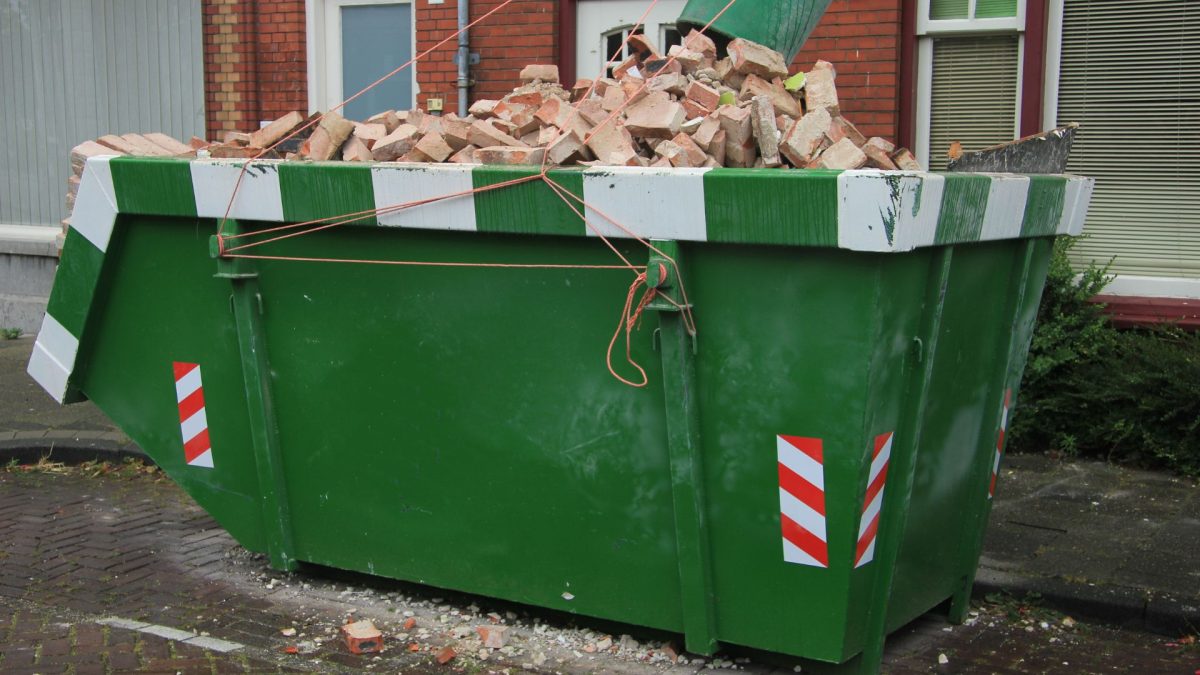
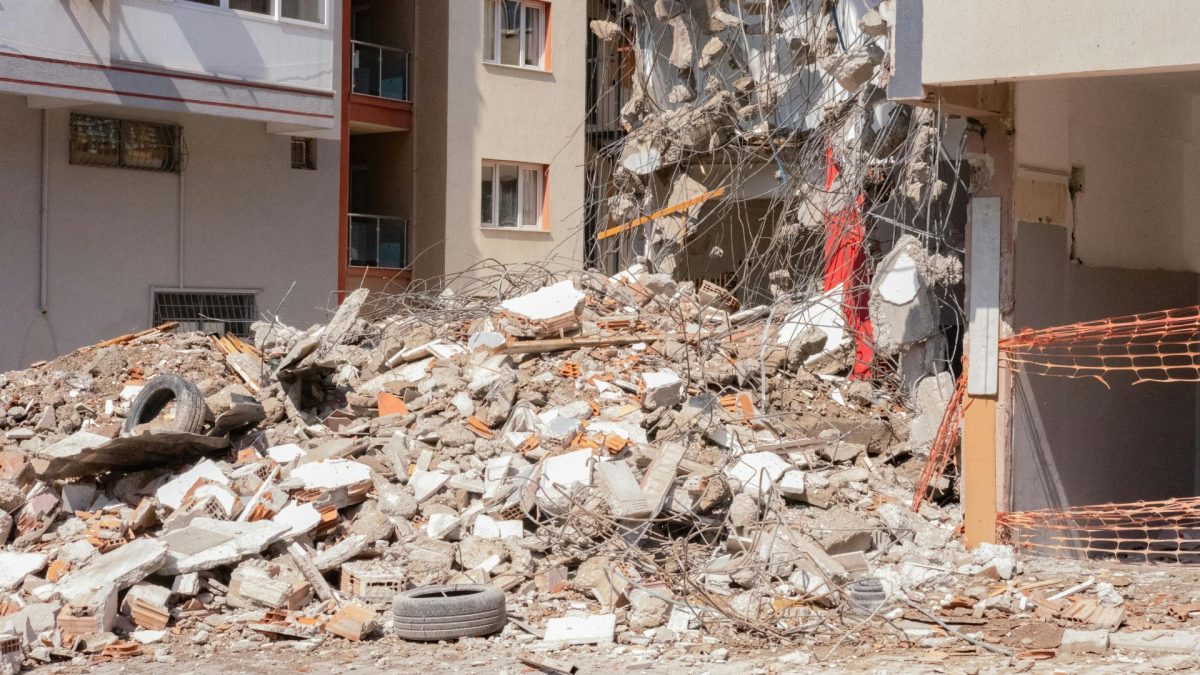
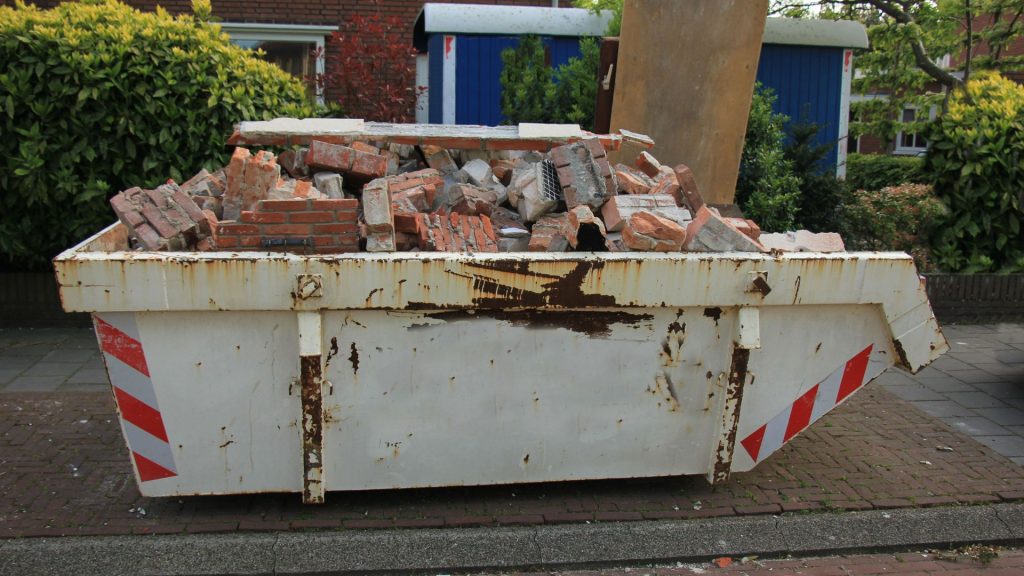
What happens after breaking concrete matters just as much as how it’s done. Piles of rubble left sitting can disrupt traffic, block sidewalks, or pose safety hazards. Efficient debris hauling keeps things moving. Sorting concrete for recycling not only benefits the environment but reduces landfill waste, a responsibility that modern removal professionals take seriously.

Recycling facilities often crush concrete into reusable aggregate for future construction projects. It’s a sustainable loop—yesterday’s patio might become tomorrow’s foundation. Responsible hauling, properly secured loads, and adherence to disposal regulations ensure safety during transport. Efficient cleanup after removal restores order to the site, leaving no trace of the heavy work that once shook the ground.

Protecting Nearby Property and Landscaping

Concrete removal often takes place near lawns, gardens, and neighboring structures, where precision becomes critical. A single misstep with heavy machinery can crush a flowerbed or crack a retaining wall. Setting up protective barriers and mats shields vulnerable areas from debris and vibrations. Slow, deliberate movement around tight corners keeps driveways intact and fences unscathed.

Watering nearby greenery before removal can help control dust while also keeping plants resilient through the disturbance. Teams that treat a site with care reflect professionalism beyond skill. Respecting property boundaries isn’t only about preventing damage—it’s about preserving the community’s visual harmony. A clean, protected landscape stands as evidence of work done with respect and awareness.

Coordinating Permits and Regulations

Concrete removal isn’t simply a physical task—it’s an administrative one too. Cities often require permits for demolition activities, even for small-scale residential work. These permits regulate safety, traffic management, and waste disposal procedures. Overlooking this step can halt the entire project or lead to costly penalties.

Permits also communicate legitimacy to the community. When neighbors see that the work complies with local regulations, they’re more likely to support it. Understanding zoning rules, noise limits, and traffic ordinances prevents unnecessary delays. By aligning legal responsibilities with operational readiness, concrete removal becomes smooth, transparent, and compliant from start to finish.

Prioritizing Safety in Crowded Environments

Safety isn’t just for the crew—it extends to everyone within earshot of the work. In neighborhoods filled with pedestrians, children, and pets, risk prevention becomes the central focus. Clear signage, cones, and barriers guide traffic safely around the site. Workers wearing visible gear remind residents of ongoing work, signaling caution without confrontation.

Within the site, safety protocols evolve with the environment. Dust masks, gloves, and hearing protection become essential shields. Constant monitoring ensures no one wanders into danger zones. A culture of safety nurtures confidence—not only in the crew but in the surrounding community. Each cautious step contributes to a safe, predictable rhythm amid the bustle.

Planning for Efficient Cleanup and Restoration

Concrete removal doesn’t end when the last piece is hauled away. The aftermath reveals the real mark of professionalism—restoration. Uneven soil, lingering dust, and leftover debris can dampen a project’s success. Thorough cleanup reclaims the space for new beginnings. Whether the plan is to pour fresh concrete, lay turf, or simply leave it open, preparation sets the stage.

Pressure washing surfaces, sweeping adjacent sidewalks, and clearing residual dust restore order. Residents appreciate when the area looks better than it did before work began. That transformation marks not just completion but care. Cleanup isn’t a closing step—it’s the signature of a job handled with responsibility and pride.

The Value of Experience in Urban Projects

Concrete removal in busy areas rewards those with experience. Seasoned crews anticipate problems before they arise—knowing how to manage traffic, silence a machine’s roar, or coordinate debris removal without disrupting daily life. Experience sharpens intuition. It teaches patience when a car blocks the path, adaptability when unexpected wiring appears beneath the slab.

No manual replaces what time teaches. Every past project becomes a lesson—each mistake a teacher in disguise. Experienced professionals bring more than tools; they bring judgment, rhythm, and respect. They know how to make heavy work look effortless, how to leave behind not chaos, but calm.

Conclusion

Concrete removal in densely populated neighborhoods is an art of coordination and respect, where timing, communication, and precision converge. Every decision, from tool selection to debris disposal, influences how smoothly the process unfolds. Professionals who approach each project with patience and awareness don’t just complete the job—they uplift the environment around it. The balance of care and strength is what turns concrete removal into a refined service rather than a noisy intrusion.

For dependable and efficient Junk Removal solutions that respect both property and community, contact 24-7 Junk Removal in Palatine, IL. Call (773) 309-6966 or visit us at 611 W. Wise Schaumburg, IL 60193 for expert assistance. You can also reach us through support@24-7junk.com for inquiries or scheduling. With every project handled, the promise remains the same—precision, responsibility, and a cleaner tomorrow.

Categories
Concrete Removal

Why Concrete Removal Is an Important First Step for Homeowners

Concrete forms the foundation of countless home structures, from driveways to patios and basement floors. Yet, when the time comes for renovation or repair, this seemingly solid material often becomes an obstacle that stands in the way of transformation. Old concrete can harbor cracks, stains, and uneven surfaces that disrupt both aesthetics and function. Removing it allows homeowners to start fresh, ensuring that whatever project follows—whether it’s new flooring, landscaping, or structural reinforcement—sits on a stable, smooth base.

Beyond appearances, the role of concrete removal stretches into safety and practicality. Loose slabs can shift over time, causing tripping hazards or drainage problems. Clearing away deteriorating concrete prevents those future issues before they have a chance to develop. In renovation planning, it’s the unseen groundwork that makes visible improvements possible. When done efficiently, removal sets the stage for lasting results and enhances the structural integrity of the home.

The Connection Between Concrete Removal and Home Safety

Old concrete doesn’t just look worn—it can create genuine hazards that put people at risk. Cracked surfaces allow water to seep underneath, freezing in colder months and expanding the damage over time. These fissures also lead to uneven surfaces that can trip unsuspecting visitors. Removing this unstable material minimizes the chances of accidents around the home. It’s not just about aesthetics—it’s about protecting those who live there.

Additionally, damaged concrete can strain nearby structures. If a driveway tilts toward the house, water runoff might pool near the foundation, leading to moisture damage or mold. By clearing out problem areas early, homeowners avoid expensive repairs later. Safety begins with prevention, and concrete removal gives that preventive edge. The process reinforces a home’s stability from the ground up, making it a vital step before any major renovation or landscaping effort begins.

Preparing for Renovation: Why Removal Comes First

When a homeowner envisions a new patio, garage floor, or walkway, the excitement often revolves around design and style. Yet, without proper preparation, those creative plans can quickly crumble—literally. Removing the old concrete is a crucial early step that allows for a clean, even canvas. It ensures new installations bond correctly and prevents future cracking or uneven settling that can occur if remnants of deteriorating material are left behind.

Concrete removal also allows inspection of what lies beneath. Old slabs may hide drainage problems, soil erosion, or structural weaknesses that only become visible once they’re gone. Taking the time to address these underlying issues guarantees a better long-term result. Every quality renovation begins with a strong foundation, and removing outdated concrete provides the opportunity to rebuild that foundation the right way.

Enhancing Property Value Through Clean Slate Projects

A home’s exterior can speak volumes to potential buyers or guests, and neglected concrete areas often send the wrong message. Crumbling driveways, uneven walkways, or chipped patios diminish curb appeal and make a property appear older than it is. By removing worn-out concrete and starting anew, homeowners rejuvenate their property’s appearance and, in turn, its overall value. The improvement is immediate and noticeable from the curb.

This transformation extends beyond visual charm. When new surfaces are installed after proper removal, they promise durability and low maintenance—two key selling points in real estate. Whether a homeowner plans to sell soon or simply wants to enjoy their living space more, this step provides measurable returns. A clean slate is more than just a metaphor; it’s a strategic investment that turns outdated materials into a chance for renewal and higher property worth.

Environmental Benefits of Responsible Concrete Disposal

Removing concrete might sound destructive, but when handled properly, it can actually benefit the environment. Reputable removal services often recycle the debris instead of dumping it in landfills. Crushed concrete can be repurposed for road bases, landscaping materials, or new construction projects. This process conserves resources, reduces waste, and lowers the carbon footprint associated with home improvement.

Beyond recycling, removal can also help correct environmental issues around a home. For instance, improperly poured concrete might interfere with drainage or prevent water from reaching nearby soil. Removing and replacing it allows for better landscape health and water management. Responsible disposal and reconstruction practices align with eco-friendly renovation goals. It’s a small yet significant way for homeowners to contribute to sustainability while improving their property.

Avoiding Long-Term Structural Problems

Concrete that appears only slightly damaged can hide deeper issues. Cracks and pits often signal settling or erosion beneath the surface. Over time, that instability can extend into surrounding areas, putting patios, steps, or even foundations at risk. Removing old concrete before starting new projects eliminates those underlying weaknesses, preventing more serious structural failures later.

Ignoring the warning signs may seem convenient in the short term, but the consequences can be costly. Moisture seeping through cracks accelerates deterioration, while shifting slabs add pressure to nearby retaining walls or support structures. By addressing these problems through removal, homeowners preserve the long-term stability of their property. It’s not merely a maintenance step—it’s an act of preservation that safeguards a home’s future against avoidable damage.

The Importance of Proper Tools and Techniques

Concrete removal is not a task for improvisation. The process demands precision, safety awareness, and the right tools for the job. Heavy-duty breakers, saws, and disposal equipment must be used correctly to ensure both efficiency and protection of nearby areas. Attempting to tackle this project without professional expertise can lead to property damage or personal injury.

Professional removal teams understand how to section, lift, and transport materials without compromising surrounding structures. They also follow strict disposal regulations to keep the process compliant and environmentally responsible. Every piece of equipment serves a purpose, from controlling dust to ensuring even cuts. Proper techniques make all the difference between a clean demolition and a chaotic mess. Homeowners benefit most when they rely on skilled handling and professional-grade tools.

How Concrete Removal Opens Opportunities for Redesign

Once old concrete is gone, an entire world of design possibilities opens up. That plain gray slab that once dominated the backyard could transform into a lush garden, an outdoor kitchen, or a stylish patio. The act of removal is not just destruction—it’s an invitation to create something better suited to the homeowner’s lifestyle and taste. It turns limitation into opportunity.

New materials and designs can emerge once the space is cleared. Homeowners can explore modern textures, eco-friendly surfaces, or creative layouts that weren’t possible before. It’s a liberating process that gives freedom to reimagine spaces. Whether the goal is comfort, beauty, or functionality, concrete removal paves the way—literally—for innovation and personal expression in home design.

Managing Costs and Maximizing Efficiency

The cost of removing concrete may seem like an extra burden at first glance, but in truth, it often saves money over time. Leaving deteriorated slabs in place can lead to bigger problems later, such as water intrusion, foundation shifting, or uneven flooring. By addressing the issue early, homeowners avoid those future repair expenses. The removal stage is an investment in prevention rather than an unnecessary cost.

Efficiency also plays a role. Professional services complete removal faster and safer than DIY methods, allowing renovations to stay on schedule. Proper planning ensures that equipment, labor, and disposal are handled seamlessly. Every dollar spent on organized removal contributes to a smoother project overall. Homeowners who value both time and results recognize that strategic removal is the key to cost-effective progress.

Creating a Healthier Home Environment

Concrete might seem inert, but old slabs can harbor dust, mold, and even chemicals from outdated sealants. When those materials begin to break down, they can release particles into the air or leach into nearby soil. Removing and replacing them improves the air quality around the home and supports a healthier environment for everyone who lives there.

Additionally, smoother, newer surfaces reduce areas where water can pool or mildew can form. This lessens the risk of moisture-related issues that affect both indoor and outdoor spaces. By starting from scratch, homeowners gain not just aesthetic improvements but also a cleaner, more hygienic living environment. Healthy surroundings begin with solid foundations, and proper concrete removal plays a surprisingly vital role in that goal.

The Value of Professional Expertise

Concrete removal might look straightforward, but the process involves more than just breaking and hauling. Professionals evaluate the structure, determine the safest method for removal, and ensure that surrounding utilities or features remain undisturbed. Their expertise minimizes risks while delivering precise results. It’s not about brute force—it’s about calculated action.

Seasoned removal teams bring efficiency that DIY attempts can rarely match. They know how to manage heavy materials, dispose of debris responsibly, and leave the site ready for the next phase of construction. The difference shows not only in speed but also in quality. Investing in expert help guarantees that each step is done safely and correctly, saving time and stress in the long run.

Conclusion

Every home improvement project begins with a foundation, and concrete removal is often that essential first step. It clears away what no longer serves the structure and prepares the ground for new possibilities. From safety and design freedom to environmental benefits, the process creates the conditions for success. When handled by experts, it ensures that future renovations are built on strength, stability, and care.

For homeowners in Palatine, IL, looking to begin their next project the right way, 24-7 Junk Removal provides reliable and professional service. Whether it’s hauling away old concrete or full Junk Removal, their team delivers efficient, responsible solutions. Reach out today at (773) 309-6966 or visit them at 611 W. Wise Schaumburg, IL 60193. For more details, contact support@24-7junk.com and take the first confident step toward transforming your property.

Categories
Concrete Removal

Tips for Tackling Concrete Removal with Ease

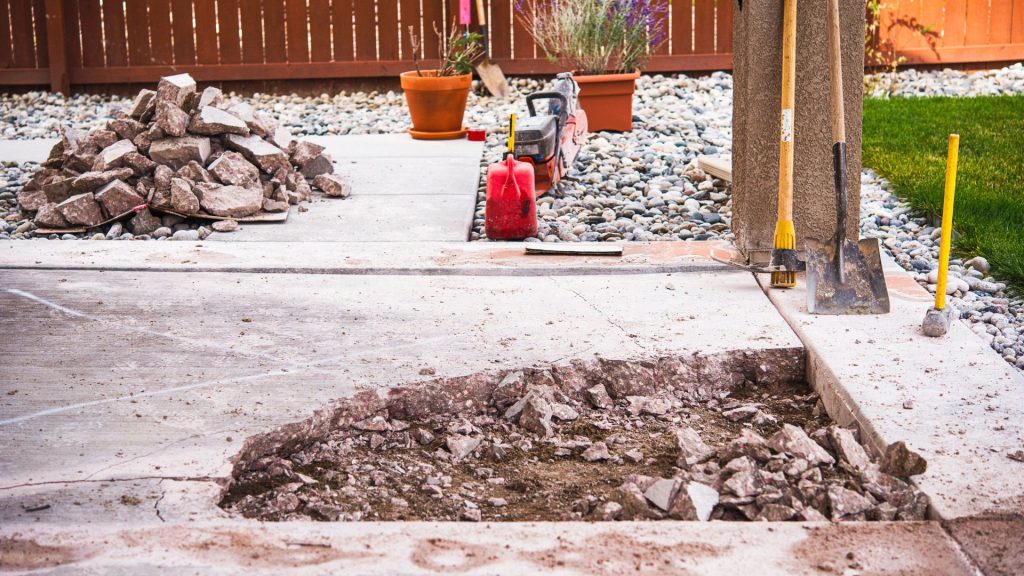
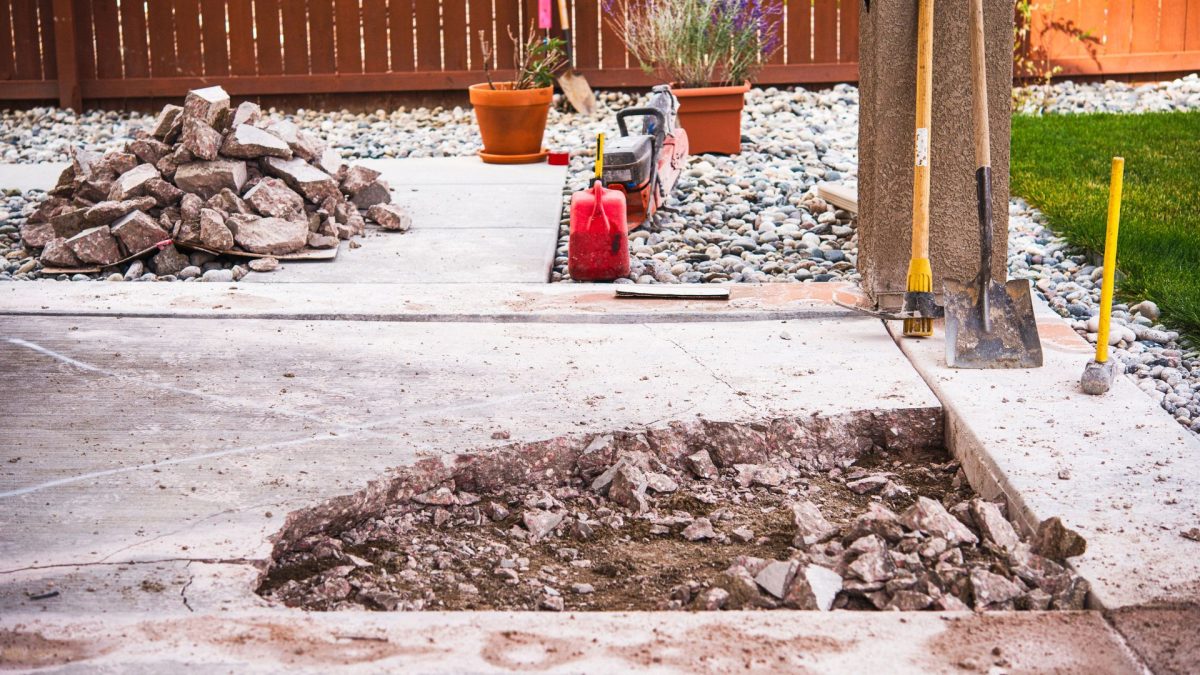
Concrete is built to last — and that durability makes its removal anything but simple. When it’s time to replace an old patio, driveway, or slab, homeowners quickly realize the task requires both patience and strategy. The weight, density, and structure of concrete make it resistant to typical tools, demanding precision and the right approach. While it may seem like a purely physical job, success in removing concrete depends heavily on preparation and an understanding of its composition. Cracking, cutting, and hauling are each steps that require thoughtful execution to avoid unnecessary strain or damage to surrounding structures.

A smart start often means surveying the space and determining the type of concrete involved. Reinforced slabs with rebar, for instance, present a very different challenge than thin walkways. Knowing what lies beneath the surface helps you plan for the right tools and safety measures. Once that’s established, creating a plan for debris removal ensures a smoother workflow. Without it, the process can quickly become overwhelming. The key is to balance effort with efficiency — approaching the task systematically instead of attacking it blindly.

Preparing the Work Area for a Safe Process

Preparation lays the groundwork for any successful concrete removal project. Before the first hammer swing or saw cut, take time to clear the space. This means removing loose debris, outdoor furniture, or any nearby objects that could become hazards. Safety should always come first, especially since concrete removal produces dust, flying fragments, and noise. Using protective gear such as gloves, steel-toed boots, safety glasses, and ear protection is non-negotiable. The right gear shields against unexpected chips and falling debris.

Marking off boundaries with bright tape or barriers helps define your workspace, keeping others — especially children and pets — out of harm’s way. Consider where the debris will go once the breaking starts. Having a disposal plan in place prevents chaos later on. It’s also wise to assess whether underground pipes or electrical lines might be hiding below. An accidental strike can escalate the project from tough to dangerous. When preparation meets caution, the task becomes more manageable and less stressful.

Choosing the Right Tools for the Job

Concrete removal requires more than raw strength — it demands the right tools. A sledgehammer may handle thin slabs, but thicker or reinforced concrete often calls for heavier machinery like jackhammers or concrete saws. The choice of equipment can determine whether the process feels controlled or chaotic. Lightweight tools may suffice for smaller areas, while professional-grade gear offers efficiency for larger jobs.

For precision cuts or tight corners, a concrete saw provides cleaner results and minimizes collateral damage. On the other hand, jackhammers excel at breaking large surfaces into manageable chunks. The right tool doesn’t just make the job faster — it also protects you from fatigue and injury. Ensuring equipment is well-maintained and suitable for the task saves both time and effort. Renting specialized tools for the duration of the project can be a cost-effective option for homeowners who don’t plan to reuse them.

Understanding the Role of Technique in Concrete Breaking

Powerful tools alone aren’t enough to ensure success — technique plays an equally vital role. Knowing where and how to strike the surface makes the difference between smooth removal and hours of frustration. Working from cracks or weakened areas can speed up the process, allowing the structure to collapse in sections rather than resisting the blows. A methodical pattern ensures even distribution of force and prevents unnecessary wear on tools.

The secret lies in working with the concrete rather than against it. Start from one edge and progress steadily, section by section, instead of attacking the middle without structure. If the surface is reinforced with steel bars, cutting before breaking helps separate the material cleanly. It’s about finding the rhythm of the work — balancing persistence with patience. When done with intention, even a demanding job can start to flow naturally, turning what feels impossible into something surprisingly achievable.

Managing Dust and Debris During Removal

One of the most overlooked aspects of concrete removal is dust control. When concrete is broken, microscopic particles quickly fill the air, creating visibility issues and potential health risks. Water can be a helpful ally here — lightly spraying the surface as you work reduces airborne dust and keeps the environment cleaner. It’s a simple trick that can make a noticeable difference in comfort and safety.

Debris management is equally important. Broken chunks of concrete can pile up faster than expected, obstructing your workspace and creating tripping hazards. Establish a clear path for moving debris and designate a disposal zone away from the main work area. Using wheelbarrows or heavy-duty bins helps transport rubble efficiently. Keeping things organized not only saves time but also prevents fatigue from repetitive, unplanned movement. Each small effort contributes to an overall sense of order in what could otherwise be a chaotic process.

Handling Reinforced Concrete with Care

Reinforced concrete adds another layer of complexity. The steel rebar embedded within provides strength but also makes removal trickier. When the concrete cracks, the rebar can bend or twist, resisting complete separation. Cutting through these metal elements with a reciprocating saw or angle grinder becomes essential to progress. Without proper tools, what seems like a minor obstacle can stall the entire project.

Working with reinforced concrete demands heightened attention. Sparks from cutting metal, sharp edges, and hidden reinforcements all pose risks that require focus. Taking your time and following a deliberate pattern helps maintain control. It’s also essential to anticipate the weight of each section before removing it — reinforced slabs can hold together longer, surprising those unprepared for sudden shifts. Breaking the job into smaller, more manageable portions is the surest way to maintain safety and precision throughout the process.

Efficient Disposal and Recycling of Concrete Waste

Once the heavy lifting is complete, the question becomes — what to do with the remnants? Concrete disposal requires planning and adherence to local regulations. Many areas prohibit dumping construction waste with regular trash, which means arranging proper hauling or recycling services. Fortunately, much of the material can be repurposed. Crushed concrete is often reused in road bases, landscaping, or as filler for new construction.

Recycling not only reduces environmental impact but also clears space more efficiently. Some facilities even pay for reclaimed concrete, turning what was once waste into a resource. For homeowners, coordinating pickup or drop-off ahead of time streamlines the cleanup process. The relief of seeing a cleared, organized space after days of hard work is unmatched. With a little foresight, debris disposal becomes the final, satisfying step in reclaiming your yard or renovation site.

Knowing When to Call for Professional Help

There’s pride in doing things yourself, but sometimes the smartest move is to bring in experts. Concrete removal can escalate quickly — what begins as a small slab may hide reinforcement or depth that exceeds your tools’ capability. Professionals come equipped not only with advanced equipment but also with experience in handling unexpected challenges. They know how to manage large-scale debris safely, minimize property damage, and adhere to disposal standards.

For homeowners balancing time, safety, and efficiency, professional help can mean the difference between weeks of struggle and a day’s work. The cost is often offset by saved effort, reduced risk, and a cleaner final result. Choosing to delegate doesn’t diminish accomplishment — it’s simply a practical acknowledgment of the project’s demands. Some jobs are better handled by those who tackle heavy removals every day, turning what feels like an obstacle into a seamless transition toward your next improvement project.

Safety Precautions That Should Never Be Ignored

Concrete removal may seem straightforward, but hidden dangers lurk throughout the process. Falling debris, tool malfunctions, and dust inhalation are just a few of the risks. Prioritizing safety is more than following guidelines — it’s about constant awareness. Always ensure equipment is functioning correctly, cords are secured, and protective gear is worn at all times. If fatigue sets in, pausing for rest can prevent accidents. A clear mind and steady hand are as important as any tool you wield.

It’s also essential to plan exits and have first-aid supplies nearby. Concrete dust can irritate the lungs, so masks rated for fine particles are necessary. When working near walls or foundations, maintaining distance from potential collapse zones can save you from injury. In short, respect the process. Safety is not an afterthought — it’s the invisible structure that keeps every swing and cut under control. With careful attention, even a demanding task like this can be carried out without incident.

Post-Removal Cleanup and Site Restoration

After the heavy work is done, what remains is often an uneven, dusty space begging for renewal. Cleaning up after concrete removal is about more than aesthetics — it’s preparing the site for its next purpose. Start by clearing all rubble, sweeping away fine dust, and ensuring no stray fragments remain. A tidy area makes future construction smoother and safer. Sometimes, leveling the ground or adding fresh soil may be necessary, depending on what the site will become next.

The sense of transformation at this stage is remarkable. Where a cracked slab or unwanted structure once stood, you now have open potential — perhaps for a garden, patio, or something entirely new. Taking the time to restore the space completes the cycle of removal. It’s the closure that turns effort into reward, allowing you to see the full value of your hard work. Clean space, clear mind — ready for the next project ahead.

Conclusion

Tackling concrete removal is no small feat, but with the right mindset, preparation, and methods, it becomes a manageable and even rewarding project. Each step — from preparation to cleanup — builds toward a cleaner, safer, and more functional environment. Whether you’re refreshing an outdoor space or preparing for new construction, understanding the process ensures smoother progress and a better outcome.

For those who prefer expert help, 24-7 Junk Removal offers dependable service throughout Palatine, IL, specializing in efficient and safe Junk Removal and hauling. They handle the tough work so you can focus on what comes next. Reach them at (773) 309-6966, or visit their office at 611 W. Wise Schaumburg, IL 60193. For inquiries, you can also email support@24-7junk.com — your reliable partner for concrete and debris removal done right.

Categories
Concrete Removal

Why Concrete Removal Is Crucial for Property Renovations

Removing old or damaged concrete is a foundational step in any property renovation project. Concrete that has cracked, shifted, or deteriorated over time can pose serious safety hazards. Ignoring these imperfections can lead to uneven surfaces, structural instability, and potential accidents for occupants. By taking proactive measures to remove compromised concrete, property owners ensure that the new surfaces are laid on a stable, secure foundation. This not only safeguards the structure but also extends the longevity of renovations, reducing the likelihood of costly repairs in the future.

Concrete removal also allows contractors and property owners to inspect the underlying soil and base layers. Often, problems such as water pooling, erosion, or poor compaction are hidden beneath old concrete. Identifying these issues before new construction begins ensures that corrective measures can be implemented early, preventing foundational issues from reoccurring. Addressing these factors during the removal process enhances overall structural integrity, making renovations safer and more durable over the long term.

Preparing for Modern Design

Outdated concrete layouts can limit design possibilities during renovations. Old driveways, patios, or flooring may not align with the desired aesthetic or functional changes planned for a property. Removing existing concrete clears the way for innovative design solutions, from sleek, contemporary patios to functional outdoor living areas or expanded foundations. Without the removal step, renovation efforts may be compromised, forcing property owners to work around inflexible and aging surfaces.

Moreover, the removal process enables better integration of modern materials and technologies. For example, properties can incorporate sustainable drainage systems, underfloor heating, or decorative concrete finishes that require precise installation on freshly prepared surfaces. By eliminating old concrete first, property owners maximize design flexibility, ensuring the renovated space meets both current standards and personal preferences without being constrained by the limitations of existing structures.

Facilitating Utility Upgrades

Concrete removal is essential when upgrading or installing utilities. Buried pipes, electrical conduits, or irrigation systems often lie beneath concrete surfaces. Attempting to retrofit or repair these systems without removal can lead to inadequate installation and future maintenance challenges. Removing concrete provides unobstructed access, allowing professionals to replace outdated lines, reconfigure layouts, or introduce modern infrastructure efficiently and safely.

Additionally, proper removal ensures that all utility connections are aligned with current codes and regulations. It allows contractors to inspect the subsurface for hidden damage or potential hazards, reducing the risk of future complications. By combining concrete removal with utility upgrades, property owners achieve a more functional, code-compliant environment that supports the longevity and efficiency of the renovated space, ultimately adding value and convenience.

Preventing Long-Term Damage

Neglecting concrete removal can contribute to persistent structural issues. Cracks and gaps in old concrete may allow water infiltration, leading to erosion, mold growth, and foundation weakening over time. Moisture trapped beneath concrete surfaces can create frost heaves in colder climates or exacerbate soil instability, undermining the newly renovated areas. Timely removal of old concrete mitigates these risks, protecting the investment made in property improvements.

Furthermore, removing concrete ensures proper grading and drainage during renovations. It allows contractors to address slope inconsistencies, redirect water flow, and establish protective barriers against erosion. By preventing long-term damage, concrete removal safeguards both the structural and aesthetic integrity of the property. This preventative measure is crucial for maintaining property value, minimizing maintenance costs, and ensuring a safe, durable environment for residents and visitors alike.

Optimizing Material Reuse and Sustainability

Concrete removal provides opportunities for sustainable practices. Crushed concrete can be repurposed as aggregate for new construction, landscaping, or erosion control projects. By recycling removed concrete, property owners contribute to reducing landfill waste while also benefiting from cost-effective material alternatives. This sustainable approach aligns with modern construction standards and environmental responsibility, offering long-term advantages beyond the immediate renovation.

Additionally, incorporating sustainable concrete practices can enhance a property’s appeal and market value. Buyers increasingly value eco-conscious improvements that minimize environmental impact. By removing old concrete and repurposing it creatively, homeowners and contractors demonstrate a commitment to sustainability, while also improving the functional and visual quality of renovated spaces. This dual benefit underscores why concrete removal is a crucial component of any responsible property renovation project.

Streamlining Construction Workflow

Concrete removal simplifies the overall construction process by eliminating barriers that could hinder progress. Old concrete can obstruct access to specific areas, complicate equipment maneuverability, and slow down labor-intensive tasks. By removing it efficiently at the outset, contractors can maintain smoother workflows, reduce delays, and coordinate subsequent construction phases more effectively. This streamlining is particularly important for large-scale renovations where timing and sequencing are critical.

A clear workspace also enhances safety for construction crews. Uneven surfaces, debris, and protruding concrete fragments can increase the likelihood of accidents or equipment damage. Removing concrete in a controlled and organized manner minimizes hazards and creates a safer working environment. This contributes to higher productivity, better-quality workmanship, and a reduced risk of project overruns, making concrete removal a vital step in managing construction workflow successfully.

Enhancing Property Aesthetics

Old concrete often looks worn, stained, or outdated, which can detract from the overall appeal of a property. Its removal opens opportunities for modern finishes, decorative patterns, and complementary landscaping that elevate curb appeal and interior design. A refreshed concrete layout can harmonize with new architectural features, creating a visually cohesive and attractive space that aligns with current trends.

In addition to aesthetic improvements, concrete removal allows for functional design adjustments, such as incorporating wider pathways, seating areas, or garden beds. These enhancements not only improve visual appeal but also increase usability and comfort for residents and guests. By prioritizing concrete removal, property owners can achieve a balanced combination of beauty and practicality that enhances both enjoyment and property value over time.

Supporting Property Value Growth

Concrete removal contributes directly to property value by creating a clean, modern, and functional foundation for renovations. Properties with deteriorated concrete can suffer from decreased market appeal, lower appraisal values, and diminished investment potential. Replacing old concrete with well-installed, aesthetically pleasing surfaces signals that the property has been maintained and updated properly, which attracts buyers and investors alike.

Moreover, investing in concrete removal demonstrates foresight and diligence to potential purchasers. It highlights a commitment to maintaining structural integrity, improving aesthetics, and adopting sustainable practices. These factors collectively enhance perceived and actual property value. Renovated spaces built on a solid foundation stand out in competitive markets, making concrete removal a strategic move for homeowners, developers, and property managers seeking long-term financial and practical benefits.

Reducing Health and Environmental Risks

Old concrete can harbor mold, mildew, and accumulated debris that pose health hazards, especially when left in damp or shaded areas. Removing it helps eliminate these potential risks, creating a cleaner and safer environment for occupants. Additionally, broken or crumbling concrete fragments can become a physical hazard, leading to injuries. Professional removal ensures that these risks are minimized effectively.

Environmental considerations also play a role. Proper disposal or recycling of concrete prevents contamination of soil and water systems and supports community sustainability initiatives. By addressing both health and environmental concerns, concrete removal extends beyond aesthetics and functionality, contributing to a safe, sustainable, and responsible property renovation process that protects both residents and the surrounding ecosystem.

Increasing Renovation Efficiency

Concrete removal allows subsequent renovation tasks to proceed without obstruction, improving overall efficiency. Tasks such as installing new flooring, landscaping, or structural components require precise and level surfaces. Without removing old concrete, these processes can become complicated, potentially requiring additional adjustments or corrections. By starting with a clean slate, contractors can maintain accuracy, reduce labor costs, and shorten project timelines.

Efficiency gains also extend to cost management. Removing concrete early prevents compounded issues, such as needing to retrofit or repair inadequate foundations later. This proactive approach minimizes unexpected expenses, ensures smoother scheduling, and enhances the predictability of renovation outcomes. By prioritizing concrete removal, property owners support a renovation process that is both time-efficient and economically advantageous.

Conclusion

Concrete removal is an essential step in ensuring the success, safety, and longevity of any property renovation. It not only addresses structural stability and aesthetic enhancements but also facilitates utility upgrades, improves workflow, and reduces long-term risks. By taking this step seriously, property owners and contractors lay the groundwork for a renovation that is durable, attractive, and functionally sound. From modern design integration to sustainability and safety improvements, concrete removal creates a foundation on which all other renovation efforts can confidently build.

For reliable and professional junk removal services, including concrete and construction debris removal, contact 24-7 Junk Removal in Palatine, IL. Their experienced team offers comprehensive solutions tailored to residential and commercial needs. Call (773) 309-6966 to schedule a service or consultation at 611 W. Wise Schaumburg, IL 60193 or email support@24-7junk.com for more information. Their expertise ensures that every removal project is handled efficiently, safely, and responsibly, enhancing both property value and renovation outcomes.

Categories
Concrete Removal

Concrete Removal for Property Improvements

Concrete surfaces can be functional, yet they sometimes limit your property’s potential for aesthetic and practical improvements. Removing old or unwanted concrete allows for more versatile landscaping, creating open spaces for gardens, patios, or driveways that can dramatically enhance your property’s appeal. By clearing away these rigid structures, you open opportunities for design flexibility and modernization. The transformation can shift a property from feeling outdated to offering contemporary charm, making it more attractive to potential buyers or enhancing your enjoyment if it’s your personal space.

Beyond aesthetics, concrete removal can prevent safety hazards. Cracked or uneven concrete poses tripping risks and may contribute to water pooling, potentially damaging surrounding areas. Addressing these issues not only safeguards residents and visitors but also demonstrates care and investment in property upkeep. Investing in professional concrete removal ensures proper handling and disposal of debris, minimizing environmental impact while creating a clean slate for future enhancements. The process revitalizes spaces that might have been underutilized, encouraging both functional and visual improvements.

Opening Space for Modern Landscaping

Old concrete slabs can restrict landscaping possibilities, limiting the ability to plant trees, shrubs, or lawns. Removing these barriers allows homeowners to reimagine their outdoor spaces, introducing greenery, pathways, or decorative elements that harmonize with the property’s overall style. A well-planned landscape increases property appeal, boosts curb appeal, and can contribute to higher market valuation. The removal process can also uncover hidden drainage issues or compacted soil that, once addressed, improves plant health and longevity, offering a more sustainable and visually pleasing environment.

Additionally, open spaces can be repurposed for recreational or functional areas. For example, a former concrete pad could become a new seating area, an outdoor kitchen, or a play area for children and pets. Such transformations increase usability and enjoyment while demonstrating thoughtful attention to property development. The process emphasizes not just the removal of old materials, but the creation of a renewed space capable of supporting a more versatile and engaging lifestyle, blending safety, functionality, and aesthetic appeal seamlessly.

Preparing Property for Construction Projects

Concrete removal is often a critical first step for construction or renovation projects. Whether building an extension, laying a new driveway, or installing a patio, clearing old concrete ensures a stable foundation for new construction. Without this preparation, construction may face uneven surfaces, poor soil stability, or misaligned layouts that compromise both safety and design integrity. Professional removal services can assess the area, remove debris efficiently, and prepare the surface for new installation, ensuring the next phase proceeds smoothly.

Moreover, removing existing concrete can reveal hidden issues such as erosion or subgrade instability. Identifying these problems early allows for necessary corrections, preventing long-term structural concerns. By approaching the property with a clear and prepared foundation, homeowners and contractors can confidently plan improvements without the constraints of leftover material, ultimately saving time, money, and effort while enhancing the property’s long-term value and usability.

Improving Drainage and Reducing Flood Risks

Concrete surfaces often inhibit proper drainage, directing water toward unwanted areas and increasing the risk of flooding or soil erosion. Removing these barriers allows water to flow naturally into landscaped or designed drainage systems, protecting foundations and surrounding structures. Proper drainage reduces maintenance needs, prevents water damage, and ensures that landscaping and foundations remain intact, preserving both functionality and aesthetics. By eliminating concrete in strategic areas, property owners can significantly mitigate potential water-related issues.

The process also allows for the installation of permeable surfaces or improved grading techniques that further support efficient water management. These measures contribute to sustainable property maintenance while enhancing the environment by reducing runoff and promoting soil health. Well-managed drainage not only protects the investment but also adds practical value, making the property safer and more resilient against environmental stressors while providing an opportunity to refresh and optimize outdoor spaces.

Creating Space for Recreational Areas

Concrete removal can transform unused or unattractive surfaces into engaging recreational zones. Whether converting an old driveway into a basketball court, a patio for gatherings, or a garden walkway, the removal opens up possibilities for outdoor enjoyment. By reimagining the space, homeowners can design areas that encourage activity, relaxation, and social interaction, significantly improving lifestyle quality and overall property enjoyment. Such functional redesigns also enhance aesthetic appeal, creating a cohesive outdoor environment.

Furthermore, recreational improvements can serve as a selling point, making the property more desirable for families or individuals seeking versatile spaces. Thoughtfully cleared and redesigned areas provide room for physical activity, entertainment, or leisure, offering long-term benefits for residents. Professional removal ensures that the underlying surface is safe, level, and free of debris, allowing for creative installations that maximize the potential of outdoor spaces while minimizing maintenance challenges.

Facilitating Sustainable Property Upgrades

Concrete removal can contribute to eco-friendly property upgrades. Once debris is cleared, it can be recycled or repurposed, minimizing environmental impact and supporting sustainable construction practices. Additionally, replacing impervious surfaces with permeable materials or green spaces enhances soil health, reduces runoff, and promotes local biodiversity. These upgrades align with modern sustainability trends, offering environmentally responsible improvements that appeal to conscientious buyers and homeowners.

Transitioning from rigid concrete to flexible, environmentally friendly solutions also encourages long-term property health. Replacing old surfaces with sustainable alternatives mitigates heat island effects, improves water absorption, and provides healthier outdoor spaces. The process demonstrates a commitment to responsible property management while enhancing both practical and aesthetic aspects, making the property more enjoyable and future-proofed for ongoing improvements.

Eliminating Safety Hazards

Cracked, uneven, or deteriorating concrete can be hazardous, causing trips, falls, or structural damage over time. Removing these areas reduces immediate risk and creates a safer environment for residents, visitors, and pets. Safe outdoor spaces not only protect against injury but also reflect proactive property management, which can positively influence property value and marketability. Addressing safety hazards demonstrates a forward-thinking approach to maintenance and property care.

Professional concrete removal ensures debris is handled safely and disposed of correctly, preventing accidents during and after the process. Specialized equipment allows for precise removal without causing collateral damage to surrounding areas. This meticulous approach provides peace of mind and a secure foundation for further improvements or construction projects, combining practical safety with the opportunity to enhance the overall look and functionality of the property.

Supporting Future Expansion Opportunities

Removing concrete can prepare the property for future expansion or modifications. Whether considering building an addition, installing a pool, or adding new landscaping features, a clear and level space simplifies planning and execution. By addressing these foundational needs early, homeowners can reduce complications, delays, or unexpected costs associated with construction. Clearing concrete ensures flexibility for future projects, allowing the property to evolve according to changing needs and aspirations.

Additionally, preemptive removal can help identify potential soil or drainage issues that could impact expansion. Addressing these concerns before construction preserves structural integrity and supports long-term investment. By maintaining adaptable spaces, property owners maximize utility, aesthetic potential, and functional versatility, ensuring that every improvement aligns seamlessly with long-term goals and lifestyle demands.

Enhancing Curb Appeal

Concrete removal often reveals opportunities to dramatically improve curb appeal. Replacing old driveways, walkways, or slabs with visually appealing alternatives can create a welcoming first impression. Landscaping enhancements, decorative paving, or garden installations transform previously mundane areas into attractive features that elevate overall property perception. Increased curb appeal not only benefits homeowners personally but also enhances marketability when considering resale.

A thoughtful redesign emphasizes balance and harmony between hardscape and greenery, creating a visually engaging property. Removing outdated concrete allows for flexible layouts that complement architectural style and natural surroundings. Improved aesthetics can significantly impact perceived property value, attracting potential buyers or creating an environment that is both functional and enjoyable for residents, demonstrating a clear return on the effort invested in removal and redesign.

Reducing Maintenance Costs

Old concrete can demand ongoing maintenance due to cracking, staining, or erosion. Removing these areas eliminates recurring repair needs, saving money and effort over time. The space can be replaced with durable alternatives, landscaping, or permeable surfaces that require minimal upkeep while offering long-term functionality and appeal. Reducing maintenance costs allows property owners to allocate resources to other enhancements or projects that improve property quality and value.

Additionally, professional removal prevents improper disposal and mitigates the risk of damage to surrounding infrastructure. By investing in thorough removal, homeowners create low-maintenance areas that remain attractive and functional for years. The combination of reduced upkeep, improved safety, and increased versatility ensures that property improvements are both cost-effective and sustainable, providing tangible benefits that extend well beyond the immediate visual transformation.

Improving Environmental and Aesthetic Balance

Concrete removal can significantly enhance both environmental quality and aesthetic harmony. By replacing impervious surfaces with greenery, permeable paving, or decorative features, the property achieves better water management, reduced heat retention, and a more pleasant visual environment. Integrating natural elements into formerly concrete-dominated areas creates balance, improving overall livability and contributing positively to the surrounding ecosystem.

This transformation supports sustainable property management while offering aesthetic rewards that resonate with residents and visitors alike. Replacing worn or excessive concrete allows for creative landscape design that emphasizes harmony between functionality and beauty. Thoughtful planning in removal and replacement not only addresses practical concerns but also fosters a visually appealing environment that elevates the property’s atmosphere and long-term enjoyment for everyone involved.

Conclusion

Concrete removal is an essential step in improving property value, safety, and functionality. It allows homeowners to transform rigid, outdated spaces into versatile, appealing, and safe environments that cater to both aesthetic and practical needs. By eliminating old surfaces, properties can embrace modern landscaping, recreational areas, and sustainable upgrades that contribute to long-term usability and visual appeal. The process enhances outdoor spaces, promotes safety, and supports future development opportunities, ultimately making the property more enjoyable and marketable.

For professional assistance with concrete and debris removal, 24-7 Junk Removal in Palatine, IL provides comprehensive junk removal services designed to simplify the process. Their experienced team ensures safe handling, responsible disposal, and efficient project completion. Reach them at (773) 309-6966 or visit their office at 611 W. Wise Schaumburg, IL 60193 for personalized support. By contacting 24-7 Junk Removal, property owners gain access to reliable, eco-conscious services that enhance both the functionality and value of their properties.