Categories
Bathroom Demolition

Why Bathroom Demolition Services Are Crucial

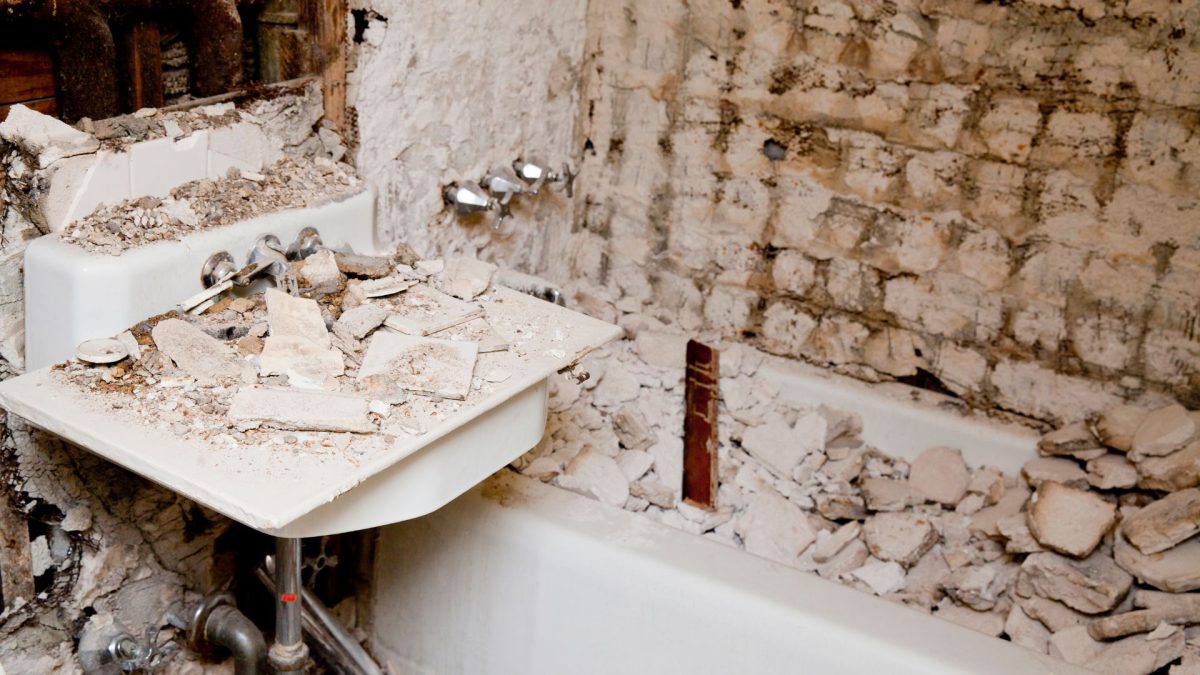
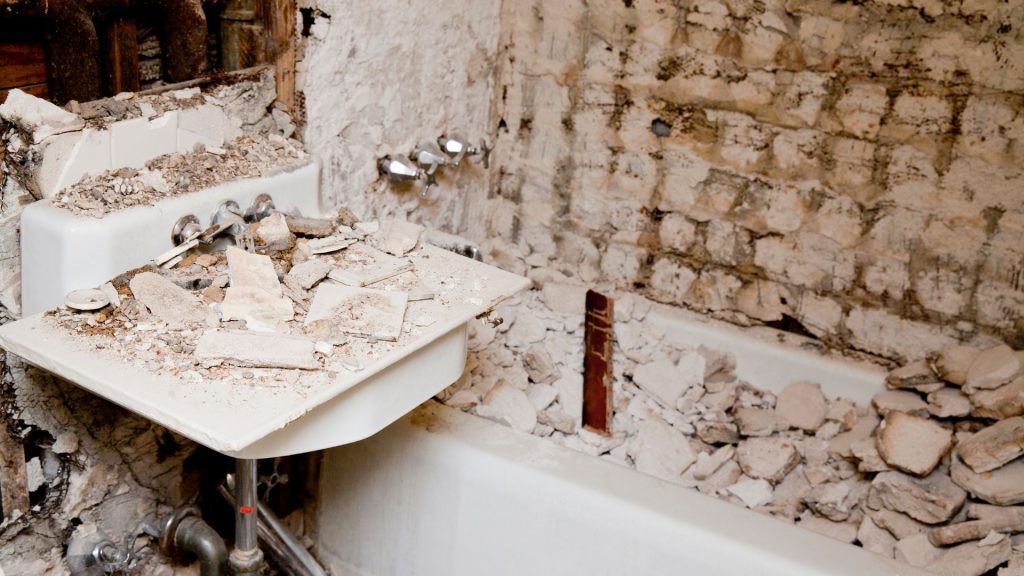
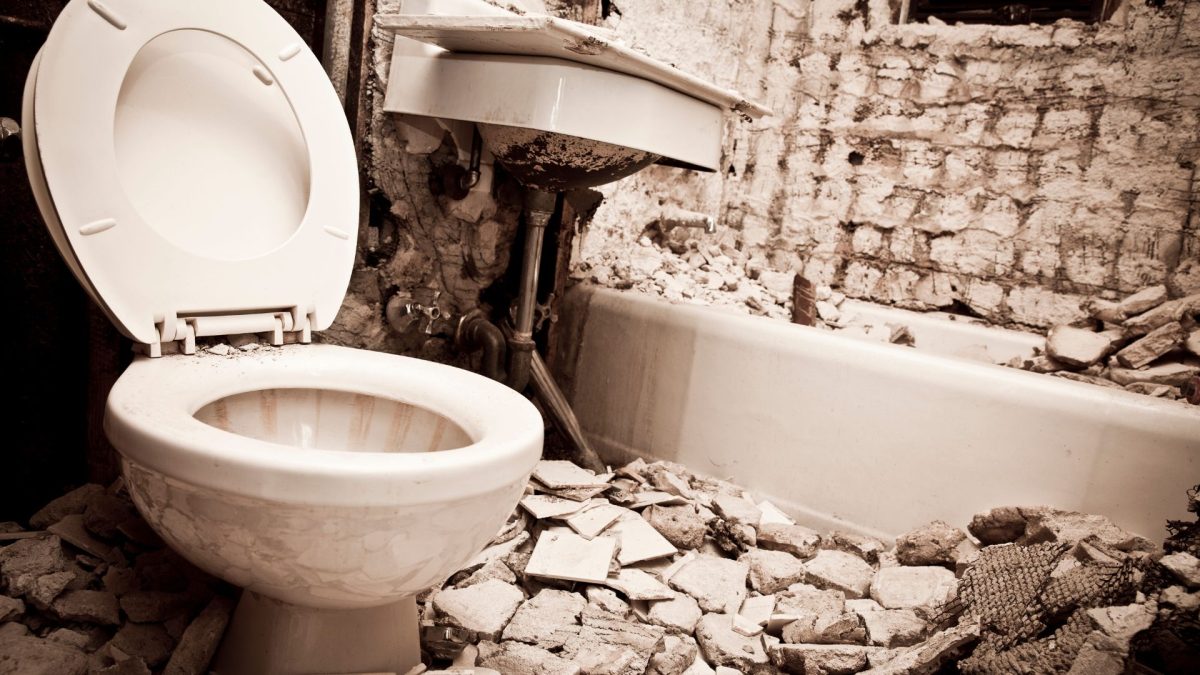
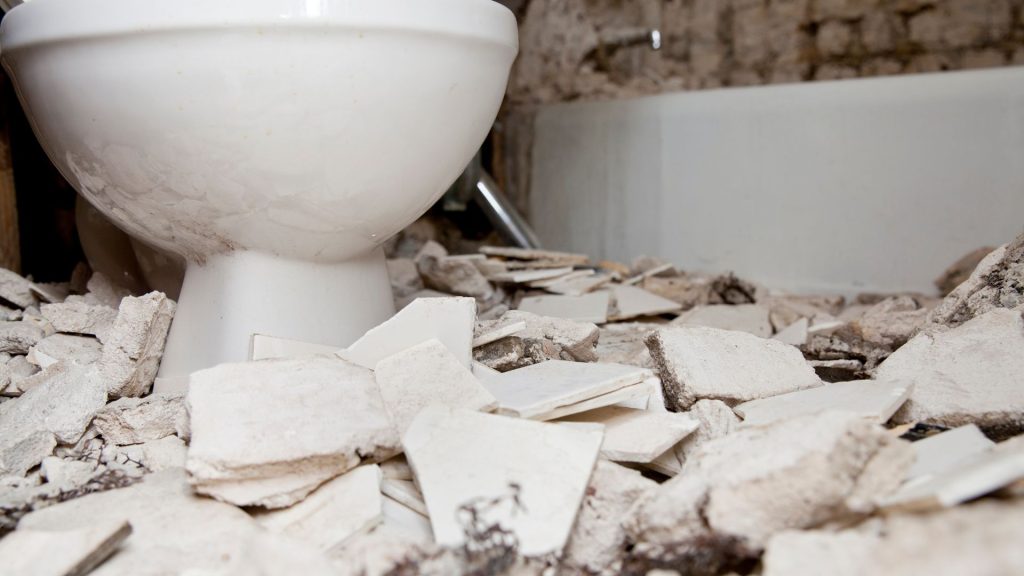
Bathroom demolition is more than tearing down walls and removing fixtures. It’s a crucial step in ensuring the space is safe from hidden hazards like mold, outdated wiring, or unstable structures. Without professional attention, minor issues can escalate into serious health and safety concerns. Skilled demolition teams assess the room thoroughly, identifying weak flooring, leaky pipes, and damaged supports, reducing the risk of injury or property damage.

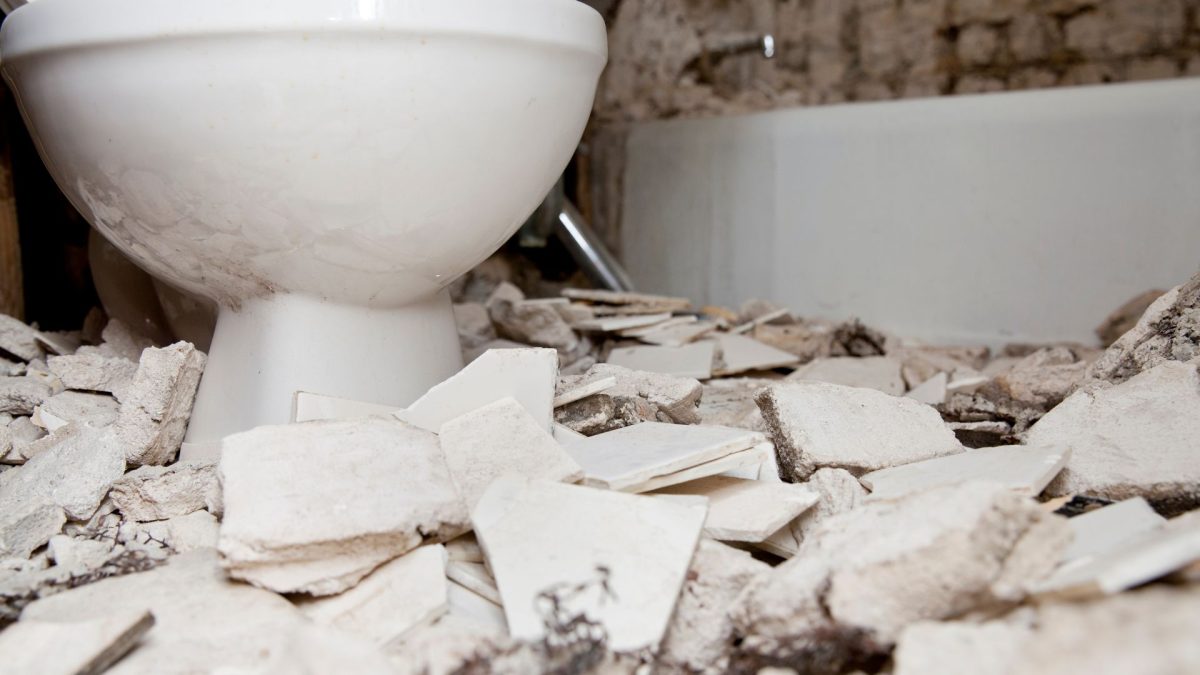
Undertaking bathroom demolition without expertise often leads to unforeseen complications. For instance, plumbing mismanagement can cause flooding, while improper removal of tiles or drywall may release harmful dust particles. Professionals follow established protocols to manage debris and prevent contamination, ensuring the home remains safe throughout the renovation. This meticulous approach not only safeguards residents but also lays the groundwork for a seamless remodel, transforming what could be a chaotic process into a controlled, efficient one.

Preserving Structural Integrity

Demolition in bathrooms requires precise handling to maintain the home’s structural stability. Removing tiles, vanities, and cabinets without proper technique can weaken walls and flooring, leading to long-term problems. Professionals understand load-bearing points and carefully dismantle fixtures to avoid damaging underlying structures, ensuring the renovated space remains secure and durable.
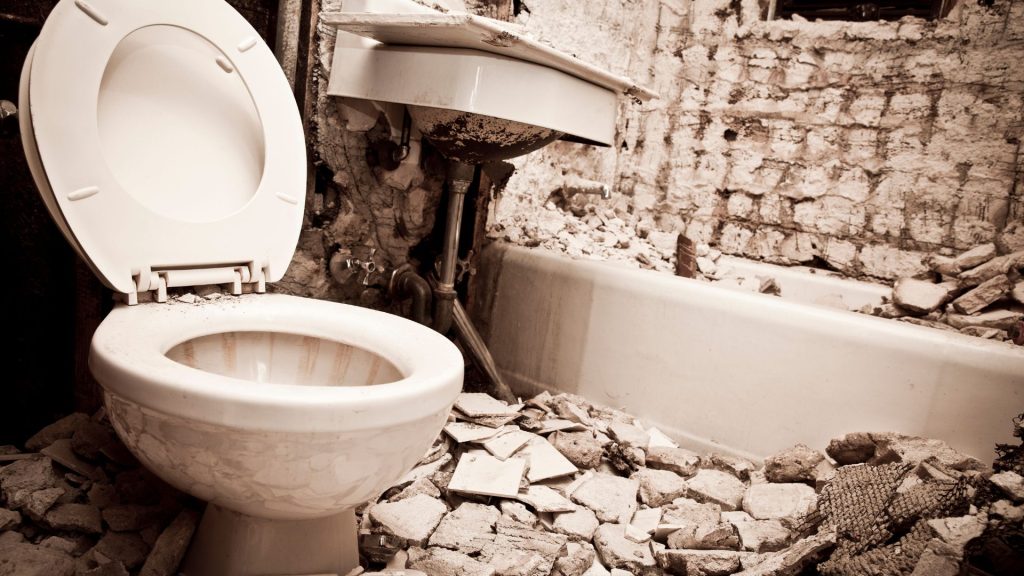
Beyond the obvious physical risks, improper demolition can disrupt plumbing and electrical systems, causing costly repairs. By using the right tools and methods, demolition specialists prevent accidental punctures of pipes or electrical wiring. Their approach ensures the project progresses smoothly, eliminating delays caused by structural setbacks. The end result is a safe, stable foundation ready for new installations, maximizing the longevity of any remodeling effort.

Efficient Time Management

Bathroom demolition can be labor-intensive and time-consuming, especially for larger spaces or older homes. Professionals streamline the process through experience, planning, and the right equipment. Their efficiency minimizes disruption to daily routines, transforming what could be a week-long ordeal into a task completed in a fraction of the time.

Time saved is more than convenience; it translates into cost savings and less stress. DIY attempts often lead to repeated mistakes, forcing homeowners to redo work or wait for specialized help. Experts approach the demolition with a structured plan, tackling each element in sequence. This systematic workflow ensures the project remains on schedule, allowing subsequent renovation steps to begin promptly and without unnecessary setbacks.

Reducing Waste and Environmental Impact

Bathroom demolition generates significant waste, from tiles and cabinets to drywall and plumbing fixtures. Improper disposal can harm the environment, filling landfills and contributing to pollution. Professional services prioritize sustainable removal, sorting materials for recycling or donation whenever possible.

Sustainable demolition practices benefit both homeowners and communities. By diverting materials from landfills, professionals support environmental conservation while often saving clients disposal fees. Careful handling also prevents contamination from hazardous substances like asbestos or lead-based materials. This eco-conscious approach demonstrates that bathroom demolition is not just about destruction but responsible transformation, turning old spaces into safer, greener environments.

Cost Efficiency and Avoiding Hidden Expenses

Hiring experts for bathroom demolition might seem expensive initially, but it prevents hidden costs that arise from mistakes or damages. Unskilled attempts can compromise plumbing, electrical systems, or walls, requiring costly repairs. Professional demolition protects existing infrastructure and ensures a smoother renovation path.

By accurately assessing the project and employing proper tools, professionals reduce the risk of unexpected expenses. They can identify underlying issues early, such as rotting subflooring or water damage, that would be overlooked by amateurs. Addressing these concerns during demolition prevents future repairs from ballooning costs, making professional demolition a smart investment that safeguards both budget and project quality.

Preparing the Space for Renovation

Proper demolition prepares the bathroom for a flawless renovation. By removing outdated fixtures, damaged tiles, and inefficient layouts, experts create a clean slate for designers and contractors. This preparation ensures precise measurements, accurate installation, and a visually cohesive result.

Beyond aesthetics, thorough demolition allows for functional improvements. For instance, plumbing can be repositioned for better water flow, and electrical layouts updated for modern appliances. This level of preparation reduces surprises during installation, allowing new designs to fit perfectly. Ultimately, professional demolition provides a foundation where creativity and efficiency converge, enabling homeowners to achieve their desired vision without compromise.

Managing Hazardous Materials

Old bathrooms may contain asbestos, lead paint, or mold, all of which pose serious health risks. Professional demolition services are trained to handle these materials safely, preventing exposure to homeowners and workers. Specialized equipment and containment procedures minimize contamination.

Ignoring hazardous materials can lead to severe consequences, including respiratory issues or structural damage. Experts not only remove dangerous elements safely but also comply with local regulations, ensuring legal and responsible disposal. Their expertise guarantees that the space becomes a safe environment for renovation, removing any threat that could affect long-term health or property integrity.

Minimizing Stress and Physical Strain

Bathroom demolition is physically demanding, involving lifting, breaking, and hauling heavy materials. For homeowners, this labor can cause injury or fatigue. Professional services relieve this burden, taking on the strenuous work while maintaining safety and efficiency.

This hands-off approach also reduces mental stress. Managing demolition logistics, debris removal, and safety precautions can overwhelm homeowners. Experts bring experience and organization to the process, ensuring tasks are executed quickly and correctly. This allows homeowners to focus on design and planning rather than the exhausting demolition itself, transforming a challenging undertaking into a manageable experience.

Ensuring Proper Disposal and Recycling

Proper disposal is an essential aspect of bathroom demolition. Professionals sort materials to recycle metal, wood, and fixtures, and responsibly dispose of items that cannot be repurposed. This approach ensures compliance with environmental regulations while reducing landfill contributions.

Recycling and responsible disposal also prevent hazardous contamination and maintain neighborhood safety. By carefully managing debris, professionals protect local ecosystems and prevent illegal dumping. This responsible approach demonstrates a commitment to sustainability, ensuring that the demolition process is not only efficient but also environmentally conscious, supporting broader community well-being.

Maximizing Return on Renovation Investment

Professional bathroom demolition increases the value of any renovation. By ensuring structural integrity, safe removal of materials, and precise preparation, the subsequent remodeling achieves higher quality results. Well-executed demolition translates to better finishes, longer-lasting fixtures, and a polished appearance.

Investors and homeowners alike benefit from professional demolition, as it enhances resale potential. Buyers value spaces that are safe, functional, and aesthetically appealing. Efficient demolition sets the stage for a smooth renovation, reducing repair needs and improving overall property value. The upfront investment in expert demolition services pays off through higher-quality results and long-term satisfaction, making it a crucial step in any bathroom remodeling project.

Conclusion

Bathroom demolition services are essential for anyone planning a renovation, providing safety, efficiency, and environmental responsibility. They protect homeowners from hazards, manage waste responsibly, and prepare spaces for seamless remodeling. By hiring experts, property owners avoid costly mistakes and ensure a durable, high-quality result.

For residents in Palatine, IL, 24-7 Junk Removal offers professional junk removal and demolition services that simplify the renovation process. Their team handles debris removal efficiently while prioritizing safety and sustainability. To schedule service, call (773) 309-6966. With a focus on quality, reliability, and customer satisfaction, 24-7 Junk Removal transforms demolition challenges into smooth, manageable projects. Their expertise ensures every renovation starts on a solid foundation, providing peace of mind and lasting results.
Categories
Bathroom Demolition

How to Plan for Bathroom Demolition Effectively

Understanding the Importance of Preparation

Bathroom demolition is not merely about tearing things apart—it’s about careful orchestration. Before a single tile comes loose, there’s a mental checklist that demands attention. You begin by visualizing the end result, knowing that every strike of a hammer moves you closer to that refreshed sanctuary. The process calls for patience, precision, and a bit of controlled chaos. Every bathroom has its quirks—hidden pipes, outdated wiring, or unexpected mold beneath tiles—that make each demolition a unique challenge. Without a proper plan, that excitement can quickly turn into frustration, costly damage, or lengthy delays.

The secret lies in deliberate preparation. That means disconnecting utilities, checking for asbestos or lead paint, and understanding what lies behind the walls before breaking anything. The more you know about your space, the smoother the demolition becomes. It’s the difference between an orderly deconstruction and a destructive free-for-all. Whether you’re planning a small remodel or a full teardown, preparation transforms what could be messy into a controlled and efficient transformation.

Setting a Realistic Timeline

Demolition often feels like the easy part, but time has a way of slipping through cracks. Setting a clear timeline creates a rhythm for the project. Without it, chaos creeps in—dust lingers longer than it should, debris piles up, and the project that should have taken a week drags on for three. The key is to treat demolition like choreography. Every step—removal, cleanup, disposal—needs its moment. Break the project into sections: flooring today, cabinetry tomorrow, fixtures next.

Remember that surprises happen. Old plumbing might refuse to cooperate, or a structural issue could reveal itself mid-process. By padding your schedule with flexibility, you ensure these bumps don’t derail your entire plan. A realistic timeline balances progress with patience. It keeps morale high and frustration low. When you plan well, every hour feels purposeful, and the work flows in sync from start to finish.

Gathering the Right Tools and Equipment

Bathroom demolition demands more than brute strength. It requires the right arsenal. Crowbars, hammers, dust masks, safety goggles, heavy-duty gloves—each tool plays its part. A proper setup not only saves time but also protects you and your property. The difference between a safe, efficient demolition and a reckless one often comes down to equipment quality. Having reliable tools within reach allows you to focus on precision rather than improvisation.

If you’re unsure which tools you’ll need, walk through your bathroom and take notes. Identify what must be removed and what can stay. Are you taking down walls? You’ll need a reciprocating saw. Removing tiles? A chisel and hammer will be your companions. Having a dumpster or disposal method nearby also helps keep debris from overwhelming the workspace. Proper preparation turns what seems like a chaotic task into a methodical and satisfying process.

Managing Dust and Debris Effectively

Demolition dust is sneaky—it finds its way into every corner, vent, and crevice. Without control measures, it spreads beyond the bathroom, coating furniture and drifting into other rooms. Setting up plastic sheeting and sealing off doors helps create a containment zone. This one simple step can save hours of cleaning later. Even a box fan placed strategically in a window can help pull the dust outside instead of letting it settle inside your home.

Debris, on the other hand, requires a strategy. As walls crumble and fixtures come out, it’s easy for clutter to pile up fast. Have a plan for where everything goes. Some materials can be recycled, while others must be properly disposed of. Sorting as you go saves space and time later. A tidy demolition site not only feels better but makes every next move safer and smoother.

Protecting Plumbing and Electrical Systems

Hidden behind bathroom walls lies a network of pipes and wires that can cause headaches if handled carelessly. Before you start removing tiles or walls, identify where these lines run. Shutting off water and power is the golden rule—overlooking it can lead to dangerous surprises. Even a small nick in a pipe or a cut wire can transform your renovation into a repair emergency.

Once utilities are secured, proceed with care. If your demolition involves removing fixtures like sinks or toilets, disconnect them slowly and methodically. Label wires, cap pipes, and keep everything organized. The goal isn’t just to remove—it’s to preserve what’s still functional. Careful handling of these systems saves money, prevents damage, and ensures that the next phase of construction begins smoothly and safely.

Considering Safety Precautions

Demolition might sound exciting, but safety is non-negotiable. The moment you start breaking apart walls or removing tiles, the risks multiply—falling debris, sharp edges, exposure to mold or chemicals. Wearing protective gear isn’t optional; it’s essential. Safety goggles, steel-toe boots, gloves, and masks act as your shield. Even ear protection helps, as power tools can quickly push noise levels into the harmful range.

Beyond personal gear, keep your workspace clear. Remove obstacles, and never rush through tasks that involve force. If you’re working with others, establish communication cues to prevent accidents. Simple precautions create a professional rhythm that ensures the project ends with results—not injuries. Every safe move preserves not just the structure of the bathroom but also your peace of mind.

Deciding What to Salvage or Replace

Not everything in a bathroom needs to go. Some items can be salvaged and reused, saving both money and materials. Before tearing down, assess what holds potential—a sturdy vanity, light fixtures, mirrors, or even certain tiles might deserve a second life. This mindful approach keeps waste low and creativity high. Sometimes, a coat of paint or a new finish can transform an old item into something fresh.

Replacing, however, can also be liberating. Outdated fixtures or damaged materials often do more harm than good by limiting design flexibility. Knowing when to let go is just as important as knowing what to keep. The right balance between salvage and renewal keeps your project grounded and sustainable. It also adds character, blending the charm of the old with the excitement of the new.

Coordinating Waste Disposal

Demolition produces a surprising amount of waste, from shattered tiles to broken drywall. Without a disposal plan, that waste becomes an obstacle. Renting a dumpster or scheduling a professional pickup ensures that the debris leaves your property swiftly. Efficient waste management keeps the site safe and prevents clutter from interfering with ongoing work.

Consider recycling wherever possible. Many bathroom materials—porcelain, glass, metal—can find new purpose through recycling facilities. Proper disposal isn’t just about cleanliness; it’s a reflection of responsibility. By coordinating waste removal early, you prevent bottlenecks and streamline the project. A well-executed cleanup plan keeps progress uninterrupted and ensures your home remains livable throughout the renovation.

Communicating with Professionals

Even if you’re tackling the demolition yourself, professional advice can be invaluable. Contractors and junk removal specialists understand the nuances of safe deconstruction, particularly when dealing with plumbing, wiring, or structural elements. Consulting them beforehand helps avoid costly mistakes. They can identify potential hazards or advise on efficient removal methods that save time and protect your property.

Communication becomes even more vital when multiple professionals are involved—plumbers, electricians, or remodelers. Coordinating their schedules prevents overlap and confusion. A clear conversation about goals, timelines, and responsibilities fosters collaboration. Every person working on the project should know what happens next. Open communication transforms a simple demolition into a well-synchronized project where every task contributes to the bigger picture.

Staying Flexible Throughout the Process

Even the best plans encounter surprises. Old homes often hide secrets—a cracked pipe behind a wall, outdated wiring beneath the floor, or unexpected water damage. Staying flexible keeps the project moving when things don’t go as expected. A rigid approach leads to stress; adaptability brings solutions. View setbacks as opportunities to improve rather than obstacles.

Flexibility also means adjusting your timeline or budget without frustration. Small changes can actually improve the final outcome. Whether you discover a design idea mid-project or need to modify your plan for safety reasons, staying calm and creative ensures progress continues smoothly. Every challenge teaches something valuable about your space—and about your ability to manage it with confidence.

Conclusion

Effective bathroom demolition is a blend of planning, safety, and organization. Each decision—from preparing tools to coordinating waste disposal—plays a role in shaping a smooth renovation experience. When done thoughtfully, demolition becomes less about destruction and more about transformation. It’s a calculated reset that clears the way for something new and inspiring to take form. Taking the time to plan every detail ensures the process runs efficiently, safely, and without unnecessary setbacks.

For professional assistance with debris removal or cleanup, reach out to 24-7 Junk Removal. They proudly serve Palatine, IL, providing reliable Junk Removal services for projects big and small. You can contact them at (773) 309-6966 or visit their office at 611 W. Wise Schaumburg, IL 60193. For inquiries, email support@24-7junk.com. Their expertise ensures your demolition project ends cleanly, safely, and ready for the next chapter.

Categories
Bathroom Demolition

Bathroom Demolition: Preparing Your Home for a Fresh Look

Bathroom demolition isn’t just about breaking tiles or tearing down walls—it’s about clearing the way for renewal. Every outdated fixture, every cracked surface, hides a story of use and time. When you decide to give your bathroom a fresh start, demolition becomes the crucial first act of transformation. It allows you to peel back the layers and understand what’s beneath the surface. Old plumbing, damaged subfloors, and hidden mold all come to light, giving you a clear picture of what needs attention before rebuilding begins.

This step creates the foundation for a lasting renovation. A proper demolition helps prevent future problems, saving time and expense later on. It also makes space for creative design possibilities. Once the debris is cleared, you’re free to imagine a new layout, new finishes, and a modern atmosphere. Demolition is, in essence, the reset button your home deserves—one that prepares the space for a future filled with comfort and style.

Planning the Demolition Process

Behind every successful bathroom transformation is a well-thought-out demolition plan. Before the first hammer swings, there’s a checklist to consider. Water lines must be shut off, electricity disconnected, and fragile elements protected. These steps ensure that the project moves forward without accidents or costly surprises. Knowing what materials you’ll encounter—whether ceramic, drywall, or concrete—helps determine the right tools and techniques for removal.

Good planning doesn’t just protect your home; it also keeps your project organized. Sorting out what can be recycled or repurposed minimizes waste, and creating a schedule prevents unnecessary delays. A clean, calculated start allows for a smoother renovation path. When everything is mapped out properly, you’ll see the space transition from cluttered to ready in no time, with less stress and more control over the outcome.

Tools and Equipment for Safe Demolition

Every efficient bathroom demolition begins with the right set of tools. Safety goggles, dust masks, gloves, and sturdy boots become your best friends during the process. Without them, even a minor accident could turn into a bigger setback. Power tools such as reciprocating saws, hammers, pry bars, and drills help make the job faster and more efficient. Having a shop vacuum or debris container nearby keeps dust and broken materials under control, which is crucial for maintaining a safe workspace.

But tools alone aren’t enough. Understanding how to use them properly ensures not only efficiency but also safety. Knowing where to cut or pry prevents damage to essential structural components. The goal isn’t chaos—it’s controlled dismantling. A well-equipped and informed homeowner can transform the demolition process from a messy task into a methodical art of removal that sets the tone for a flawless renovation ahead.

Managing Waste and Debris

Bathroom demolition creates an incredible amount of debris—broken tiles, plaster dust, splintered wood, and outdated fixtures all pile up quickly. Managing this waste efficiently keeps the space safer and cleaner. Designate an area or container specifically for debris collection before you even begin. Segregating materials that can be recycled, like metal or ceramics, not only helps the environment but also keeps disposal costs down.

Hiring a professional debris removal service ensures everything is handled responsibly. They can remove large quantities swiftly and dispose of hazardous materials according to safety regulations. Keeping your site organized prevents clutter that could lead to accidents or delays. Once everything unwanted is out of the way, you’re left with a blank canvas ready for the new design to unfold. Cleanliness during demolition sets the tone for the renovation’s success.

Protecting Your Home During Demolition

When demolishing a bathroom, the rest of your home still needs protection. Dust travels farther than expected, seeping into vents, hallways, and other rooms. Sealing doorways and covering floors with protective sheets minimizes cleanup afterward. Turning off air systems temporarily prevents dust from spreading through ducts, keeping your indoor air quality intact.

Even vibrations from removing tile or walls can affect nearby surfaces. Monitoring for cracks or loosening fixtures ensures no unintended damage occurs elsewhere. It’s a detail many overlook until it’s too late. Taking a proactive approach—covering furniture, sealing off work zones, and double-checking insulation—keeps the chaos contained. When your demolition area is well-protected, the rest of your home remains peaceful and unaffected by the mess of progress.

Handling Plumbing and Electrical Components

Bathrooms are packed with pipes and wiring hidden behind walls and under floors. Before demolition starts, identifying where these lines run is vital. Shutting off water valves and disconnecting electrical circuits helps avoid leaks, sparks, or worse. Removing old fixtures like sinks, bathtubs, and lighting should be done carefully, ensuring no damage to plumbing systems that will be reused.

It’s often wise to consult or hire a professional plumber or electrician for this part of the project. They can safely disconnect utilities and ensure your space is secure before demolition proceeds. Proper handling of these components also prevents contamination or flooding. Once everything is disconnected and capped off, you can focus on the physical removal work with confidence, knowing the space is safe to transform without any hidden dangers lurking behind the walls.

Preparing for Structural Changes

When planning a bathroom redesign, sometimes the demolition extends beyond removing tiles or fixtures. Walls might need to come down, floors replaced, or new windows added for light and ventilation. Preparing for these structural changes means understanding the layout of your home—what’s load-bearing, what’s cosmetic, and what can safely be altered.

Professional inspection helps determine what changes are feasible without compromising stability. Reinforcing beams or re-framing walls might be necessary to accommodate a new bathtub or walk-in shower. Taking these precautions before renovation begins saves headaches later. The goal is to remove with purpose, not recklessness. Structural preparation bridges the gap between demolition and design, ensuring that the new elements you envision will stand strong for years to come.

Safety Tips During Bathroom Demolition

Safety isn’t optional—it’s the backbone of any successful demolition. Protective gear should always be worn from the start to the end of the project. Sharp edges, falling debris, and exposed nails can cause serious injuries if not handled carefully. Keeping a first-aid kit on site and ensuring everyone involved knows basic safety procedures provides peace of mind throughout the process.

In addition, ventilation plays a huge role. Bathrooms often contain mold, asbestos, or chemical residues from older materials. Keeping windows open or using fans helps reduce exposure. Working slowly and methodically is also safer than rushing to tear everything out at once. Taking breaks and staying aware of your surroundings allows the demolition to stay controlled, ensuring both safety and efficiency every step of the way.

The Importance of Proper Cleanup After Demolition

Once the demolition dust settles, cleanup becomes the unsung hero of the process. It’s not just about making the area look tidy—it’s about preparing it for construction. Leftover debris can hide cracks, damage, or uneven surfaces that need fixing before rebuilding begins. Sweeping, vacuuming, and wiping down surfaces clears the space and exposes any issues that need attention.

Proper cleanup also prevents delays in the renovation timeline. Dust particles can interfere with paint, adhesives, and sealants used later. Disposing of waste correctly ensures the area is safe for contractors to begin installation without obstacles. When the last bit of rubble is gone, what remains is potential—a space cleared and ready to embrace its next design chapter, free of clutter and complications.

How Demolition Sets the Stage for Design

Every renovation starts with imagination, but demolition gives that imagination room to breathe. Removing old elements lets you see the space in its rawest form, offering clarity and inspiration for what comes next. Walls stripped bare reveal new layout possibilities; an empty floor shows how light falls differently.

This stage is where creativity meets practicality. You can visualize new storage solutions, improved lighting, and better flow once the clutter of the old is gone. It’s not destruction—it’s discovery. Every piece removed brings you closer to the vision of your dream bathroom. Once demolition is complete, you’re standing at the threshold of renewal, with endless possibilities waiting to be built upon that clean foundation.

Conclusion

Bathroom demolition is the bold first step toward creating a space that truly feels refreshed. It’s a process that demands preparation, patience, and precision, but the results are worth every effort. A well-executed demolition clears away years of wear and sets the foundation for a modern, functional, and beautiful bathroom. Whether it’s updating fixtures or completely reimagining the layout, starting with a clean slate ensures your new space will stand strong and stylish for years.

For dependable assistance with debris removal and site cleanup, reach out to 24-7 Junk Removal in Palatine, IL. Their team ensures your demolition waste is handled safely and efficiently, leaving your home spotless and ready for the next phase of renovation. For inquiries or to schedule a Junk Removal service, call (773) 309-6966, visit them at 611 W. Wise Schaumburg, IL 60193, or email support@24-7junk.com to get started on transforming your home with ease and professionalism.

Categories
Bathroom Demolition

What You Need to Know Before Starting Bathroom Demolition

Every bathroom demolition begins with one essential question—how deep are you willing to go? Some homeowners envision a simple fixture swap, while others aim for a complete tear-down that exposes the bones of the room. The key is clarity. Knowing whether you’re replacing tile, removing drywall, or redoing plumbing affects every stage of planning. Even the smallest decision, like keeping an existing vanity, can change the cost and timeline dramatically. Without a clear sense of scope, what seems like a quick weekend project can snowball into weeks of debris, dust, and unexpected repairs hiding beneath the surface.

Before swinging a hammer, assess what materials and structures make up your bathroom. Older homes may have layers of outdated tile, plaster walls, or even asbestos-containing materials that require professional handling. Evaluating the full picture not only shapes your approach but ensures safety and compliance with local codes. A well-defined plan protects you from costly surprises once demolition begins.

Preparing the Space for Demolition

A successful bathroom demolition doesn’t start with tools—it starts with preparation. The more you organize before dismantling, the smoother things run. Begin by clearing out everything not bolted down. Towels, toiletries, shelves, and mirrors should all find temporary homes elsewhere. Demolition gets messy fast, and anything left behind risks damage or contamination from dust. It’s also worth sealing vents and doorways with plastic sheeting to prevent debris from drifting into other rooms.

Shut off utilities before you even think about demolition. Water lines, electricity, and sometimes even gas must be cut off to avoid dangerous mishaps. Once utilities are off, drain all fixtures to reduce leaks. Some people overlook small details—like removing the toilet wax ring or disconnecting vanity plumbing—which can lead to unwanted flooding. Proper preparation makes the work safer, faster, and less stressful, setting the stage for efficient cleanup later.

Essential Tools for Bathroom Demolition

When it comes to demolition, having the right tools can turn chaos into control. A sturdy sledgehammer might look like the star of the show, but finesse often wins out over brute force. Crowbars, utility knives, and reciprocating saws are indispensable for breaking down fixtures cleanly. Protective gear—gloves, goggles, and masks—are not accessories; they’re essentials. The amount of dust and sharp debris a demolition creates can turn hazardous in seconds without them.

For plumbing and electrical disconnections, wrenches and voltage testers should be close at hand. Buckets, trash bags, and shop vacs keep the mess manageable as you go. Investing in a few high-quality tools may feel unnecessary, but it pays off in efficiency and reduced frustration. It’s not about smashing walls—it’s about removing each layer with purpose and safety in mind. Having every tool ready before starting prevents costly interruptions halfway through.

Handling Plumbing and Electrical Components Safely

Few parts of bathroom demolition demand as much caution as plumbing and electrical systems. These two hidden elements can cause major trouble if mishandled. Before removing any fixture, confirm that both the water supply and electricity are completely shut off. Then, trace every visible pipe and wire. What looks like an unused line might still carry current or water pressure. Taking time to understand your layout minimizes risk and damage.

For plumbing, use caps to seal exposed lines once fixtures are removed. This prevents leaks while you continue working. Electrical outlets and light fixtures should be detached carefully, with wires safely capped or disconnected. If you encounter confusion—or wiring that looks old or tampered with—pause and call a professional. Accidents happen most often when people assume something is “probably fine.” Treat every hidden pipe and wire as active until proven otherwise. Safety should always outweigh speed.

Managing Dust, Debris, and Waste During Demolition

One of the least glamorous but most crucial parts of demolition is debris management. Bathrooms produce a surprising volume of waste—broken tiles, drywall chunks, shattered glass, and plumbing fixtures all pile up fast. Without a plan for removal, it quickly becomes overwhelming. Using heavy-duty trash bags and keeping a designated disposal area nearby prevents clutter from taking over the workspace. Regularly clearing debris also makes movement safer and more efficient.

Dust is an invisible enemy during bathroom demolition. Tiny particles can infiltrate HVAC systems and spread throughout the house. Use plastic sheeting, painter’s tape, and temporary barriers to contain dust inside the work zone. A shop vacuum with a HEPA filter helps keep surfaces clear. When possible, open windows for ventilation, but keep airflow directed away from clean areas. Managing debris effectively is what separates a well-organized project from one that spirals into chaos.

Recognizing Hidden Problems Behind Walls and Floors

Demolition often uncovers what homeowners least expect. Behind that old tile might be rotted subflooring or mold thriving in damp insulation. These discoveries are frustrating but valuable. Identifying structural or moisture issues early prevents them from undermining your future remodel. It’s far better to find damaged plumbing or sagging joists during demolition than after the new materials go up.

Once walls and floors are open, inspect for discoloration, soft spots, or a musty smell—all red flags for water damage. If you see mold, avoid disturbing it until you know how to handle remediation safely. Some issues require professionals to test and treat contamination. Use demolition as an opportunity for inspection, not just destruction. By addressing hidden problems now, your renovation stands on a solid and healthy foundation.

Estimating Time and Costs for Bathroom Demolition

It’s easy to underestimate the time and cost of bathroom demolition. At first glance, removing old fixtures seems simple—but each step reveals new layers of work. Labor, disposal fees, tool rentals, and possible repairs can add up quickly. Creating a budget that includes both expected and “just-in-case” expenses keeps surprises manageable. It’s better to overestimate and finish under budget than the reverse.

Time management is equally vital. Depending on the bathroom’s size and complexity, demolition could take a few days or more than a week. Hidden plumbing issues or hard-to-remove tile often slow progress. Having a flexible timeline allows for these interruptions without derailing your entire renovation. Careful estimation ensures you’re not stuck halfway through the project with rising costs and mounting frustration.

Understanding Permits and Local Regulations

Bathroom demolition might feel like a personal project, but it still falls under local building rules. Some municipalities require permits for removing walls, altering plumbing, or disturbing asbestos-containing materials. Ignoring permit requirements can lead to fines or delays when it’s time to rebuild. Before starting, check your local codes to understand what documentation you need. A few calls to your town’s building department can save major headaches later.

Compliance isn’t just bureaucracy—it’s protection. Permits ensure your project meets safety standards, preventing electrical or plumbing errors that could endanger your home. Regulations also dictate how debris, especially hazardous materials, should be handled. Proper disposal keeps your renovation environmentally responsible. Understanding your legal obligations gives you peace of mind and allows you to focus on the creative side of remodeling without worry.

Timing Demolition with Your Overall Renovation Schedule

Demolition is the spark that ignites a renovation, but timing is everything. Starting too early means living with a gutted bathroom longer than necessary. Starting too late risks delaying contractors or inspections. Ideally, demolition aligns perfectly with your remodeling schedule so there’s a smooth transition from teardown to rebuilding. Coordination between trades—plumbers, electricians, and installers—keeps the process flowing.

Create a timeline that factors in demolition cleanup and potential repairs discovered during teardown. If mold or water damage emerges, those fixes need time before reconstruction begins. Staggering tasks thoughtfully helps prevent downtime and frustration. Timing also affects disposal scheduling; having debris removed promptly clears space for the next phase. Strategic timing transforms demolition from chaos into the foundation of an efficient remodel.

Choosing Between DIY and Professional Demolition

There’s a certain satisfaction in handling your own demolition. It feels empowering, budget-friendly, and a little thrilling. But it’s not for everyone. DIY demolition works best for smaller bathrooms or surface-level tear-outs. Once you start dealing with complex plumbing, wiring, or potential structural changes, the risks increase. Professionals bring expertise, safety equipment, and efficient cleanup that can justify the cost.

Before deciding, assess your comfort level with physical labor and unexpected complications. Even with tutorials and planning, things rarely go exactly as imagined. Professionals not only handle demolition but also manage disposal, permits, and hazardous materials. If you value speed, safety, and a clean workspace, hiring help often outweighs the savings of doing it solo. The right choice depends on your project’s scale and your willingness to get your hands dirty.

Planning for Post-Demolition Cleanup

Once the last tile falls and the debris clears, cleanup begins—a stage often underestimated. Leftover dust, fine debris, and broken fragments can linger long after demolition. Thorough cleaning ensures your renovation starts fresh and free from residue that might affect new installations. Sweeping and vacuuming repeatedly helps remove fine particles that cling to surfaces.

Don’t overlook disposal logistics. Arrange for debris pickup or transport before demolition begins to avoid piles of waste sitting around. Some materials may require special disposal, particularly if they contain adhesives or older finishes. Post-demolition cleanup isn’t glamorous, but it brings closure to the messy part of the process. Once everything’s spotless, the real transformation can begin.

Conclusion

Starting a bathroom demolition is more than just tearing things down—it’s about creating space for something new. From preparation and tool selection to safety and timing, every decision shapes the success of your renovation. When the dust settles, having professionals who understand efficient Junk Removal and cleanup can make the entire experience smoother and faster.

If you’re planning your next demolition or cleanup project, reach out to 24-7 Junk Removal based in Palatine, IL. Their team handles debris responsibly, ensuring your site stays clean and ready for renovation. For dependable service, contact them at (773) 309-6966, or visit them at 611 W. Wise Schaumburg, IL 60193. You can also email support@24-7junk.com for assistance. With the right help, your bathroom demolition becomes less about mess—and more about transformation.

Categories
Bathroom Demolition

How Bathroom Demolition Affects Your Home’s Renovation

Bathroom demolition is often the first step in a home renovation, yet it carries more impact than most homeowners anticipate. Removing old fixtures, tiles, and plumbing elements is not simply about creating space. It disrupts the structure temporarily, exposing hidden issues such as water damage, mold, or outdated wiring. Addressing these concerns early ensures that your renovation proceeds without setbacks. Additionally, careful planning during demolition prevents damage to walls, floors, and surrounding areas, safeguarding the integrity of the rest of your home. Taking stock of what needs removal and what can remain also helps homeowners avoid unnecessary costs and complications during the project.

The process of bathroom demolition affects the rhythm of a renovation significantly. A well-executed demolition sets the stage for a smoother installation of new fixtures and finishes. Dust, debris, and broken materials are part of the process, and improper handling can spread these elements to other parts of the house, affecting air quality and cleanliness. Moreover, understanding the sequence of demolition—from removing cabinetry and plumbing to tearing out tiles and flooring—ensures that subsequent steps like electrical updates or plumbing adjustments happen without delays. By carefully managing this stage, homeowners can maintain a controlled environment, reducing stress and unexpected challenges during the renovation journey.

How Bathroom Demolition Influences Renovation Timelines

The timing of bathroom demolition can significantly influence the overall duration of a renovation. Demolition is not just a physical task; it is a strategic step that requires precision and planning. A rushed demolition may leave hidden problems undetected, causing delays once new materials are brought in. Conversely, a carefully managed process allows contractors to work efficiently, knowing the exact scope of repairs and replacements required. Considering factors like disposal, salvage, and structural inspection during this phase ensures that the timeline for installation, tiling, and finishing is realistic and manageable.

Delays in bathroom demolition can cascade into other areas of the home renovation. For example, if the flooring or plumbing beneath the bathroom is compromised, it may require additional work before proceeding with new installations. Unexpected findings, such as outdated electrical wiring or water damage, could extend the project by days or even weeks if not accounted for. Effective demolition therefore acts as a foundation for an accurate schedule, allowing homeowners and contractors to anticipate challenges before they escalate. Proper planning minimizes interruptions, keeps workers productive, and ensures that the overall project remains on track without compromising quality or design goals.

The Role of Bathroom Demolition in Uncovering Hidden Issues

One of the most important benefits of bathroom demolition is the discovery of hidden issues that are not visible on the surface. Old bathrooms often conceal mold behind tiles, water damage beneath flooring, or plumbing that no longer meets safety standards. Removing walls, cabinets, and fixtures exposes these problems, allowing homeowners to address them before installing new materials. This step prevents future complications and ensures that the renovated bathroom is not only visually appealing but also safe and functional.

Ignoring the potential for hidden issues can be costly in both time and money. Water leaks, for example, may compromise the structural integrity of walls or floors, leading to more extensive repairs if left untreated. Demolition also allows for evaluation of electrical wiring, ventilation, and plumbing efficiency, ensuring that all systems meet modern standards. By uncovering these issues during demolition, homeowners can make informed decisions about repairs, replacements, or upgrades. Ultimately, a thorough demolition helps create a reliable foundation, avoiding surprises that could disrupt the renovation process or affect the longevity of the completed bathroom.

Bathroom Demolition and Its Impact on Home Safety

Safety is a critical consideration during bathroom demolition. Removing tiles, fixtures, and plumbing components can create hazards such as sharp edges, loose debris, and exposed electrical wiring. Homeowners and contractors must take precautions to prevent accidents. Wearing protective gear, sealing off the area, and carefully handling demolition tools are essential to maintaining safety. Ensuring that heavy objects and hazardous materials are removed properly reduces the risk of injuries and preserves the integrity of surrounding spaces.

In addition to physical safety, bathroom demolition can highlight structural concerns that affect the overall safety of the home. Exposing walls, floors, and ceilings can reveal weaknesses that may require reinforcement before continuing with renovation. Handling these structural issues during demolition prevents long-term safety risks and ensures that the new bathroom is built on a secure foundation. Proper debris management and ventilation also maintain air quality and reduce exposure to dust, mold, and other contaminants. By prioritizing safety throughout demolition, homeowners establish a secure and controlled environment for the renovation to proceed smoothly.

How Demolition Affects Renovation Costs

Bathroom demolition directly influences renovation costs, both in terms of labor and material requirements. Removing old fixtures, cabinets, and tiles requires careful planning to avoid unnecessary damage, which can lead to added expenses. Proper disposal of debris is another cost factor, as contractors must follow regulations and ensure waste is handled efficiently. Failing to plan for these elements can result in surprise costs that exceed the original budget.

Moreover, uncovering hidden issues during demolition can alter cost expectations. Plumbing repairs, mold remediation, or structural adjustments discovered after removing walls or flooring often carry additional fees. Investing time and attention in a thorough demolition phase prevents larger, unforeseen costs later in the project. Strategic demolition also allows homeowners to repurpose materials, reduce waste, and make informed choices about which upgrades are necessary. By understanding the relationship between demolition and renovation costs, homeowners can maintain financial control while achieving a high-quality bathroom transformation.

The Environmental Considerations of Bathroom Demolition

Bathroom demolition generates waste that must be handled responsibly to minimize environmental impact. Materials like tiles, grout, plumbing fixtures, and drywall can accumulate quickly, contributing to landfill waste if not managed correctly. Proper disposal and recycling are key to reducing the ecological footprint of a renovation. Additionally, separating recyclable materials from general debris ensures compliance with local regulations and promotes sustainability.

Homeowners can also consider ways to repurpose materials during demolition. For example, salvageable cabinets, fixtures, or tiles may be reused in other areas of the home or donated to organizations that repurpose construction materials. Even smaller efforts, like separating metal and plastic components, can reduce the overall environmental burden. By prioritizing responsible waste management during bathroom demolition, homeowners contribute to a more sustainable renovation process while maintaining a cleaner, safer worksite.

How Demolition Influences Design Choices

The process of bathroom demolition often informs the design decisions for a renovation. Exposing existing layouts, plumbing, and structural constraints allows homeowners to evaluate the possibilities for space optimization. Knowing the limitations and opportunities provided by the existing space helps in selecting new fixtures, tiles, and cabinetry that fit both aesthetically and functionally. Demolition creates a blank canvas, inspiring creativity and practical solutions that align with the homeowner’s vision.

In addition, seeing the underlying structure can guide decisions about layout changes. For instance, relocating plumbing or electrical systems may become feasible once walls and floors are removed. This insight allows homeowners and designers to make informed choices about fixture placement, storage solutions, and overall flow. Demolition provides a critical perspective that enhances the renovation’s design quality, ensuring that new installations not only look appealing but also meet functional and structural requirements effectively.

Bathroom Demolition and Noise Management

Bathroom demolition is inherently noisy, impacting the home environment and neighboring areas. Jackhammers, power tools, and the removal of heavy fixtures generate significant sound levels. Planning noise management strategies, such as scheduling work during appropriate hours, using sound-dampening materials, and isolating the work area, helps mitigate disruption. Consideration of noise is particularly important in multi-unit buildings or homes with sensitive occupants.

Noise management also contributes to the efficiency of the renovation. Excessive distractions or complaints from neighbors can slow down the project, leading to extended timelines. Proper containment of the worksite reduces stress for both homeowners and contractors. Additionally, effective noise management protects hearing and prevents stress-related issues during the intense demolition phase. By addressing noise concerns early, homeowners create a more controlled, productive, and harmonious renovation environment.

The Psychological Impact of Bathroom Demolition

Bathroom demolition can be surprisingly stressful for homeowners. Watching a familiar space dismantled, dealing with dust and debris, and navigating unexpected issues can create anxiety. Understanding this psychological impact is important for maintaining a positive renovation experience. Planning, organization, and communication with contractors alleviate some of the stress, ensuring that homeowners feel informed and in control throughout the process.

Demolition also provides a sense of progress and transformation, which can be motivating. Observing the space transition from old to new instills confidence in the renovation’s potential. By approaching demolition with realistic expectations and proactive strategies, homeowners can manage both emotional and practical challenges effectively. Recognizing the psychological impact emphasizes the importance of preparation, structured workflows, and open communication, all of which contribute to a smoother, more satisfying renovation experience.

Integrating Demolition with Overall Home Renovation Strategy

Bathroom demolition is just one part of a broader home renovation strategy. Coordinating demolition with other projects, such as flooring replacement, electrical upgrades, or structural adjustments, ensures a cohesive process. Aligning timelines, labor schedules, and material delivery helps maintain momentum and prevents bottlenecks that could derail the renovation.

Integration also involves anticipating challenges that may arise after demolition. By coordinating with designers, contractors, and suppliers, homeowners can ensure that the subsequent phases—plumbing, tiling, painting, and fixture installation—proceed seamlessly. Effective integration of demolition within the overall renovation strategy minimizes downtime, optimizes resources, and enhances the final result. Recognizing the interconnection between demolition and other renovation stages ensures that every action contributes to a polished, well-executed bathroom transformation.

Conclusion

Bathroom demolition is a pivotal phase in home renovations, setting the foundation for a safe, functional, and aesthetically pleasing outcome. From uncovering hidden issues to influencing design choices, the impact of demolition extends beyond the physical removal of fixtures and tiles. Proper planning, safety precautions, and strategic waste management play crucial roles in maintaining project timelines, controlling costs, and reducing environmental impact. Homeowners who understand the implications of demolition are better prepared to navigate challenges, ensuring a smoother and more efficient renovation experience.

For homeowners in Palatine, IL, professional assistance with debris management and disposal can simplify the renovation process. 24-7 Junk Removal specializes in efficient Junk Removal, helping remove old bathroom fixtures, tiles, and other renovation debris quickly and safely. Their team ensures that demolition waste is handled responsibly, minimizing disruption to your home while keeping the project on schedule. Contact 24-7 Junk Removal at (773) 309-6966 or visit their location at 611 W. Wise Schaumburg, IL 60193 for reliable support throughout your renovation journey. Professional guidance transforms the often-daunting demolition stage into a streamlined, stress-free part of revitalizing your home.