

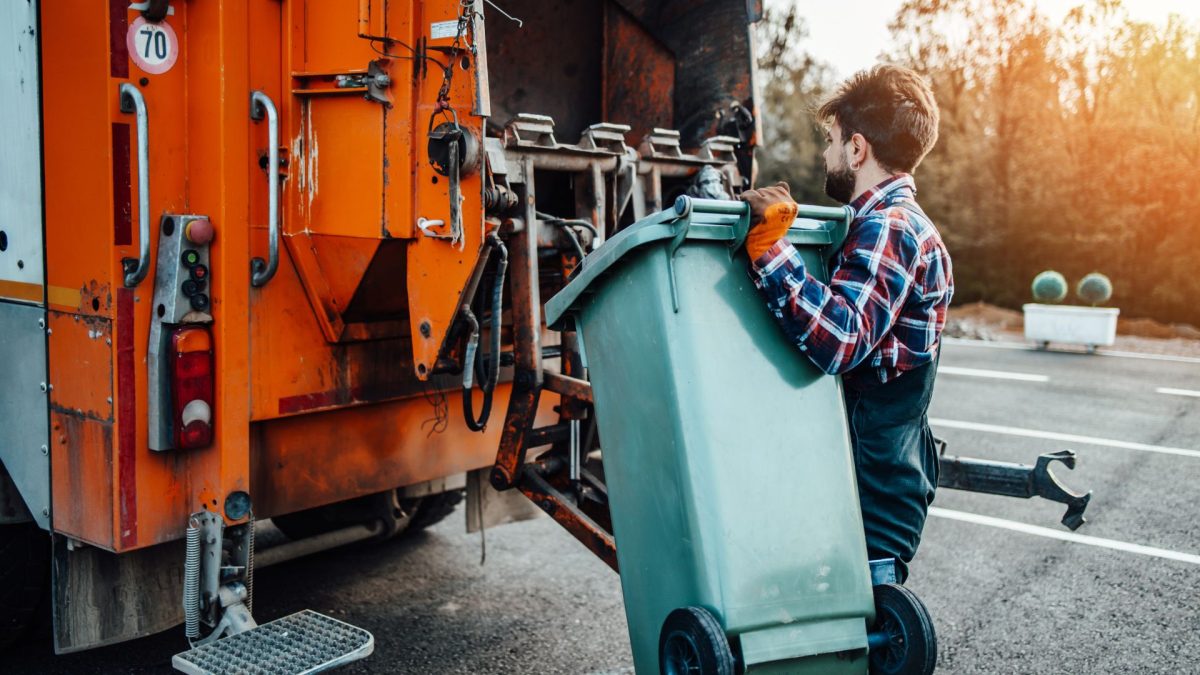
When embarking on a commercial renovation project, preparation extends beyond architectural plans and material orders. One of the most overlooked aspects is junk removal, which can quickly pile up and disrupt workflow if not handled properly. Establishing a clear strategy for debris disposal before renovation begins allows teams to maintain a safe and organized workspace. Identifying areas where junk will accumulate, deciding whether to sort items for recycling or disposal, and scheduling regular removal can prevent clutter from slowing down progress. A proactive approach ensures that employees and contractors can navigate the space efficiently, avoiding hazards and unnecessary delays.
Understanding the types of materials being discarded is crucial. Construction debris, old office furniture, and obsolete electronics each require specific handling to comply with environmental regulations and workplace safety standards. By assessing the volume and nature of the waste in advance, businesses can determine whether professional services are necessary or if smaller, periodic disposal methods will suffice. Strategic planning not only enhances productivity but also reduces costs associated with emergency cleanup and potential safety incidents.
Separate Materials for Recycling and Disposal
Renovations generate a variety of waste, and not all of it belongs in the same disposal stream. Sorting materials such as metals, plastics, cardboard, and electronics before removal can significantly reduce environmental impact and potentially lower disposal costs. By establishing designated areas for recyclable items, businesses encourage sustainable practices and make subsequent hauling more efficient. Proper separation also simplifies compliance with local waste management regulations and can support corporate sustainability goals.
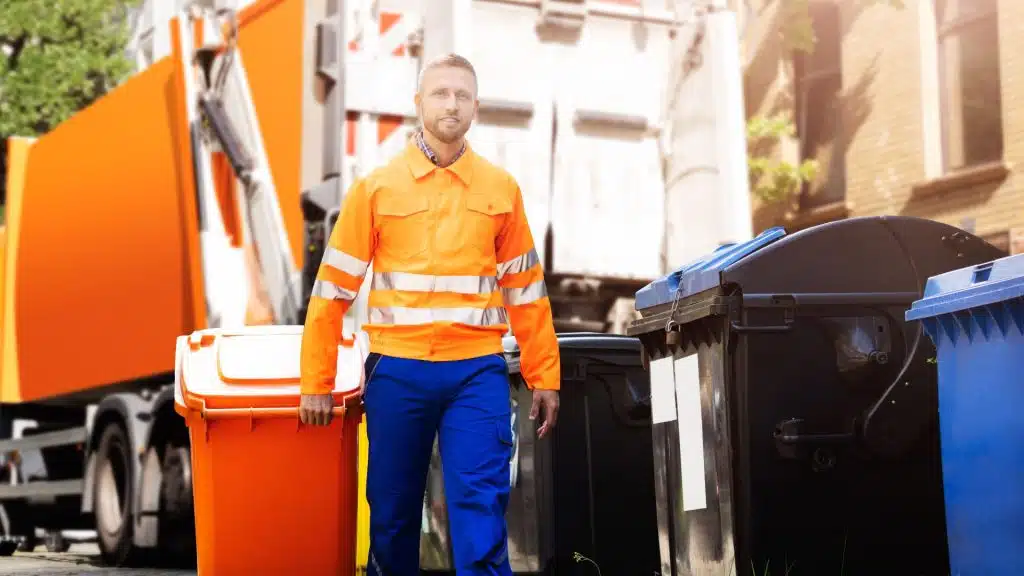
Implementing a structured recycling process requires communication and coordination among staff. Clear labeling, frequent collection, and training personnel to recognize recyclable versus non-recyclable materials are essential steps. This not only fosters accountability but also ensures that valuable materials are diverted from landfills. Businesses benefit from the dual advantage of environmental responsibility and streamlined operations, as the time spent handling waste is reduced when materials are already pre-sorted for removal.
Hire Professional Junk Removal Services
Even with meticulous planning, commercial renovations often produce more debris than a team can efficiently manage alone. Professional junk removal services offer expertise, manpower, and equipment designed to handle large volumes safely and efficiently. Hiring experts can reduce downtime and allow employees to focus on core renovation tasks rather than hauling and sorting debris. Professionals also understand regulatory requirements and proper disposal methods, mitigating legal and environmental risks associated with improper disposal.
Choosing the right service involves evaluating their experience with commercial projects, the range of materials they handle, and their approach to sustainable disposal. Companies equipped to donate, recycle, or responsibly discard items ensure that your renovation project aligns with both operational and ethical standards. By outsourcing junk removal, businesses gain peace of mind, maintain cleaner worksites, and avoid the hidden costs that come with unplanned or inefficient disposal processes.
Establish a Dedicated Junk Collection Area
Creating a centralized area for junk collection during renovations can streamline the removal process. A dedicated space allows workers to deposit debris quickly without disrupting ongoing construction tasks. It also provides a clear visual cue for contractors and staff, preventing materials from scattering throughout the workspace. A well-organized collection point can accommodate bins for different types of waste, keeping the environment safer and reducing the risk of accidents or damage to furniture and equipment.
The location and accessibility of the junk area should be chosen carefully. Ideally, it is close to the exit or loading zone for easy pickup while remaining out of the main renovation pathway. Regularly scheduled collection prevents the accumulation of hazards and ensures that the renovation site remains navigable. An organized approach to debris management promotes efficiency, reduces stress on staff, and minimizes interruptions to the renovation timeline, ultimately supporting a smoother and more cost-effective project.
Schedule Regular Pickup Times
Consistency is key when managing commercial renovation waste. Scheduling regular junk pickups ensures that debris does not overwhelm the workspace, allowing renovations to proceed without unnecessary interruptions. Whether coordinating with a professional service or an internal team, prearranged collection times provide predictability and reduce last-minute scrambles. This approach fosters a cleaner, safer environment and ensures that the project timeline is maintained without surprise delays caused by uncollected waste.
Regular scheduling also allows businesses to optimize resource allocation. Knowing when pickups occur enables renovation managers to plan around them, ensuring that equipment and personnel are available when needed. It also helps track the volume and type of waste being removed, providing data for future projects and helping to identify opportunities to improve efficiency and sustainability. Ultimately, a disciplined pickup schedule supports both operational effectiveness and environmental responsibility.
Communicate with Renovation Teams
Effective communication with contractors and renovation teams is critical to managing junk removal. Everyone involved should understand the protocols for waste handling, including what items are recyclable, where the junk collection areas are located, and how frequently debris will be removed. Clear instructions minimize confusion, prevent accidental disposal of valuable or hazardous materials, and maintain a safer work environment.
Regular updates and reminders about junk handling responsibilities reinforce compliance and encourage accountability. Visual aids such as signs and color-coded bins can complement verbal instructions, making it easier for teams to follow procedures. Open communication ensures that everyone works cohesively, reducing the likelihood of mistakes and facilitating a more organized, efficient renovation process. This collective effort enhances overall productivity while maintaining a focus on safety and sustainability.
Handle Hazardous Materials Separately
Some renovation projects involve hazardous materials such as old paint, chemicals, or electronic waste. Proper handling of these items is essential to comply with legal requirements and protect employees and the environment. Hazardous waste should be stored in clearly marked containers and removed by specialized services trained to handle such substances safely. Attempting to dispose of these materials alongside regular debris can lead to contamination, fines, and health risks.
Developing a clear plan for hazardous waste management reduces liability and ensures compliance with local and federal regulations. Staff should be trained to recognize hazardous items and follow strict protocols for storage, labeling, and disposal. By proactively managing these materials, businesses protect their workforce, prevent environmental damage, and maintain a professional and responsible approach to commercial renovation projects.
Optimize Equipment and Tools
Using the right equipment and tools can make commercial junk removal more efficient. Large dumpsters, hand trucks, and protective gear facilitate the safe transport of heavy or bulky items. Investing in adequate resources reduces the strain on employees and helps prevent injuries, ensuring that the renovation progresses without interruptions caused by accidents or fatigue. Proper equipment also accelerates the cleanup process, allowing contractors to focus on renovation tasks rather than the logistics of debris management.
Equipment planning should consider the specific challenges of the project, including the types of materials being removed and the layout of the building. Ensuring that dumpsters are appropriately sized and positioned, hand trucks are available for heavy items, and protective gear is worn at all times promotes safety and efficiency. Strategic use of tools and equipment supports a smoother workflow, enabling projects to stay on schedule while minimizing risks and labor costs.
Implement a Tracking System
Keeping track of waste during a renovation project helps businesses monitor efficiency and costs. A tracking system can record the volume and type of debris removed, the frequency of pickups, and any associated expenses. This information is invaluable for planning future projects, identifying opportunities to reduce waste, and making informed decisions about which materials can be recycled or donated.
A tracking system also promotes accountability among staff and service providers. When everyone understands the documentation process and sees the results, it encourages adherence to disposal protocols and reduces the likelihood of errors. Digital tools or simple logbooks can be used to maintain accurate records, providing insights that enhance sustainability, cost management, and operational efficiency for both current and future renovation projects.
Conduct a Final Sweep and Inspection
After major renovations, a thorough inspection and final sweep of the site ensure that no debris or hidden waste remains. This step is critical to confirm that the space is safe, clean, and ready for occupancy or further use. Inspecting all areas, including hard-to-reach corners and storage spaces, helps catch overlooked materials and ensures compliance with safety standards.
A final sweep also allows businesses to evaluate the effectiveness of their junk removal strategy. Identifying areas for improvement can guide future renovation projects and enhance overall operational efficiency. By concluding renovations with a comprehensive cleanup and inspection, businesses not only protect their investment but also provide a safer and more organized environment for employees, contractors, and clients.
Maintain an Ongoing Waste Management Plan
Even after renovations are complete, establishing a long-term waste management plan helps maintain an organized commercial space. Routine maintenance, periodic junk removal, and regular recycling initiatives prevent clutter from accumulating again. An ongoing plan ensures that the lessons learned during renovation are applied consistently, fostering a culture of cleanliness and responsibility among staff.
Sustained waste management benefits both operational efficiency and environmental responsibility. Businesses that continue to monitor and organize their waste reduce future cleanup costs, maintain a safer workplace, and reinforce their commitment to sustainability. By embedding these practices into daily operations, companies create an environment where productivity and organization thrive long after the renovation is complete.
Conclusion
Handling commercial junk removal during renovations requires careful planning, organization, and execution. Engaging professional services ensures that debris is removed efficiently, safely, and in compliance with regulations. By establishing dedicated collection areas, scheduling regular pickups, managing hazardous materials separately, and maintaining ongoing waste management practices, businesses can reduce risks, enhance productivity, and support sustainability initiatives. A structured approach to junk removal not only improves the renovation experience but also sets a foundation for a cleaner, safer, and more organized commercial space.
For reliable assistance, businesses in Palatine, IL can turn to 24-7 Junk Removal. Their team provides expert junk removal services, offering efficient disposal of construction debris, old furniture, and electronics while ensuring compliance with environmental standards. Contact them at (773) 309-6966 or via email at support@24-7junk.com. Their office is located at 611 W. Wise Schaumburg, IL 60193, ready to support all your commercial renovation junk removal needs with professionalism and care.