

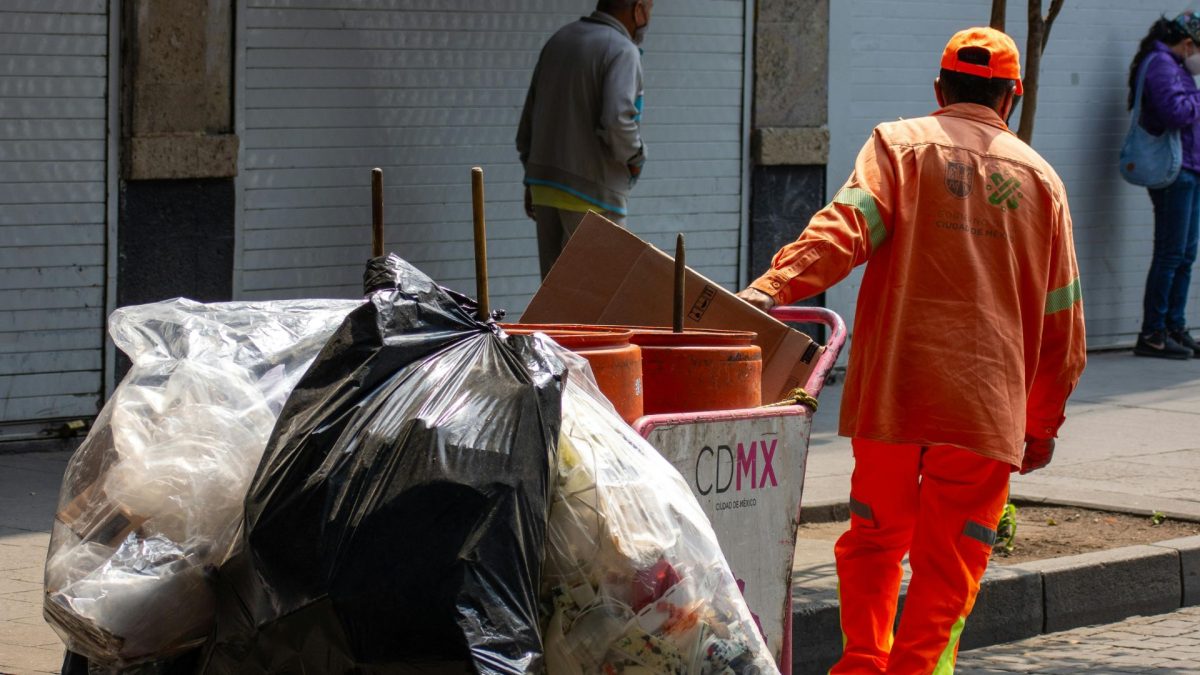
Junk removal plays a crucial role in promoting sustainable living by reducing the amount of waste that ends up in landfills. Everyday items, from old appliances to furniture, accumulate over time, creating not only clutter but also contributing to environmental degradation. When these items are removed responsibly, many can be recycled, repurposed, or donated, significantly lowering the overall environmental footprint. Instead of letting materials such as metals, plastics, and electronics sit idle or decompose in landfills, responsible disposal ensures these resources are reintroduced into the production cycle, conserving natural resources and energy.
By embracing eco-conscious junk removal practices, communities can minimize pollution and greenhouse gas emissions associated with waste decomposition. The act of systematically clearing out unwanted items also encourages mindful consumption and better waste management habits. Beyond the physical benefits of a cleaner space, individuals and businesses contribute to broader ecological sustainability, highlighting how small actions in junk removal can collectively yield substantial environmental impact over time.
Reducing Landfill Waste Through Efficient Disposal
When junk is removed and processed correctly, the pressure on landfills decreases, extending their operational lifespan. Landfills are not only finite in space but also pose environmental hazards through soil and groundwater contamination. By diverting recyclable and reusable materials from these sites, junk removal helps mitigate these risks and reduces the potential for toxic leachate. Items such as electronics, metals, and even certain plastics, when recycled, can be transformed into new products, creating a closed-loop system that benefits both the environment and the economy.

Moreover, organized junk removal encourages the segregation of waste at the source, improving recycling efficiency. This method ensures that hazardous materials like batteries and chemicals do not mix with general waste, preventing harmful environmental consequences. The process also promotes awareness about sustainable consumption, guiding people to consider the lifecycle of the products they purchase. By prioritizing recycling and responsible disposal, junk removal becomes an integral part of environmental stewardship, bridging the gap between convenience and ecological responsibility.
Recycling and Reuse as Pillars of Eco-Friendly Disposal
One of the primary ways junk removal reduces an environmental footprint is through recycling and reuse. Rather than discarding items outright, many materials can be salvaged and reintegrated into the manufacturing process. Metals are melted down for new construction projects, plastics can be repurposed into everyday products, and electronics often undergo refurbishment to extend their lifespan. This reduces the demand for virgin materials, conserving natural habitats and reducing the energy required for raw material extraction.
Beyond recycling, donating usable items offers a social and environmental advantage. Furniture, appliances, and other functional goods can be given a second life in new homes, reducing both waste and the demand for newly produced products. This dual benefit enhances community well-being while simultaneously addressing environmental concerns. By prioritizing recycling and reuse, junk removal transforms what was once considered waste into a valuable resource, underscoring the profound environmental impact of conscious disposal practices.
Lowering Carbon Emissions Through Professional Junk Removal
Professional junk removal services contribute to environmental preservation by optimizing collection and transportation methods to reduce carbon emissions. Instead of individuals making multiple trips to disposal sites, trained teams efficiently consolidate and transport junk in fewer trips, minimizing fuel consumption. Additionally, many professional services prioritize routes and logistics that lessen environmental impact, ensuring vehicles operate at maximum efficiency while still providing comprehensive removal solutions.
The environmental advantage extends beyond transportation. Proper sorting at professional facilities ensures that materials are directed to the most sustainable outlets, whether for recycling, donation, or safe disposal. By leveraging these structured processes, the carbon footprint associated with waste management is significantly reduced. In essence, outsourcing junk removal to environmentally conscious professionals not only saves time and effort but also supports a more responsible and sustainable approach to everyday waste.
Electronic Waste Management and Its Environmental Importance
Electronic waste, or e-waste, poses unique environmental challenges due to the presence of hazardous substances like lead, mercury, and cadmium. Improper disposal of these items can contaminate soil and water, threatening both ecosystems and human health. Effective junk removal addresses these concerns by ensuring electronics are dismantled and processed in facilities equipped to handle hazardous components safely. Recycling precious metals and other materials from e-waste also reduces the need for mining, conserving natural resources and limiting environmental disruption.
Furthermore, proper e-waste disposal fosters responsible consumption patterns. Consumers become more aware of the impact of their discarded devices, often prompting choices that prioritize durability and repairability. Junk removal, therefore, serves as a bridge between modern technology use and sustainable environmental practices, highlighting the critical role of conscientious disposal in mitigating ecological harm.
Encouraging Community Engagement and Environmental Awareness
Junk removal can also cultivate a culture of environmental responsibility within communities. When individuals and businesses participate in organized removal efforts, they gain a deeper understanding of waste management and the benefits of recycling, donation, and safe disposal practices. Community-focused junk removal drives, for instance, often emphasize sorting materials for reuse, promoting collective environmental consciousness.
Active engagement in these efforts not only fosters a sense of responsibility but also inspires others to adopt similar habits. By observing the tangible impact of reduced clutter and properly managed waste, communities become more attuned to sustainability principles. Over time, these practices contribute to widespread behavioral change, reinforcing the role of junk removal as an essential tool for environmental stewardship at the grassroots level.
Minimizing Resource Extraction Through Responsible Disposal
When items are discarded responsibly, the need for raw material extraction diminishes. Recycled materials replace virgin resources in manufacturing processes, alleviating pressures on forests, mines, and water systems. Metals recovered from appliances and construction debris, plastics repurposed from containers, and paper products transformed into new packaging all demonstrate how junk removal can close the loop on material usage.
This reduction in resource extraction not only preserves ecosystems but also decreases energy consumption and greenhouse gas emissions associated with production. By integrating responsible disposal practices into daily life, junk removal directly contributes to sustainable resource management. Each removed and recycled item serves as a small yet meaningful step toward conserving the planet’s finite resources.
Protecting Ecosystems Through Reduced Waste Pollution
Proper junk removal also protects natural habitats by preventing waste from infiltrating ecosystems. Litter and improperly disposed junk can harm wildlife, introduce pollutants, and disrupt ecological balance. Items like plastics, electronics, and chemical-containing products can leach toxic substances into soil and waterways, causing long-term environmental damage.
By channeling waste toward responsible processing facilities, junk removal reduces the likelihood of pollutants reaching natural environments. Forests, rivers, and urban green spaces benefit when materials are safely contained, recycled, or reused. This proactive approach safeguards biodiversity, ensuring ecosystems remain vibrant and resilient in the face of growing human activity.
The Economic and Environmental Synergy of Junk Removal
Junk removal does more than preserve the environment; it also generates economic benefits through recycling, repurposing, and material resale. Companies specializing in sustainable disposal often recover valuable materials from discarded items, creating revenue streams while supporting eco-friendly practices. Households and businesses alike benefit from the financial and ecological value of items that might otherwise be wasted.
This synergy reinforces the concept that environmental responsibility and economic practicality are not mutually exclusive. By viewing junk removal as both a financial and ecological investment, individuals and organizations are incentivized to participate in sustainable disposal practices. The result is a circular economy that minimizes waste, maximizes resource efficiency, and benefits the environment at large.
Fostering Long-Term Environmental Habits
Consistent engagement in junk removal encourages habits that extend beyond immediate waste concerns. Individuals and businesses develop an awareness of consumption patterns, learn to prioritize durable and repairable products, and embrace recycling as a routine practice. These behaviors collectively reduce the generation of waste and its environmental impact over time.
Long-term adoption of these habits also influences others within personal and professional networks. By modeling sustainable practices, participants promote environmental consciousness, encouraging broader societal change. Junk removal, therefore, is not just a service but a catalyst for enduring ecological mindfulness, demonstrating how responsible waste management fosters a sustainable lifestyle.
Conclusion
Reducing your environmental footprint through responsible junk removal offers both immediate and long-term benefits. By recycling, donating, and safely disposing of items, individuals and businesses can prevent unnecessary waste from overwhelming landfills and ecosystems. These practices conserve natural resources, minimize pollution, and reduce greenhouse gas emissions, all while promoting sustainable habits that endure over time. Professional junk removal services streamline this process, ensuring that materials are handled efficiently and responsibly, making it easier than ever to embrace eco-conscious choices in daily life.
For those in Palatine, IL seeking comprehensive junk removal, 24-7 Junk Removal provides efficient, eco-friendly services tailored to residential and commercial needs. Their experienced teams ensure that your unwanted items are removed safely, recycled when possible, and donated to extend their useful life. Contact 24-7 Junk Removal at (773) 309-6966 or visit their location at 611 W. Wise Schaumburg, IL 60193 to schedule a service. Supporting sustainable disposal not only clears your space but also contributes to a healthier environment for the community and future generations.