

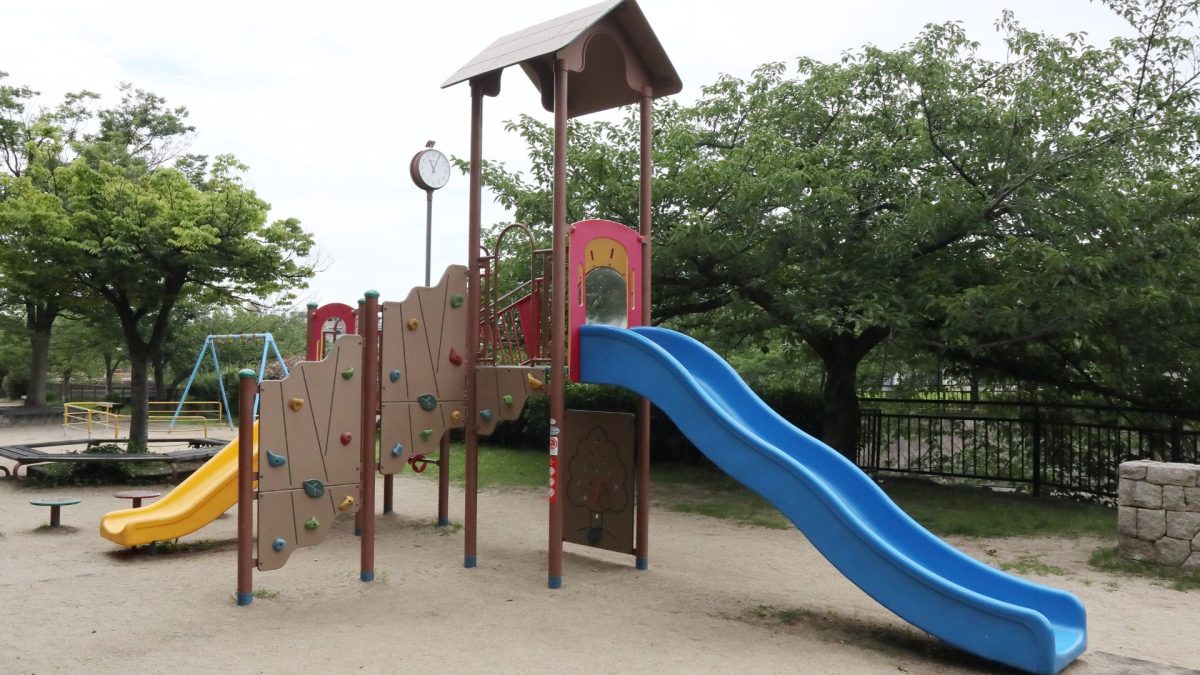
Before diving into dismantling a playset, take a careful look at the structure and its surroundings. Understanding the size, material, and type of playset will help you plan the safest and most efficient removal strategy. Wooden playsets might require more tools and labor compared to metal or plastic structures, and recognizing potential hazards such as rusted bolts or splintered wood is crucial. Examining the surrounding area is equally important because ensuring that there is enough space to maneuver large components without damaging landscaping or other structures will prevent unnecessary stress during the removal process. Evaluating the ground beneath the playset can also reveal hidden obstacles such as sprinkler heads, uneven soil, or buried stakes that might complicate dismantling.
Taking time to plan each step of the removal will save hours of frustration later. Documenting the process through photos or notes can help you recall the sequence of disassembly, especially if you plan to salvage certain parts or sell components afterward. Knowing the weight distribution and connection points will also guide decisions on whether to use power tools, hand tools, or seek extra help. A thorough initial assessment sets the foundation for a smoother removal experience and can reduce the risk of accidents or property damage during the process.
Gather the Necessary Tools and Equipment
Having the right tools on hand makes playset removal more efficient and less frustrating. Common tools include wrenches, screwdrivers, saws, hammers, and possibly a drill. Safety gear such as gloves, goggles, and sturdy footwear is just as essential to prevent injuries while handling heavy or sharp components. For larger or more complex playsets, moving equipment like dollies, straps, or a small cart can help transport parts without straining your back. Organizing all necessary tools before beginning prevents constant interruptions to search for missing items, allowing the removal to flow smoothly and quickly.
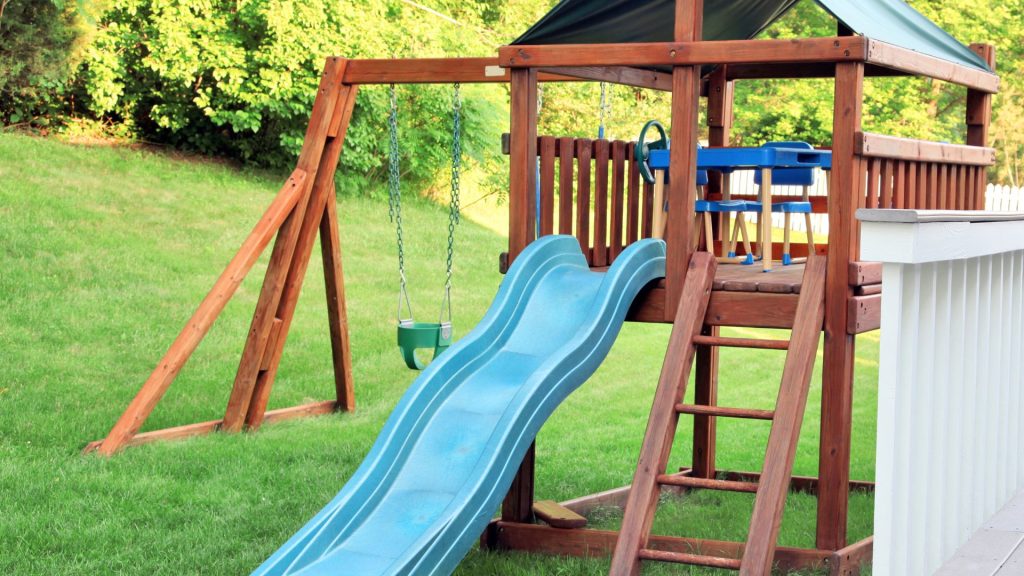
Equipping yourself with the proper tools is not only about speed but also safety. For example, a power saw can cut through stubborn wooden beams, but without proper protective gear, it could lead to serious injury. Similarly, using a ratchet wrench to loosen bolts will save time compared to manually trying to turn them. Arranging tools strategically around the work area reduces unnecessary walking and handling, keeping momentum consistent. Being prepared also means having a plan for managing debris, whether it involves heavy-duty trash bags, a wheelbarrow, or a temporary storage area for parts waiting to be hauled away.
Start with Removing Accessories and Smaller Components
Breaking down a playset efficiently begins with removing accessories and smaller components. Swings, ladders, slides, and climbing ropes can usually be detached individually, which lightens the structure and reduces the risk of accidents. Focusing on these smaller parts first allows you to create space to work on larger sections, making the entire process less cumbersome. Many accessories are held in place with bolts, hooks, or screws, so using the correct tool for each connection point avoids damage to the components and surrounding materials.
Separating these pieces early also offers an opportunity to decide what can be reused, donated, or discarded. Slides and swings in good condition might be stored for future projects, while worn or damaged parts can go directly into debris collection. Removing smaller components first provides clearer access to the main structural elements, such as support beams and posts. It also reduces the weight and balance challenges associated with larger sections, ensuring that as you dismantle the playset, each step is manageable and less likely to cause injury or unintended damage to your yard.
Disassemble the Main Structure Carefully
Once accessories are removed, focus on dismantling the main structural elements of the playset. Start by loosening and removing the connectors that hold beams, posts, and platforms together. Following a logical sequence ensures that the structure doesn’t collapse unexpectedly, which could be hazardous. Working methodically from top to bottom or from one side to another helps maintain stability while gradually reducing the overall weight of the playset. Keeping track of screws, bolts, and other fasteners is critical if you plan to reuse materials or for safe disposal.
Patience is key during this stage because rushing can lead to accidents. Consider enlisting a helper for heavy or awkward pieces, especially tall posts or large wooden panels. Proper lifting techniques should always be used to protect your back and joints. In some cases, it might be necessary to cut certain parts to make them more manageable. Ensuring that each section is carefully detached and handled will streamline the process and prevent unexpected mishaps. This methodical approach also sets a rhythm for removal, turning a potentially overwhelming task into an organized series of steps that move steadily toward completion.
Manage the Debris Effectively
After dismantling the playset, managing debris efficiently is a crucial part of the removal process. Organizing materials based on their type—wood, metal, or plastic—simplifies disposal or recycling options. Creating designated piles for each category allows for quicker cleanup and ensures that the yard is not cluttered, reducing tripping hazards and visual chaos. Large components can be broken down into smaller, transportable pieces, which makes hauling and disposal easier. Planning how debris will be removed from the yard before the dismantling begins prevents last-minute scrambling and ensures a smoother workflow.
Proper debris management also involves considering environmental responsibility. Certain materials, like treated wood or metal, may require special disposal methods, while other parts might be suitable for donation or recycling. Using tarps or large containers can keep the yard clean during the removal process, minimizing damage to grass or landscaping. Organizing debris as you go prevents overwhelming piles that could slow progress and makes it easier to transport everything in one or multiple trips. Effective management reduces stress and ensures that the yard can return to a usable state quickly once the playset is gone.
Prioritize Safety Throughout the Process
Safety should remain a top priority when removing a playset from your yard. Protective gloves, sturdy shoes, goggles, and long sleeves reduce the risk of cuts, splinters, or other injuries. Ensuring that tools are used correctly and that lifting techniques are proper can prevent strains or accidents. Always check the stability of the structure before detaching major components, and avoid removing pieces that could destabilize the playset until you are ready to manage the entire section safely. Keeping children and pets away from the work area also minimizes distractions and potential hazards.
Staying vigilant about safety does more than prevent injuries; it contributes to efficiency as well. When each step is executed with caution and mindfulness, fewer mistakes occur, reducing the need to redo work or deal with accidents. Clear communication between helpers can prevent unexpected movements that might lead to injury. Establishing a controlled work zone with marked boundaries ensures that everyone involved knows where it is safe to stand or move. By prioritizing safety at every stage, the removal process becomes smoother, quicker, and less stressful while protecting everyone involved and maintaining control over the work environment.
Plan for Transportation and Disposal
Having a clear plan for transporting and disposing of playset materials simplifies the removal process. Determine in advance whether you will be taking parts to a local recycling center, donation point, or trash disposal facility. Renting a trailer or truck might be necessary for larger structures or heavier materials. Organizing pieces according to size and type before loading can make transport easier and reduce the risk of damage to your vehicle or injury during lifting. Planning your route and ensuring that your disposal site is prepared to accept the materials also saves time and avoids unnecessary delays.
Transportation considerations also include safety measures for moving heavy or awkward pieces. Straps, dollies, and protective padding can prevent shifting during transit and protect both the materials and your vehicle. Working with a partner to lift or maneuver large parts reduces strain and risk of injury. Knowing your disposal options ahead of time allows you to separate reusable, recyclable, and discardable materials efficiently, saving energy and minimizing environmental impact. Properly planning transportation ensures that the entire removal process, from dismantling to final disposal, is completed efficiently and responsibly.
Consider Salvaging or Repurposing Materials
Playset removal doesn’t always mean that every part is destined for the trash. Salvaging and repurposing materials can extend their life and provide opportunities for DIY projects or donations. Wooden beams, metal poles, and even slides can be cleaned and stored for future use. Repurposing parts into garden structures, planters, or craft projects gives new life to materials that might otherwise be discarded. Evaluating what is salvageable before complete disposal ensures nothing valuable is wasted and can save money if you plan to use the components for other purposes.
Thinking creatively about repurposing materials also reduces the environmental impact of removal. For example, swing seats or climbing ropes could be reused in community playgrounds or donated to charitable organizations. Even small components like hooks or screws can be stored for later projects. By identifying reusable items during the dismantling process, you can separate them from debris efficiently, keeping the work area organized. Repurposing not only maximizes value from existing materials but also promotes sustainability and responsible disposal practices while reducing overall waste from the playset removal process.
Optimize Time and Effort with a Team
Working with a team can make playset removal much faster and safer. Even a couple of extra hands can make lifting heavy beams, maneuvering large sections, and handling tools much easier. Coordinating tasks and assigning roles such as tool handling, debris management, and cutting components can streamline the process. Clear communication ensures that everyone knows which step comes next and helps prevent unnecessary delays or accidents. With teamwork, the removal process becomes less physically demanding and more manageable, allowing for a smoother overall experience.
Teamwork also helps maintain morale during what can be a physically intensive task. Taking breaks strategically and rotating responsibilities prevents fatigue while keeping momentum steady. A coordinated team can also troubleshoot problems more effectively, such as dealing with stubborn bolts or awkward angles, since multiple perspectives can generate better solutions. Working together ensures that each part of the playset is handled efficiently, safely, and with less strain, transforming a potentially overwhelming job into a series of manageable tasks that are completed systematically and with minimal stress.
Leave the Yard Ready for Its Next Use
Once the playset is removed, attention turns to preparing the yard for future use. Removing leftover debris, raking the soil, and leveling any uneven spots ensures that the area is safe and visually appealing. Checking for residual nails, screws, or splinters helps prevent injuries, and reseeding or re-sodding patches where grass was damaged during removal restores the lawn. Taking time to clean and prepare the space sets the stage for whatever comes next, whether it’s new landscaping, a fresh playset, or simply open space for recreation.
Final cleanup also involves evaluating how the yard’s layout may have been affected by the previous structure. Compacting soil, addressing drainage issues, or adjusting the terrain can improve both safety and aesthetic appeal. Tidying up the space allows the yard to regain its full functionality while minimizing environmental impact from leftover debris. Completing this step transforms the removal from a purely destructive task into a constructive process, leaving the yard ready for its next chapter. This thorough approach ensures that the area is not only clear but also prepared for safe, attractive, and practical use.
Conclusion
Removing a playset from your yard can feel like a monumental task, but with careful planning, the right tools, and a methodical approach, it can be done efficiently and safely. From assessing the structure and surroundings to managing debris and preparing the yard for its next use, each step requires attention to detail and a commitment to safety. Considering options like salvaging materials, working with a team, and planning for transportation can streamline the process and reduce physical strain while minimizing environmental impact. Taking the time to execute each step thoughtfully ensures a smooth, organized, and productive removal experience.
For professional assistance with playset removal and comprehensive junk removal solutions, 24-7 Junk Removal in Palatine, IL offers expert services. Their team can handle dismantling, debris removal, and disposal efficiently, making the process stress-free. You can reach them at (773) 309-6966 or visit their location at 611 W. Wise Schaumburg, IL 60193. They also accept inquiries via email at support@24-7junk.com, providing convenient options for scheduling services. Partnering with professionals ensures that your yard is cleared safely, responsibly, and quickly, allowing you to enjoy your outdoor space without worry.