

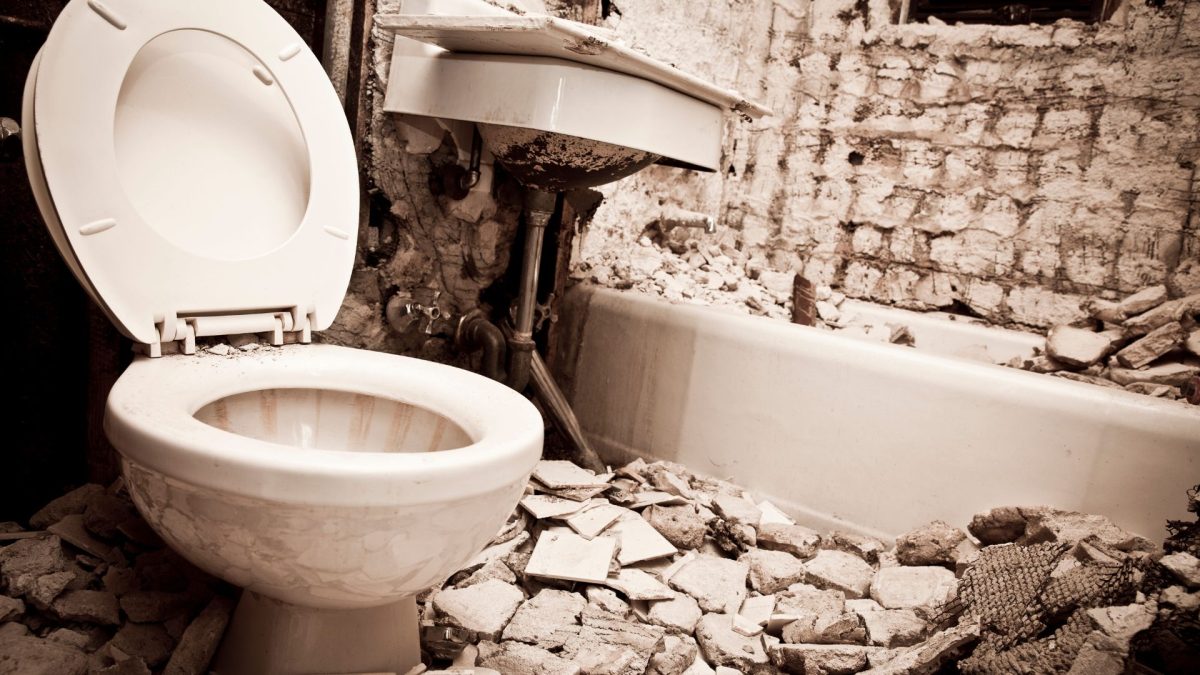
Understanding the Importance of Preparation
Bathroom demolition is not merely about tearing things apart—it’s about careful orchestration. Before a single tile comes loose, there’s a mental checklist that demands attention. You begin by visualizing the end result, knowing that every strike of a hammer moves you closer to that refreshed sanctuary. The process calls for patience, precision, and a bit of controlled chaos. Every bathroom has its quirks—hidden pipes, outdated wiring, or unexpected mold beneath tiles—that make each demolition a unique challenge. Without a proper plan, that excitement can quickly turn into frustration, costly damage, or lengthy delays.
The secret lies in deliberate preparation. That means disconnecting utilities, checking for asbestos or lead paint, and understanding what lies behind the walls before breaking anything. The more you know about your space, the smoother the demolition becomes. It’s the difference between an orderly deconstruction and a destructive free-for-all. Whether you’re planning a small remodel or a full teardown, preparation transforms what could be messy into a controlled and efficient transformation.
Setting a Realistic Timeline
Demolition often feels like the easy part, but time has a way of slipping through cracks. Setting a clear timeline creates a rhythm for the project. Without it, chaos creeps in—dust lingers longer than it should, debris piles up, and the project that should have taken a week drags on for three. The key is to treat demolition like choreography. Every step—removal, cleanup, disposal—needs its moment. Break the project into sections: flooring today, cabinetry tomorrow, fixtures next.
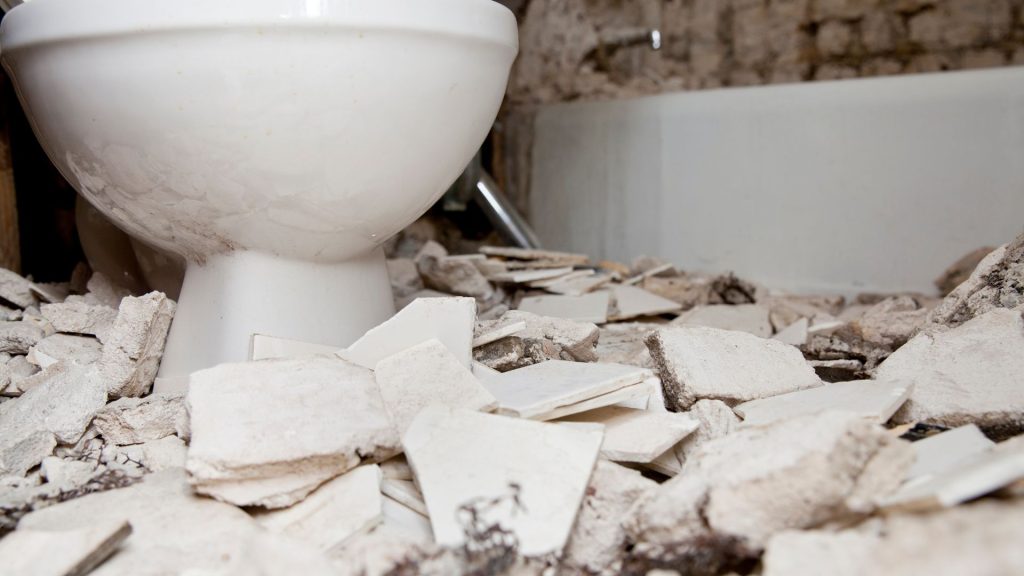
Remember that surprises happen. Old plumbing might refuse to cooperate, or a structural issue could reveal itself mid-process. By padding your schedule with flexibility, you ensure these bumps don’t derail your entire plan. A realistic timeline balances progress with patience. It keeps morale high and frustration low. When you plan well, every hour feels purposeful, and the work flows in sync from start to finish.
Gathering the Right Tools and Equipment
Bathroom demolition demands more than brute strength. It requires the right arsenal. Crowbars, hammers, dust masks, safety goggles, heavy-duty gloves—each tool plays its part. A proper setup not only saves time but also protects you and your property. The difference between a safe, efficient demolition and a reckless one often comes down to equipment quality. Having reliable tools within reach allows you to focus on precision rather than improvisation.
If you’re unsure which tools you’ll need, walk through your bathroom and take notes. Identify what must be removed and what can stay. Are you taking down walls? You’ll need a reciprocating saw. Removing tiles? A chisel and hammer will be your companions. Having a dumpster or disposal method nearby also helps keep debris from overwhelming the workspace. Proper preparation turns what seems like a chaotic task into a methodical and satisfying process.
Managing Dust and Debris Effectively
Demolition dust is sneaky—it finds its way into every corner, vent, and crevice. Without control measures, it spreads beyond the bathroom, coating furniture and drifting into other rooms. Setting up plastic sheeting and sealing off doors helps create a containment zone. This one simple step can save hours of cleaning later. Even a box fan placed strategically in a window can help pull the dust outside instead of letting it settle inside your home.
Debris, on the other hand, requires a strategy. As walls crumble and fixtures come out, it’s easy for clutter to pile up fast. Have a plan for where everything goes. Some materials can be recycled, while others must be properly disposed of. Sorting as you go saves space and time later. A tidy demolition site not only feels better but makes every next move safer and smoother.
Protecting Plumbing and Electrical Systems
Hidden behind bathroom walls lies a network of pipes and wires that can cause headaches if handled carelessly. Before you start removing tiles or walls, identify where these lines run. Shutting off water and power is the golden rule—overlooking it can lead to dangerous surprises. Even a small nick in a pipe or a cut wire can transform your renovation into a repair emergency.
Once utilities are secured, proceed with care. If your demolition involves removing fixtures like sinks or toilets, disconnect them slowly and methodically. Label wires, cap pipes, and keep everything organized. The goal isn’t just to remove—it’s to preserve what’s still functional. Careful handling of these systems saves money, prevents damage, and ensures that the next phase of construction begins smoothly and safely.
Considering Safety Precautions
Demolition might sound exciting, but safety is non-negotiable. The moment you start breaking apart walls or removing tiles, the risks multiply—falling debris, sharp edges, exposure to mold or chemicals. Wearing protective gear isn’t optional; it’s essential. Safety goggles, steel-toe boots, gloves, and masks act as your shield. Even ear protection helps, as power tools can quickly push noise levels into the harmful range.
Beyond personal gear, keep your workspace clear. Remove obstacles, and never rush through tasks that involve force. If you’re working with others, establish communication cues to prevent accidents. Simple precautions create a professional rhythm that ensures the project ends with results—not injuries. Every safe move preserves not just the structure of the bathroom but also your peace of mind.
Deciding What to Salvage or Replace
Not everything in a bathroom needs to go. Some items can be salvaged and reused, saving both money and materials. Before tearing down, assess what holds potential—a sturdy vanity, light fixtures, mirrors, or even certain tiles might deserve a second life. This mindful approach keeps waste low and creativity high. Sometimes, a coat of paint or a new finish can transform an old item into something fresh.
Replacing, however, can also be liberating. Outdated fixtures or damaged materials often do more harm than good by limiting design flexibility. Knowing when to let go is just as important as knowing what to keep. The right balance between salvage and renewal keeps your project grounded and sustainable. It also adds character, blending the charm of the old with the excitement of the new.
Coordinating Waste Disposal
Demolition produces a surprising amount of waste, from shattered tiles to broken drywall. Without a disposal plan, that waste becomes an obstacle. Renting a dumpster or scheduling a professional pickup ensures that the debris leaves your property swiftly. Efficient waste management keeps the site safe and prevents clutter from interfering with ongoing work.
Consider recycling wherever possible. Many bathroom materials—porcelain, glass, metal—can find new purpose through recycling facilities. Proper disposal isn’t just about cleanliness; it’s a reflection of responsibility. By coordinating waste removal early, you prevent bottlenecks and streamline the project. A well-executed cleanup plan keeps progress uninterrupted and ensures your home remains livable throughout the renovation.
Communicating with Professionals
Even if you’re tackling the demolition yourself, professional advice can be invaluable. Contractors and junk removal specialists understand the nuances of safe deconstruction, particularly when dealing with plumbing, wiring, or structural elements. Consulting them beforehand helps avoid costly mistakes. They can identify potential hazards or advise on efficient removal methods that save time and protect your property.
Communication becomes even more vital when multiple professionals are involved—plumbers, electricians, or remodelers. Coordinating their schedules prevents overlap and confusion. A clear conversation about goals, timelines, and responsibilities fosters collaboration. Every person working on the project should know what happens next. Open communication transforms a simple demolition into a well-synchronized project where every task contributes to the bigger picture.
Staying Flexible Throughout the Process
Even the best plans encounter surprises. Old homes often hide secrets—a cracked pipe behind a wall, outdated wiring beneath the floor, or unexpected water damage. Staying flexible keeps the project moving when things don’t go as expected. A rigid approach leads to stress; adaptability brings solutions. View setbacks as opportunities to improve rather than obstacles.
Flexibility also means adjusting your timeline or budget without frustration. Small changes can actually improve the final outcome. Whether you discover a design idea mid-project or need to modify your plan for safety reasons, staying calm and creative ensures progress continues smoothly. Every challenge teaches something valuable about your space—and about your ability to manage it with confidence.
Conclusion
Effective bathroom demolition is a blend of planning, safety, and organization. Each decision—from preparing tools to coordinating waste disposal—plays a role in shaping a smooth renovation experience. When done thoughtfully, demolition becomes less about destruction and more about transformation. It’s a calculated reset that clears the way for something new and inspiring to take form. Taking the time to plan every detail ensures the process runs efficiently, safely, and without unnecessary setbacks.
For professional assistance with debris removal or cleanup, reach out to 24-7 Junk Removal. They proudly serve Palatine, IL, providing reliable Junk Removal services for projects big and small. You can contact them at (773) 309-6966 or visit their office at 611 W. Wise Schaumburg, IL 60193. For inquiries, email support@24-7junk.com. Their expertise ensures your demolition project ends cleanly, safely, and ready for the next chapter.