

Understanding the Scope of Deck Removal
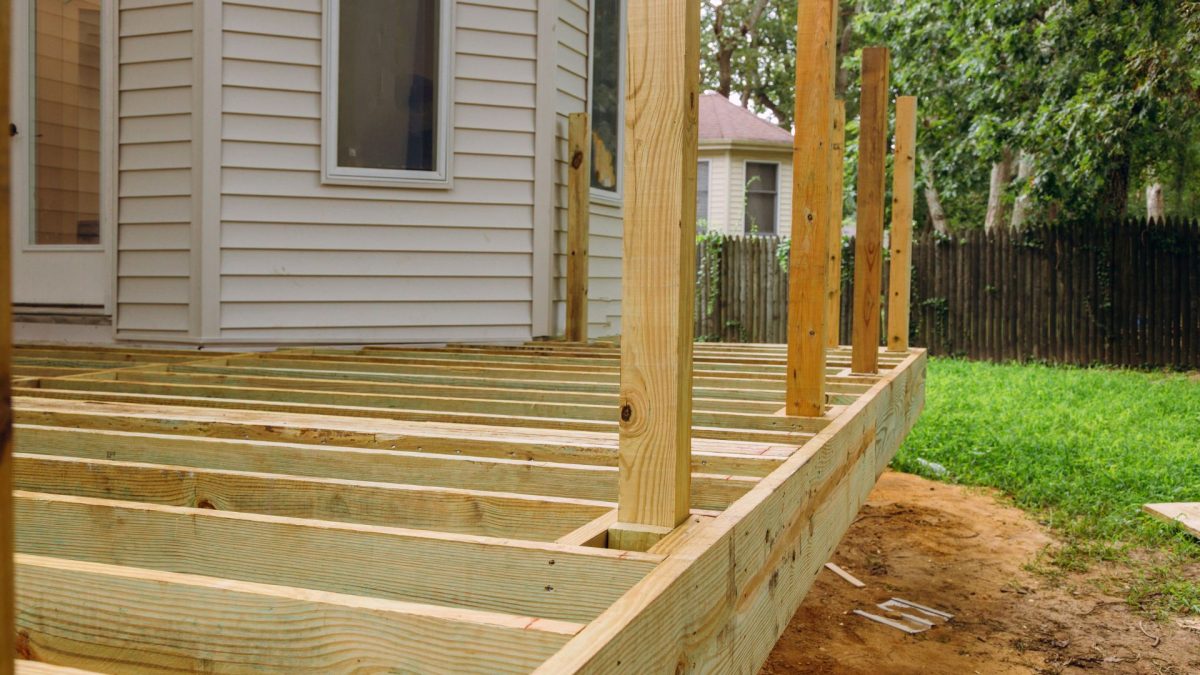
Removing a deck might seem straightforward at first glance, but the task often hides a surprising depth of complexity. Each plank, nail, and support beam tells the story of how that structure was built—and dismantling it demands more than brute strength. It’s about understanding how the deck connects to your home, the weight distribution across joists, and how each piece interlocks. Without a plan, you risk damaging siding, landscaping, or even underground utilities. Preparation becomes your shield against chaos.
A thoughtful approach always begins with assessment. Inspect the structure to identify rot, rust, and weakened spots. Take note of the materials—pressure-treated wood, composite boards, or aluminum—since disposal methods vary. Some materials can be recycled or repurposed, while others need careful disposal. Deck removal isn’t simply about demolition; it’s a methodical process that respects safety, structure, and sustainability from start to finish.
Preparing Your Space Before Starting
A successful deck removal project begins with creating an organized workspace. Clear away furniture, planters, and decorative items that might obstruct your movement. The more open the area, the smoother the dismantling process will go. Preparation ensures safety—not just for you, but for anyone helping. You’ll want a clear path to move debris, tools, and equipment without stumbling or causing accidental damage.
Mark any underground utilities or sprinkler systems nearby. Contacting local utility companies can save you from costly mistakes. The soil beneath your deck may have shifted over time, meaning steps or support beams could be less stable than they appear. A few minutes spent preparing could save hours of frustration later. Proper setup makes every step after that more efficient, safer, and far less stressful, transforming potential chaos into a controlled, predictable operation.
Choosing the Right Tools for Deck Dismantling
Deck removal requires the right combination of force and finesse. Crowbars, hammers, reciprocating saws, and drills often serve as your essential tools. However, what makes a difference isn’t just what’s in your toolbox, but how you use it. A dull blade or the wrong attachment can turn a simple task into a grueling one. Having the proper gear means every nail, screw, and joint gives way with less resistance.
Safety equipment is just as crucial. Gloves protect from splinters, safety goggles shield from flying debris, and sturdy boots keep you grounded. You’ll find that efficiency grows when your setup blends safety with precision. Instead of tearing through the project haphazardly, you’ll work systematically—removing boards in sections, preserving what can be reused, and ensuring nothing gets damaged unnecessarily. The right tools turn what could be back-breaking labor into a project of calculated rhythm.
Dismantling the Deck in Sections
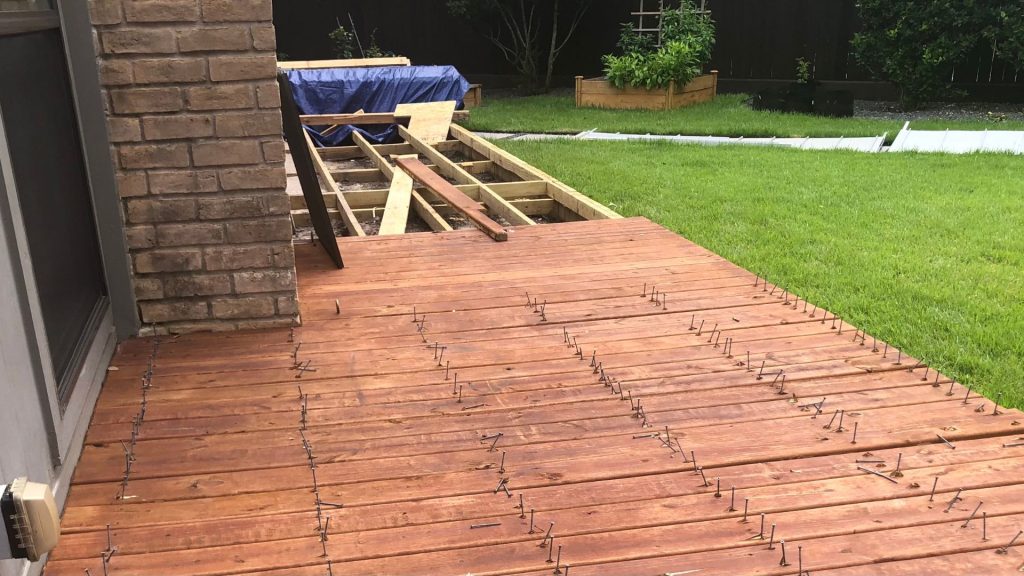
Breaking a deck apart in sections transforms a chaotic demolition into a manageable sequence. Start with the railings, removing them carefully before addressing the decking boards. Doing so gives you a clear view of the structure’s bones—the joists and beams that hold everything together. Each step reveals more about how the deck was constructed, making it easier to disassemble safely and effectively.
Working in sections allows for controlled removal, reducing the risk of injury and property damage. You can sort debris as you go, keeping wood, metal, and nails separated for disposal or recycling. It’s tempting to tear through everything at once, but patience always pays off. By pacing the work, you minimize accidents and maintain an organized workflow. Section-by-section dismantling is not just efficient—it’s the most practical way to ensure every piece is handled responsibly.
Recycling and Disposal Considerations
Deck removal leaves behind piles of material, but not everything should go straight to the landfill. Much of the debris can find new life elsewhere. Pressure-treated lumber can sometimes be repurposed for outdoor projects if it remains in good condition, while untreated wood might be recycled into mulch or composite materials. Metal fasteners and hardware can be gathered separately for recycling, reducing environmental impact.
Disposal regulations differ by region, so it’s vital to check local guidelines before hauling everything away. Some materials contain chemicals that must be handled carefully to avoid environmental harm. Partnering with an eco-conscious disposal service ensures the waste from your deck removal contributes as little as possible to pollution. Recycling transforms what might have been waste into resources, aligning the process with sustainable values while keeping the project cleaner and more responsible.
Safety Precautions During Deck Removal
Safety isn’t just about wearing protective gear—it’s a mindset that shapes every decision during deck removal. Before you start, ensure your tools are in good condition and cords or batteries are secure. The moment one careless step is taken, accidents happen quickly. Keeping the worksite organized minimizes tripping hazards and makes navigation easier. Remember, heavy materials often shift unexpectedly once structural supports are loosened.
Weather also plays its part. Slippery surfaces from rain or dew can create hidden risks. Taking time to double-check your footing, especially on elevated decks, could prevent serious falls. Removing old nails, screws, and sharp edges as you go helps maintain a safer environment. Deck removal isn’t a race—it’s a deliberate process where awareness and caution protect both you and your property. Every careful move keeps the project on track without unnecessary setbacks.
When to Hire Professional Help
Some decks demand more than DIY enthusiasm can handle. The structure might be too large, too old, or simply unsafe for a solo effort. In those situations, calling professionals can be the wisest choice. Experienced crews know how to identify hazards before they cause problems. They arrive with specialized tools and the knowledge to dismantle complex decks without damaging surrounding structures or landscaping.
Professionals also handle debris disposal and recycling more efficiently, saving you the time and effort of sorting through materials. If your deck connects directly to your home or has electrical fixtures, hiring experts ensures everything is detached safely. Choosing professional help doesn’t mean giving up control—it means trusting trained hands to manage the risky parts while you oversee the process. It’s peace of mind wrapped in efficiency and expertise.
Handling Hidden Damage and Structural Surprises
Deck removal often exposes the unexpected. Beneath the boards, rot, rust, or insect damage may reveal the extent of deterioration that was once hidden. What looks stable might crumble when pressure is applied. These discoveries, while frustrating, are invaluable—they help you understand what caused the decline and guide your next steps, whether that’s repair or rebuilding.
When damage surfaces, it’s essential not to rush repairs. Evaluate the foundation, inspect for moisture damage near your home’s siding, and determine if soil erosion has affected the deck’s support. Addressing these problems before rebuilding prevents future issues. Structural surprises aren’t setbacks; they’re opportunities to strengthen the base of your next project. Patience and a clear eye for detail ensure you build—or rebuild—on a solid foundation that stands the test of time.
Restoring the Area After Deck Removal
Once the last board is gone and the debris cleared, you’re left with an open space brimming with potential. The area beneath a deck often hides compacted soil or worn patches of grass. Restoring it brings balance back to your yard. Begin by leveling the ground, filling holes, and removing leftover debris. Good preparation now means less frustration when you decide how to repurpose the space later.
You might choose to install new landscaping, extend a patio, or plant a garden. The removal process becomes a chance to redefine your outdoor environment. Treating the soil, adding new top layers, and planning drainage help prevent future erosion. Reclaiming this area feels like a fresh start—a blank page waiting to be written with creativity, design, and a renewed connection to the space that once sat beneath your deck.
Sustainable Deck Removal Practices
Every removal project has environmental consequences, but small choices can make a large difference. Choosing to recycle, donate, or repurpose materials lessens the impact on landfills. Working with eco-friendly hauling services ensures discarded materials don’t become pollution but are reintroduced into production cycles. The wood from an old deck can find a new home as reclaimed lumber, furniture, or mulch. Sustainability begins with intention, not perfection.
Even transportation plays a role—combining trips or hiring a company with efficient routes reduces emissions. Responsible disposal and mindful recycling redefine what deck removal means in a modern world. It becomes less about destruction and more about transformation. Turning waste into value fosters a healthier balance between progress and preservation. When sustainability guides each step, every plank removed brings a cleaner, greener tomorrow.
Planning for Your Next Outdoor Project
After the deck is gone, possibilities open wide. That space might evolve into a garden retreat, a paved patio, or a modern outdoor lounge. Before rushing to rebuild, spend time envisioning how you’ll use it. The removal process gives you a clean canvas to create something that fits your current lifestyle rather than your past one. Planning thoughtfully ensures that the new addition complements your home’s layout and enhances daily living.
Consider the materials you’ll use this time—eco-friendly options, composite decking, or natural stone surfaces. Think of maintenance, durability, and the environment’s role in longevity. A well-planned project not only replaces the old but elevates your property’s entire aesthetic. With clear vision and mindful design, what began as deck removal transforms into a journey toward renewal and creativity that celebrates both practicality and beauty.
Conclusion
Handling deck removal takes more than effort—it takes understanding, patience, and a plan that respects both safety and sustainability. When done right, the process becomes a bridge between what once was and what’s about to be. From preparation to cleanup, every stage carries its own purpose, revealing opportunities for renewal and reinvention. The effort spent today clears space for tomorrow’s ideas, ensuring your property remains safe, clean, and full of potential.
For those who prefer expert assistance, 24-7 Junk Removal in Palatine, IL is ready to help. Whether your goal is complete deck removal or full-scale junk removal, their team ensures the job is handled efficiently from start to finish. You can reach them at (773) 309-6966, visit them at 611 W. Wise Schaumburg, IL 60193, or email support@24-7junk.com for assistance. A cleaner, renewed outdoor space is just one call away.