

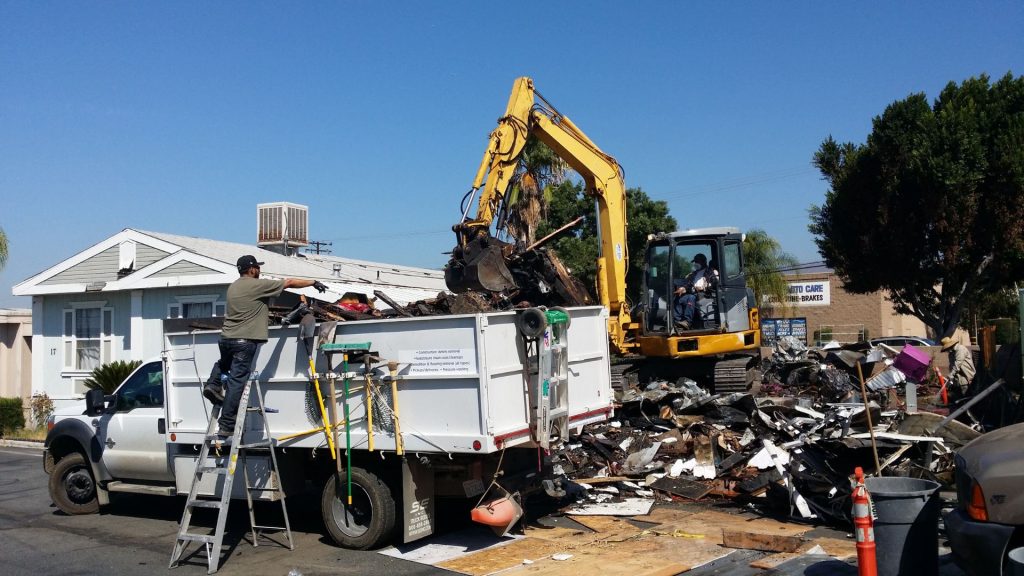
Demolition cleanup involves the meticulous process of clearing debris left behind after tearing down a structure or part of a building. Unlike simple waste removal, it focuses on handling materials that may include wood, drywall, metal, concrete, and hazardous substances like asbestos or lead paint. Safety is paramount during demolition cleanup, requiring proper protective equipment and careful handling to avoid injury or contamination. The work often demands specialized tools and techniques to efficiently remove and segregate materials for recycling, disposal, or repurposing. It’s a task that calls for both physical labor and strategic planning, especially in confined spaces or complex urban environments where debris management can impact surrounding areas. The goal is to leave a site clean, organized, and ready for its next phase, whether that’s construction, landscaping, or sale.
Professional demolition cleanup also ensures compliance with local regulations concerning waste disposal. Many jurisdictions have strict guidelines on how construction debris should be handled, recycled, or transported to landfills. This process can also be environmentally responsible, as many companies sort materials to recycle metals, concrete, and wood. By integrating recycling and repurposing strategies, demolition cleanup not only clears space but also minimizes environmental impact. In essence, demolition cleanup is an intensive, structured approach to managing the aftermath of construction or deconstruction, requiring expertise and resources beyond what typical junk removal can offer.
Defining Junk Removal
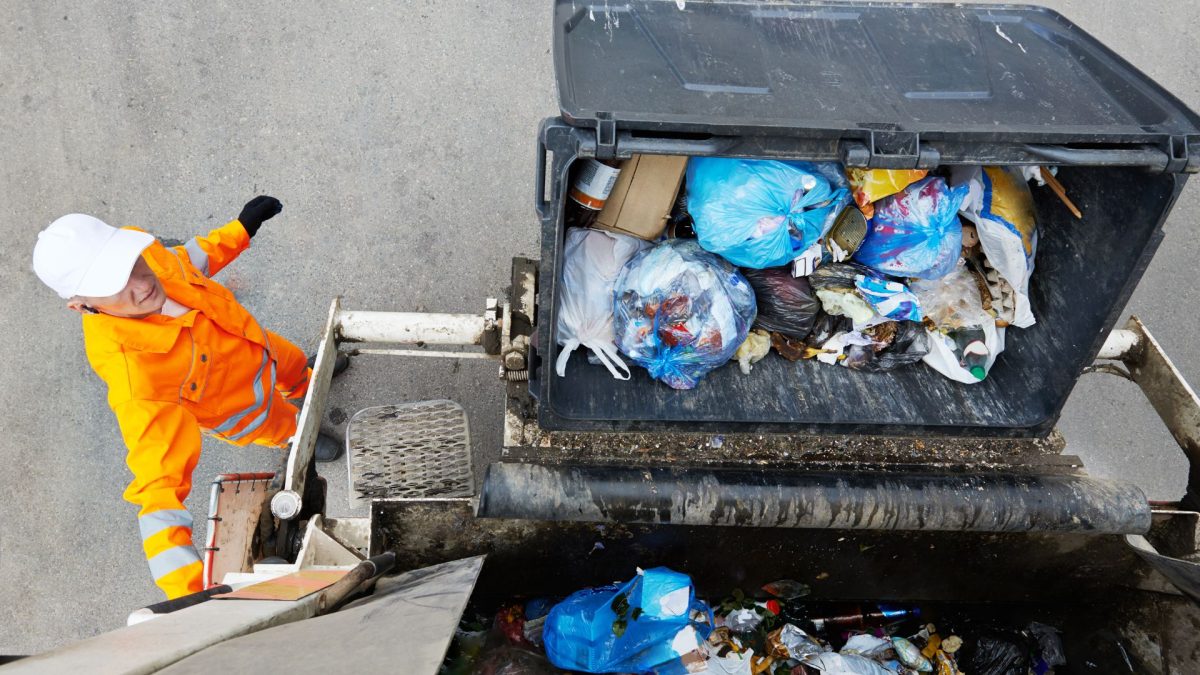
Junk removal is the service of collecting and disposing of unwanted items from homes, offices, or commercial spaces. It covers a wide range of materials, including old furniture, electronics, appliances, and general clutter. Unlike demolition cleanup, junk removal does not necessarily involve hazardous or construction debris. The primary objective is to clear spaces of items that are no longer needed, creating a cleaner, more organized environment. Junk removal is often faster and less specialized than demolition cleanup, focusing more on efficiency and convenience for homeowners or businesses. The work can range from a single room cleanout to large-scale commercial removals, but the tasks involved are generally straightforward and don’t require heavy machinery or complex planning.
An important aspect of junk removal is its eco-conscious approach. Reputable junk removal services often prioritize recycling, donating, or responsibly disposing of items to reduce landfill contributions. This service allows property owners to declutter without worrying about proper disposal methods, saving both time and effort. It is especially useful for people relocating, renovating, or simply needing to reclaim space in a home or business. Junk removal emphasizes convenience, safety, and responsible disposal practices, making it a vital service for maintaining clean, functional spaces in a busy lifestyle.
Key Differences in Scope
The primary difference between demolition cleanup and junk removal lies in the scope of work. Demolition cleanup deals with construction-related debris and often involves hazardous materials, structural waste, and heavy elements that require careful handling. Junk removal, on the other hand, addresses everyday items and household clutter that do not typically pose significant safety risks. Demolition cleanup can be extensive, covering entire sites and requiring coordination with contractors, while junk removal is usually more contained and client-focused. Understanding this distinction helps property owners choose the right service for their needs, ensuring efficiency and safety. Both services aim to clear spaces, but the type of debris and the level of expertise required diverge significantly.
Furthermore, the planning and equipment differ substantially. Demolition cleanup may require cranes, heavy-duty trucks, and protective gear to manage the debris effectively. Junk removal generally uses smaller vehicles and relies on manpower, although larger loads may still require trucks or team lifts. Both processes can include sorting materials for recycling or donation, but the complexity of demolition debris often demands professional expertise to manage regulations, disposal methods, and environmental impact. Recognizing the differences in scope ensures that property owners hire the appropriate service to handle their specific cleanup challenges safely and efficiently.
Safety Considerations
Safety is a critical factor that separates demolition cleanup from standard junk removal. Demolition sites can present risks such as sharp metal edges, falling debris, dust inhalation, and exposure to toxic substances. Protective equipment such as helmets, gloves, goggles, and respiratory masks are essential for anyone involved. In contrast, junk removal usually deals with non-hazardous items like furniture, appliances, and clutter, which carry lower safety risks but can still cause injury if lifted improperly. Adhering to safety protocols ensures that workers and property owners avoid accidents and health hazards. The presence of heavy machinery, elevated structures, or toxic dust in demolition areas further emphasizes the importance of trained professionals in cleanup operations.
Proper training and precautionary measures in demolition cleanup are critical for compliance with legal standards. Many municipalities have regulations regarding how debris must be handled, transported, and disposed of safely. Junk removal, while generally safer, still benefits from proper lifting techniques, secure transportation, and environmental responsibility. Choosing a professional service with experienced staff ensures that both demolition and junk removal tasks are executed efficiently, reducing the likelihood of injury or damage. The distinction in safety concerns highlights why demolition cleanup is often more specialized and regulated compared to standard junk removal.
Environmental Impact
Both demolition cleanup and junk removal can have substantial environmental implications, but the type of impact differs. Demolition cleanup often involves separating recyclable materials such as metal, concrete, and wood from waste that cannot be repurposed. This sorting reduces landfill contributions and promotes sustainable construction practices. Junk removal services also emphasize recycling and donating usable items, helping minimize environmental waste. Choosing eco-conscious services for either cleanup type ensures that unwanted materials are managed responsibly and sustainably. The environmental benefits go beyond waste reduction, as proper handling of construction debris can prevent soil contamination, dust pollution, and water runoff issues.
Recycling strategies play a vital role in both services. In demolition cleanup, larger quantities of heavy materials are processed for reuse in new construction or industrial purposes. Junk removal focuses on diverting electronics, furniture, and appliances from landfills, often donating them to charities or refurbishing centers. By integrating sustainable disposal methods, property owners contribute to reducing the carbon footprint associated with both residential and commercial cleanouts. The emphasis on environmental responsibility is increasingly important as communities demand cleaner, safer, and greener waste management practices across all sectors.
Time and Labor Requirements
Demolition cleanup generally requires more time and labor than junk removal due to the nature of the materials and the complexity of the site. Breaking down structures, safely removing debris, and sorting recyclable elements is physically demanding and often requires a team of trained professionals. Junk removal, while labor-intensive in its own right, is usually more straightforward. Teams can remove large items quickly, with fewer steps involved in sorting or handling hazardous materials. Property owners should anticipate longer project timelines and higher labor costs for demolition cleanup compared to junk removal, reflecting the increased difficulty and expertise required.
The labor involved in both services extends beyond physical removal. In demolition cleanup, workers must follow safety regulations, manage equipment, and coordinate with contractors or local authorities. Junk removal focuses on efficiency, often providing same-day services and flexible scheduling. Understanding these differences helps clients plan budgets and schedules effectively. Labor-intensive tasks, whether in demolition or junk removal, benefit from professional handling, ensuring that the project proceeds smoothly, safely, and on time. Investing in experienced crews reduces risks and improves overall results in either type of cleanup service.
Equipment and Tools
Demolition cleanup and junk removal differ significantly in the tools and equipment they require. Demolition cleanup often uses heavy machinery, power tools, cranes, and protective gear to manage large, heavy, or hazardous materials safely. Junk removal, by contrast, primarily relies on trucks, dollies, and basic hand tools, though larger items like pianos or appliances may need specialized handling. The choice of equipment reflects the nature of the debris and the physical demands of the task. Ensuring that the proper tools are available is crucial to maintaining efficiency, safety, and environmental responsibility throughout the cleanup process.
Maintenance and preparation of equipment are equally critical. In demolition cleanup, improperly functioning tools or machinery can pose safety hazards or delay progress, while junk removal requires careful handling of vehicles and lifting equipment to prevent damage to property or injuries. Professional services invest in quality equipment and regular training to ensure both demolition cleanup and junk removal are performed efficiently. Recognizing the differences in equipment needs allows property owners to understand why professional involvement is often necessary, especially for demolition-related tasks that exceed typical household disposal requirements.
Cost Considerations
Cost is another important factor differentiating demolition cleanup from junk removal. Demolition cleanup tends to be more expensive due to the specialized labor, heavy machinery, disposal of hazardous materials, and regulatory compliance required. Junk removal is generally more affordable, as it deals with standard household or commercial items and involves fewer safety risks or regulatory hurdles. Clients should consider the scope of work, material types, and labor requirements when budgeting for either service. Transparent pricing and upfront estimates from professional providers help property owners make informed decisions while avoiding unexpected costs during cleanup projects.
Additional cost factors include disposal fees, transportation, recycling, and potential donation handling. Demolition debris often requires multiple trips to specialized facilities, whereas junk removal may consolidate items for donation or standard landfill disposal. Choosing a service that provides upfront pricing and detailed estimates ensures that clients understand the full financial commitment. By comparing these considerations, property owners can align their cleanup needs with their budgets, making the process smoother and more predictable whether they are tackling demolition debris or general junk removal.
Residential vs Commercial Applications
Both demolition cleanup and junk removal serve residential and commercial clients, but their applications differ. Demolition cleanup in residential settings might involve remodeling projects, garage demolitions, or home extensions. In commercial settings, it can include office renovations, restaurant remodels, or light construction work. Junk removal is widely used in both areas for decluttering, moving, or disposing of obsolete equipment and furniture. The scale, type of debris, and planning required for demolition cleanup are generally higher in commercial applications, reflecting the greater complexity of commercial projects compared to home cleanouts.
Commercial applications often require additional coordination, such as scheduling around business hours or managing high volumes of items efficiently. Residential projects may be more flexible but still demand careful handling of debris and adherence to safety protocols. In either context, understanding the unique needs of residential versus commercial cleanup ensures that services are tailored to meet specific challenges. Property owners benefit from selecting experienced professionals who can navigate these differences effectively, guaranteeing a smooth, efficient, and safe cleanup experience for both home and business environments.
Choosing the Right Service
Selecting between demolition cleanup and junk removal hinges on understanding the type of debris, safety considerations, labor needs, and environmental impact. Property owners should assess the nature of the project carefully and determine whether the materials involved require specialized handling. Consulting with professional services helps clarify the differences and ensures that the proper tools, personnel, and procedures are in place. Choosing the right service also minimizes risk, improves efficiency, and ensures that disposal is compliant with local regulations. Both options offer convenience and relief from clutter, but matching the service to the project type is key to achieving optimal results.
Expert advice can further guide clients in deciding whether a combination of services is needed. Some projects may involve both general junk removal and demolition cleanup, requiring a coordinated approach to manage both types of debris. Professional providers can evaluate the site, recommend efficient strategies, and ensure safe disposal practices for all materials. Taking the time to select the appropriate service streamlines the project, reduces stress, and guarantees that the space is left clean, safe, and ready for its next purpose.
Conclusion
Understanding the distinction between demolition cleanup and junk removal is essential for effective space management and project planning. Demolition cleanup addresses construction debris and potential hazards, demanding specialized skills, tools, and environmental awareness. Junk removal, in contrast, focuses on clearing household or commercial clutter, offering convenience, speed, and eco-conscious disposal. Recognizing these differences helps property owners select the right service for their specific needs, saving time, money, and potential risks. Both services contribute to safer, cleaner, and more organized spaces, enhancing the value and functionality of homes and businesses. For those in Palatine, IL seeking reliable and professional assistance, 24-7 Junk Removal offers comprehensive solutions tailored to both demolition cleanup and general junk removal needs. Their trained teams handle items safely, recycle responsibly, and provide prompt service to ensure a seamless experience. Contact 24-7 Junk Removal at (773) 309-6966 or visit their location at 611 W. Wise Schaumburg, IL 60193 for expert junk removal services and a cleaner, clutter-free environment.