

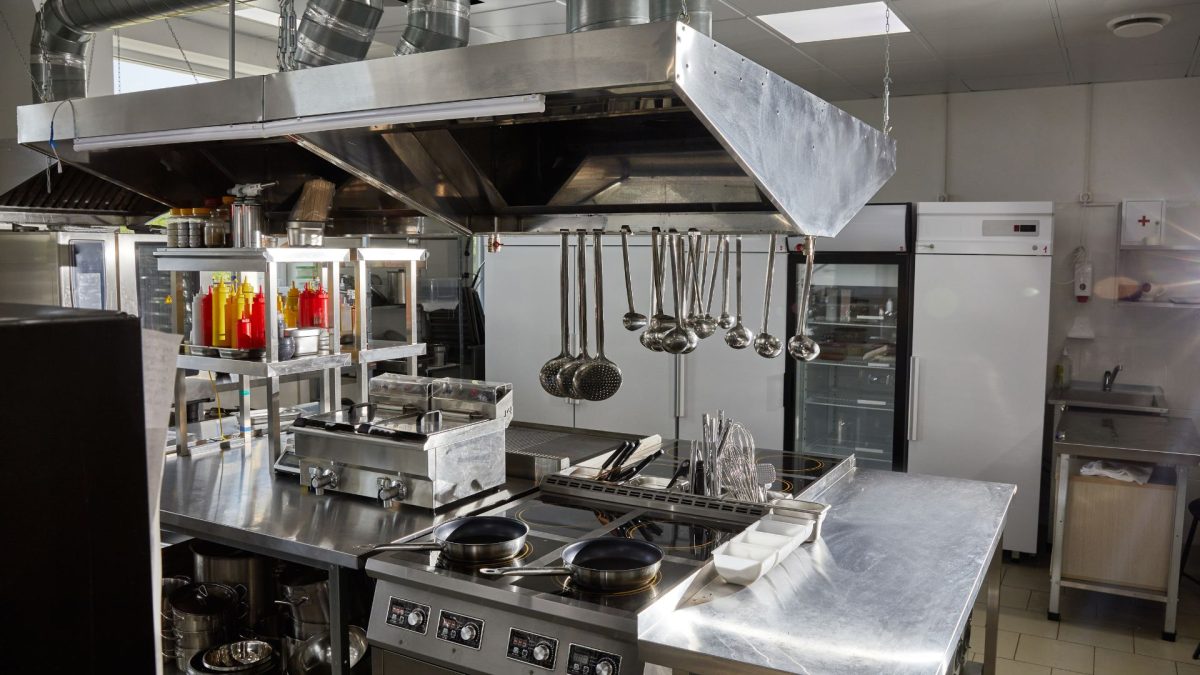
Old restaurant equipment can accumulate quickly, especially in busy kitchens where upgrades and replacements are frequent. From commercial ovens to refrigerators, these items are often bulky, heavy, and difficult to move without proper handling. Attempting to dispose of such equipment without a clear plan can result in injuries, property damage, or violations of local disposal regulations. Knowing how to safely manage this process is essential for both business continuity and staff safety.
When preparing to remove old equipment, it is important to first assess the condition and type of each item. Equipment containing hazardous materials such as refrigerants, oils, or sharp edges requires special attention to avoid accidents and environmental harm. By identifying items that can be recycled, donated, or sold, businesses can reduce waste and contribute to sustainable practices. Implementing a structured approach to disposal ensures a smoother transition to new equipment and keeps the kitchen operational and safe.
Planning Ahead for Efficient Disposal
The first step in disposing of old restaurant equipment is to create a detailed plan. Assessing the volume, size, and weight of each item helps determine the resources needed for safe removal. This includes arranging appropriate transportation, protective gear for staff, and tools for disassembly if necessary. Proper planning reduces the risk of injury and ensures the process can be completed quickly and efficiently.

Scheduling the disposal in phases may also be beneficial. This prevents the disruption of daily operations and allows staff to manage smaller tasks incrementally rather than handling everything at once. Coordinating with disposal services in advance can help ensure that hazardous materials are handled correctly and that the items are taken to facilities equipped to recycle or repurpose them. A methodical approach prevents chaos, avoids unnecessary stress, and aligns with industry best practices for sustainable waste management.
Identifying Items Suitable for Recycling
Not all old restaurant equipment needs to end up in a landfill. Many items, including metal appliances, stainless steel cookware, and electrical components, can be recycled efficiently. Identifying these items early on helps businesses separate materials and reduce environmental impact. Recycling also aligns with eco-friendly initiatives, which can enhance a restaurant’s community reputation and support sustainability efforts.
Understanding local recycling regulations is crucial. Certain materials may require special processing or certified recycling facilities. For example, refrigerators and freezers contain refrigerants that must be removed safely before disposal. By separating recyclable items and consulting with professional services, restaurants can ensure compliance with laws while contributing to waste reduction. Proper recycling not only prevents environmental damage but can also offset disposal costs by diverting valuable materials from landfills.
Safely Handling Large and Heavy Equipment
Large restaurant equipment, such as walk-in refrigerators, commercial ranges, and dishwashers, presents a unique safety challenge. Moving these items requires careful planning, adequate manpower, and specialized equipment like dollies or forklifts. Attempting to move them without proper precautions increases the risk of injury or property damage, especially in tight kitchen spaces or during transport.
Proper lifting techniques are essential. Staff should work in teams and follow ergonomic principles to avoid strains or accidents. It may also be necessary to disconnect utilities, drain fluids, and secure loose components before moving the equipment. Consulting with experienced junk removal services ensures that even the heaviest and most cumbersome items are handled with care. Prioritizing safety during removal protects both personnel and property while maintaining a smooth workflow during the disposal process.
Disposing of Hazardous Materials Responsibly
Restaurant equipment often contains hazardous materials, including cooking oils, cleaning chemicals, and refrigerants. Improper disposal of these substances can result in legal consequences, environmental contamination, and health risks for staff. Identifying hazardous components before removal is a critical step in safe disposal.
Professional disposal services are equipped to manage these materials safely. They follow strict protocols for containment, transportation, and recycling or neutralization. Even common kitchen chemicals require careful handling to prevent spills or reactions. By ensuring that hazardous materials are processed correctly, restaurants can protect employees, comply with regulations, and maintain a safe and responsible disposal process. Proper management of these substances reduces liability and promotes a culture of safety and environmental awareness.
Donating Usable Equipment to Extend Its Lifecycle
Not all old restaurant equipment is beyond use. Many items, such as stainless steel tables, shelving units, or lightly used appliances, may still serve other businesses or community organizations. Donating these items not only prevents waste but also provides value to others and supports social responsibility initiatives.
Before donating, it is important to clean and inspect the equipment to ensure it is safe and functional. Partnering with local charities, food banks, or non-profit organizations can help find suitable recipients for these items. By giving equipment a second life, restaurants reduce landfill contributions while fostering goodwill in the community. Donation also aligns with sustainable business practices, demonstrating a commitment to environmental stewardship and community support.
Selling Old Equipment to Recover Costs
In addition to recycling and donating, selling old restaurant equipment can offset some replacement costs. Many commercial buyers or second-hand equipment stores are interested in appliances, furniture, and kitchen tools that remain in usable condition. Properly marketing these items, including detailed descriptions and clear photographs, can attract buyers quickly.
Setting fair prices based on the equipment’s condition and market value ensures faster transactions. Selling items directly to businesses or through online platforms allows restaurants to recover some of the initial investment while facilitating responsible reuse. This approach not only minimizes waste but also provides financial benefits, making the disposal process more practical and sustainable.
Collaborating with Professional Disposal Services
Partnering with professional junk removal services simplifies the disposal of old restaurant equipment. Experienced teams have the tools, knowledge, and resources to remove, transport, and dispose of bulky items safely. Their services often include recycling, donation, and proper handling of hazardous materials, ensuring compliance with local regulations.
Engaging experts reduces the physical and logistical burden on restaurant staff. Professionals can assess equipment, recommend disposal strategies, and execute the removal efficiently, minimizing downtime. Working with reliable services guarantees that the process is handled responsibly, mitigating risks and promoting a safe working environment. This collaboration allows restaurant owners to focus on operations while leaving complex disposal tasks to trained professionals.
Minimizing Environmental Impact Through Responsible Disposal
Sustainable disposal of old restaurant equipment involves prioritizing recycling, donation, and eco-friendly handling of hazardous materials. By carefully planning the disposal process, restaurants can significantly reduce their environmental footprint. Choosing responsible methods prevents pollution, conserves resources, and contributes to broader sustainability initiatives.
Restaurants that adopt environmentally conscious disposal practices demonstrate a commitment to their community and the planet. Proper sorting of materials, working with certified recycling centers, and donating usable equipment ensures that items are repurposed or recycled rather than wasted. Implementing these strategies not only supports ecological responsibility but also enhances the business’s reputation as a socially conscious and environmentally aware organization.
Legal Considerations and Compliance
Disposing of restaurant equipment requires awareness of local regulations governing waste management. Improper disposal of hazardous materials, electronics, or large appliances can result in fines, legal challenges, or environmental penalties. Ensuring compliance with local laws is essential for both safety and legal protection.
Restaurants should familiarize themselves with municipal guidelines, required permits, and approved disposal facilities. Professional junk removal services often have knowledge of legal requirements and can navigate compliance efficiently. Adhering to regulations not only prevents penalties but also fosters a culture of accountability and safety. Proper compliance ensures that the disposal process is both lawful and responsible, protecting the business and the environment.
Conclusion
Safely disposing of old restaurant equipment requires a comprehensive approach that combines planning, safety, and environmental responsibility. By assessing each item, identifying recyclable materials, and handling hazardous substances appropriately, restaurants can streamline the removal process and reduce potential risks. Professional disposal services provide invaluable support by managing heavy equipment, navigating legal requirements, and offering eco-friendly solutions that benefit both the business and the community.
For reliable junk removal, consider 24-7 Junk Removal located in Palatine, IL. Their team ensures that equipment is removed safely, recycled responsibly, or donated when possible, helping restaurants manage clutter without disrupting operations. Contact 24-7 Junk Removal at (773) 309-6966 to schedule an appointment. Their staff is ready to provide professional service, guiding you through every step of equipment disposal while ensuring compliance with local regulations. Choosing experienced experts guarantees efficiency, safety, and responsible handling of all your restaurant equipment needs.