

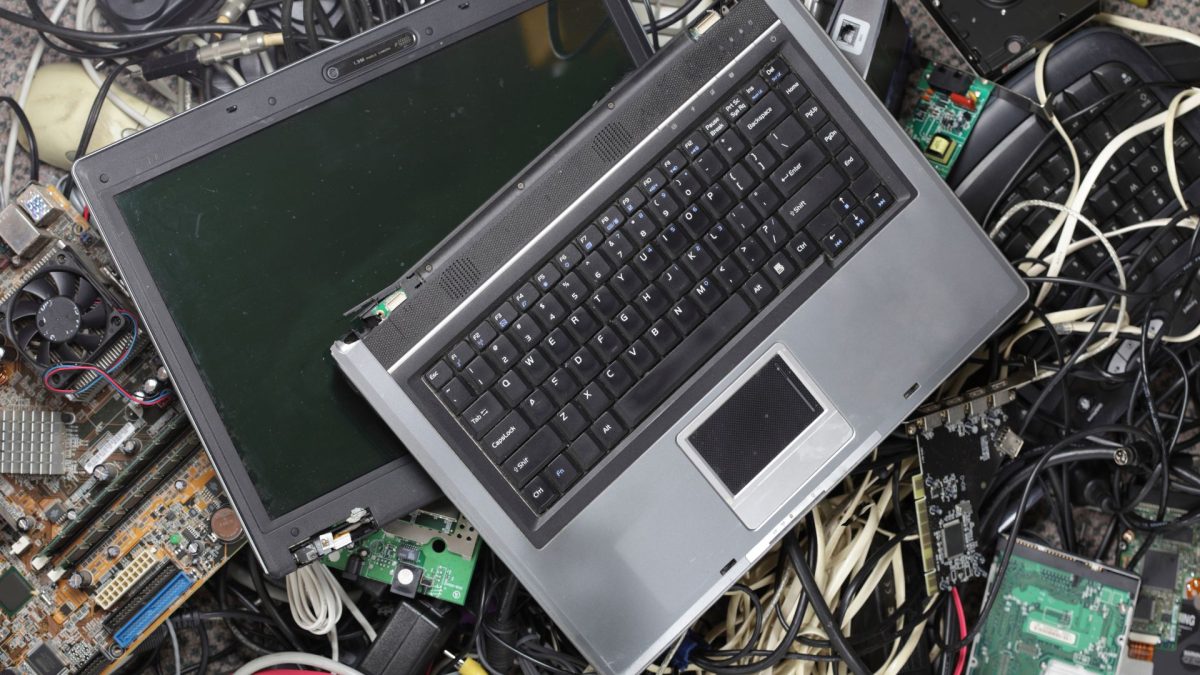
Old electronics might seem harmless once they stop working, but they carry hidden dangers that affect both health and the environment. Devices such as laptops, phones, and televisions contain heavy metals like lead, mercury, and cadmium, which can leach into soil and water when thrown in the trash. This contamination can eventually reach humans and wildlife, leading to serious health issues. Beyond chemical hazards, old electronics also store sensitive personal information that could be exploited if not properly wiped or destroyed. Therefore, treating electronic disposal casually can have long-lasting consequences that extend far beyond your home.
Proper handling of electronic waste requires more than just tossing gadgets into a dumpster. The materials inside these devices can be recycled and repurposed if managed correctly, helping conserve natural resources and reduce pollution. Taking the time to identify the right channels for disposal, whether through local recycling programs, certified e-waste centers, or professional removal services, ensures that electronics are treated responsibly. This proactive approach not only safeguards your personal information but also contributes to a healthier planet by diverting toxic materials from landfills and supporting sustainable recovery practices.
Evaluating Your Electronics Before Disposal
Before disposing of old electronics, a thorough evaluation is essential. Many devices still hold value even if they are outdated or slightly damaged. By assessing functionality and condition, you may discover items that can be refurbished, sold, or donated. For example, working laptops or smartphones might find a second life through charitable programs or resale platforms. Even non-functional electronics contain components like metals and plastics that can be efficiently recycled, making it critical to separate items according to their potential for reuse or proper recycling.
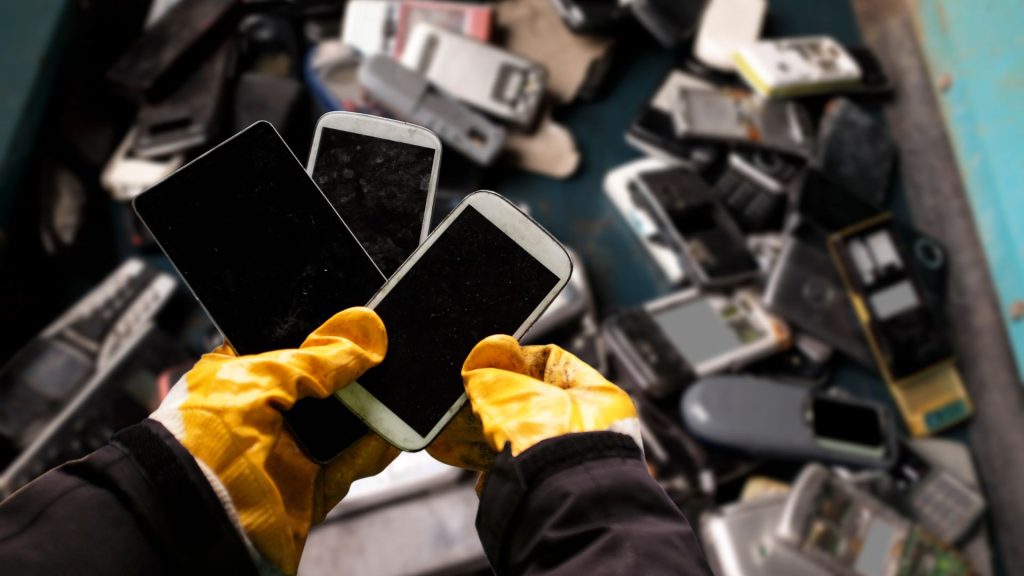
This evaluation also helps streamline the disposal process. Knowing exactly what you have ensures that hazardous components are handled correctly and reduces the risk of accidentally mixing electronic waste with regular household trash. Documenting serial numbers and removing storage media for data security further protects your information. Establishing a clear inventory before reaching out to recycling services or junk removal companies simplifies coordination and ensures that each item is directed toward the appropriate processing method. A careful assessment is the first step toward responsible disposal and environmental stewardship.
Preparing Electronics for Safe Disposal
Once electronics are evaluated, preparation becomes the next crucial phase. Start by removing batteries and any detachable parts, as these often require separate handling due to their chemical composition. Wiping devices clean and performing factory resets on phones or computers protects your personal information while making items ready for recycling. For larger electronics, securing cords and packaging fragile components minimizes damage during transport. This preparation ensures that every item arrives at disposal facilities safely and efficiently, reducing the chance of environmental harm or personal data breaches.
Proper preparation also involves understanding the disposal requirements for each type of electronic item. Some devices, such as monitors and older CRT televisions, may need specialized handling due to the presence of heavy metals. Following manufacturer guidelines or local disposal regulations can prevent contamination and legal complications. By investing time in careful preparation, you are taking responsibility for both environmental impact and data security. The steps you take today safeguard your personal information, contribute to community recycling efforts, and help prevent hazardous materials from causing harm to people and ecosystems.
Choosing Certified E-Waste Recycling Centers
Not all recycling centers are equipped to handle electronics safely, making certification a critical factor. Certified e-waste recycling centers follow strict protocols to ensure that hazardous materials are properly managed, valuable components are recovered, and data is destroyed securely. These facilities are often regulated by local or national authorities and adhere to environmentally responsible processing standards. Selecting a certified center guarantees that your electronics are not only disposed of correctly but also recycled in a way that maximizes resource recovery and minimizes ecological impact.
Working with certified centers also provides peace of mind that your personal information will be treated responsibly. Professional recyclers typically employ data destruction methods such as shredding or degaussing storage media, ensuring your sensitive information does not fall into the wrong hands. Additionally, these centers often track and document the recycling process, offering transparency and accountability. By prioritizing certified facilities, you align your electronic disposal efforts with best practices for environmental protection and digital security, turning a routine task into a meaningful contribution to sustainability.
Utilizing Professional Junk Removal Services
Professional junk removal services offer a convenient and safe way to dispose of old electronics, particularly when dealing with large volumes or bulky items. These companies bring trained personnel, proper equipment, and knowledge of disposal regulations to handle electronic waste efficiently. By entrusting your old devices to experts, you reduce the physical strain and risks associated with moving heavy or hazardous electronics, while ensuring items reach responsible recycling centers. This approach saves time, limits potential exposure to toxic materials, and guarantees adherence to environmental standards.
Engaging a junk removal service also allows you to integrate other household cleanout needs with electronic disposal. Services often handle a broad range of items, from appliances to furniture, streamlining the decluttering process. They can also provide documentation of disposal, which is beneficial for businesses or individuals needing proof of responsible recycling. Choosing a professional service ensures that every step—from collection to final recycling—is conducted safely, efficiently, and legally, giving you confidence that your old electronics are managed properly without any shortcuts that could compromise safety or environmental integrity.
Safe Transport of Electronics to Disposal Sites
Transporting electronics safely is an often-overlooked aspect of responsible disposal. Mishandling during transit can cause physical damage, release hazardous materials, or compromise sensitive data. To mitigate these risks, pack items securely in boxes or protective containers, separate fragile components, and avoid overloading vehicles. Labeling boxes clearly ensures that recyclers can identify hazardous or special-handling items easily. Taking these precautions during transport protects both the environment and your household by minimizing the risk of spills or breakages that could cause contamination or injury.
Safe transport also means planning logistics effectively. Route selection, timing, and vehicle type can influence how smoothly electronics reach the disposal site. For particularly large or heavy items, enlisting additional help or using specialized transport equipment may be necessary. Coordinating with the recycling center or junk removal service ahead of time ensures that staff are prepared to handle the items upon arrival, further reducing risks. By prioritizing careful handling and transport, you uphold the integrity of the disposal process, making sure electronics reach recycling facilities intact and ready for responsible processing.
Data Security and Electronic Waste
One of the most critical considerations in electronic disposal is safeguarding data. Hard drives, memory cards, and other storage devices can retain sensitive personal or financial information long after a device is decommissioned. Improper disposal can lead to identity theft or unauthorized access to confidential data. Therefore, performing complete data wipes, encryption, or physical destruction is essential before any electronic device leaves your possession. Taking these steps protects your privacy and ensures compliance with legal and ethical standards for information security.
Data security in electronic waste management also extends to organizational practices. Professionals handling electronic disposal often implement strict protocols for inventory tracking, data destruction verification, and secure transportation. Individuals and businesses can benefit by choosing services or facilities that offer certificates of data destruction, giving documented assurance that all information has been eradicated. By integrating data security into your disposal plan, you prevent personal or corporate breaches and contribute to a broader culture of responsible electronic waste management that balances convenience with safety and environmental responsibility.
Environmental Benefits of Proper E-Waste Disposal
Proper electronic disposal has far-reaching environmental benefits. Recycling electronic components reduces the need for raw material extraction, conserves energy, and prevents hazardous substances from polluting landfills and waterways. Metals such as copper, gold, and aluminum can be recovered and reused, while plastics and glass are repurposed in new manufacturing processes. By diverting electronics from conventional waste streams, you actively participate in reducing pollution and conserving the planet’s finite resources for future generations.
Furthermore, responsible e-waste management supports sustainable business and community practices. Facilities that adhere to environmental standards not only mitigate contamination risks but also create economic value through material recovery and resale. Public awareness campaigns and recycling initiatives encourage citizens to think critically about consumption and disposal habits. Through conscientious electronic disposal, every individual contributes to a broader network of environmental stewardship, fostering a healthier ecosystem and a more sustainable approach to technology use and lifecycle management.
Creative Reuse and Donation of Electronics
Many old electronics still hold potential for reuse, offering benefits beyond mere recycling. Donating functional devices to schools, charities, or community programs gives them a second life while supporting education and social initiatives. Even components that cannot be used directly can be repurposed for DIY projects or creative applications, turning otherwise discarded items into practical tools or art materials. This approach reduces waste, extends the utility of electronics, and encourages innovative thinking about resourcefulness.
Creative reuse also promotes community engagement and awareness of sustainability. By offering devices for educational purposes or community projects, individuals contribute to local development and digital inclusion. Electronics that might have ended up in landfills instead become valuable learning tools or resources for those in need. Integrating donation or repurposing into your electronic disposal strategy demonstrates a commitment to responsible stewardship, amplifying the impact of your actions and highlighting the potential of thoughtful management to make a meaningful difference.
Staying Informed About Local Regulations
Understanding local regulations surrounding electronic disposal is essential for compliance and environmental safety. Municipalities often have specific rules for handling e-waste, including designated drop-off sites, collection events, and restrictions on landfill disposal. Staying informed ensures that your actions are legally compliant, protects the environment, and often simplifies the disposal process. Regulatory awareness also helps identify certified recycling centers and authorized collection services, guiding you toward responsible and recognized disposal methods.
Being proactive about local rules fosters a culture of accountability and sustainability. Many communities offer resources, workshops, or public information campaigns to educate residents on e-waste management. Utilizing these resources ensures that your disposal practices align with current legal requirements and environmental standards. By keeping up to date with local regulations, you contribute to safe, ethical, and effective management of electronic waste, protecting both your personal interests and the broader community from potential hazards or legal repercussions.
Conclusion
Disposing of old electronics safely is more than a matter of convenience; it is a responsibility that protects both people and the environment. From evaluating devices and preparing them for recycling to choosing certified e-waste centers and professional junk removal services, each step plays a crucial role in preventing pollution, conserving resources, and safeguarding personal data. Proper transport, adherence to local regulations, and exploring opportunities for reuse or donation further enhance the effectiveness of your disposal strategy, ensuring that every device is handled responsibly and sustainably.
For residents in Palatine, IL, 24-7 Junk Removal offers expert Junk Removal services designed to simplify and secure the disposal process. Their trained professionals handle old electronics efficiently, ensuring environmentally responsible recycling while keeping your personal information safe. With convenient access at 611 W. Wise Schaumburg, IL 60193 and customer support available at (773) 309-6966 or support@24-7junk.com, you can rely on their expertise to manage unwanted electronics with care. Choosing 24-7 Junk Removal not only declutters your home but also contributes to a cleaner, safer community.