

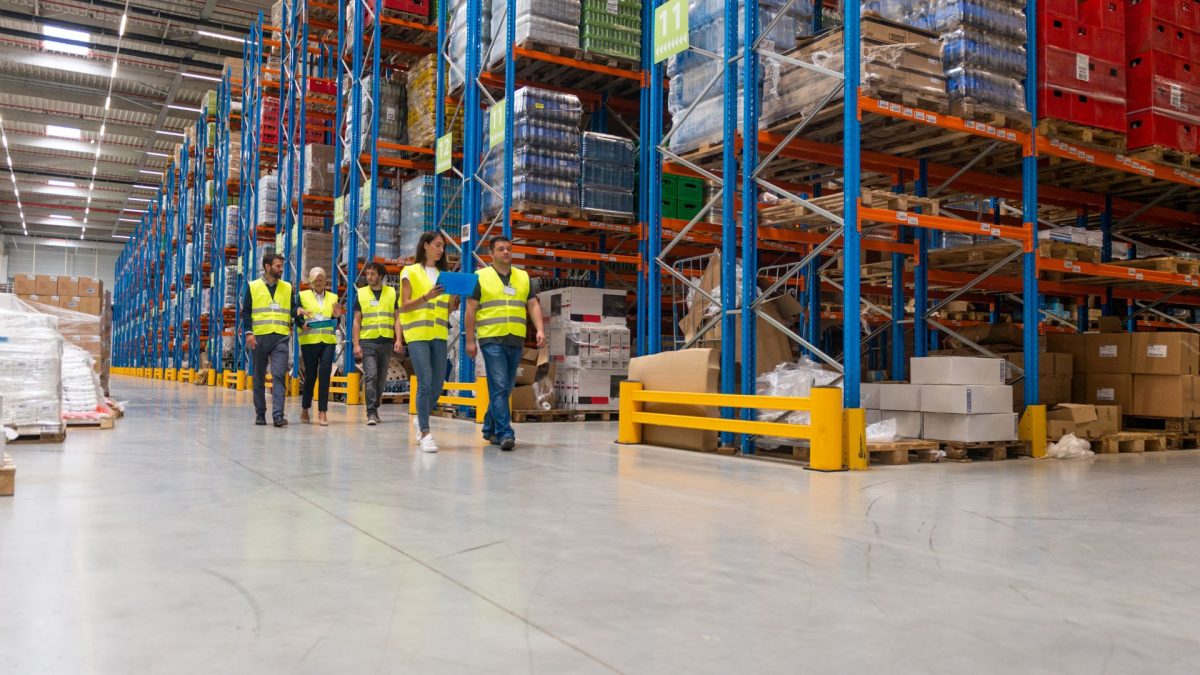
Understanding the sheer volume and variety of items in your warehouse is the first critical step in a cleanout. Warehouses often accumulate a mix of materials over time, from obsolete equipment and unused furniture to surplus inventory and packaging waste. A detailed inventory of what is present helps in prioritizing what needs to be removed immediately versus items that can be repurposed or donated. Taking note of hazardous materials, electronics, and bulky items ensures that the cleanout process remains safe and efficient.
Evaluating the types of items also informs the selection of the right disposal or recycling methods. Items like cardboard, pallets, and metal scrap can often be recycled, reducing environmental impact. Conversely, outdated electronics or chemicals may require specialized handling. By thoroughly understanding the contents of your warehouse, you can minimize risks, streamline logistics, and ensure compliance with local disposal regulations. This preparation saves time, prevents accidental damages, and sets a clear roadmap for the cleanout.
Planning the Logistics and Timeline
A well-structured plan is essential for an effective warehouse cleanout. Without a clear timeline, the process can quickly become chaotic, causing disruption to ongoing operations. Start by determining the scope of the cleanout, including which areas need immediate attention and which can be addressed in phases. Mapping out access points, loading zones, and staging areas for removed items ensures smooth movement and reduces downtime. Coordinating with staff, movers, and any external services helps in maintaining order and efficiency.
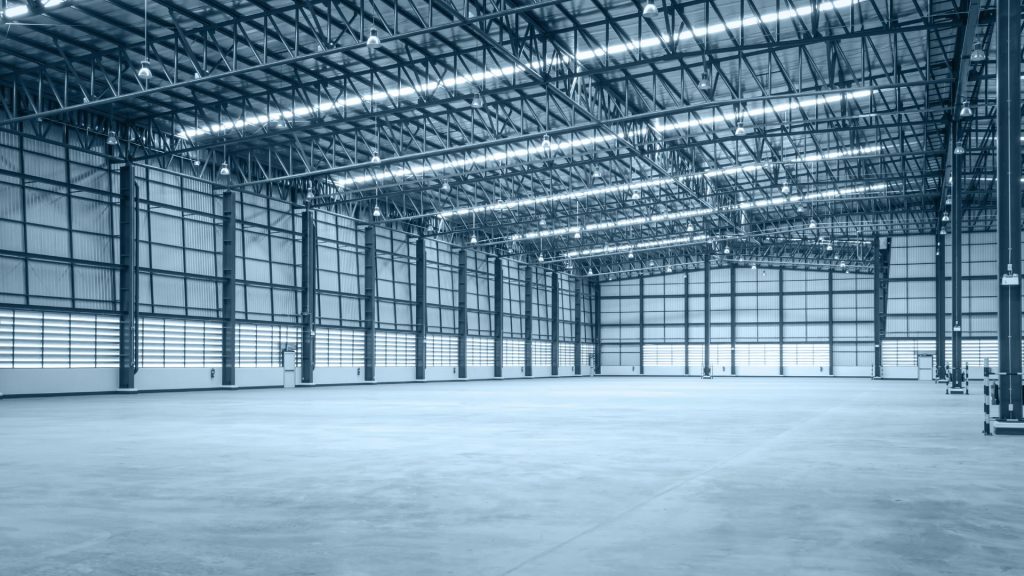
Equally important is establishing a realistic timeline that accounts for the size of the warehouse and the complexity of the materials being removed. Break the process into manageable segments and assign responsibilities for each stage. This method not only keeps the workflow organized but also allows for contingency planning in case unexpected items or challenges arise. Clear logistics and scheduling prevent unnecessary delays, minimize labor costs, and help ensure that the cleanout is completed safely and on time.
Ensuring Compliance with Safety Regulations
Safety is paramount during warehouse cleanouts, as heavy machinery, large objects, and potential hazards can pose risks to personnel. Adhering to occupational safety guidelines protects workers from injury and prevents damage to the facility. Identify potential hazards such as unstable shelving, sharp objects, and chemical spills before beginning the cleanout. Providing staff with appropriate personal protective equipment and safety training reduces the likelihood of accidents.
Compliance extends beyond immediate safety to include proper handling of hazardous materials. Flammable chemicals, electronic waste, and certain building materials require special disposal procedures. Working with experienced teams or contractors who are familiar with these regulations ensures that all materials are handled legally and responsibly. Maintaining thorough documentation of the cleanout process, including waste disposal records, protects the business from liability and promotes a culture of safety within the warehouse environment.
Choosing the Right Disposal and Recycling Methods
Proper disposal and recycling play a pivotal role in any warehouse cleanout. Not all items belong in a landfill, and selecting the appropriate method helps reduce environmental impact while potentially lowering disposal costs. Materials like cardboard, plastics, and metals are often recyclable, whereas electronics and hazardous substances require specialized processing. Understanding the options available ensures that each item is disposed of responsibly.
Partnering with professional services experienced in commercial cleanouts can streamline this process. They typically offer guidance on recycling centers, donation opportunities, and certified disposal facilities. This not only minimizes environmental footprint but can also improve your company’s sustainability credentials. Additionally, clear sorting protocols during removal help maintain efficiency and prevent cross-contamination of recyclables and waste, resulting in a smoother, more environmentally conscious cleanout.
Budgeting for Costs and Resources
Effective warehouse cleanouts demand careful financial planning. Costs can escalate quickly without proper budgeting, especially when factoring in labor, transportation, disposal fees, and any rental equipment required for moving large items. Start by estimating the volume of materials to be removed and researching disposal or recycling costs in your area. This helps create a realistic budget and avoid unexpected expenses.
Resource allocation is equally important. Determining the number of staff, equipment, and time needed for each stage ensures the process is efficient and prevents bottlenecks. Consider potential cost-saving strategies, such as recycling or donating items, which can offset disposal expenses. By budgeting carefully, businesses can complete the cleanout without compromising safety or quality, keeping operations on track while maintaining financial control.
Organizing and Sorting Materials for Efficiency
Organizing the warehouse contents before removal significantly enhances efficiency. Categorizing items by type, size, and disposal method allows for quicker processing and prevents confusion during transport. Use clear labeling and designated areas to separate recyclable materials, donations, and waste. This systematic approach not only speeds up the cleanout but also reduces the risk of errors or misplaced items.
Sorting also enables businesses to identify items with potential resale or repurposing value. Equipment, office furniture, and surplus inventory may find a new home through resale or donation programs, contributing to sustainability efforts and even recouping some costs. Proper organization simplifies communication among team members and external contractors, creating a structured workflow that maximizes productivity while minimizing disruptions to daily operations.
Hiring Professional Help for Large-Scale Cleanouts
Large-scale warehouse cleanouts often require more than in-house resources. Professional junk removal services bring specialized equipment, trained staff, and experience to handle complex tasks efficiently. They can navigate tight spaces, safely move heavy items, and ensure proper disposal in compliance with local regulations. Engaging professionals reduces stress, saves time, and often proves more cost-effective than attempting a large cleanout internally.
Professionals also bring expertise in sorting, recycling, and donation processes. Their networks with recycling centers and donation facilities facilitate responsible disposal, ensuring that items are repurposed when possible. Additionally, professionals carry liability insurance, protecting businesses from potential damages or accidents during the cleanout. Utilizing external help guarantees a safer, faster, and more organized process, especially when dealing with substantial volumes of materials or hazardous items.
Implementing Sustainable Practices
Sustainability is increasingly important in warehouse cleanouts. Choosing eco-friendly disposal options and prioritizing recycling helps businesses reduce their environmental footprint. Identify materials that can be repurposed or donated before sending anything to a landfill. Sustainable practices not only contribute to environmental responsibility but can also enhance a company’s reputation among clients and partners.
Incorporating sustainability involves evaluating each item’s lifecycle and potential for reuse. Partner with recycling companies or charitable organizations that accept industrial goods, furniture, or electronics. Train staff on proper segregation techniques to prevent contamination and maximize recycling efficiency. By embedding these practices into the cleanout plan, warehouses can achieve an environmentally conscious approach that aligns with corporate social responsibility goals while maintaining operational efficiency.
Maintaining Records and Documentation
Keeping thorough records throughout the cleanout process ensures accountability and compliance. Documentation should include inventories of items removed, disposal methods, and certificates from recycling or donation centers. Maintaining accurate records helps track costs, monitor environmental impact, and provide proof of proper handling of hazardous materials if required by regulators.
Records also serve as a reference for future cleanouts, helping to identify recurring surplus items or waste trends. Organized documentation supports transparency, facilitates audits, and enables informed decisions about inventory management and warehouse organization. By systematically recording every aspect of the cleanout, businesses can streamline future projects, safeguard against potential disputes, and demonstrate a commitment to responsible operational practices.
Planning for Future Organization and Storage
A cleanout presents an opportunity to rethink warehouse organization. Implementing new storage systems, such as shelving, pallets, or modular units, prevents clutter from accumulating again. Designating specific zones for inventory, equipment, and waste simplifies access and improves workflow. Strategic planning ensures that future operations remain organized and reduces the need for frequent cleanouts.
Consider integrating technology solutions like inventory tracking software to monitor stock levels and item movement. Regular reviews of storage practices help identify inefficiencies and maintain a clean, safe environment. Establishing clear protocols for incoming and outgoing items fosters discipline among staff and promotes a culture of orderliness. By planning for long-term organization, warehouses can sustain operational efficiency and prevent excessive buildup of unnecessary items over time.
Conclusion
Warehouse cleanouts require a strategic approach, balancing efficiency, safety, and environmental responsibility. Careful planning, thorough sorting, and the adoption of sustainable practices ensure that warehouses remain organized and productive. Engaging professional help can streamline the process, especially for large-scale cleanouts, while proper record-keeping ensures accountability and compliance.
For businesses seeking reliable junk removal services in Palatine, IL, 24-7 Junk Removal offers experienced teams capable of handling any warehouse cleanout efficiently. Their staff provide professional support, ensuring safe removal, recycling, or donation of all items. Contact them at (773) 309-6966 to schedule a cleanout and maintain an organized, clutter-free warehouse environment. Their office is located at 611 W. Wise Schaumburg, IL 60193, and they can also be reached via support@24-7junk.com for additional inquiries.