

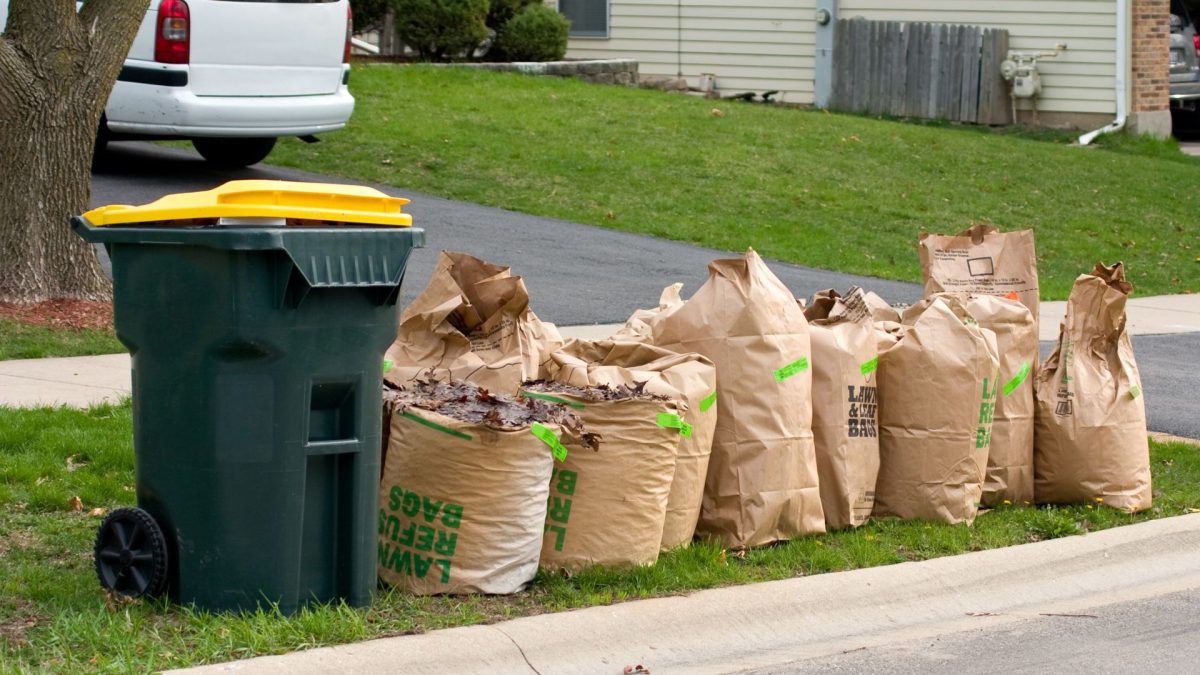
Junk that accumulates over time in households and businesses has a profound effect on the environment. Disposing of items improperly often results in overflowing landfills, which in turn contaminates soil, pollutes groundwater, and releases harmful gases. Recycling helps redirect materials that would otherwise end up in these landfill sites. Metals, plastics, and electronics can be repurposed into new products, conserving natural resources and reducing the need for mining and manufacturing from scratch. Beyond resource conservation, recycling junk also diminishes the burden on waste management systems. Cities and municipalities face rising costs when landfills reach capacity, leading to potential environmental hazards and financial strains. By ensuring more items are recycled, communities can maintain cleaner surroundings and foster sustainable living habits.
Recycling is not merely an environmentally responsible act but a practical solution for urban planning and waste management. When junk is recycled, it undergoes sorting and processing that transform it into reusable materials. Paper products become pulp for new sheets, metals are melted and molded into industrial products, and plastics are converted into raw materials for manufacturing. This process drastically reduces the volume of waste that ends up in landfills. Furthermore, communities that prioritize recycling see long-term benefits, including reduced landfill expansion, lower greenhouse gas emissions, and improved public health. Recycling junk, therefore, is a crucial step toward sustainable living and mitigating the environmental impact of modern waste accumulation.
Conserving Natural Resources Through Recycling
The extraction of raw materials for manufacturing consumes massive amounts of energy and depletes finite natural resources. By recycling junk, valuable materials like aluminum, copper, and steel are reintroduced into production cycles, reducing the need for mining and drilling. This process saves energy and diminishes environmental degradation caused by conventional resource extraction. For instance, recycling aluminum consumes significantly less energy than producing it from bauxite ore. Each recycled item contributes to a chain reaction of resource conservation, allowing future generations to access essential materials without further straining the environment.
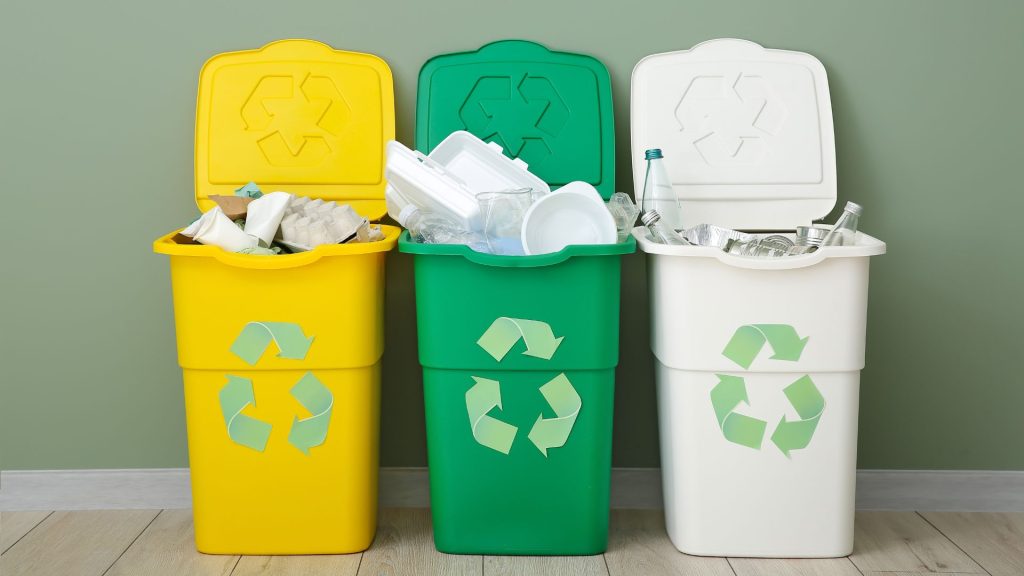
Recycling junk also preserves forests, water supplies, and ecosystems. When paper and cardboard are recycled, fewer trees are cut down, helping maintain biodiversity and prevent soil erosion. Similarly, recycling electronics keeps toxic substances like lead and mercury from contaminating the earth. These efforts collectively support a healthier planet by reducing resource depletion and minimizing environmental risks. Through responsible recycling, individuals and businesses actively participate in sustaining natural habitats while promoting efficient resource use. The small act of recycling junk can thus have far-reaching implications for environmental conservation and resource management.
Reducing Greenhouse Gas Emissions
Landfills are significant contributors to greenhouse gas emissions, especially methane, which is produced when organic waste decomposes anaerobically. Recycling junk reduces the volume of waste in landfills, thereby limiting methane production and its associated impact on climate change. Materials like plastics, metals, and paper have long decomposition periods; diverting them to recycling facilities instead of landfills helps mitigate greenhouse gases. The energy saved through recycling also lowers carbon footprints. For example, producing recycled aluminum requires 95% less energy than producing it from raw ore, directly contributing to emission reduction.
By recycling, we not only prevent harmful gases from accumulating but also promote sustainable industrial practices. Manufacturers increasingly rely on recycled materials to minimize energy consumption and carbon output. This creates a feedback loop where reduced landfill dependency and recycled resource use collectively lessen environmental harm. Communities that implement widespread recycling programs experience measurable drops in emissions, demonstrating that local actions can have global significance. In essence, recycling junk is a proactive approach to climate responsibility, providing an opportunity to curb emissions while supporting a more sustainable industrial ecosystem.
Extending the Lifespan of Landfills
Landfills are finite spaces, and their rapid filling poses a serious challenge for waste management authorities. Recycling junk effectively extends the operational lifespan of these facilities by diverting materials that would otherwise occupy space indefinitely. Metals, plastics, and electronics can remain in landfills for decades if not recycled, taking up valuable land that could serve other purposes. Extending landfill lifespan also reduces the frequency of opening new disposal sites, which often involves environmental disruption and costly planning processes.
Recycling not only conserves landfill space but also promotes organized waste management. When materials are sorted and processed, they are transformed into products that re-enter the market instead of being discarded. This process reduces pressure on landfill operators, allowing them to focus on managing non-recyclable waste more efficiently. Communities benefit from cleaner environments and longer-lasting waste facilities, leading to improved public health and aesthetics. By prioritizing recycling, society gains practical solutions for sustainable waste disposal while reducing dependence on landfills.
Encouraging Sustainable Manufacturing Practices
Recycling junk encourages manufacturers to adopt sustainable production methods by providing a steady supply of recycled materials. Industries increasingly recognize the value of incorporating scrap metals, plastics, and paper into their production lines, which reduces raw material extraction and associated environmental impacts. By creating a demand for recycled content, consumers and businesses push manufacturers to innovate greener processes, such as energy-efficient manufacturing techniques and low-waste production systems.
Incorporating recycled materials also contributes to cost-effectiveness in manufacturing. Recycled metals, for instance, are often cheaper and require less energy to process than raw ore. This financial incentive motivates industries to support circular economies, where materials continually circulate instead of being discarded. The recycling of junk thus bridges the gap between environmental stewardship and economic benefits. It fosters a system where responsible consumption and production coexist, driving industries toward sustainable development and ensuring that discarded items regain value instead of contributing to landfill waste.
Preventing Soil and Water Contamination
Junk left in landfills often contains hazardous materials such as batteries, electronics, and chemicals, which can leach into the soil and groundwater. Recycling these items prevents toxic substances from entering ecosystems, protecting both human health and wildlife. Metals, plastics, and electronic components are particularly harmful when left unmanaged, releasing contaminants that persist in the environment for decades. Recycling junk ensures that these materials are safely processed and neutralized.
Recycling also reduces the risk of soil erosion and water pollution. When waste is properly sorted and treated, hazardous elements are separated, preventing environmental degradation. Communities benefit from cleaner water supplies, healthier plants, and safer habitats for animals. By managing junk responsibly, individuals and businesses play an active role in safeguarding natural resources. Recycling transforms potential pollutants into usable materials, demonstrating that waste can be an opportunity for environmental protection rather than a source of contamination.
Creating Economic Opportunities
Recycling junk generates employment and supports local economies. Collection, sorting, and processing of materials require human labor, creating jobs in waste management and recycling industries. Recycled materials also stimulate secondary markets for manufacturing, retail, and resale, fostering entrepreneurship and innovation. Communities that prioritize recycling experience both environmental and economic growth, creating a balanced approach to sustainability.
Moreover, businesses that invest in recycling operations often see cost savings and revenue opportunities. Items that were once considered waste can be transformed into commodities with market value. This approach encourages innovation, from upcycling furniture to repurposing electronics. By creating a market for recycled goods, communities empower individuals and organizations to participate in a circular economy. Recycling junk, therefore, is not only environmentally responsible but economically strategic, offering sustainable solutions for growth and development.
Reducing Resource Extraction Impact
Mining, drilling, and logging are primary contributors to environmental degradation, including habitat destruction, water depletion, and air pollution. Recycling junk minimizes the demand for virgin materials, decreasing the need for destructive extraction practices. By supplying industries with reusable metals, plastics, and paper, recycling alleviates the environmental footprint of production. Each recycled item reduces pressure on ecosystems, allowing natural landscapes to recover and thrive.
Recycled materials help maintain biodiversity by limiting the expansion of extraction sites that disrupt wildlife. Communities benefit from preserved forests, clean rivers, and reduced soil erosion. Recycling junk creates a sustainable feedback loop where used materials re-enter production without further harming the environment. This cycle not only conserves resources but also encourages industries and individuals to adopt responsible practices, balancing consumption with ecological preservation.
Promoting Community Responsibility
Recycling junk fosters a sense of community engagement and environmental stewardship. When households and businesses actively participate in recycling, they contribute to collective goals such as reducing landfill use and conserving resources. Awareness campaigns and local recycling programs encourage residents to make informed choices about waste disposal. This shared responsibility enhances community cohesion while promoting sustainable practices.
Community-driven recycling initiatives also cultivate educational opportunities. Residents learn the importance of waste segregation, sustainable consumption, and eco-friendly habits. Schools, businesses, and neighborhoods that prioritize recycling set an example for future generations, instilling values of environmental accountability. By participating in recycling programs, individuals actively shape the sustainability of their communities, transforming ordinary waste disposal into a collective effort for environmental preservation.
Supporting Circular Economy Principles
Recycling junk is a cornerstone of the circular economy, where materials continually flow through production and consumption cycles instead of being discarded. This approach minimizes waste, maximizes resource efficiency, and fosters sustainable consumption. Recycled materials re-enter markets as raw inputs, reducing dependency on finite resources and creating a resilient system for long-term sustainability.
The circular economy also emphasizes innovation and product lifecycle management. By supporting recycling initiatives, individuals and businesses contribute to redesigning products for durability, repairability, and recyclability. Materials that were once considered waste become valuable resources, reinforcing the principles of sustainability. Recycling junk not only reduces landfill waste but also aligns society with forward-thinking economic models that prioritize environmental and social well-being.
Conclusion
Recycling junk plays a vital role in reducing landfill waste while promoting environmental sustainability, conserving natural resources, and minimizing pollution. By transforming discarded materials into reusable products, communities can extend landfill lifespan, lower greenhouse gas emissions, and prevent soil and water contamination. Beyond environmental benefits, recycling also stimulates economic opportunities, fosters community responsibility, and encourages industries to adopt sustainable practices. It represents a practical solution for both immediate waste management and long-term ecological preservation.
In Palatine, IL, residents and businesses seeking efficient junk removal solutions can rely on 24-7 Junk Removal. Their team specializes in responsible Junk Removal practices, ensuring that items are donated, recycled, or repurposed whenever possible. Contact 24-7 Junk Removal at (773) 309-6966 or visit their location at 611 W. Wise Schaumburg, IL 60193 to schedule a service. With support@24-7junk.com available for inquiries, this family-owned business exemplifies how localized efforts can significantly reduce landfill waste while promoting sustainable living.