

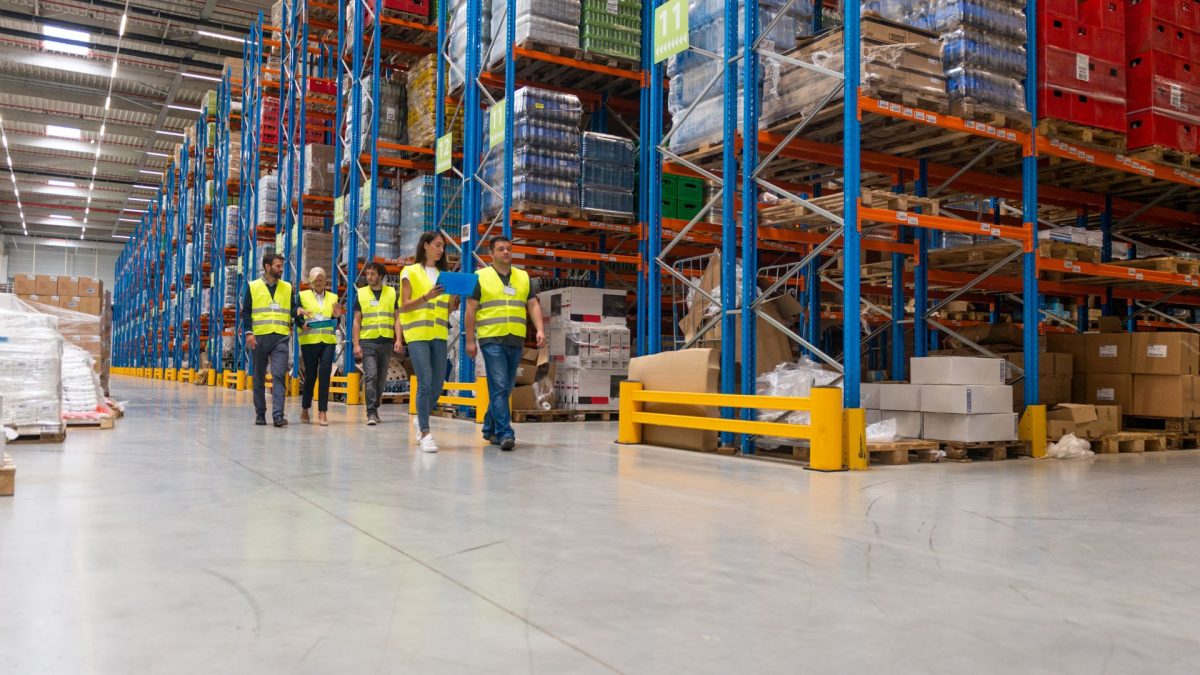
Maintaining an organized warehouse is more than just a matter of aesthetics; it directly impacts the efficiency of daily operations. Warehouses often accumulate outdated materials, unused equipment, and miscellaneous clutter that can disrupt workflow and reduce storage capacity. By conducting regular cleanouts, businesses can reclaim valuable square footage and establish a system where items are easier to locate. The clarity that comes from a decluttered environment allows staff to navigate the space without obstacles, decreasing the likelihood of operational delays or accidents. This approach ensures that inventory management becomes more precise, with stock being easier to track, reducing errors in shipments or order fulfillment.
Additionally, a well-maintained warehouse fosters a professional atmosphere that can enhance employee morale and productivity. Workers are less likely to feel overwhelmed when the environment is orderly and well-planned. Regular cleanouts also allow managers to evaluate which materials are truly essential, leading to better procurement decisions and cost savings. Over time, this practice can prevent small clutter issues from turning into larger, more unmanageable problems, providing a long-term solution to inefficiency. The strategic allocation of space following a thorough cleanout supports seamless operations and optimizes workflow, creating a warehouse environment where productivity thrives naturally and consistently.
Reducing Safety Hazards in the Workplace
Safety is a critical concern in any warehouse, where heavy machinery, stacked inventory, and moving equipment pose potential risks. Piles of unnecessary items, scattered debris, and blocked pathways increase the likelihood of slips, trips, and falls. Regular cleanouts ensure that the warehouse environment is free from hazards, with walkways cleared, storage areas organized, and equipment safely stored. Eliminating clutter not only protects employees from physical injuries but also reduces potential liability for the business. An organized space allows emergency exits to remain accessible, and safety protocols can be implemented more effectively without obstructions.
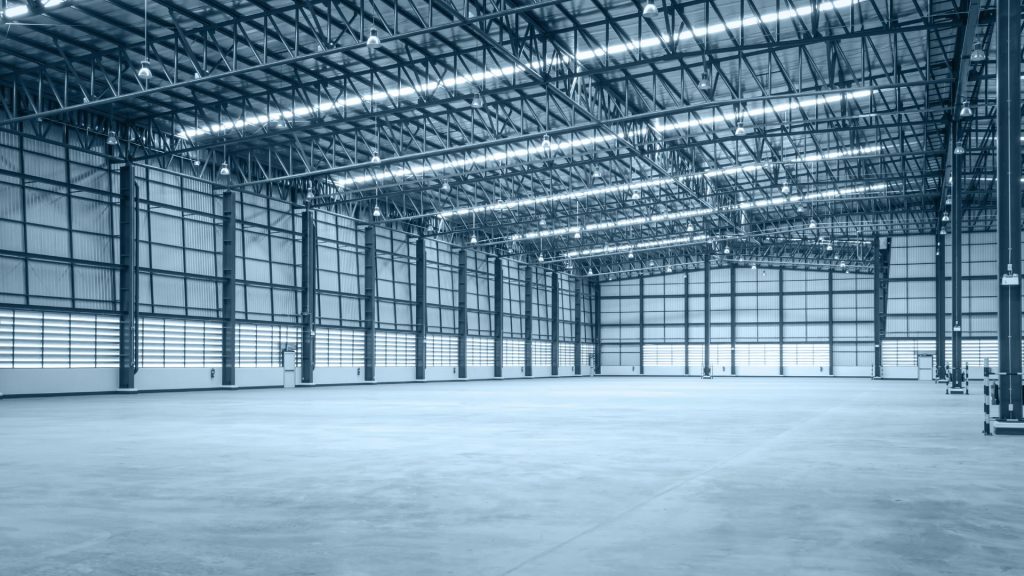
A consistent cleanout schedule can also help identify potential safety risks before they escalate. For example, worn-out shelving or damaged pallets can be detected and addressed promptly, preventing accidents. By maintaining a culture of safety and cleanliness, businesses encourage employees to adopt responsible handling practices for materials and equipment. Furthermore, regulatory compliance is easier to achieve in a tidy warehouse, as inspections often focus on storage practices and workplace safety standards. Prioritizing a clutter-free environment ultimately safeguards the well-being of the workforce and promotes operational continuity by minimizing disruptions caused by accidents or unsafe conditions.
Preserving Equipment Longevity
Warehouses are home to essential equipment, from forklifts to pallet jacks, and their longevity is directly tied to the environment in which they operate. Dust, debris, and neglected storage spaces can accelerate wear and tear, causing machinery to require frequent repairs or replacements. Regular cleanouts help maintain equipment in optimal condition by keeping the surrounding areas free from obstructions, reducing the chance of accidental damage. By systematically organizing tools and machinery, businesses can ensure that maintenance routines are easier to follow, extending the life of their assets and preserving valuable investments.
Cleanouts also provide the opportunity to assess equipment performance and identify items that are outdated or malfunctioning. This assessment can prevent costly downtime by ensuring that repairs are performed promptly or obsolete equipment is removed. In addition, organized storage reduces the stress and strain on employees who handle machinery, minimizing misuse and accidental mishandling. By creating a culture of preventive care through regular cleanouts, warehouses experience fewer breakdowns and disruptions. This proactive approach not only saves money on repairs but also reinforces operational efficiency, ensuring equipment remains reliable and fully functional when it is needed most.
Enhancing Inventory Management Accuracy
Accurate inventory management is the backbone of successful warehouse operations. When warehouses become cluttered, tracking stock becomes a challenge, often resulting in misplaced items, overstock, or stockouts. Regular cleanouts allow businesses to sort through materials and establish an organized inventory system. By categorizing items, labeling storage locations, and removing unnecessary stock, warehouse managers can quickly determine what is available and what needs replenishment. This structured approach improves order fulfillment accuracy, reduces the likelihood of costly errors, and ensures that inventory levels reflect actual usage patterns.
Additionally, cleanouts facilitate better forecasting and supply chain planning. By gaining a clear understanding of existing stock and identifying slow-moving items, businesses can make informed decisions on purchasing, storage allocation, and space optimization. Streamlined inventory reduces clutter, prevents misplacement, and ensures that essential products are readily accessible when required. The time saved in locating materials translates directly into faster processing and shipping, which enhances overall customer satisfaction. Over time, regular cleanouts instill discipline in inventory management, creating a reliable, efficient system that supports both daily operations and long-term business growth.
Boosting Employee Productivity and Morale
The condition of a workspace directly influences how employees feel and perform. Warehouses filled with clutter and disorganization can create stress, frustration, and wasted time, as staff struggle to locate materials or navigate tight spaces. Regular cleanouts foster a clean, well-ordered environment that allows employees to focus on their tasks without distractions. When workers feel comfortable and confident in their surroundings, productivity naturally improves, and morale rises. Clear storage zones and accessible pathways contribute to a sense of order and control, motivating employees to maintain the environment and take pride in their work.
Furthermore, a decluttered warehouse supports collaboration and communication. Teams can move more freely, coordinate tasks efficiently, and reduce misunderstandings related to misplaced items or chaotic spaces. Regular cleanouts also signal to employees that management values their work conditions, which can strengthen loyalty and engagement. By minimizing the mental and physical strain associated with disorder, businesses create a more positive workplace atmosphere. This investment in organization and cleanliness ultimately leads to sustained productivity gains, as employees can focus on delivering results rather than navigating unnecessary obstacles within the warehouse environment.
Supporting Sustainability and Waste Reduction
Waste management is a critical concern for modern warehouses, where discarded packaging, broken equipment, and obsolete stock can accumulate quickly. Regular cleanouts help businesses identify items that can be recycled, repurposed, or properly disposed of, reducing environmental impact. By implementing a structured removal and disposal process, warehouses can divert waste from landfills and contribute to sustainability efforts. Decluttering also reveals materials that might have been overlooked, enabling their reuse or donation, which further supports responsible resource management.
Moreover, sustainable practices in the warehouse align with broader corporate social responsibility initiatives, enhancing a company’s reputation with clients and partners. Regular cleanouts encourage the separation of recyclables from general waste, reducing contamination and promoting compliance with environmental regulations. Streamlined storage reduces packaging waste, prevents damage to materials, and optimizes transportation efficiency when items need to be moved. By integrating cleanouts into sustainability strategies, warehouses not only protect the environment but also benefit operationally through reduced waste handling costs, improved space management, and a stronger commitment to eco-friendly practices.
Improving Operational Flexibility
Warehouses must adapt to changing business needs, whether expanding product lines, adjusting storage configurations, or accommodating seasonal demand fluctuations. Cluttered and unorganized spaces limit flexibility, making it difficult to reconfigure storage or workflow patterns quickly. Regular cleanouts create a more agile environment by freeing up space and establishing organized zones that can be modified as needed. This flexibility allows businesses to respond promptly to market demands, implement new processes, and maximize storage utilization without extensive disruptions.
In addition, organized warehouses make it easier to implement technological upgrades or introduce automation systems. For instance, automated picking or inventory tracking tools function best in a well-ordered space where items are clearly labeled and accessible. Cleanouts facilitate such integrations by removing obstacles and providing a clear understanding of spatial requirements. The ability to pivot operations efficiently also enhances competitiveness, as businesses can meet customer needs faster and more accurately. By maintaining a clean and adaptable warehouse, companies position themselves to scale operations effectively while minimizing downtime and operational bottlenecks.
Preventing Pest Infestations and Damage
Pest infestations pose a significant threat to warehouse environments, as rodents and insects can damage stored goods, contaminate materials, and create health hazards. Cluttered spaces offer hiding spots and breeding grounds, making it easier for pests to establish themselves. Regular cleanouts eliminate potential nesting areas, ensuring that storage areas remain accessible for inspection and pest control measures. This proactive approach prevents costly damage to inventory and reduces the need for reactive interventions, which can disrupt operations and lead to product loss.
In addition, cleanouts allow businesses to identify structural vulnerabilities that could attract pests, such as leaks, gaps, or poorly sealed storage containers. By addressing these issues promptly, warehouses reduce the risk of contamination and maintain a hygienic environment. Organized storage also facilitates routine cleaning, which further discourages pests from settling. Implementing regular cleanouts as part of a comprehensive pest prevention strategy protects both inventory and employee health. This preventative mindset ensures that warehouses remain secure, operationally stable, and less prone to financial losses stemming from damage or contamination.
Facilitating Compliance with Industry Standards
Many industries are governed by strict regulations regarding storage, safety, and hygiene. Warehouses that fail to maintain clean and organized spaces may face penalties, audits, or operational restrictions. Regular cleanouts ensure that businesses stay compliant by keeping inventory properly labeled, storage zones accessible, and waste managed according to guidelines. Compliance is particularly important in sectors dealing with food, pharmaceuticals, or sensitive materials, where improper storage can compromise product quality and safety. A clean and organized warehouse demonstrates a commitment to operational excellence and regulatory adherence.
Furthermore, regular cleanouts streamline preparation for inspections and audits. Staff can easily verify inventory, identify noncompliant items, and maintain proper documentation. This reduces stress during regulatory reviews and fosters a culture of accountability throughout the organization. Proactive adherence to standards through consistent cleanouts not only protects businesses from fines and legal issues but also builds trust with partners, clients, and stakeholders. By aligning warehouse practices with industry expectations, companies ensure smooth operations and maintain a strong reputation for reliability and professionalism.
Encouraging Long-Term Cost Savings
Investing time in regular warehouse cleanouts generates significant financial benefits over the long term. Cluttered and disorganized warehouses often lead to inefficiencies, misplaced inventory, and equipment damage, all of which increase operational costs. Cleanouts reduce waste, prevent unnecessary purchases, and improve inventory tracking, allowing businesses to allocate resources more effectively. By removing outdated or unused items, companies minimize storage expenses and optimize the use of available space. The efficiency gained from an organized warehouse translates into faster processing, reduced labor costs, and a smoother overall workflow.
Moreover, regular cleanouts support preventative maintenance, reducing the likelihood of costly equipment repairs and downtime. Businesses can also identify underutilized resources that could be repurposed or sold, generating additional revenue streams. Over time, these practices lead to sustainable savings that contribute directly to the bottom line. Prioritizing regular cleanouts ensures that operational costs are controlled while maintaining productivity, safety, and quality. This approach demonstrates the financial wisdom of maintaining a well-managed warehouse, where careful organization and proactive removal of unnecessary items provide both immediate and lasting economic advantages.
Conclusion
Regular warehouse cleanouts are essential for maintaining operational efficiency, ensuring workplace safety, and protecting valuable equipment. Decluttering and organizing storage areas improve inventory accuracy, support employee productivity, and foster a positive work environment. Beyond immediate operational benefits, cleanouts also contribute to sustainability by reducing waste and facilitating responsible disposal practices. Warehouses that maintain clean and orderly spaces are better equipped to adapt to changing business demands, prevent pest infestations, and comply with industry regulations. The cumulative effect of these efforts results in streamlined processes, reduced costs, and a more professional and reliable operation overall.
For businesses in Palatine, IL, 24-7 Junk Removal provides expert assistance to ensure that warehouse spaces remain organized and clutter-free. Their junk removal services help companies safely and efficiently dispose of unwanted materials, improving operational flow and creating a safer environment for employees. By working with 24-7 Junk Removal, businesses can focus on their core activities while professionals manage the logistics of waste removal. For more information or to schedule a service, contact 24-7 Junk Removal at (773) 309-6966 or visit 611 W. Wise Schaumburg, IL 60193. Their team is ready to help streamline warehouse operations, maintain compliance, and promote long-term efficiency in every space they service.