

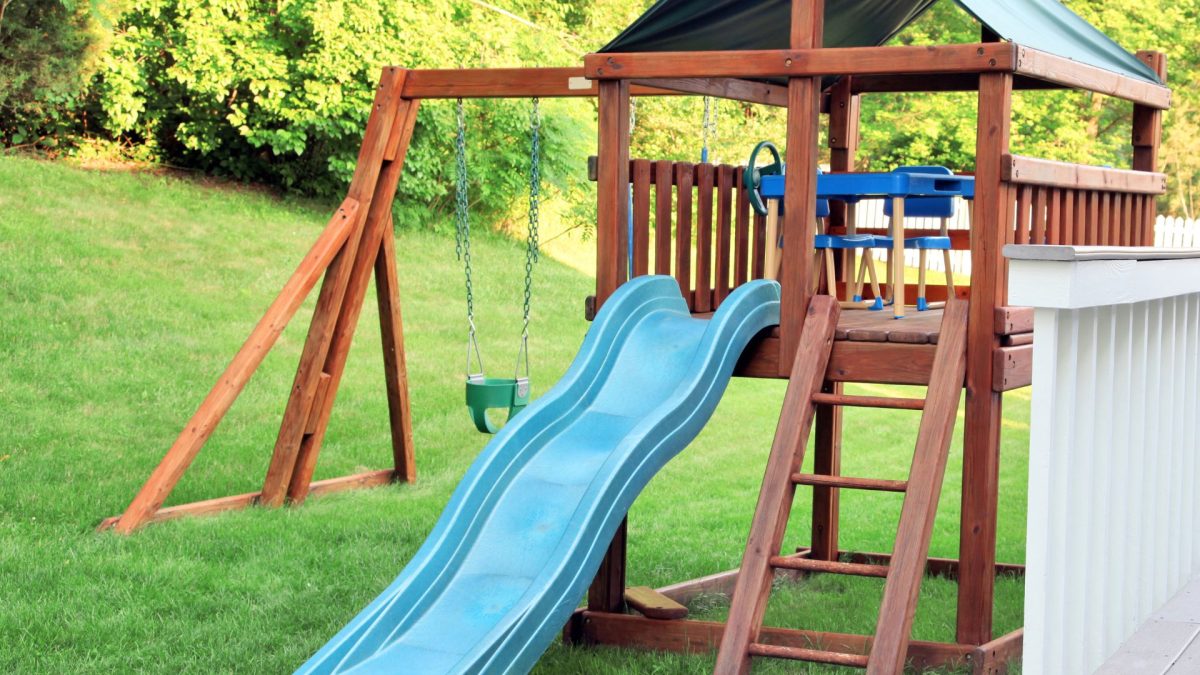
Taking down an old playset might sound simple at first glance, but once you start, the scale of the task becomes clear. Playsets are often built to withstand years of energetic play, meaning they’re anchored deep, bolted tight, and crafted from durable materials like pressure-treated wood, metal, or thick plastic. Before dismantling, it’s essential to assess every part of the structure. Look for corrosion, worn bolts, or rotted boards. These not only make the job trickier but can also create safety risks during the process. Taking photos and making notes can help you plan your removal in stages, reducing surprises later.
Another factor to consider is accessibility. A playset often occupies the backyard, an area with limited vehicle access. You’ll need to decide where debris will go once dismantled and how to transport it out safely. If you’re in a residential area, this may mean multiple trips through narrow gates or pathways. Proper planning prevents backtracking and wasted effort. With the right tools—wrenches, pry bars, drills, and perhaps a reciprocating saw—you’ll be ready to begin efficiently. Understanding the scope helps ensure safety, keeps your workflow organized, and saves unnecessary stress once demolition begins.
Preparing the Area Before the Removal Process
Before jumping into physical removal, it’s wise to spend time preparing the workspace. Clear out toys, garden furniture, or plants near the playset. Anything within a few feet of the structure should be moved to create safe movement around the site. This not only prevents accidental damage but gives you room to maneuver large pieces once you begin taking the playset apart. It’s a simple step but one that can significantly reduce frustration mid-project.
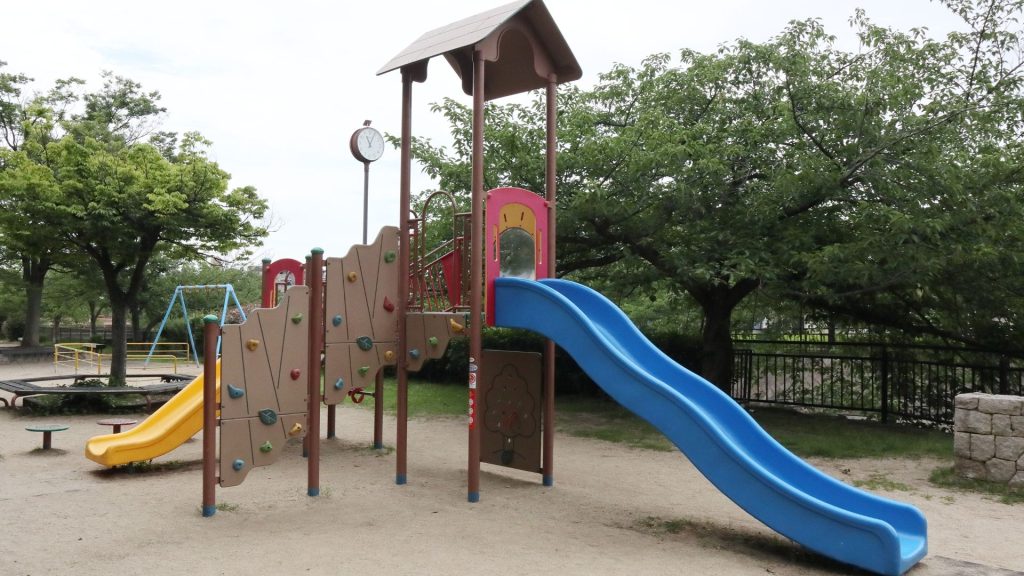
Next comes inspecting the ground beneath the playset. Many are installed over mulch, grass, or rubber padding. You’ll need to evaluate how to manage this once the structure is gone. If mulch or padding is still in decent condition, you can repurpose it for garden use. If it’s worn or decomposing, disposal might be necessary. Another overlooked factor is checking for underground anchors or cemented posts. These can be tougher to remove and may require heavier tools or professional help. Preparing ahead of time ensures you won’t get stuck mid-way, staring at a stubborn post embedded in concrete.
Choosing Between DIY and Professional Playset Removal
When considering playset removal, one of the biggest decisions is whether to handle it yourself or call in professionals. DIY removal can seem appealing—especially for those who enjoy hands-on projects. However, there’s more to consider than just time and tools. Some playsets are bolted together with dozens of steel fasteners or built with treated lumber that’s heavier than it appears. Without proper safety gear and equipment, the task can become risky.
Professional removal services, on the other hand, offer expertise and efficiency. They come equipped with the tools needed to disassemble, haul, and dispose of every component safely. What might take a homeowner several days can often be completed in a fraction of the time. Professionals also understand local regulations for disposing of treated wood or metal components, ensuring everything is handled responsibly. While DIY can be satisfying, sometimes hiring experienced help is the more practical—and safer—choice.
The Importance of Safety During Playset Dismantling
Safety isn’t just a priority during playset removal—it’s the foundation. Before beginning, inspect every bolt and beam. Many old playsets have sharp edges, rusted hardware, or wood splinters that can cause injury. Wearing gloves, goggles, and long sleeves is a must. You’ll also want to make sure that kids and pets stay well away from the area. It might seem harmless, but one falling board can do significant damage if someone is standing nearby.
When dismantling, work from the top down. Taking off roofs or swings first helps reduce the risk of collapse. Heavy parts like slides or monkey bars should be detached with care, preferably with an extra pair of hands. If you’re using power tools, always double-check cords and outlets before plugging in. A calm, steady pace helps prevent accidents. Rushing is the easiest way to make mistakes. Think of safety not as a hindrance but as an investment in finishing the project without harm.
Handling and Sorting Playset Materials for Disposal
Once you’ve disassembled the playset, you’ll find yourself surrounded by piles of materials—wood, metal, plastic, and sometimes even fabric parts. It’s tempting to toss everything together, but sorting them properly can make a big difference in how easily you can dispose of or recycle them. Separate the materials first. Metal parts, for instance, can often be recycled at a scrap yard, while wood pieces may need to go through specific disposal channels depending on whether they were pressure-treated.
Plastic slides and accessories are often recyclable too, though this depends on your local recycling rules. Hardware such as bolts or nails should be placed in containers to avoid puncturing trash bags or causing injury. For wood that’s still in decent shape, consider repurposing it for small garden projects or outdoor décor. Responsible material handling helps reduce waste and environmental impact. It’s one of those small actions that adds up to a cleaner community and a smoother removal process overall.
Environmental Considerations in Playset Disposal
Playsets may seem like just another backyard structure, but the way they’re disposed of can have a real impact on the environment. Many older sets are built from pressure-treated wood, which contains chemicals designed to resist decay. While effective for durability, these compounds shouldn’t end up in landfills without proper handling. Disposing of them responsibly prevents harmful substances from leaching into the soil or groundwater.
Metal and plastic components are typically easier to recycle, but not all recycling centers accept large or bulky items. Calling ahead before hauling materials away saves unnecessary trips. Some communities even have designated drop-off sites for playground or construction debris. By sorting carefully and following eco-friendly disposal practices, you turn what could have been waste into potential reuse. Small efforts like this help preserve the environment while maintaining the spirit of sustainability within your home improvement plans.
Efficient Techniques for Disassembling a Playset
The key to efficient disassembly lies in strategy. Start with the accessories—slides, swings, and ladders—before moving on to the main frame. This reduces weight and stabilizes the structure as you work. A cordless drill can make quick work of screws and bolts, but patience matters more than speed. Trying to force pieces apart too quickly can lead to splintered wood or bent hardware, making disposal harder later.
Labeling parts as you remove them can also help if you plan to reuse certain pieces elsewhere. Keep a tarp nearby for stacking smaller components to prevent clutter. When cutting metal or removing anchored posts, it’s often easier to work in sections. If parts of the playset are cemented into the ground, use a reciprocating saw or enlist help for lifting. Breaking down a large playset efficiently is all about pacing—slow enough to stay safe, fast enough to keep momentum.
Cleaning Up After Playset Removal
Once the last piece of wood or metal is gone, the cleanup begins. The removal process often leaves behind scattered screws, bolts, splinters, and bits of rubber mulch. Begin by sweeping or raking the area thoroughly. Magnets can help collect any stray nails or screws hidden in the grass. After clearing debris, check for any uneven spots in the ground where posts or anchors were removed. These can be filled with soil and leveled for safety.
If your plan is to repurpose the area for a garden, patio, or new installation, preparing the soil is the next step. Remove any leftover mulch or plastic sheeting that might interfere with planting or paving. A fresh layer of topsoil can help restore the area’s appearance and encourage grass regrowth. The cleanup isn’t just about aesthetics—it ensures your yard remains safe and usable for whatever comes next.
Timing Your Playset Removal for Best Results
Timing plays a surprisingly big role in the success of your playset removal. The best time is typically during mild weather—spring or early fall—when temperatures are comfortable and the ground isn’t too wet or frozen. Working in extreme conditions can be both uncomfortable and unsafe, especially if you’re dealing with heavy or slippery materials. Scheduling during dry weather helps ensure that tools and materials stay manageable throughout the process.
Another timing consideration is coordination with local waste collection schedules. If your municipality has specific pickup days for bulk items or recyclables, plan your removal accordingly. This helps prevent having piles of debris sitting in your yard for days or weeks. By aligning your timing with weather and waste collection schedules, the project flows more smoothly from start to finish.
Repurposing Old Playset Materials Creatively
One person’s discarded playset can become another’s creative project. Before hauling everything away, consider what parts might still have life in them. Wooden beams can transform into raised garden beds or rustic benches. Slides can double as makeshift ramps for yard storage spaces, while metal bars can be repurposed for trellises or simple outdoor décor.
Even small pieces can be upcycled with a little imagination. The swing chains, for instance, can be used for hanging planters or DIY hammocks. If you have kids, involve them in turning old playset parts into new outdoor art or birdhouses. Repurposing materials not only reduces waste but adds personality to your space. It’s a creative way to celebrate what once was a source of joy and turn it into something new and meaningful.
Conclusion
Tearing down a playset is more than just a cleanup task—it’s about reclaiming space while ensuring every step is safe, efficient, and environmentally responsible. Whether you decide to handle it on your own or call in a professional, thoughtful planning makes all the difference. Organizing materials, maintaining safety, and following proper disposal practices turn what could be a chaotic project into a smooth, satisfying one.
For homeowners in Palatine, IL, who need dependable Junk Removal, 24-7 Junk Removal offers expert service with care and efficiency. They handle everything from disassembly to cleanup, saving you time and effort. Located at 611 W. Wise Schaumburg, IL 60193, their team is ready to assist with playset removal and other hauling needs. For inquiries, reach them at (773) 309-6966 or email support@24-7junk.com. When it comes to creating a clutter-free yard, they make the process simple, safe, and stress-free.