

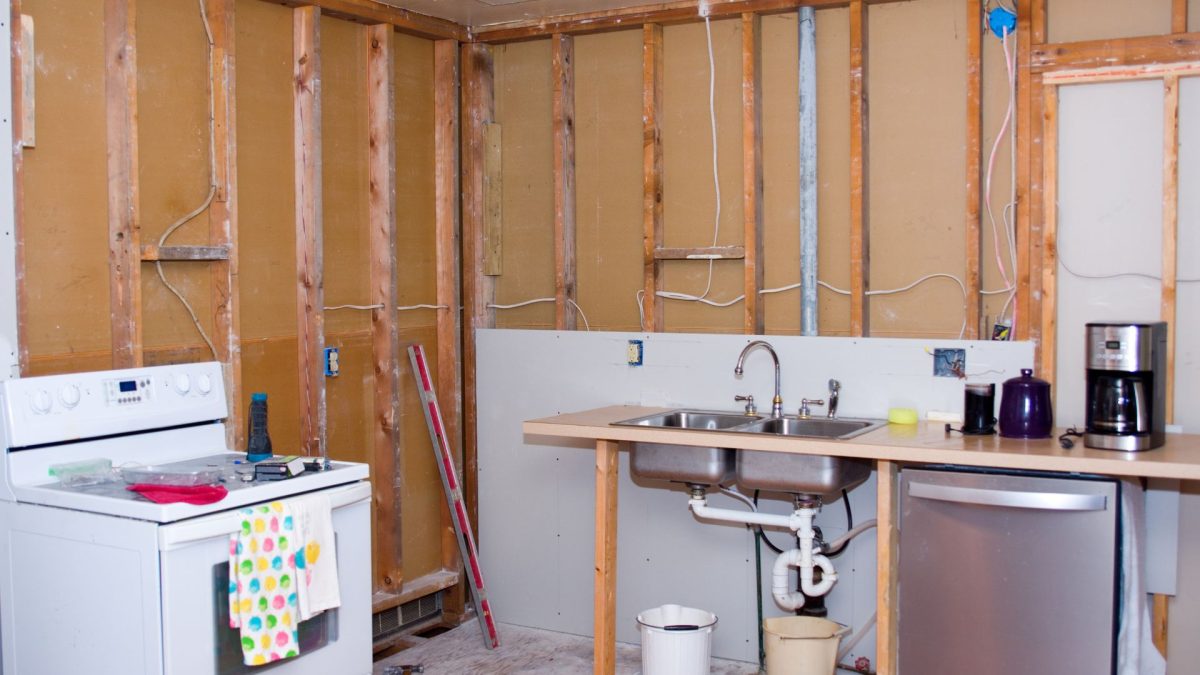
Before swinging any tools, preparing your kitchen space is essential. Clear out all personal items, small appliances, and dishes from countertops and cabinets. Unplug all electronics and turn off utilities such as gas, water, and electricity to prevent accidents. Cover floors with protective sheets to safeguard against scratches and debris. Having a clear, organized space reduces hazards and streamlines the demolition process, allowing you to work efficiently while keeping your kitchen structurally safe. Removing fragile or heavy items first also ensures you won’t face unexpected accidents when dismantling larger pieces.
Planning ahead includes evaluating which items will be removed, recycled, or disposed of. Cabinets, countertops, sinks, and appliances should be assessed for salvageable parts that can be reused or donated. Creating designated areas for debris helps prevent clutter and minimizes trip hazards. Preparing proper disposal containers or bins ensures smooth workflow and reduces the risk of injuries. Thoughtful preparation saves time and reduces stress, setting the foundation for a demolition process that is both safe and efficient.
Selecting the Right Tools for Demolition
Choosing appropriate tools is a critical step in any kitchen demolition project. Heavy-duty hammers, pry bars, screwdrivers, and power drills are fundamental for removing cabinetry, countertops, and fixtures. For more significant structural removals, reciprocating saws and sledgehammers provide additional leverage and power. Wearing protective gloves, goggles, and dust masks is essential to prevent injuries from flying debris or sharp edges. Proper tools not only improve efficiency but also ensure your safety throughout the process, making each step less strenuous and more precise.
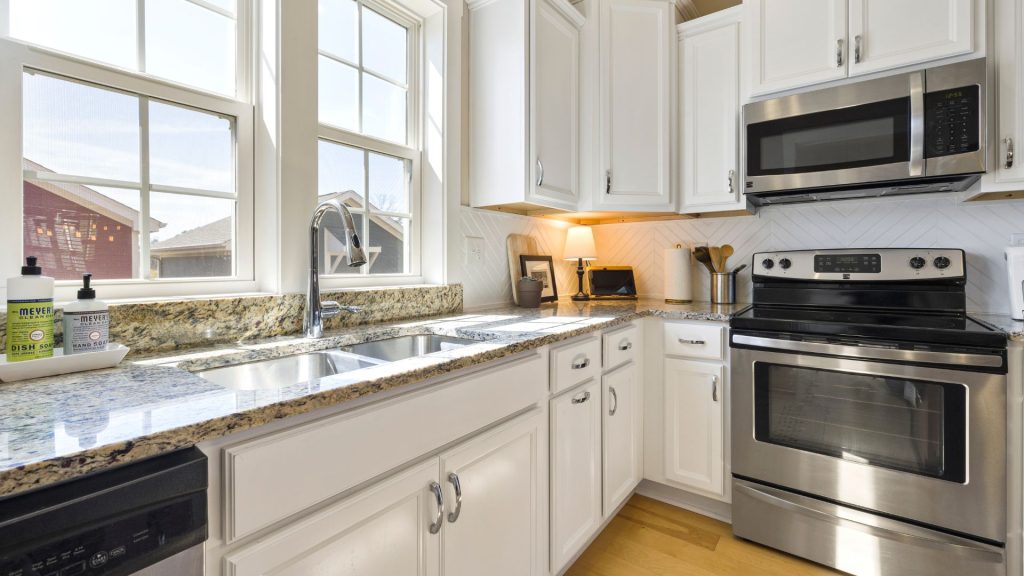
Alongside physical tools, consider equipment for debris management. Buckets, wheelbarrows, and trash bags help transport materials quickly to disposal areas. Using proper tool placement techniques reduces fatigue and the risk of accidents. Planning which tools to use for specific tasks prevents unnecessary damage to remaining structures. Careful attention to the selection and use of tools creates a demolition workflow that is smoother, safer, and more predictable, ultimately saving both time and effort while protecting your personal safety.
Shutting Off Utilities Safely
A crucial, often overlooked step is ensuring all utilities are properly shut off. Water lines, gas connections, and electrical circuits need to be turned off to prevent accidents. Identify the main shut-off valves for water and gas and label them clearly to avoid confusion. Electricity should be switched off at the breaker panel, and all appliances unplugged. Taking the time to double-check these systems before beginning prevents potential hazards such as flooding, gas leaks, or electrical shocks that could occur during demolition.
Proper handling of utilities also involves knowing how to disconnect fixtures safely. For gas stoves, appliances should be professionally disconnected to avoid leaks. Water connections to sinks and dishwashers require careful draining and removal. Electrical wiring should be capped and secured to prevent exposure. By prioritizing utility safety, you mitigate risks, allowing the demolition to proceed smoothly without emergency interruptions or damage to the home infrastructure.
Dismantling Cabinets and Countertops
Removing cabinets and countertops is often the most labor-intensive part of kitchen demolition. Begin by unscrewing hinges, handles, and mounting brackets carefully. Upper cabinets should be removed before lower ones to avoid unnecessary strain or injury. Countertops may require cutting through caulking or adhesive with specialized tools. Taking your time during this phase prevents damage to walls and floors, preserving areas that will remain part of the new kitchen setup.
Strategically dismantling large components in sections improves safety and control. Place removed materials into designated areas immediately to prevent clutter. Salvaging hardware or reusable materials contributes to a more sustainable process. Careful dismantling reduces accidental damage and ensures a clean separation between items for disposal, recycling, or repurposing. Methodical work during this stage allows for a seamless transition into subsequent demolition tasks.
Handling Appliances and Fixtures
Appliances and fixtures require careful attention during removal. Large appliances like refrigerators, ovens, and dishwashers need to be emptied and disconnected before moving. Using appliance dollies or sliders reduces physical strain and prevents floor damage. Fixtures such as sinks and faucets should be disconnected from plumbing with appropriate tools, draining residual water to avoid spills. Proper handling of these items ensures the safety of both individuals and the surrounding space.
Organizing appliances and fixtures by type for disposal or donation enhances workflow efficiency. Some items may contain recyclable components, which should be separated to reduce environmental impact. Working systematically also prevents accidents related to heavy lifting or awkward handling. By prioritizing the safe removal of appliances and fixtures, the demolition process remains organized, minimizing risks and facilitating faster completion.
Managing Debris and Waste
Effective debris management is integral to a safe demolition. Create designated zones for discarded materials and separate items based on recyclability, donation potential, and landfill requirements. Regularly clearing debris prevents obstruction and minimizes trip hazards. Using sturdy bins, bags, or temporary containers keeps the workspace organized and allows continuous demolition without interruptions.
Sorting materials early reduces the volume of waste sent to landfills and promotes eco-friendly disposal practices. Salvaging wood, metal, and other reusable materials contributes to sustainability while reducing clutter. Maintaining a clean, organized environment enhances safety for workers and homeowners, ensuring that debris does not interfere with the ongoing demolition. Strategic waste management is both practical and environmentally responsible, keeping the project on track and hazard-free.
Working with Walls and Flooring
Removing walls and flooring requires attention to detail and structural awareness. Start by assessing which walls are load-bearing to avoid compromising the integrity of your home. Non-load-bearing walls can be safely taken down using a combination of hammers, pry bars, and saws. Flooring materials, including tile, laminate, or hardwood, should be removed carefully to avoid splintering or damaging subflooring. Proper sequencing ensures efficiency while protecting surfaces meant to remain intact.
Flooring and wall debris should be cleared as demolition progresses to maintain a safe working area. Salvaging certain materials, such as hardwood or tile, may provide options for reuse or resale. Awareness of wall and floor structures prevents unnecessary damage, keeping future renovation plans on track. Methodical attention during this phase allows you to remove structural elements effectively without compromising safety or project quality.
Ensuring Personal Safety
Personal safety is paramount during kitchen demolition. Protective equipment like helmets, gloves, goggles, and steel-toed boots shields against common hazards such as falling debris, sharp edges, and heavy lifting. Keeping a first-aid kit on hand is also essential for immediate response to minor injuries. Working with a partner or team improves safety by allowing assistance with lifting and monitoring potential hazards.
Maintaining safe practices involves frequent breaks and proper lifting techniques to prevent strain or injury. Awareness of surroundings and clear communication between team members enhances overall safety. By prioritizing personal protection and adherence to safety protocols, the demolition process can proceed efficiently while minimizing accidents. Fostering a safety-first mindset ensures the project remains productive and incident-free from start to finish.
Planning for Post-Demolition Cleanup
Post-demolition cleanup requires as much planning as the demolition itself. Once the kitchen has been dismantled, remove debris and dust to prepare for renovation. Using vacuums, brooms, and mops ensures all surfaces are clear and ready for construction work. Designate areas for separating reusable items from trash, which facilitates smoother disposal or donation.
Arranging debris removal in advance helps maintain an organized work environment. Coordinating with local disposal or recycling services ensures timely removal of materials. Efficient cleanup reduces stress and prevents lingering hazards, allowing the renovation to begin without delay. Planning for post-demolition logistics enhances workflow continuity, making the transition from demolition to renovation seamless and organized.
Maintaining Structural Integrity During Demolition
Maintaining structural integrity is critical during any demolition project. Avoid removing load-bearing walls or support beams without proper assessment and reinforcement. Temporary supports or braces may be necessary when dismantling adjoining structures. Protecting key elements of the kitchen ensures that the renovation process can proceed safely and efficiently without compromising the home’s stability.
Monitoring structural stability throughout the demolition process prevents accidents and costly repairs. Careful observation and methodical removal techniques safeguard against unintended damage to walls, ceilings, or floors. Prioritizing structural integrity not only enhances safety but also preserves the foundation for a successful kitchen renovation. Thoughtful demolition practices keep the workspace secure and the project on schedule.
Conclusion
Efficient and safe kitchen demolition involves careful planning, proper tools, attention to safety, and effective debris management. Each step, from preparing the space to dismantling cabinets and removing appliances, contributes to a smoother, more controlled demolition process. Maintaining structural integrity and personal safety ensures the project proceeds without unnecessary risks or delays. Thoughtful demolition planning also supports eco-friendly practices by facilitating recycling and reuse of materials.
For those in Palatine, IL seeking reliable assistance, 24-7 Junk Removal provides professional services to handle kitchen demolition efficiently. Their team ensures safe removal of cabinets, countertops, appliances, and debris while prioritizing proper disposal and recycling. Reach out to 24-7 Junk Removal at (773) 309-6966 for prompt and reliable junk removal services. Their expertise guarantees a safe, organized, and stress-free demolition experience, making any kitchen renovation project significantly easier.