

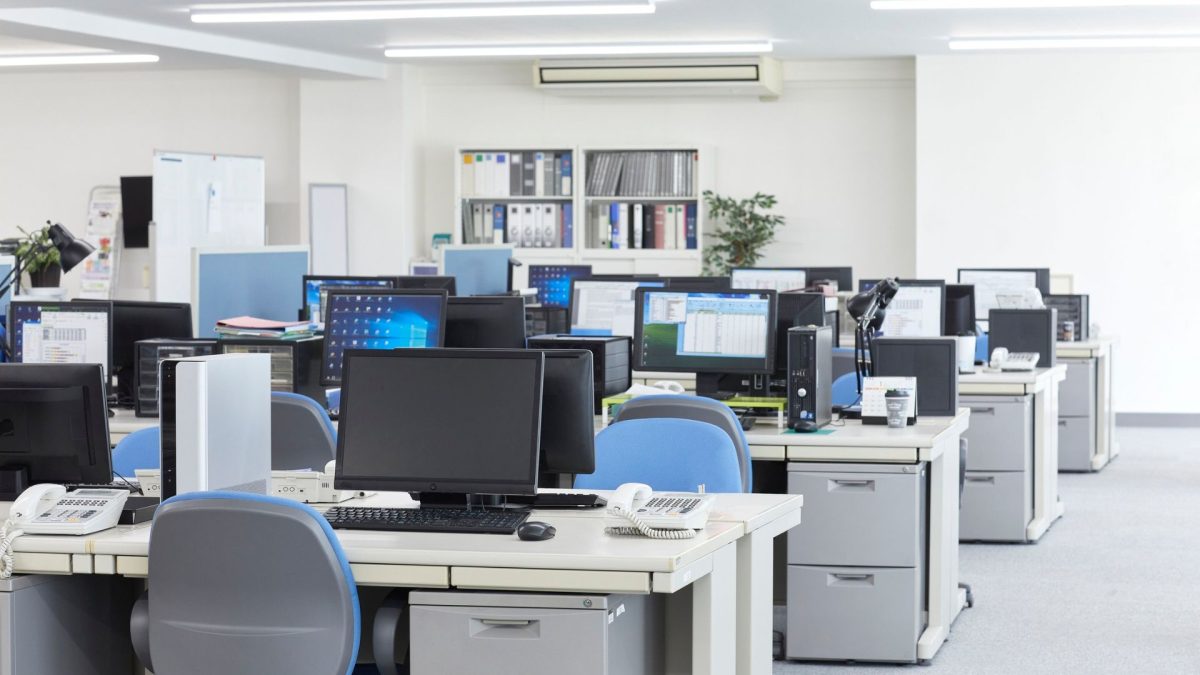
Old office equipment can be deceptively hazardous. Items like outdated computers, printers, and copiers often contain components that can be toxic if handled improperly. Beyond the physical dangers, such as sharp edges or heavy machinery, there is also the risk of data exposure if sensitive information is stored within devices. Approaching removal without a clear plan can lead to accidents or breaches that are costly and difficult to resolve. Recognizing these potential issues is the first step in safeguarding both your team and your office environment. Taking a careful inventory of what needs to be removed ensures that nothing is overlooked, and each item can be assessed for safety hazards or recycling potential.
Handling the removal process responsibly requires a combination of planning, protective gear, and knowledge of proper disposal procedures. Small mistakes, such as lifting heavy equipment without support or improperly disconnecting devices, can result in injuries or damage to property. Therefore, it is vital to implement safety protocols, including team coordination, use of carts or dollies, and the wearing of gloves and sturdy shoes. By acknowledging the hidden risks of outdated office machinery, businesses can take proactive steps to protect both their employees and the environment during equipment removal. Proper preparation transforms what might feel like a daunting task into a controlled, safe, and efficient process.
Planning the Removal Process Strategically
Successfully removing office equipment requires a strategic plan that prioritizes safety and efficiency. Begin by mapping out the office layout to determine the easiest routes for moving bulky items, keeping in mind narrow corridors, stairwells, and door sizes. Planning ahead reduces the chance of accidents and helps prevent damage to both the equipment and office property. Consider designating specific areas for staging equipment before it leaves the office, which helps streamline the process and avoids cluttered hallways or obstructed workspaces. Each step should be deliberate, with safety and smooth workflow as guiding principles.
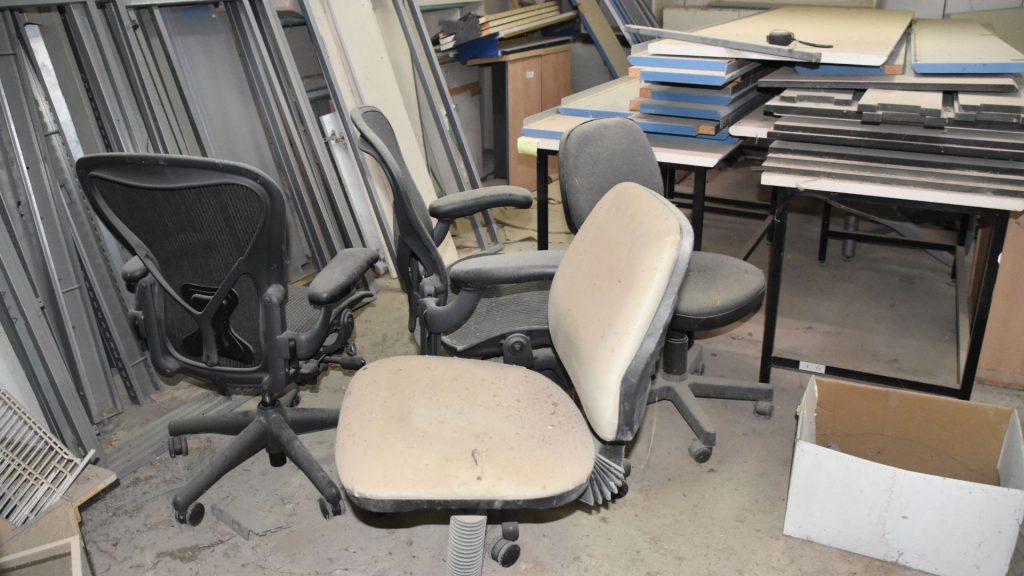
Another essential aspect of planning is understanding disposal regulations and options. Many types of office equipment contain electronic components that are subject to environmental guidelines for recycling or disposal. Identifying certified recycling facilities or donation programs ensures that equipment is handled responsibly, minimizing environmental impact. Additionally, labeling items and documenting what is being removed helps maintain organization and accountability. With a clear, structured plan, the process becomes manageable, protecting both staff and resources while ensuring that the removal of unwanted office equipment is executed with precision.
Clearing Space Before Removal
Before moving any equipment, it is crucial to clear pathways and workspaces to reduce the risk of accidents. Office clutter can create trip hazards or impede access to heavy machinery, making the removal process slower and more dangerous. Start by organizing desks, chairs, and smaller items to create a safe and unobstructed route for larger equipment. Proper spacing allows teams to maneuver freely, using dollies or other transport tools without risking collisions with walls, other furniture, or fellow employees. An organized environment sets the stage for a smooth removal operation.
Clearing space also allows for an assessment of the equipment itself. As items are brought into open areas, it becomes easier to inspect them for potential hazards such as frayed cords, loose components, or leaking fluids. Detecting these issues early prevents injuries during transport and ensures proper handling of materials that require special disposal. By removing obstacles and preparing open staging areas, offices not only increase the safety of their employees but also create a more efficient removal workflow. This preparation reduces stress, avoids damage, and ensures a more seamless process from start to finish.
Using Proper Equipment for Safe Handling
The right tools and equipment make all the difference in safely removing office machinery. Heavy or bulky items should never be lifted manually without support, as this increases the likelihood of back injuries or dropped objects. Utilize dollies, carts, and straps to distribute weight evenly and maintain control. Protective gloves, steel-toed boots, and back braces provide added safety for those involved in the removal, minimizing physical strain and potential accidents. Using the correct equipment ensures that the process is both safer and faster.
In addition, understanding how to operate these tools effectively is essential. For example, a dolly can help move a bulky printer, but improper tilting or securing of the load could result in tipping and damage. Similarly, lifting straps require coordination between two or more people to maintain balance and prevent injury. By training staff or working with professionals familiar with safe handling techniques, offices can significantly reduce risk. This investment in proper equipment and skill not only protects employees but also preserves the integrity of the office property and the items being removed.
Disassembling Equipment When Necessary
Some office machines are too large or complex to move safely in one piece. Disassembling these items can make the removal process more manageable and prevent accidents. Carefully following manufacturer instructions or professional guidance ensures that components are separated safely, avoiding damage or injury. For example, removing printer trays, monitor stands, or server rack parts reduces weight and allows for easier transport through doorways and staircases. Strategic disassembly also minimizes the chance of dropping or knocking over large items during removal.
Disassembly is particularly important when dealing with electronics that contain fragile internal parts. Splitting equipment into smaller segments makes it easier to pack, transport, and eventually recycle or donate. Keeping track of screws, panels, and other small components is vital to ensure that nothing is lost or improperly discarded. Clearly labeling parts and storing them securely until they are moved reduces confusion and improves overall safety. By taking the time to dismantle equipment correctly, offices can achieve a safer and more efficient removal process, protecting both employees and valuable devices.
Protecting Data on Electronic Devices
Data security is a critical concern when removing office electronics. Computers, copiers, and servers often contain sensitive information that must be completely erased before disposal or donation. Failing to protect this data can result in breaches that compromise both company and client privacy. Proper methods include using data-wiping software, physically destroying hard drives, or following certified procedures for electronic recycling. By prioritizing data security, businesses avoid costly mistakes and protect their reputation.
In addition to erasing information, documenting the removal of electronic equipment is important. Keeping records of what has been wiped, recycled, or donated ensures accountability and provides a clear audit trail. Staff should be trained in handling sensitive data and aware of the risks of leaving devices unsecured during the removal process. Establishing protocols for data protection transforms what could be a risky operation into a structured, secure process. This attention to detail safeguards information, builds trust, and ensures compliance with industry standards while moving office equipment safely.
Coordinating a Team for Efficient Removal
Removing office equipment is rarely a one-person job. Coordinating a team ensures that heavy or awkward items are handled safely and efficiently. Clear communication is essential, with roles assigned for lifting, guiding, and supervising the process. When each team member knows their responsibilities, the workflow is smoother, and the chance of accidents is reduced. Team coordination also allows for simultaneous tasks, such as clearing pathways while others transport equipment, speeding up the overall process without compromising safety.
Team dynamics become particularly crucial in tight office spaces. Two or more people are often needed to lift and maneuver large items through narrow corridors or staircases. By establishing signals, verbal cues, or visual guidance, teams can work in harmony, avoiding collisions or damage. Additionally, having a supervisor oversee the process ensures adherence to safety protocols and helps manage unexpected obstacles. When coordinated effectively, a team not only enhances efficiency but also maintains a safer working environment during equipment removal.
Choosing Responsible Disposal Methods
Responsible disposal of office equipment protects both the environment and your company’s reputation. Many devices contain materials that can be harmful if sent to landfills, such as metals, plastics, and electronics. Identifying certified recycling facilities or donation programs ensures items are processed sustainably. This approach reduces waste, supports environmental responsibility, and can even benefit the community through donations of functional equipment. Making environmentally conscious choices demonstrates a commitment to sustainability that extends beyond the office.
Additionally, proper disposal reduces liability risks associated with mishandling hazardous materials. Certain office machines may require specialized treatment, including secure shredding of documents or safe handling of batteries and toner cartridges. Following guidelines for disposal and recycling ensures compliance with local regulations and prevents fines or penalties. By selecting responsible disposal methods, businesses can combine efficiency with environmental stewardship, creating a safer and more conscientious approach to clearing out office equipment.
Handling Hazardous Components Safely
Certain office equipment contains hazardous materials, such as toner cartridges, batteries, or fluorescent lamps. Handling these components incorrectly can lead to chemical exposure, fires, or environmental contamination. Identifying hazardous elements before removal allows for careful handling and appropriate protective measures. Staff should use gloves, goggles, and proper storage containers to minimize risk. Recognizing and addressing these dangers upfront ensures that the removal process remains safe for everyone involved.
Hazardous components should never be mixed with general waste. Storing and transporting these materials according to local regulations prevents spills or accidents. Many recycling centers provide drop-off programs for specific hazardous items, ensuring they are processed safely. By isolating dangerous components and following established safety protocols, offices can maintain a secure work environment while disposing of equipment responsibly. Awareness and proper handling of hazardous elements are key to a successful and safe removal operation.
Scheduling Professional Assistance When Needed
Sometimes professional help is the safest and most efficient option for removing office equipment. Experts are trained to handle heavy machinery, hazardous materials, and complex electronics while adhering to safety standards. Hiring professionals reduces risk of injury, ensures compliance with disposal regulations, and accelerates the removal process. Even with careful planning, professional assistance provides peace of mind, particularly when dealing with large volumes or specialized equipment.
Professionals bring experience, equipment, and knowledge that internal staff may lack. They can also coordinate logistics, manage transportation, and connect with certified recycling or donation centers. Outsourcing to skilled teams allows businesses to focus on operations without disruption. Engaging professional removal services ensures that unwanted office equipment is handled securely, efficiently, and responsibly. Leveraging their expertise transforms what could be a stressful task into a streamlined process, keeping your office safe and operational throughout.
Conclusion
Safely removing unwanted office equipment is a complex task that requires careful planning, proper tools, and attention to detail. From assessing risks and clearing pathways to protecting sensitive data and handling hazardous components, each step contributes to a safe and efficient removal process. Investing time in preparation and following structured protocols minimizes accidents and ensures that the office environment remains secure for staff throughout the process. Coordinating teams, using appropriate equipment, and considering disassembly are key strategies that enhance safety and workflow efficiency.
For businesses in Palatine, IL, 24-7 Junk Removal offers professional support for junk removal, ensuring that unwanted office equipment is removed safely and responsibly. Their experienced team can manage heavy, hazardous, or electronic items while adhering to environmental guidelines. By calling (773) 309-6966, offices can schedule reliable removal services that protect employees, secure sensitive data, and maintain a clutter-free workspace. With a focus on efficiency and sustainability, 24-7 Junk Removal at 611 W. Wise Schaumburg, IL 60193, provides a comprehensive solution for managing office equipment disposal. For inquiries, email support@24-7junk.com.