

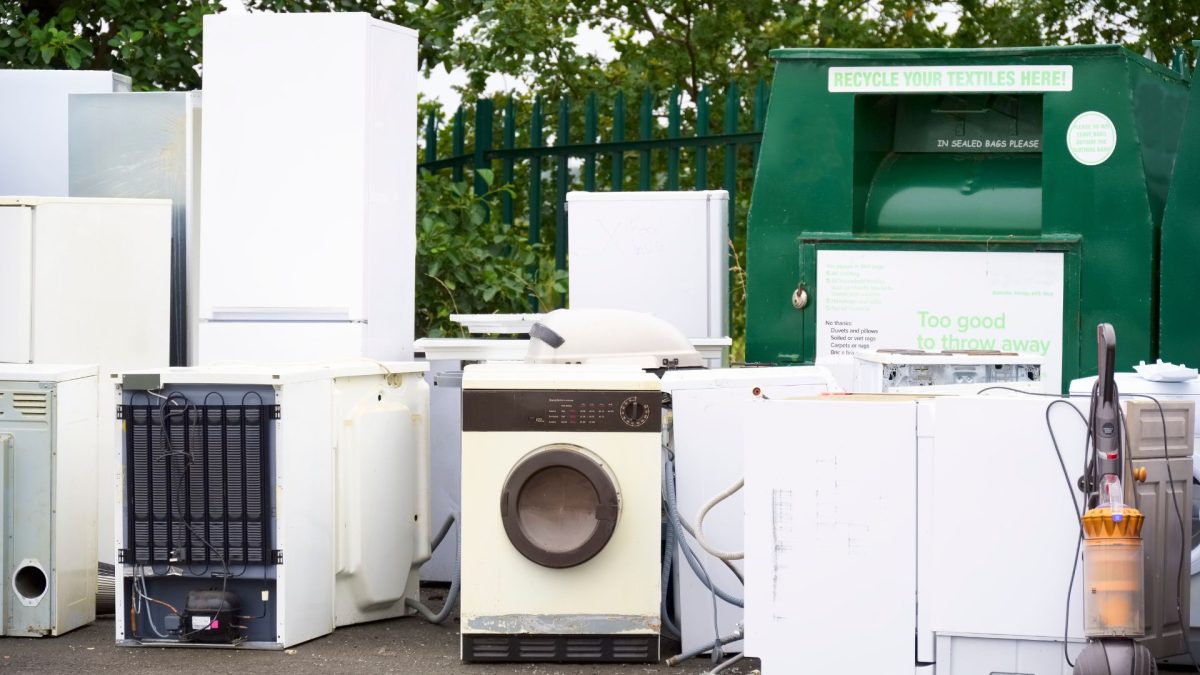
Removing large appliances from your home can feel like navigating a complex puzzle. These items are often bulky, heavy, and awkwardly shaped, making it difficult to maneuver them without risking damage to your floors, walls, or even your body. The first step in a safe appliance removal process is assessing the size, weight, and type of each appliance. From refrigerators and washers to ovens and dryers, knowing exactly what you’re dealing with helps you plan the removal effectively. Planning also means considering the route from the appliance to the exit, checking for narrow hallways, tight corners, or staircases that could complicate the process. Understanding these challenges upfront reduces stress and prevents unnecessary accidents.
Safety equipment plays a crucial role in this process. Wearing gloves, sturdy footwear, and back support can prevent injuries, while tools like dollies, straps, and sliders help distribute weight evenly. Another often overlooked aspect is ensuring that appliances are disconnected properly from electricity, gas, or water lines. Failing to do so could result in electrical shocks, water damage, or gas leaks. By taking the time to prepare, you protect both your home and yourself while making the removal process smoother and more predictable.
Preparing Your Appliances for Removal
Before moving an appliance, preparation is essential. Emptying all contents, including food, water, or detergents, reduces weight and eliminates the risk of spills. For refrigerators and freezers, defrosting and cleaning the interior prevents water damage and keeps your home hygienic. Securing loose parts such as shelves, trays, and removable doors is also critical, as these components can shift and cause injuries during transport. By carefully preparing your appliances, you ensure that the removal process is safer and more efficient.
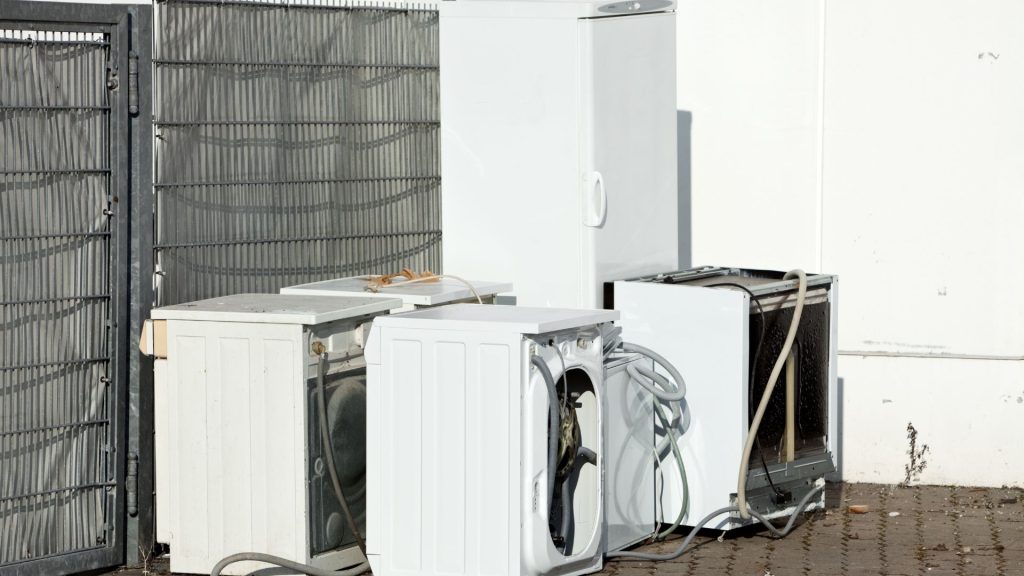
Proper labeling is another helpful technique. Noting which appliances require special handling, such as gas stoves or water heaters, alerts anyone helping you to use extra caution. Planning for disposal or recycling is equally important. Many local facilities accept old appliances for recycling, but some require specific preparation, such as draining refrigerants from air conditioners or removing batteries from electronic devices. Taking these steps reduces environmental impact while simplifying the logistics of disposal. Preparation transforms what could be a hazardous task into a manageable and responsible process.
Using the Right Tools and Equipment
Having the right equipment makes a world of difference in safely removing appliances. Appliance dollies, moving straps, and sliders help you navigate tight spaces while maintaining balance and control. These tools reduce strain on your back and minimize the risk of dropping the appliance, protecting both the item and your home. In addition, securing appliances to a dolly with straps ensures they don’t tip or fall during transport, which is especially important for refrigerators or large washers.
Other helpful tools include furniture blankets, which protect both walls and appliances, and work gloves to maintain grip. For larger appliances, having multiple people to assist can prevent accidents and distribute weight evenly. Even with proper equipment, careful planning is essential. Map the route, remove obstacles, and measure doorways and staircases to ensure appliances can pass through safely. With the right tools and strategy, moving large appliances becomes far less intimidating and reduces the likelihood of injury or damage.
Disconnecting Appliances Safely
Properly disconnecting appliances is a vital step in the removal process. Each appliance type has its own requirements. Refrigerators and freezers should be unplugged and allowed to defrost, while washing machines need hoses detached carefully to avoid water spills. For gas-powered appliances, turning off the gas supply and checking for leaks is essential. Incorrect disconnection can cause injury or even property damage, so taking time to follow proper procedures is critical.
Using the correct tools such as wrenches, pliers, and screwdrivers ensures that connections are safely removed without causing damage. Labeling cords, hoses, and parts can make reinstallation easier and more organized. Additionally, consider having a helper to hold heavy connections steady while you work on the appliance. By focusing on safety and methodical disconnection, you reduce risks significantly while keeping the removal process efficient and controlled.
Maneuvering Appliances Through Tight Spaces
Navigating appliances through doorways, hallways, and staircases is one of the trickiest aspects of removal. Planning your path beforehand is essential. Measure doorways and corridors to make sure appliances will fit and clear obstacles such as rugs, furniture, or railings. Using appliance dollies or sliders allows you to move heavy items with better control and reduces the risk of damage to your floors or walls.
For stairs, extra caution is necessary. Appliances should be tilted carefully and moved with the assistance of at least one other person. Communication is crucial to ensure coordinated movement, especially when visibility is limited. Protecting floors and walls with blankets or cardboard can prevent scratches or dents. By combining proper planning, teamwork, and protective measures, moving even the heaviest appliances can be accomplished safely and efficiently.
Protecting Your Floors and Walls
Protecting your home is just as important as protecting yourself. Floors, walls, and door frames are vulnerable to scratches, dents, and scuffs during appliance removal. Using furniture blankets, moving pads, or cardboard sheets provides a buffer that safeguards surfaces from damage. This is especially necessary for hardwood floors, tile, or painted walls, where even minor impacts can leave lasting marks.
In addition to protective coverings, careful handling techniques help maintain the integrity of your home. Lifting appliances instead of dragging them reduces friction and prevents damage. Keeping a clear path and removing small obstacles ensures smooth movement without accidental collisions. These precautions not only preserve your property but also reduce stress during the removal process, making it safer and more efficient for everyone involved.
Recycling and Disposal Considerations
Responsible disposal of appliances is an important consideration in appliance removal. Many appliances contain materials that can be harmful if not handled properly, such as refrigerants, batteries, or heavy metals. Finding a certified recycling facility ensures that these materials are disposed of safely and in accordance with environmental regulations. This approach minimizes environmental impact and contributes to sustainability efforts.
Before disposal, check whether the appliance manufacturer or local recycling centers have specific requirements. Some programs accept appliances for free, while others may charge a small fee for safe disposal. Donating functional appliances is another environmentally conscious option, helping someone in need while preventing unnecessary waste. By considering recycling and disposal from the start, you ensure a responsible and eco-friendly removal process that aligns with sustainable practices.
Hiring Professional Help
Sometimes, professional assistance is the most practical option. Experts have the right tools, training, and experience to handle heavy appliances safely. They can manage disconnection, transportation, and disposal efficiently, reducing the risk of injury or damage. Professionals also navigate challenging spaces with ease, ensuring a smooth and stress-free removal experience.
Additionally, hiring a trusted service can save time and effort, allowing you to focus on other tasks. Many companies offer eco-friendly disposal options, ensuring your appliances are recycled or donated responsibly. Professionals can also handle bulky or awkward items that may be beyond the capacity of a typical homeowner. By enlisting experienced help, you not only safeguard your home and yourself but also streamline the entire appliance removal process.
Planning for Appliance Transport
Planning transport is a critical aspect of removal. Ensuring the appliance will fit in your vehicle or the moving truck is crucial, as is securing it to prevent tipping or damage. Wrapping appliances with blankets or protective padding keeps them safe during transport and prevents scratches or dents.
Considering the weight distribution and proper placement in the vehicle minimizes the risk of tipping over. Using tie-down straps or bungee cords helps keep appliances stable while driving. For larger appliances, professional transport services may be the best solution, providing the proper equipment and expertise to move heavy items safely. Careful planning ensures the journey from your home to the disposal or recycling center is smooth and secure.
Safety Precautions During Appliance Removal
Safety should always be the top priority. Wearing protective gear, using proper lifting techniques, and having a clear path are essential measures. Avoid rushing the process, as haste increases the likelihood of accidents. Keeping emergency contact information handy is also a wise precaution.
Pay attention to the weight and balance of the appliance at all times. If it feels too heavy or unstable, wait for assistance rather than risking injury. Communicate clearly with anyone helping you, ensuring coordinated movements to prevent mishaps. By prioritizing safety at every step, you protect yourself, others, and your home while making the appliance removal process efficient and controlled.
Conclusion
Removing appliances safely requires careful planning, proper tools, and a focus on safety. From disconnection to transport, each step must be handled with care to prevent injury and property damage. Preparing appliances, protecting your home, and considering recycling or donation options are all essential components of a successful removal process. For complex or bulky items, professional assistance can ensure efficiency, safety, and responsible disposal.
For residents in Palatine, IL, 24-7 Junk Removal offers expert junk removal services that handle appliances of all types. Their experienced team provides safe, reliable, and eco-friendly disposal while protecting your home and property. To schedule service or get more information, call (773) 309-6966. Their office is located at 611 W. Wise Schaumburg, IL 60193, and you can also reach them via email at support@24-7junk.com. Choosing professional help makes appliance removal seamless, stress-free, and environmentally responsible.