

Commercial junk is more than just clutter. It’s the unseen buildup of outdated equipment, broken fixtures, and worn-out supplies that quietly eat away at workspace efficiency. Many business owners underestimate how much impact accumulated junk can have on productivity and image. When a warehouse or office space becomes overrun with unused materials, it doesn’t just look chaotic—it affects workflow and energy within the environment. Proper disposal keeps spaces functional, ensuring every square foot contributes to operations rather than waste.
What’s often overlooked is how responsible disposal plays into environmental responsibility. Tossing items into the nearest dumpster may seem convenient, but commercial waste frequently includes materials that need careful handling—electronics, metals, plastics, or office furniture with mixed components. Businesses that take the time to handle junk the right way send a message: they care about sustainability and professionalism. Responsible disposal isn’t just cleaning up; it’s a reflection of how a business operates at its core.
Sorting and Categorizing Commercial Waste Before Disposal
Before any hauling begins, sorting is the first and most critical step. Every business generates different forms of waste—electronics, construction debris, old furniture, outdated signage, packaging, or unused supplies. Sorting helps determine what can be recycled, repurposed, or must be safely discarded. When materials are mixed, recycling centers and disposal facilities may reject entire loads, leading to higher costs and wasted effort. By organizing junk into clear categories, companies streamline the process and ensure nothing ends up in the wrong place.

This step also makes it easier to identify items that might have value elsewhere. For example, gently used furniture can be donated, while scrap metal can be sold or recycled. Even outdated electronics may have parts worth salvaging. Taking the time to separate junk from potential resources prevents unnecessary waste. Sorting isn’t glamorous, but it’s the foundation of efficient junk disposal—one that transforms an overwhelming task into a manageable, environmentally conscious process.
Recognizing Hazardous Materials and Handling Them Safely
Commercial junk disposal often involves more than just paper and broken desks. Many workplaces unknowingly store hazardous materials—old cleaning chemicals, batteries, fluorescent bulbs, paints, or solvents. These items can’t simply be tossed into regular trash. They contain substances that could harm the environment or cause safety hazards when mishandled. Recognizing these materials early prevents contamination and protects workers handling the disposal process.
Once identified, hazardous items should be separated and handled according to local regulations. Specialized disposal centers are equipped to deal with chemical waste and electronic components safely. Labeling and sealing containers properly also help avoid spills or exposure during transport. Businesses that train employees to identify and manage these materials not only protect their staff but also comply with environmental standards. Proper hazardous waste management is a crucial element in maintaining workplace safety and community responsibility.
Utilizing Recycling Facilities for Commercial Items
Recycling isn’t limited to household items. Commercial operations produce massive quantities of materials—cardboard, glass, metal, and electronics—that can all be reintroduced into the production cycle. Instead of filling landfills, these materials can be transformed into new products. Recycling commercial junk reduces environmental impact while also cutting disposal costs. Many facilities even offer rebates or credits for bulk recyclable materials, making sustainability both responsible and cost-effective.
However, recycling correctly requires awareness. Items must be clean, sorted, and compatible with the recycling center’s accepted materials. Electronic waste, for instance, may need specialized facilities that handle data destruction and component breakdowns. By partnering with recycling centers or certified junk removal providers, businesses ensure that reusable items find their way back into circulation rather than waste. Recycling commercial junk turns what was once clutter into a resource—an approach that benefits both the company and the planet.
Donating Usable Office Furniture and Equipment
One of the most effective ways to handle commercial junk is through donation. Office furniture, computers, and fixtures often outlast their original purpose. While a company may upgrade to newer models or adopt a fresh design, many of these older items are still perfectly usable. Donating them to charities, schools, or local organizations prevents waste while helping communities in need. It’s a simple step that reflects social responsibility and creates a positive public image.
The donation process requires planning and coordination. Items should be inspected to ensure they are in working condition, cleaned, and ready for pickup or drop-off. Some non-profits may even provide collection services for bulk donations. By diverting usable goods from disposal streams, businesses contribute to a cycle of reuse and sustainability. What was once considered junk can easily become valuable to someone else. In the end, donation represents both efficiency and empathy in commercial waste management.
Partnering with Professional Junk Removal Services
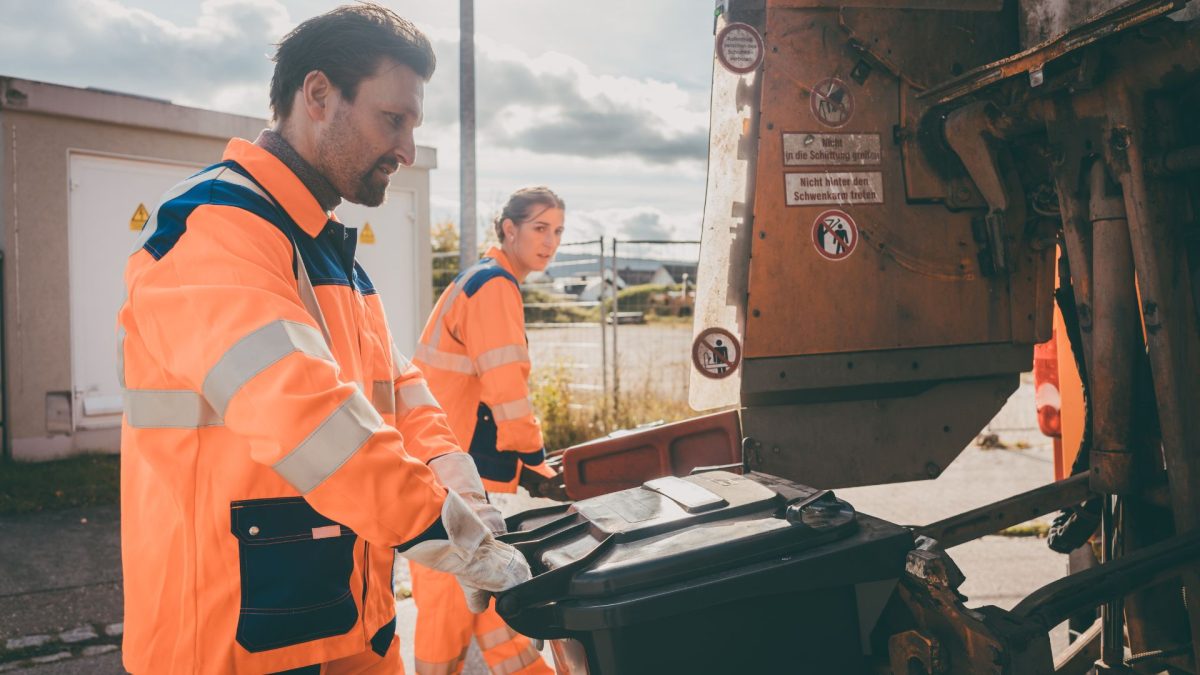
Managing large-scale commercial junk removal can be overwhelming for internal teams. Between sorting, lifting, and hauling, the process can disrupt normal operations. Partnering with professional junk removal services simplifies this challenge. These teams are trained to handle heavy items, large volumes, and complex waste categories with precision. They understand how to dispose of materials in compliance with local regulations, reducing the risk of fines or environmental violations.
Professional services also provide efficiency and peace of mind. With trucks, equipment, and manpower ready, they can clear out spaces in hours rather than days. Many companies also emphasize eco-friendly disposal, ensuring recyclable and reusable materials are handled responsibly. Outsourcing junk removal allows businesses to stay focused on their core operations while ensuring every discarded item is managed properly. It’s not just about convenience—it’s about getting the job done safely, quickly, and responsibly.
Scheduling Regular Cleanouts to Prevent Junk Accumulation
Commercial junk doesn’t appear overnight. It builds up over time—boxes tucked in corners, unused devices collecting dust, old signage stacked in storage. The longer businesses wait, the harder it becomes to manage. Implementing a regular cleanout schedule prevents this buildup and keeps spaces functional year-round. Scheduled maintenance ensures that junk never reaches overwhelming levels, keeping offices, warehouses, and retail areas organized and safe.
Regular cleanouts also encourage a culture of efficiency. Employees become more mindful about what they keep or discard, reducing waste generation in the long run. Whether done quarterly or biannually, routine junk removal saves time, improves aesthetics, and boosts morale. An uncluttered workspace reflects professionalism and focus, giving clients and staff alike a sense of order. Preventive disposal isn’t just about tidiness—it’s a strategy for maintaining productivity and balance in a constantly evolving business environment.
Understanding Local Regulations for Commercial Waste Disposal
Every municipality has its own set of rules regarding waste disposal. Commercial junk isn’t exempt from these regulations, and failure to comply can result in hefty fines or penalties. From electronic waste restrictions to construction debris policies, understanding what’s allowed and where to dispose of it properly is vital. Businesses must familiarize themselves with these local guidelines before initiating a large-scale cleanout.
Compliance goes beyond legal obligations—it’s part of operating responsibly. Working with disposal facilities or professional removal teams familiar with local codes ensures everything is handled correctly. Proper documentation of disposal activities also helps in case of audits or inspections. By aligning operations with regional waste management laws, companies demonstrate accountability. Following regulations protects both the environment and the reputation of the business, proving that ethical disposal is as much about integrity as it is about cleanliness.
Implementing Eco-Friendly Disposal Practices
Sustainability has become a central value for modern businesses, and commercial junk disposal plays a major role in that commitment. Eco-friendly practices include recycling, repurposing materials, and reducing landfill contributions. Many companies are now adopting green policies that guide how they dispose of unwanted items. From choosing biodegradable packaging to donating old office materials, every small step contributes to a more sustainable future.
Using eco-friendly junk disposal isn’t only beneficial for the planet—it strengthens a company’s brand identity. Clients and employees notice when a business makes conscious environmental choices. It reflects care, forward-thinking, and a sense of responsibility. Incorporating green disposal habits doesn’t require massive changes; it begins with mindful actions such as sorting recyclables and partnering with eco-conscious removal services. Sustainability through responsible junk disposal enhances a company’s reputation while contributing to long-term environmental preservation.
Maximizing Efficiency Through Strategic Junk Management
Efficient junk management begins with organization and foresight. Businesses that integrate disposal planning into their operational strategy save time and money. Instead of reacting to clutter after it becomes unmanageable, they take proactive steps—designating storage areas, tracking waste types, and scheduling removals at optimal times. This approach reduces downtime and maintains operational flow during cleanouts.
Strategic junk management also helps optimize space. When inventory areas, offices, or warehouses are free of clutter, workflow improves. Equipment becomes more accessible, safety risks decrease, and productivity rises. Having a clear junk management plan transforms disposal from a stressful task into a seamless routine. It’s not just about throwing things away—it’s about creating a system that sustains organization and efficiency over time. Smart disposal planning empowers businesses to stay focused, productive, and ready for growth.
Conclusion
Proper commercial junk disposal isn’t just about removing what’s no longer needed—it’s about maintaining order, safety, and environmental responsibility within every corner of a business space. From sorting and recycling to partnering with professionals and adhering to local regulations, every step contributes to a cleaner, more efficient workplace. When handled thoughtfully, junk removal supports productivity, protects the planet, and enhances a company’s overall image. A business that invests in proper disposal practices invests in its own long-term success.
For those in need of dependable and eco-conscious junk removal services, 24-7 Junk Removal in Palatine, IL stands ready to assist. Located at 611 W. Wise Schaumburg, IL 60193, the team specializes in efficient, responsible, and affordable solutions tailored to commercial needs. Whether it’s an office cleanout, warehouse declutter, or large-scale removal, they make disposal seamless. Reach out via support@24-7junk.com or call (773) 309-6966 for prompt assistance and reliable service that keeps your business space clean, compliant, and ready for what’s next.