

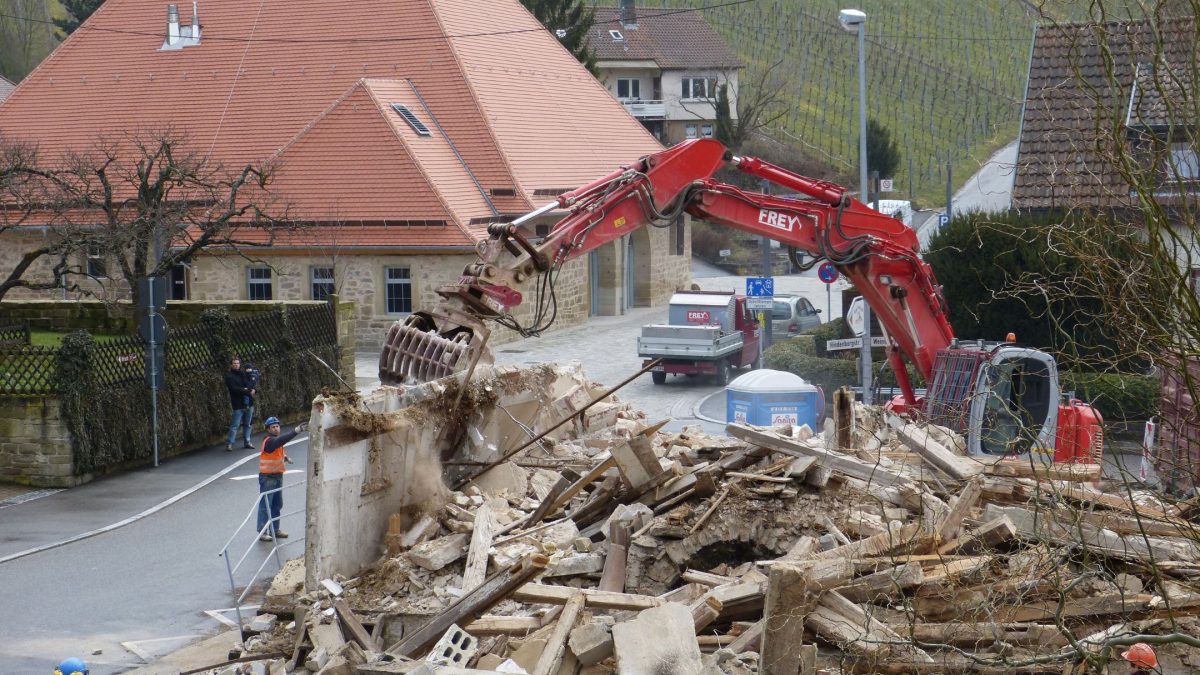
Before the first swing of the sledgehammer, having a solid plan can save hours of frustration. Begin by assessing the scope of the demolition, identifying areas where debris will accumulate, and deciding on disposal strategies. Clear communication with your team about roles and responsibilities ensures that no one is left guessing. Mapping out zones for recyclable materials, hazardous waste, and general debris can create a smoother workflow. Planning also involves ensuring that you have the right protective gear, tools, and containers ready to handle the mess efficiently.
In addition, consider the timing of your cleanup. Starting at a pace that balances safety and productivity allows for fewer errors and accidents. Scheduling the disposal runs and pickup times ahead of time prevents unnecessary delays. The more thought you put into the setup, the less chaotic the demolition becomes. By anticipating challenges, such as tight spaces or heavy materials, you can preemptively solve problems rather than reacting to them on the spot. This proactive approach keeps the process streamlined and reduces stress throughout the cleanup.
Separate Materials for Efficient Disposal
Separating materials as they come down from walls, floors, or fixtures significantly reduces the time and effort required later. Wood, metal, drywall, and electronics each require specific handling and disposal methods. By creating designated piles or bins for each type, you can ensure that recyclable or reusable items are sorted appropriately and hazardous materials are managed safely. This approach not only supports sustainability but also makes the actual removal faster and more organized.
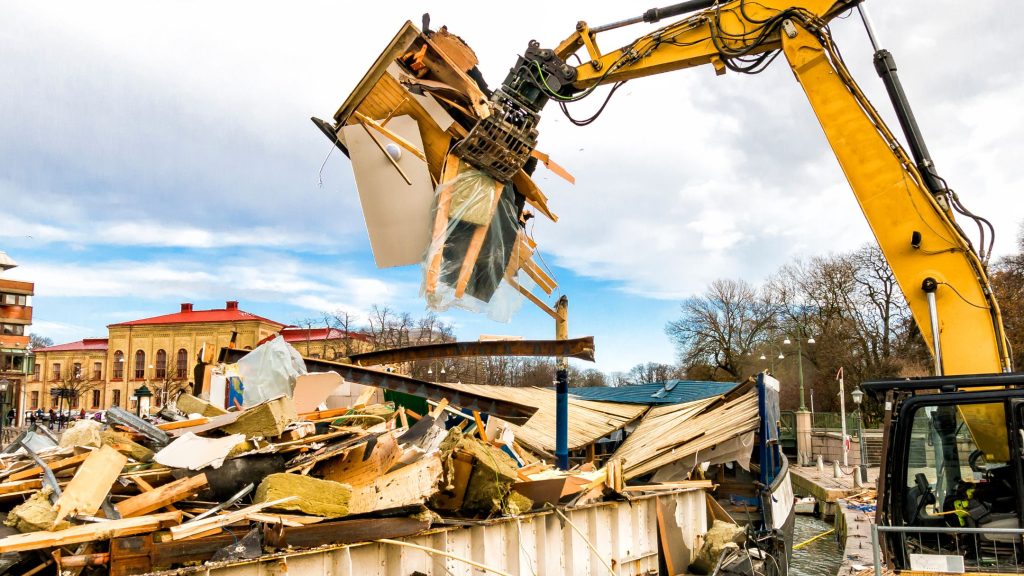
Furthermore, labeling each pile clearly helps prevent confusion among team members. When everyone knows exactly where each type of debris belongs, the workflow becomes intuitive, minimizing the risk of cross-contamination or misplaced items. Efficient separation also allows for better use of space in dumpsters or haul-away containers, reducing trips and saving on costs. A methodical approach to sorting materials transforms what might feel like an overwhelming mess into a manageable, structured process.
Ensure Safety Protocols Are in Place
Safety cannot be overlooked during demolition cleanup. Protective equipment such as gloves, goggles, and steel-toed boots is essential to prevent injuries from sharp edges or falling debris. Setting up clear safety guidelines and communicating them to all participants helps maintain a secure environment. Keep fire extinguishers, first aid kits, and emergency contacts readily accessible in case of unexpected incidents.
Establishing designated walkways and keeping pathways clear prevents trips and collisions. If heavy machinery or tools are involved, ensure that only trained personnel operate them. Safety protocols extend to monitoring the structural integrity of the space being demolished, especially if walls or ceilings are unstable. By prioritizing safety from the outset, you protect your team, reduce downtime from accidents, and create an environment where the cleanup can progress efficiently without unnecessary hazards.
Gather the Right Tools and Equipment
Having the appropriate tools for demolition cleanup makes the process faster and less physically demanding. Essential items might include shovels, brooms, dustpans, heavy-duty trash bags, and containers for recyclables. For larger jobs, wheelbarrows, dollies, and hand trucks can make moving debris more manageable. The right equipment allows your team to tackle the work efficiently while minimizing strain and potential injuries.
Additionally, consider using protective coverings for floors and surfaces that should remain intact. This prevents secondary damage and reduces cleanup time afterward. Inspect tools before use to ensure they are in good condition and suitable for the task at hand. By preparing a well-equipped workspace, you can maintain momentum throughout the demolition cleanup, keeping the project on track and minimizing interruptions caused by missing or inadequate equipment.
Schedule Waste Removal Services
Incorporating professional waste removal services into your plan can greatly simplify the cleanup process. Companies that specialize in debris removal can handle large volumes of material, transport them safely, and dispose of them responsibly. Coordinating with these services ahead of time ensures that containers are available when needed, preventing delays caused by overflowing piles or insufficient capacity.
Scheduling also allows you to align pickup times with the pace of your demolition. By anticipating when debris will be ready for removal, you avoid last-minute scrambles and maintain a steady workflow. Professional services can also assist with separating recyclables and hazardous materials, ensuring compliance with local regulations. This approach saves time, reduces physical labor, and allows your team to focus on completing the demolition rather than managing logistics.
Designate a Debris Collection Area
Setting up a central location for debris collection helps streamline the cleanup process. Choose a spot that is easily accessible yet out of the way of ongoing work. This area serves as a temporary holding zone where materials can be sorted and prepared for disposal or recycling. It prevents scattered debris from slowing down progress or creating safety hazards in active work areas.
Organizing this space effectively involves providing separate containers or sections for different types of debris. Clear signage or labeling enhances efficiency, allowing team members to deposit items without confusion. A well-maintained collection area minimizes unnecessary handling, reducing the time and effort needed to transport materials to dumpsters or haul-away services. This thoughtful setup keeps the worksite organized and fosters a more productive demolition cleanup environment.
Manage Hazardous Materials Properly
Handling hazardous materials safely is a critical aspect of demolition cleanup. Items such as asbestos, lead paint, chemicals, and certain electronics require specialized disposal methods to prevent environmental contamination and health risks. Identify and segregate these materials early in the process to avoid accidental exposure. Use appropriate containers, protective gear, and follow local regulations for disposal.
Training your team on proper handling procedures ensures that everyone is aware of the risks and mitigation strategies. Labeling hazardous materials clearly and keeping them separate from general debris prevents cross-contamination. Engaging professional services for certain hazardous items can also provide peace of mind, knowing that disposal is compliant and safe. Effective management of these materials not only protects your team but also contributes to a responsible and environmentally conscious cleanup.
Maintain Cleanliness Throughout the Process
Rather than waiting until the end, incorporate cleaning into your daily demolition routine. Regularly sweeping and removing smaller debris prevents accumulation, which can slow progress and create hazards. Keeping the worksite tidy enhances efficiency, allowing team members to move freely and focus on the task at hand. A clean environment also reduces the likelihood of damage to salvageable materials or tools.
Establish a schedule for interim cleaning breaks, ensuring that debris does not pile up in active areas. Encourage team members to take responsibility for their zones, fostering accountability and a shared sense of organization. Maintaining cleanliness not only supports safety but also improves morale and workflow. By integrating cleanup into each stage of demolition, the process remains manageable and less overwhelming, ultimately leading to a smoother overall operation.
Coordinate with Team Members Effectively
Clear communication among team members is essential for a smooth demolition cleanup. Use regular check-ins to discuss progress, address challenges, and adjust plans as needed. Assign specific tasks and ensure that everyone understands their responsibilities to avoid confusion and overlapping efforts. Coordination helps maintain momentum and ensures that debris management is consistent across the worksite.
In addition, fostering an environment where questions and concerns can be voiced encourages collaboration and problem-solving. Visual cues, signage, and simple workflow charts can enhance understanding and reduce errors. When everyone is on the same page, the team operates more efficiently, minimizing delays and keeping the cleanup organized. Effective coordination transforms a potentially chaotic demolition into a structured and manageable process.
Keep Track of Waste and Disposal Documentation
Documenting waste removal throughout the demolition ensures accountability and regulatory compliance. Maintain records of the types and quantities of debris removed, including recyclables and hazardous materials. This information can be useful for reporting purposes, budget tracking, or verifying that items were disposed of responsibly.
Using checklists and tracking sheets allows the team to monitor progress and confirm that nothing is overlooked. Keeping accurate records also facilitates communication with professional removal services, ensuring they are aware of the volume and type of debris to be handled. By systematically documenting waste and disposal, you enhance transparency, streamline the cleanup process, and provide a reliable reference for future projects.
Evaluate and Improve Cleanup Processes
After completing the demolition, take time to evaluate the cleanup process. Reflect on what went smoothly and identify areas where efficiency could be improved. Collect feedback from team members regarding tools, communication, and debris handling. This evaluation helps refine methods for future projects, reducing frustration and enhancing productivity over time.
Incorporating lessons learned allows you to adjust planning, safety protocols, and equipment choices for subsequent cleanups. Continuous improvement ensures that each demolition project becomes progressively easier and more organized. By reviewing and refining your approach, you foster a culture of efficiency and responsibility, making future demolition cleanup efforts faster, safer, and more effective.
Conclusion
Organizing your demolition cleanup effectively requires careful planning, attention to safety, and coordination with your team. By separating materials, maintaining cleanliness, and utilizing professional services, the process becomes far more manageable. Allocating proper tools and establishing a debris collection area ensures a structured approach that minimizes delays and hazards. Keeping track of hazardous materials and documenting disposal practices further supports a smooth and responsible cleanup process.
For reliable assistance with junk removal in Palatine, IL, consider contacting 24-7 Junk Removal. Their team provides professional, eco-friendly services to handle debris and waste efficiently. With expertise in both residential and commercial cleanup, they ensure your demolition project remains on schedule while adhering to safety and environmental standards. Reach out to 24-7 Junk Removal at (773) 309-6966 or visit their office at 611 W. Wise Schaumburg, IL 60193 for comprehensive support. Their commitment to professional service makes your cleanup seamless, stress-free, and organized, allowing you to focus on completing your renovation successfully.