

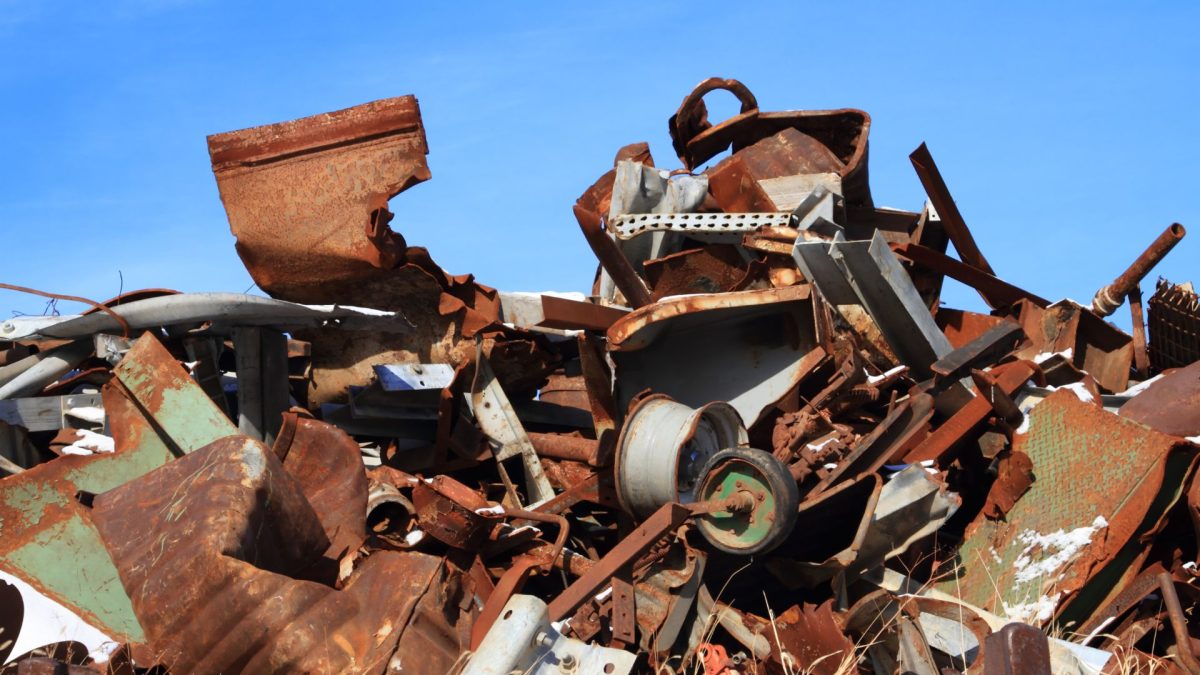
In today’s world, where landfills are rapidly reaching their capacity, finding effective methods to reduce the amount of waste is crucial. One significant yet often overlooked contributor to landfill waste is scrap metal. Items such as old appliances, vehicles, and construction debris, when discarded improperly, occupy substantial space in landfills. However, through efficient scrap metal removal and recycling, a considerable portion of this waste can be diverted, leading to a more sustainable environment.
Scrap metal removal involves the collection and processing of discarded metal items to be reused in manufacturing new products. This process not only alleviates the pressure on landfill spaces but also conserves natural resources. Metals like aluminum, copper, and steel can be recycled indefinitely without degrading in quality, making them ideal candidates for recycling. By removing scrap metal from waste streams, we ensure that valuable materials are repurposed, reducing the need for virgin resources and minimizing environmental impact.
The Environmental Impact of Scrap Metal in Landfills
When metal items are disposed of in landfills, they do not decompose like organic materials. Instead, they remain intact for centuries, occupying valuable space and potentially releasing harmful substances into the environment. For instance, metals like lead and mercury can leach into the soil and water, posing significant health risks to humans and wildlife. The accumulation of such metals in landfills contributes to soil and water contamination, highlighting the importance of proper disposal methods.
Moreover, the extraction and processing of new metals require substantial energy and resources. By recycling scrap metal, we reduce the demand for new metal production, leading to lower energy consumption and decreased greenhouse gas emissions. This not only conserves natural resources but also mitigates the adverse effects of mining and manufacturing processes on the environment.
Benefits of Scrap Metal Removal for Landfill Reduction
Engaging in scrap metal removal offers numerous benefits that extend beyond reducing landfill waste. One of the primary advantages is the conservation of natural resources. Recycling metals reduces the need for mining, which is an energy-intensive process that can lead to habitat destruction and pollution. By reusing metals, we preserve ecosystems and reduce the environmental footprint associated with raw material extraction.
Additionally, recycling scrap metal saves energy compared to producing new metals. For example, recycling aluminum saves up to 95% of the energy required to create new aluminum from bauxite ore. This energy savings translates into fewer carbon emissions, contributing to the fight against climate change. Furthermore, recycling metals supports the economy by creating jobs in the recycling industry and reducing the costs associated with waste disposal.
The Role of Scrap Metal Removal in Circular Economy
The concept of a circular economy revolves around minimizing waste and making the most of resources. Scrap metal removal plays a pivotal role in this model by ensuring that metals are reused rather than discarded. When metal items are collected and recycled, they are transformed into raw materials for new products, closing the loop in the production process.
This approach not only reduces the strain on landfill sites but also decreases the environmental impact of manufacturing. By continuously recycling metals, we create a sustainable cycle where resources are perpetually reused, leading to a significant reduction in waste and a more sustainable future.
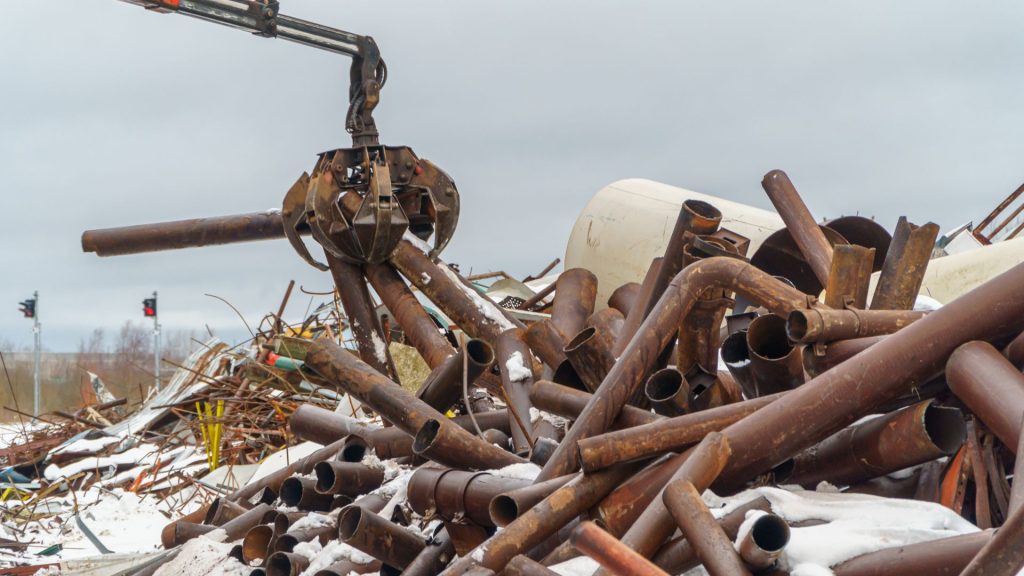
Challenges in Scrap Metal Disposal
Despite the clear benefits, improper disposal of scrap metal remains a significant issue. Many individuals and businesses continue to discard metal items in landfills, unaware of the environmental consequences. Additionally, some metals, such as those containing hazardous substances, require special handling to prevent contamination.
To address these challenges, it is essential to raise awareness about the importance of proper scrap metal disposal. Public education campaigns, accessible recycling facilities, and incentives for recycling can encourage more people to participate in scrap metal removal programs. By overcoming these challenges, we can significantly reduce the amount of metal waste entering landfills.
The Economic Advantages of Scrap Metal Recycling
Beyond environmental benefits, scrap metal recycling offers economic advantages. The process of recycling metals generates revenue through the sale of recycled materials, which can offset the costs of waste management. Businesses that engage in scrap metal removal can also reduce their waste disposal fees, leading to cost savings.
Moreover, the recycling industry creates jobs in various sectors, including collection, sorting, processing, and selling recycled metals. These employment opportunities contribute to the economy and support community development. By investing in scrap metal removal programs, communities can foster economic growth while promoting environmental sustainability.
Technological Advances in Scrap Metal Recycling
Advancements in technology have significantly improved the efficiency of scrap metal recycling. Modern sorting and processing equipment allows for the rapid separation of different metals, ensuring that each type is recycled appropriately. Innovations such as automated shredders and magnetic separators have streamlined the recycling process, making it more cost-effective and less labor-intensive.
These technological improvements have also enhanced the quality of recycled metals, making them more suitable for manufacturing new products. As technology continues to evolve, the potential for increased recycling rates and reduced landfill waste grows, paving the way for a more sustainable future.
Community Involvement in Scrap Metal Removal
Community participation is crucial in the success of scrap metal removal initiatives. Local recycling programs, collection events, and educational workshops can engage residents and businesses in recycling efforts. By fostering a culture of sustainability, communities can work together to reduce landfill waste and promote environmental stewardship.
Additionally, community involvement can lead to the discovery of innovative solutions to recycling challenges. Local knowledge and collaboration can drive the development of effective strategies for scrap metal removal, ensuring that recycling efforts are tailored to the specific needs of the community.
Government Policies Supporting Scrap Metal Recycling
Government policies play a vital role in promoting scrap metal recycling and reducing landfill waste. Regulations that mandate recycling, provide incentives for recycling businesses, and establish penalties for improper disposal can encourage more widespread participation in scrap metal removal programs.
Furthermore, governments can invest in infrastructure that supports recycling, such as establishing accessible collection centers and providing funding for research into recycling technologies. By implementing supportive policies, governments can facilitate the transition toward a more sustainable and circular economy.
Conclusion
In conclusion, scrap metal removal is a critical component in reducing the amount of waste in landfills. By diverting metal items from disposal sites, we conserve natural resources, save energy, and decrease environmental pollution. The benefits extend beyond environmental conservation, offering economic advantages and supporting the principles of a circular economy.
For residents and businesses in Palatine, IL, seeking professional junk removal services, consider reaching out to 24-7 Junk Removal. Located at 611 W. Wise, Schaumburg, IL 60193, they offer efficient and eco-friendly junk removal solutions. Contact them at (773) 309-6966 or via email at support@24-7junk.com to schedule a pickup and contribute to a cleaner, more sustainable community.