

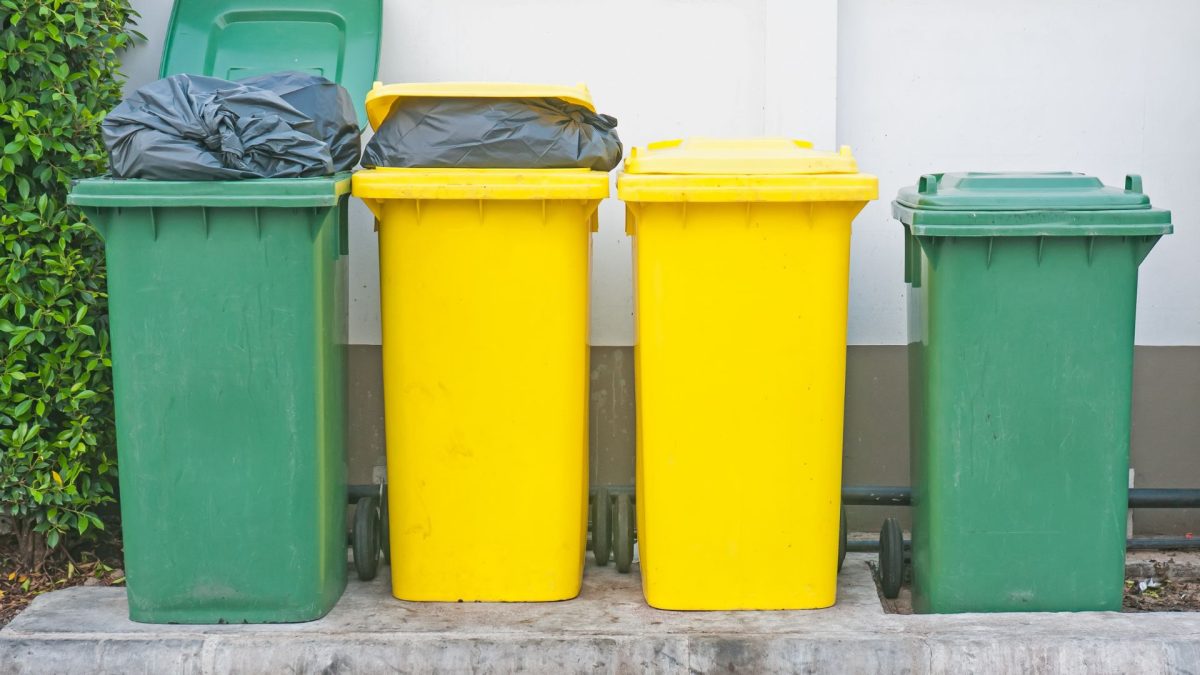
Recycling junk plays a crucial role in conserving the earth’s finite resources. When materials like metals, plastics, and paper are recycled instead of discarded, fewer raw materials need to be extracted from the environment. This reduces the depletion of forests, minerals, and water reserves, creating a healthier balance for ecosystems. The process of recycling converts waste into usable materials, giving items a second life instead of letting them occupy landfills for decades. This transformation ensures that the raw energy and effort invested in manufacturing the original product are not lost and can be repurposed efficiently.
The positive impact of recycling extends beyond resource conservation. By diverting waste from landfills and processing it into new products, communities reduce the demand for energy-intensive production. Mining, logging, and refining raw materials consume enormous amounts of energy, water, and labor. Recycling provides a sustainable alternative that reduces greenhouse gas emissions while maintaining the integrity of natural landscapes. By supporting recycling practices, individuals and businesses contribute to a cycle that honors resources already in use, reduces environmental strain, and establishes a path toward sustainable development and responsible consumption for future generations.
Reducing Energy Consumption Through Reuse
The process of recycling junk significantly lowers the energy required for producing new materials. Creating products from recycled metals consumes a fraction of the energy needed compared to extracting and refining ores. Similarly, paper and plastic production from recycled sources dramatically cuts energy consumption by reducing the need for extensive chemical treatments and raw material processing. Each item that is recycled carries with it embedded energy from its initial production, and reusing it means that energy is not wasted, offering an environmentally responsible choice for households and businesses alike.
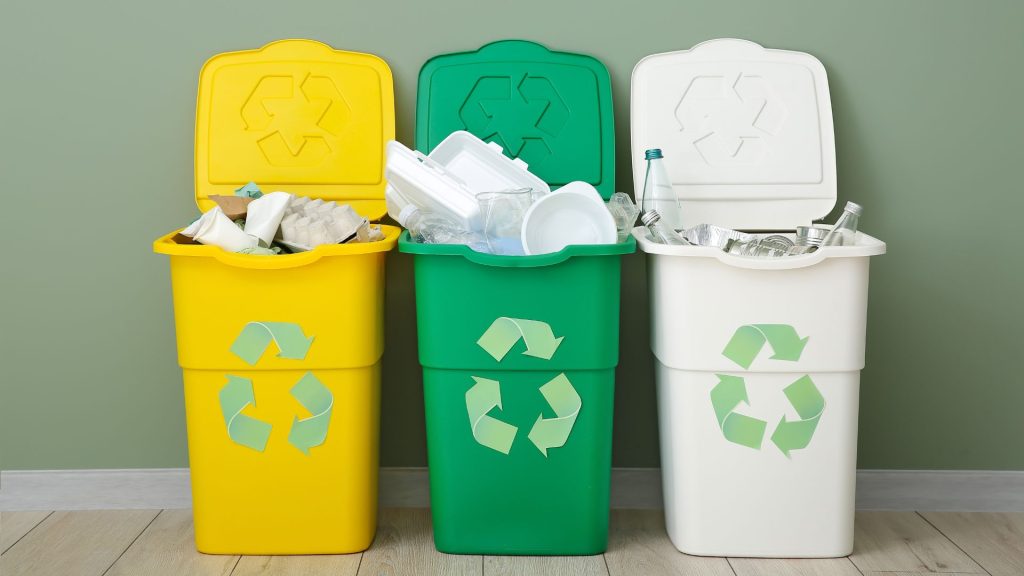
Energy reduction through recycling is not only an environmental concern but also a practical benefit for society. Energy-intensive industries rely heavily on electricity and fuel, so minimizing production from virgin materials eases demand pressures and reduces carbon footprints. Recycling initiatives promote the efficient use of resources, ensuring energy is applied where it is most needed and creating a ripple effect across multiple sectors. Through these efforts, communities can witness tangible improvements in energy efficiency while reinforcing the importance of turning waste into valuable input, proving that sustainable actions directly contribute to reducing energy demands and environmental impact.
Minimizing Landfill Waste Impact
One of the most visible benefits of recycling junk is the significant reduction in landfill waste. Landfills are not merely spaces for discarded items; they are complex ecosystems that pose environmental challenges such as soil contamination, methane emissions, and water pollution. By diverting recyclable materials from landfills, communities can mitigate these risks while creating more manageable and less hazardous waste disposal systems. Recycling transforms potential pollutants into reusable commodities, effectively reducing the environmental burden and improving local quality of life.
Reducing landfill usage also conserves physical space and prolongs the lifespan of existing disposal sites. As urban areas continue to expand, available land for new landfills becomes scarce and costly. Recycling allows communities to maximize the value of current waste management infrastructure while fostering a culture of environmental accountability. Additionally, reducing landfill dependence encourages innovation in waste processing technologies and material recovery systems. This approach nurtures a cycle of efficiency, turning items once considered trash into resources and significantly curbing the negative ecological consequences associated with unchecked landfill growth.
Conserving Water Through Responsible Recycling
Recycling junk contributes indirectly to conserving water, an often overlooked yet essential resource. The production of new materials such as paper, plastics, and metals typically involves substantial water usage for processes like washing, cooling, and chemical treatment. By recycling existing materials, these water-intensive stages are minimized or avoided entirely, resulting in a more sustainable and efficient use of water resources. This conservation is particularly vital in regions facing water scarcity, where industrial water consumption can strain natural ecosystems and local communities.
Water conservation through recycling also aligns with broader sustainability goals. Reducing the need for fresh water in production processes limits the release of harmful effluents into rivers, lakes, and oceans, thereby protecting aquatic life. Communities that adopt recycling practices indirectly safeguard drinking water quality and maintain the health of surrounding ecosystems. These efforts contribute to a comprehensive environmental strategy where every item recycled represents not only a reduction in solid waste but also a meaningful step toward preserving precious water resources for both humans and wildlife, demonstrating how recycling fosters a more balanced and resilient ecosystem.
Cutting Greenhouse Gas Emissions
Recycling junk directly reduces greenhouse gas emissions, a critical factor in mitigating climate change. Manufacturing products from raw materials typically involves extracting, transporting, and processing those materials, each stage releasing carbon dioxide and other greenhouse gases. Recycling eliminates much of this energy-intensive process by providing materials that are ready for reuse, thereby reducing the volume of emissions released into the atmosphere and promoting cleaner air. This practice plays a pivotal role in helping communities meet environmental targets and reduce their overall carbon footprint.
The reduction of greenhouse gases through recycling also has long-term global benefits. Every ton of metal, paper, or plastic recycled translates into significant decreases in emissions from power plants, manufacturing facilities, and transportation networks. These reductions contribute to slowing the pace of global warming while fostering a more sustainable industrial model. By prioritizing recycling, businesses and individuals collectively drive an energy-efficient economy that emphasizes environmental responsibility. In this sense, recycling is not just a local solution but a strategic action with worldwide implications, highlighting the power of mindful consumption and the recycling of junk to curb climate change.
Supporting Circular Economy Practices
Recycling junk reinforces the principles of a circular economy, a system designed to keep materials in use for as long as possible. Unlike the traditional linear approach of make, use, and dispose, a circular economy prioritizes recovery, reuse, and regeneration of products. Recycling transforms discarded items into raw materials, enabling new production cycles while reducing the need for fresh resource extraction. This approach not only extends the lifecycle of materials but also encourages sustainable consumption patterns and innovative design strategies that reduce waste from the outset.
A circular economy supported by recycling fosters economic and environmental resilience. By ensuring materials remain in productive use, businesses can reduce operational costs associated with raw material procurement, while society benefits from decreased environmental degradation. Recycling initiatives drive collaboration among manufacturers, consumers, and waste management providers, creating networks where resources are continuously recirculated. In essence, recycling junk helps establish a sustainable ecosystem where products are appreciated for their enduring value rather than their disposability, cultivating a culture of efficiency, responsibility, and long-term environmental stewardship.
Reducing Dependence on Nonrenewable Resources
Junk recycling lowers society’s reliance on nonrenewable resources such as metals, petroleum-based plastics, and fossil fuels. Extracting and processing these materials is not only energy-intensive but also environmentally disruptive, leading to habitat destruction, pollution, and resource depletion. By recycling items that would otherwise be discarded, communities can reduce their consumption of nonrenewable resources, contributing to a more balanced and sustainable approach to industrial and domestic needs. This shift is essential for protecting future generations from the consequences of resource scarcity.
Moreover, recycling encourages innovation in resource management and material recovery technologies. Industries are increasingly motivated to develop processes that maximize the use of recycled materials and minimize the need for virgin resources. This transformation creates a feedback loop where sustainable practices lead to greater efficiency, lower environmental impact, and stronger economic incentives for resource conservation. As individuals participate in recycling programs, they directly contribute to reducing global dependence on finite resources, illustrating how thoughtful waste management and junk recycling combine to protect natural reserves while supporting a cleaner, more sustainable future.
Stimulating Job Creation and Economic Growth
Recycling junk not only benefits the environment but also contributes to local economies by creating jobs and business opportunities. Recycling facilities, collection services, and materials processing centers employ workers in various capacities, from logistics to processing and management. This labor-intensive process stimulates employment while fostering skill development and supporting regional economic activity. By transforming waste into valuable resources, recycling contributes to both ecological and economic sustainability, demonstrating that environmental responsibility and economic growth can go hand in hand.
The economic advantages of recycling extend to businesses and households as well. Companies can reduce costs associated with raw material purchases by sourcing recycled materials, while communities benefit from the infrastructure and services developed to manage recyclable waste efficiently. Additionally, innovative business models focused on upcycling, repurposing, and recycling materials encourage entrepreneurship and sustainable market expansion. Recycling junk, therefore, is more than an ecological choice; it is a strategic investment in economic resilience and social wellbeing, bridging environmental stewardship with tangible financial benefits.
Encouraging Responsible Consumer Behavior
Recycling junk fosters a culture of responsibility among consumers, highlighting the importance of considering the lifecycle of products. When individuals and businesses commit to recycling practices, they become more mindful of consumption patterns, selecting products with durability, recyclability, or minimal environmental impact. This behavioral shift encourages sustainable habits that extend beyond waste disposal, influencing purchasing decisions, energy use, and long-term environmental awareness. By recycling, consumers take active steps to reduce their ecological footprint and contribute to a collective culture of sustainability.
The practice of recycling also instills a sense of accountability and community engagement. Knowing that discarded items can be transformed into useful materials motivates individuals to separate waste carefully and participate in local recycling programs. This engagement strengthens social responsibility while demonstrating the tangible impact of everyday actions. As recycling becomes normalized and expected behavior, communities can cultivate a shared commitment to preserving resources, reducing waste, and making environmentally conscious choices, illustrating how junk recycling plays a pivotal role in shaping sustainable consumer habits.
Enhancing Environmental Awareness and Education
Recycling junk serves as a practical tool for environmental education, demonstrating the interconnectedness of human activity, resource use, and ecological health. Communities that promote recycling programs raise awareness about the consequences of waste disposal and the benefits of resource recovery. Educational initiatives often accompany recycling efforts, providing guidance on proper sorting, material recovery, and energy savings. This exposure nurtures a deeper understanding of environmental stewardship, equipping individuals with the knowledge to make informed decisions about consumption and waste management.
Educational impact extends beyond immediate recycling practices, influencing broader attitudes toward sustainability. By engaging with recycling initiatives, people become more conscious of product lifecycles, energy consumption, and pollution reduction. Schools, workplaces, and community organizations that integrate recycling programs create environments where learning and practical action coexist, fostering lifelong habits of ecological responsibility. The knowledge gained through recycling experiences empowers individuals to advocate for environmental protection, inspire others, and actively participate in creating a sustainable future where energy and resources are preserved for generations to come.
Conclusion
Recycling junk offers profound environmental benefits by conserving resources, reducing energy use, minimizing landfill waste, and curbing greenhouse gas emissions. These practices promote responsible consumer behavior, stimulate local economies, and encourage a culture of sustainability that extends beyond waste management. By actively participating in recycling programs, individuals and businesses can transform discarded items into valuable materials, ensuring that energy and resources embedded in products are preserved and reused efficiently. The cumulative impact of these actions strengthens ecosystems, enhances community well-being, and contributes to a cleaner, healthier planet.
For businesses and households seeking reliable solutions for junk recycling and disposal, 24-7 Junk Removal in Palatine, IL, provides professional services that prioritize eco-friendly practices. Their team can handle a variety of items, ensuring materials are responsibly recycled or donated when possible. Customers can contact them at (773) 309-6966 or via email at support@24-7junk.com, with their physical location at 611 W. Wise Schaumburg, IL 60193. Choosing 24-7 Junk Removal supports both environmental sustainability and practical junk removal needs, making it easier for communities to maintain cleanliness while preserving energy and resources through effective recycling solutions.