


Electronic waste has become one of the fastest-growing waste streams worldwide. Everyday gadgets like smartphones, laptops, and televisions, once discarded, contribute to a mounting pile of toxic materials that can seep into the environment. Components such as lead, mercury, and cadmium pose serious threats to soil and water quality if not disposed of responsibly. Beyond environmental hazards, e-waste represents a lost opportunity to recover valuable metals like gold, silver, and copper. Each device tossed thoughtlessly could have been a source of reusable resources, highlighting the importance of deliberate disposal practices.
Communities everywhere are facing challenges managing the surge of e-waste. Households often underestimate the hidden danger inside their old electronics, while local landfills struggle to contain hazardous components safely. When e-waste ends up in landfills or is incinerated, toxic chemicals can escape into the air or leach into groundwater, affecting human health and biodiversity. Raising awareness about these risks and adopting eco-friendly disposal methods is crucial for protecting the environment and ensuring that precious materials are not wasted. Sustainable disposal habits now will have far-reaching effects for future generations.
Environmental Impact of Improper E-Waste Disposal
Improper handling of electronic waste has direct and indirect consequences for ecosystems. Toxic substances like brominated flame retardants and heavy metals can accumulate in the food chain, threatening wildlife and human populations alike. When devices are dismantled unsafely or incinerated, harmful fumes enter the atmosphere, contributing to air pollution and respiratory problems in surrounding communities. Even discarded batteries can release dangerous chemicals into soil, impairing plant growth and contaminating local water sources. The sheer volume of e-waste generated annually means that these environmental impacts are multiplied exponentially if not managed correctly.
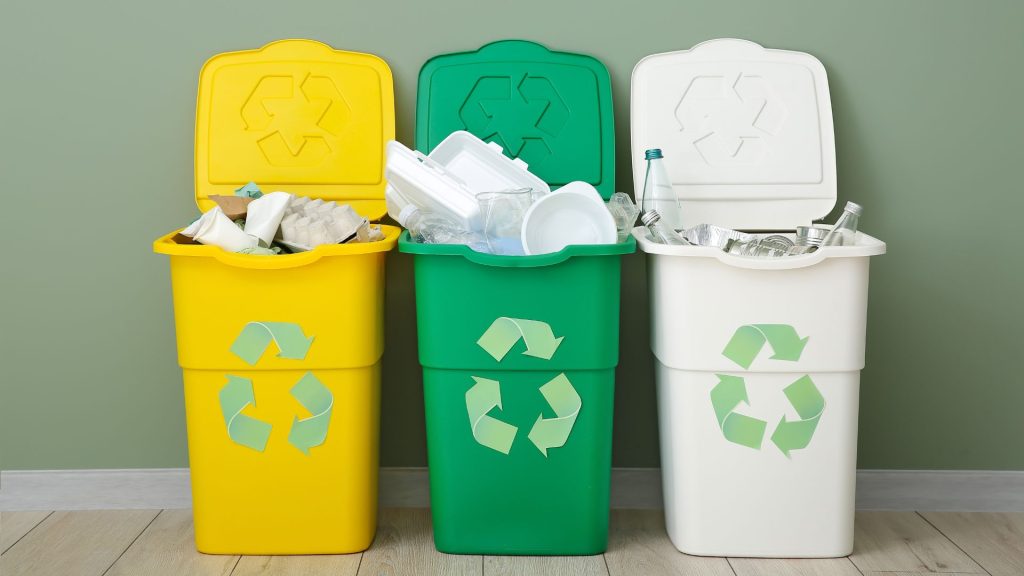
Aside from pollution, improper disposal often leads to inefficient resource usage. Many electronics contain metals and plastics that can be recycled and reintegrated into new devices. Discarding these materials carelessly forces manufacturers to extract more raw resources, increasing energy consumption and environmental degradation. Encouraging responsible recycling and disposal reduces the strain on natural resources and lowers carbon footprints associated with producing new electronics. Every effort made to handle e-waste properly helps conserve both the planet’s health and its finite materials.
The Role of Recycling in E-Waste Management
Recycling plays a pivotal role in addressing the e-waste crisis. Proper recycling techniques enable the recovery of valuable metals and components, minimizing the need for mining and reducing environmental disruption. By sending old electronics to certified recycling centers, materials like aluminum, copper, and rare earth elements can be reused, supporting the production of new technology without additional ecological strain. Recycling also ensures that toxic substances are isolated and processed safely, preventing contamination of land and water. Communities that embrace recycling practices witness tangible improvements in environmental health and public safety.
Moreover, recycling fosters innovation and economic opportunities. Specialized recycling facilities create jobs while driving technological advancements in material recovery. Companies invested in sustainable practices can also promote circular economy models, turning waste into valuable inputs for new products. These practices not only reduce the ecological footprint of electronics but also inspire a broader cultural shift toward sustainability. The collective action of households, businesses, and institutions in recycling efforts can significantly mitigate the environmental hazards associated with e-waste.
Health Risks Linked to E-Waste Exposure
Exposure to improperly discarded electronics can have serious health implications. Toxic elements present in devices, such as lead in screens or mercury in batteries, can accumulate in human bodies over time, causing neurological, developmental, and reproductive issues. Communities near e-waste dumping sites are particularly vulnerable, as chemicals can contaminate drinking water and enter the food chain. Even informal recycling practices, where devices are manually dismantled without protective equipment, put workers at risk of chronic health problems and acute injuries. Awareness of these risks underscores the urgency of safe disposal practices.
Children are especially susceptible to the dangers of e-waste. Developing bodies are more sensitive to heavy metals and other hazardous substances, which can result in long-term cognitive or behavioral problems. Adults exposed to high levels of toxic chemicals face potential kidney damage, lung issues, and other chronic conditions. Responsible disposal not only safeguards environmental health but also directly protects human well-being. Proper protocols and professional handling of e-waste prevent unnecessary exposure and help communities maintain a safer and cleaner living environment.
Economic Advantages of Proper E-Waste Management
Proper e-waste management offers economic benefits beyond environmental protection. Recovering metals and components through recycling reduces the costs associated with raw material extraction and processing. Manufacturers save money when reclaimed resources are used in production, while cities and municipalities can decrease landfill management expenses by diverting electronics from conventional waste streams. E-waste recycling also fuels local economies through specialized collection, dismantling, and refurbishment services.
In addition, the resale or refurbishment of electronics creates value from items that might otherwise be discarded. Refurbished devices extend product life, offering affordable technology solutions while minimizing waste. Businesses that prioritize responsible e-waste practices can enhance their reputation and attract eco-conscious customers, creating a competitive advantage. By investing in proper disposal and recycling, communities and companies alike can turn a potential environmental challenge into a sustainable economic opportunity.
Social Responsibility and Awareness
E-waste disposal is not only a technical issue but also a matter of social responsibility. Educating communities about the hazards of improper electronic waste encourages conscientious behavior. Schools, businesses, and organizations can implement programs that promote the collection, recycling, or donation of old electronics, fostering a culture of environmental stewardship. Individuals who actively participate in safe disposal practices set examples for others and contribute to a broader shift toward sustainable living.
Awareness campaigns can also address the misconception that discarding electronics casually has no consequence. Highlighting the connection between e-waste and public health or ecosystem damage motivates collective action. By emphasizing social responsibility alongside regulatory compliance, communities can create a network of informed citizens committed to reducing e-waste hazards. Active participation and education ensure that every member of society understands their role in protecting the environment for future generations.
Technological Solutions Supporting E-Waste Management
Innovations in technology are providing new solutions for e-waste management. Advanced sorting systems, robotic dismantling, and chemical processing techniques enable safer and more efficient recovery of valuable materials. These technologies minimize human exposure to toxic substances and increase the proportion of reusable components recovered from discarded electronics. Digital tracking systems also help ensure responsible disposal and prevent illegal dumping, providing transparency in e-waste handling.
Technological solutions do more than increase efficiency; they also support environmental compliance and corporate sustainability goals. By integrating these innovations into recycling processes, businesses can maintain high standards of safety, accountability, and resource management. Individuals benefit as well, knowing their discarded electronics are processed responsibly, reducing environmental impact. Leveraging technology in e-waste management represents a critical step toward sustainable consumption and production patterns.
Legal Frameworks and Regulations
Legislation plays an essential role in ensuring safe e-waste disposal. Many countries have enacted regulations requiring proper collection, recycling, and treatment of electronic devices. These laws often mandate certified recycling facilities and restrict hazardous components from entering landfills. By enforcing such frameworks, governments aim to reduce environmental contamination, protect public health, and promote sustainable practices.
Regulations also encourage manufacturers to adopt extended producer responsibility, holding them accountable for the lifecycle of their products. Compliance ensures that companies manage the environmental impact of their electronics responsibly, from production to disposal. Strict enforcement of these laws incentivizes proper e-waste handling while discouraging illegal dumping and informal recycling practices that threaten both people and the planet.
Community Initiatives and E-Waste Drives
Community-led e-waste drives are an effective way to manage electronic waste responsibly. Local organizations, schools, and municipalities often organize collection events where residents can drop off old electronics for safe recycling. These initiatives make proper disposal accessible and convenient, encouraging wider participation. Community involvement also fosters social awareness and demonstrates the collective power of individuals acting for environmental protection.
Such programs can extend beyond collection, including refurbishing old devices for schools or donating functional electronics to those in need. By combining disposal with social benefit, communities transform e-waste management into an opportunity for sustainability and service. Active engagement in e-waste drives strengthens environmental consciousness and ensures that hazardous materials are processed safely while maximizing the reuse of valuable electronics.
Steps Individuals Can Take for Responsible E-Waste Disposal
Individuals play a crucial role in ensuring safe e-waste management. Sorting electronics according to type, separating batteries, and seeking certified recycling facilities are essential first steps. Avoiding informal disposal methods like throwing electronics in regular trash or burning them minimizes environmental and health risks. Additionally, donating or refurbishing functional devices can extend their lifespan and reduce waste.
Creating personal habits for responsible disposal also includes staying informed about local regulations and participating in community recycling programs. Planning ahead when upgrading devices ensures that older electronics are handled safely, maximizing resource recovery. Each conscious action contributes to a broader impact, proving that individual responsibility is vital in addressing the growing e-waste challenge and protecting the environment for future generations.
Conclusion
Proper e-waste disposal is vital for safeguarding our environment, conserving valuable resources, and protecting human health. By recycling electronics responsibly and supporting community initiatives, individuals and businesses contribute to a cleaner, safer, and more sustainable future. The cumulative effect of responsible practices today ensures that toxic materials do not contaminate land, water, or air while maximizing resource recovery for new technology. Awareness, education, and action are critical for minimizing the negative consequences of electronic waste.
For residents of Palatine, IL and nearby areas, 24-7 Junk Removal provides professional and eco-friendly junk removal services. By calling (773) 309-6966, individuals can schedule efficient disposal of e-waste and other unwanted items. Their team ensures that recyclable materials are properly handled, supporting environmental sustainability and community well-being. With a focus on responsible junk removal, 24-7 Junk Removal at 611 W. Wise Schaumburg, IL 60193, and reachable via support@24-7junk.com, helps protect both the planet and the local community. Responsible disposal today lays the foundation for a cleaner and healthier tomorrow.