

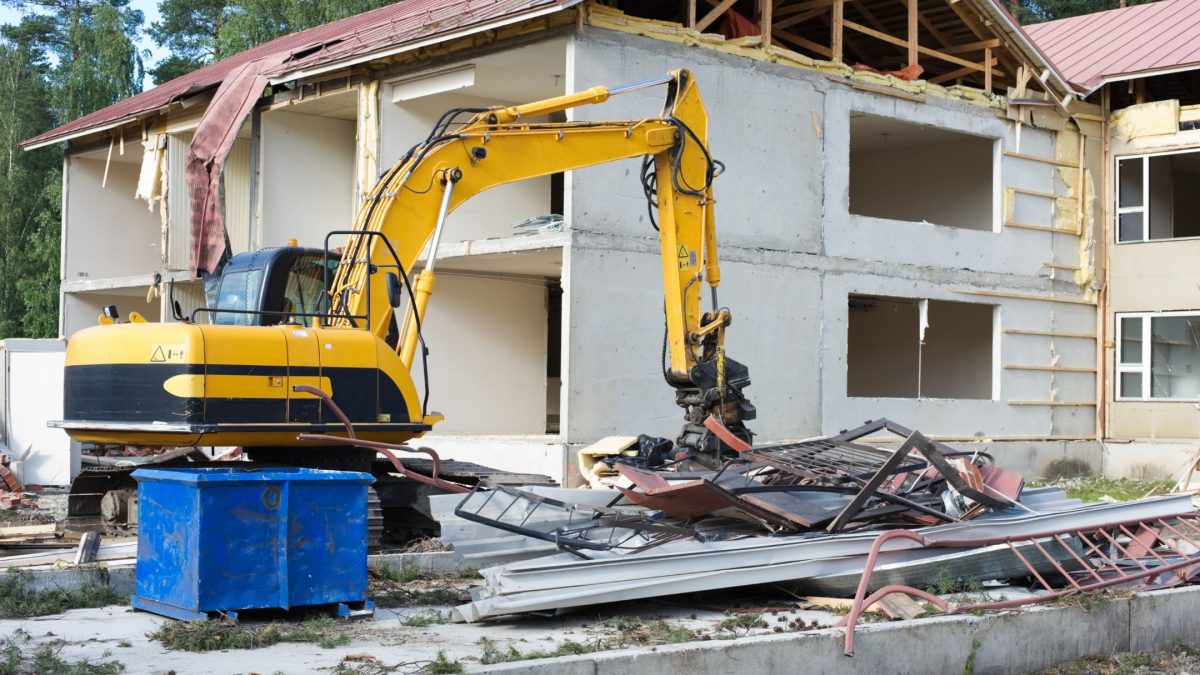
When the final wall falls and the machines grow silent, the aftermath reveals more than rubble—it exposes potential. The ground is littered with broken concrete, twisted rebar, and remnants of a structure that once stood firm. This stage demands not just physical effort but careful coordination. Workers begin by sorting large debris into designated piles for removal or recycling. Efficiency is key here, ensuring each load is removed safely without causing further damage to the property or environment.
Cleanup at this phase relies on specialized equipment built to handle heavy materials. Industrial loaders and dump trucks transport the remains to appropriate facilities. Safety remains the backbone of the operation. Workers wear protective gear, follow clear pathways, and monitor stability during every lift. Once the site is cleared, what remains is more than just an empty lot—it’s a clean foundation ready to hold new possibilities and fresh construction dreams.
Managing Hazardous Materials Responsibly
During demolition, not all discoveries are visible to the naked eye. Buried beneath layers of dust or behind old walls, hazardous materials like asbestos, lead paint, and chemicals often emerge unexpectedly. Their presence transforms the cleanup process into one requiring expertise and caution. Before removal, professionals test materials to identify potential dangers, ensuring no toxic particles are released into the air or soil during cleanup. Safety zones are set, and strict procedures dictate every move to minimize exposure risks.
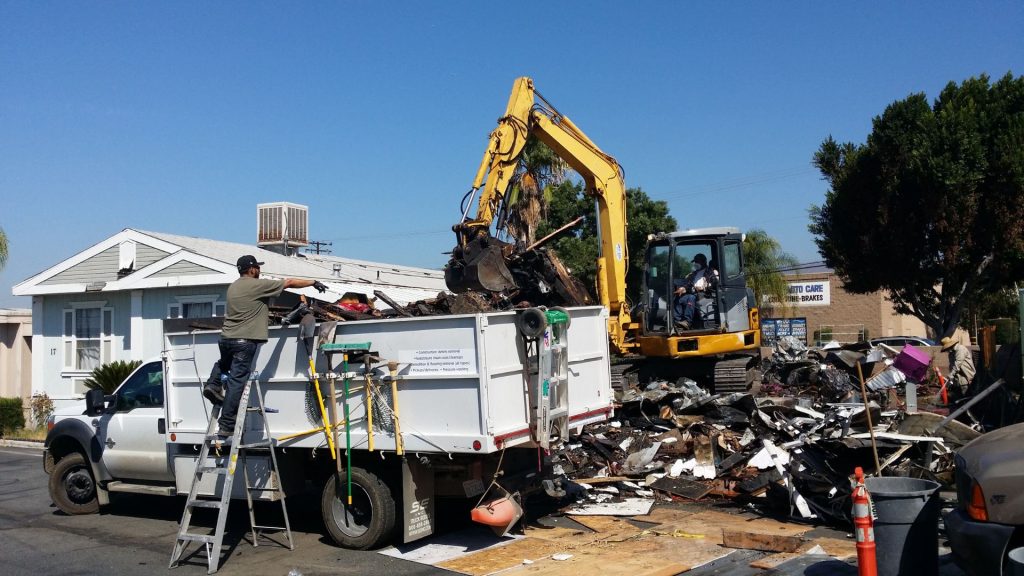
Disposing of these materials requires precision and compliance with environmental laws. Each substance is sealed, labeled, and transported in secure containers to certified disposal facilities. These steps protect both workers and nearby communities from contamination. Responsible handling of hazardous waste isn’t an optional task—it’s a duty that defines the integrity of every cleanup operation. When managed correctly, it turns potential hazards into a symbol of environmental responsibility and professional excellence.
Sorting and Recycling Construction Waste
Not every demolished fragment deserves the landfill. Many materials—metal, concrete, glass, and even wood—can live again through recycling. Sorting begins immediately after demolition, with workers separating debris into recyclable and non-recyclable piles. This process reduces waste volume and lowers disposal costs. It also reflects a growing awareness of sustainability within the construction industry. Through this methodical sorting, what once seemed like waste transforms into valuable resources ready for new use.
Concrete can be crushed and used for roadbeds or foundations. Steel and aluminum can be melted and reshaped, while wood may find new life in reclaimed furniture or composite materials. Recycling isn’t just about being eco-conscious—it’s about efficiency and purpose. By prioritizing this step, cleanup teams contribute to a circular economy where materials flow continuously instead of ending in dumps. Every repurposed piece becomes a quiet victory for both business and the planet.
Ensuring Safe Air Quality After Demolition
Once demolition ends, dust becomes the invisible adversary. Clouds of fine particles—cement, dirt, fiberglass—linger long after machinery stops, making air quality a silent threat. Without intervention, this dust can seep into homes, lungs, and ecosystems, posing serious health risks. Cleanup professionals tackle this by using air filtration systems and misting technology to capture and settle airborne particles before they spread further. It’s a battle of control against the unseen.
Air monitoring follows, measuring particle levels and ensuring the area meets environmental safety standards. Ventilation systems are kept running until clean readings are confirmed. Proper air quality management not only ensures safety but enhances trust among clients and communities. A job truly ends when the air itself is clear—when breathing the space feels natural again. Clean air becomes the final proof that the cleanup wasn’t rushed but responsibly completed from start to finish.
Inspecting the Area for Structural Stability
After debris removal, one crucial step remains: checking structural stability. The demolition process often stresses nearby structures, underground systems, or foundations that were never meant to bear such force. Inspectors step in to assess soil compaction, remaining walls, and underground lines, ensuring no hidden weakness threatens future work. This phase transforms the chaos of demolition into a methodical evaluation of what endures and what must be reinforced.
Ignoring this stage can lead to expensive complications later. A proper inspection guarantees safety for workers and readiness for reconstruction. Using sensors, soil tests, and visual assessments, specialists identify risks before they grow. Once the green light is given, confidence replaces uncertainty. This moment signifies that the site, once chaotic and unstable, now stands as a reliable base for whatever structure will rise next. Preparation and verification are the silent architects of safe rebuilding.
Cleaning Up Fine Dust and Hidden Debris
Large debris may be gone, but the real challenge lies in the small, persistent remnants. Fine dust coats surfaces like a film of memory, embedding itself in vents, corners, and tiny crevices. This residue, if ignored, can compromise future work or air quality. The cleanup crew transitions from heavy machinery to precision work—industrial vacuums, HEPA filters, and power washers become their main tools. Every sweep counts, every motion deliberate.
This stage is where thoroughness defines professionalism. Removing hidden debris requires both patience and an eye for detail. Workers move systematically through the site, addressing overlooked areas like beams, ducts, and joints. Once finished, the transformation is remarkable. What was once a dusty, chaotic expanse becomes a fresh and breathable space. The cleanliness signals more than completion—it represents pride, discipline, and respect for the client’s next stage of development.
Preparing the Site for the Next Phase
Cleanup doesn’t signify an ending—it’s a bridge leading to creation. When the dust clears, preparation begins for what’s next. Grading the soil, marking utilities, and leveling terrain become top priorities. These steps ensure the land is safe, even, and ready for future construction or landscaping projects. Each action reflects foresight, turning a once-destructive site into a place brimming with new possibilities.
Collaboration between cleanup crews and builders strengthens this stage. Plans are reviewed, measurements confirmed, and timelines aligned. A well-prepared site minimizes future delays, ensuring construction can proceed efficiently. This is where vision and practicality intersect. The empty ground becomes not a reminder of what once stood but a preview of what will. Cleanup transforms from aftermath to anticipation—a crucial prelude to the next architectural story waiting to unfold.
Coordinating Waste Disposal with Local Regulations
Proper waste disposal demands more than effort—it requires adherence. Every community has its own environmental laws governing how demolition waste should be handled, and compliance defines credibility. Teams coordinate with local authorities to secure hauling permits, follow zoning rules, and document disposal routes. Transparency in these processes ensures accountability while reinforcing public trust.
Each load of debris must reach an authorized facility with proof of delivery. Recyclable items are logged, and hazardous materials are tracked separately. Documentation may seem tedious, yet it’s essential for legal and ethical responsibility. When cleanup teams work in harmony with municipal guidelines, they demonstrate respect for the community and the environment. This cooperation turns demolition cleanup from a simple labor task into a civic contribution that keeps neighborhoods safe and sustainable.
Restoring the Landscape After Cleanup
When the machines leave and silence returns, the land itself asks for care. Demolition disturbs not only structures but the soil and vegetation around them. Restoring the landscape begins with repairing what was displaced—filling uneven ground, reseeding lawns, and improving drainage systems to prevent erosion. The goal is balance, ensuring the environment recovers from the disruption.
Landscape restoration is more than aesthetics—it’s about responsibility. Replanting trees or laying fresh grass revives the area’s natural beauty, turning it into a welcoming space once again. Sometimes, adding topsoil or mulch restores nutrients lost during construction. When cleanup concludes with restoration, it reflects a cycle completed—destruction, renewal, and respect. The land, once scarred by demolition, becomes whole again, prepared to support new beginnings with strength and grace.
Final Safety Inspection and Documentation
Before a demolition cleanup can truly be considered complete, every detail must be verified. Final safety inspections ensure that the site is secure, debris-free, and compliant with environmental and safety standards. Inspectors walk the grounds meticulously, checking stability, air quality, and remaining waste areas. It’s not a formality but a final assurance that the site is truly ready for future use.
Documentation follows this process. Records of disposal, recycling, and inspection results are compiled to create a transparent history of the project. These files protect clients and contractors from liability while confirming professional standards were met. When all reports align, the cleanup moves from a process to a certified success. The site, once filled with dust and debris, now stands as a blank, safe canvas for new possibilities to rise.
Conclusion
Demolition cleanup isn’t merely about clearing debris—it’s about renewal. Each step, from removing hazardous materials to restoring the landscape, builds the foundation for what comes next. True cleanup blends precision, environmental care, and attention to safety. It’s a process that turns chaos into order and waste into readiness, preparing a site for its next purpose with integrity and respect.
For professional, dependable Junk Removal services in Palatine, IL, contact 24-7 Junk Removal at (773) 309-6966. Located at 611 W. Wise Schaumburg, IL 60193, their skilled team specializes in safe and efficient demolition cleanup tailored to any project size. You can also reach them through support@24-7junk.com to schedule a service. Let their expertise transform your post-demolition site into a fresh start you can build upon confidently.