

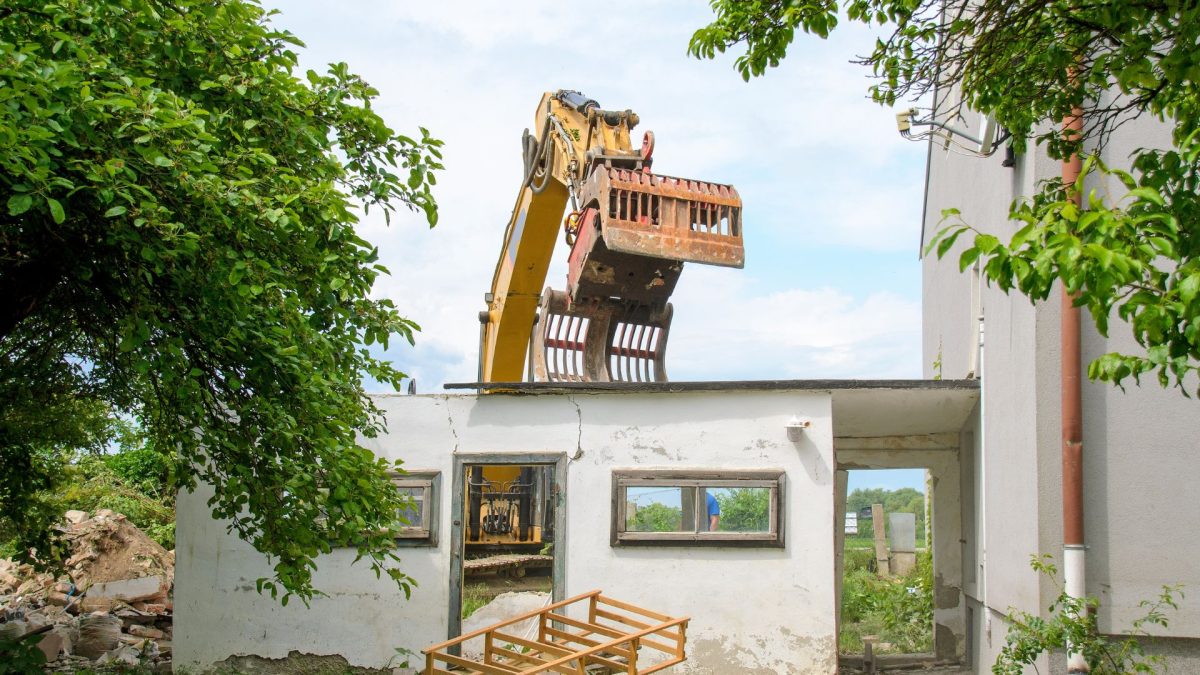
When the final wall of a shed falls and the dust begins to settle, what remains is more than just debris—it’s a mixture of materials, memories, and possibilities. Before deciding what to do next, take a closer look at what’s left. Metal sheets, wooden panels, and concrete blocks can often be repurposed or recycled, depending on their condition. A simple assessment can save you money while reducing waste. Look for materials that still have structural integrity, such as wood beams or intact doors, which can be used for small DIY projects or garden décor.
Clearing the area is not just about removal but about understanding the landscape. Once you’ve sorted what’s usable and what’s not, the space begins to take shape again. Maybe that corner could become a small garden bed, or perhaps a patio area. A demolished shed isn’t an end—it’s an invitation to transform what’s left into something that adds value to your property and aligns with your vision.
Reusing Salvaged Wood and Metal
Demolishing a shed often reveals surprisingly valuable materials. The wooden beams and panels, if not rotted or infested, can be repurposed for countless home projects. From raised garden beds to rustic furniture, these pieces can carry a second life. The key lies in proper cleaning and sanding. Reclaimed wood not only adds character but also contributes to sustainability, reducing the need for new lumber.

Metal parts—hinges, roofing sheets, and nails—shouldn’t be overlooked either. Scrap metal recycling centers will often accept these materials, offering a small payout per pound. If you prefer creativity over cash, those metal parts can become functional décor items or used for reinforcing outdoor structures. Every salvaged piece contributes to minimizing waste while breathing life into new projects. What was once a shed becomes the foundation for something entirely different—built not from expense, but from imagination.
Creating a Garden or Green Space
Once the shed’s footprint is clear, you’re left with a blank canvas—and few canvases are as full of potential as an open backyard space. Many homeowners choose to turn this cleared patch into a flourishing garden, complete with flowers, herbs, or vegetables. The soil beneath the shed might need some refreshing, so adding compost or nutrient-rich topsoil helps restore its vitality.
Transforming the area into a green space isn’t just about beauty. It’s about creating a calm corner of nature right outside your home. A simple bench, some potted plants, and soft ground lighting can make the area a perfect evening retreat. Turning the remnants of a demolition into something that breathes life symbolizes renewal. It’s not about what was torn down, but what grows after the dust settles.
Recycling the Debris Responsibly
After a demolition, piles of debris can look overwhelming. Instead of sending everything straight to the landfill, consider recycling. Many of the materials from an old shed—wood, metal, and concrete—can be processed and reused. Concrete pieces can be crushed into gravel for driveways or used as filler for new construction projects. Metal can be sorted by type and brought to recycling facilities where it’s melted down for future use.
Responsible recycling not only clears your space but also reduces environmental strain. Each load diverted from the dump helps reduce carbon emissions and supports a circular economy. With the right planning, you can handle the debris in an eco-conscious way, ensuring that every piece is accounted for and nothing goes to waste unnecessarily. It’s a small act that carries a big environmental reward.
Repurposing the Foundation for a New Structure
If the shed’s foundation remains intact, it could be your gateway to a brand-new project. A sturdy concrete slab can become the base for a greenhouse, a mini workshop, or even an outdoor lounge area. Instead of demolishing the base entirely, look at it as an asset waiting to be reimagined. The cost of building a new foundation can be significant, so reusing what’s already there gives both economic and environmental benefits.
Transforming the area also adds functionality to your backyard. Imagine a modern pergola standing where the old shed once stood, shaded by climbing plants and surrounded by soft gravel or decking. Reusing the base means you preserve part of the original structure’s story while adapting it for a new purpose—proof that demolition doesn’t have to mean destruction. It can be the groundwork for something greater.
Turning the Space into an Outdoor Living Area
A shed removal opens up potential for outdoor living. With a cleared plot, you can design an open patio, install outdoor seating, or even set up a firepit area. Think of it as an extension of your home rather than a forgotten corner of the yard. Add string lights, weather-resistant furniture, and some decorative touches to make the space come alive.
Whether you want to host small gatherings or enjoy quiet evenings under the stars, repurposing the area adds both comfort and charm. A space once used for storage now becomes a setting for connection. It’s where stories unfold, laughter echoes, and memories begin again. The demolition of an old structure often gives room for something that builds connection instead of clutter.
Donating Usable Materials
Not everything from your shed needs to end up in your own project or a landfill. Many community organizations, schools, or non-profits gladly accept leftover building materials. Doors, windows, panels, and metal sheets can be reused for educational workshops or local improvement projects. By donating, you extend the lifespan of materials while helping others save on costs.
There’s also a sense of satisfaction in knowing that what once stood in your yard continues to serve a purpose elsewhere. Donated materials might help build a garden shed for a local park or repair fencing for a community farm. In this small act of giving, your old structure finds new meaning—proof that generosity and sustainability can go hand in hand.
Hiring Professionals for Safe Removal
Shed demolition can be deceivingly complex, especially if the structure contains electrical wiring, plumbing, or asbestos materials. Professional removal ensures safety from start to finish. Experts have the tools and knowledge to dismantle and haul away materials without causing property damage or injury. More importantly, they handle waste disposal in compliance with environmental regulations.
Hiring professionals also saves time and effort. What might take you several days can be completed in just a few hours by a trained team. They separate recyclable materials from true waste, ensuring nothing harmful ends up in landfills. It’s peace of mind knowing the job is done efficiently, responsibly, and without risk.
Preparing the Ground for Future Use
Once the shed and debris are gone, the next step is preparing the land for its new purpose. Depending on your plans, this may involve leveling the soil, adding gravel, or laying new turf. Proper ground preparation ensures that whatever comes next—a patio, garden, or small structure—has a stable base. Ignoring this step can lead to drainage problems or uneven foundations later on.
Think of this phase as setting the stage for new beginnings. A clean, level surface invites creativity. Maybe it’s where you’ll plant fruit trees, install a water feature, or create a family gathering spot. Every raked inch of soil is part of shaping your outdoor story anew. The groundwork you lay today determines how smoothly tomorrow’s plans will grow.
Storing Reusable Parts for Future Projects
Sometimes, the smartest move isn’t immediate reuse—it’s saving valuable parts for later. Keep any good-condition boards, brackets, or panels stored in a dry area for future projects. Having materials on hand can be helpful for repairs, décor builds, or landscape features down the line. What seems like clutter today could save you a trip to the hardware store tomorrow.
Labeling and organizing salvaged materials helps ensure you remember their potential. Wooden beams might become a compost bin. Roof panels could form the walls of a pet shelter. The options are endless if you keep an open mind. Saving what’s reusable turns demolition into an investment in future creativity.
Choosing the Right Disposal Option
For materials that can’t be reused or recycled, proper disposal is crucial. Depending on local regulations, some debris may need to be separated before disposal. Non-recyclable materials such as certain plastics or insulation should be handled with care to prevent environmental contamination. Renting a dumpster or scheduling a pickup ensures these materials are managed correctly.
Professional waste removal services can make this process seamless. They know which facilities accept which materials, saving you from the hassle of multiple trips. A clean finish to your project not only improves the appearance of your property but also ensures environmental responsibility. The right disposal method ties the entire demolition process together with efficiency and conscience.
Conclusion
Clearing away an old shed opens possibilities far beyond a simple clean slate. What once served as a storage space can now evolve into something that enhances your property and lifestyle. Through careful evaluation, recycling, and creative reuse, even discarded materials can find renewed purpose. Every beam and panel holds potential when approached with vision and responsibility.
For expert assistance in handling the aftermath of your shed demolition, reach out to 24-7 Junk Removal. Located in Palatine, IL, their team offers reliable junk removal and responsible disposal tailored to your needs. Call (773) 309-6966 or visit their office at 611 W. Wise Schaumburg, IL 60193. You can also email support@24-7junk.com for inquiries. Turn your cleanup into a fresh start handled with professionalism and care.