

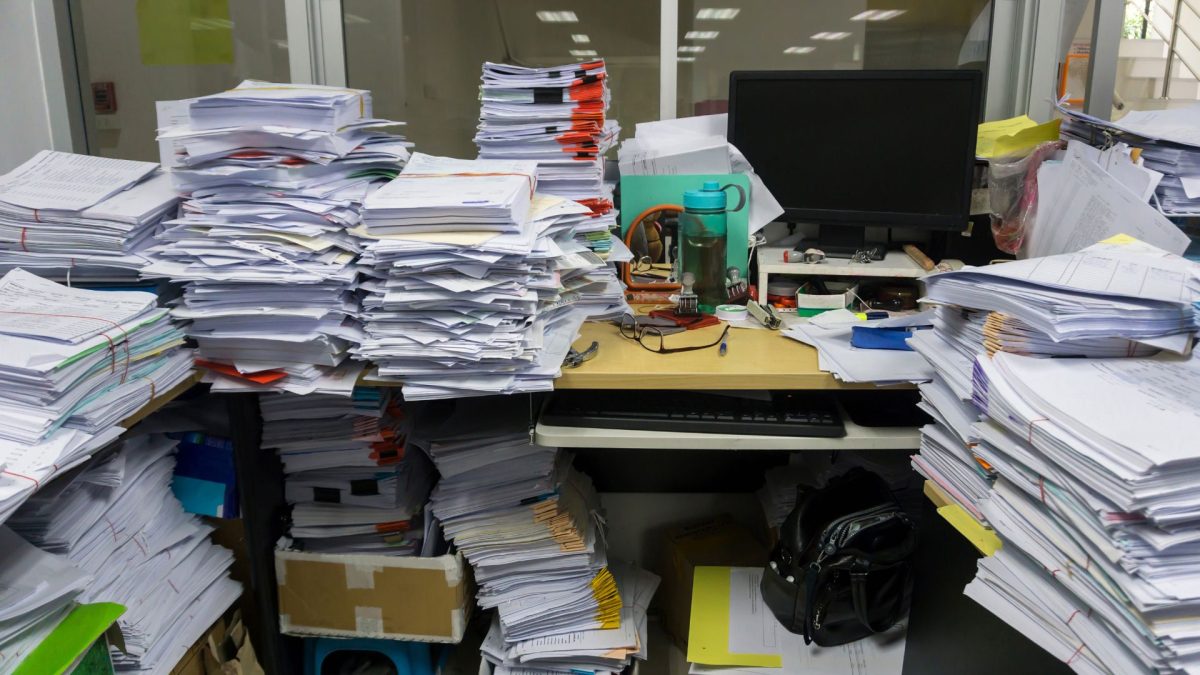
During a business transition, one of the first steps is creating a clear plan for dealing with accumulated office junk. Moving or downsizing an office often reveals forgotten items and unnecessary clutter that have built up over time. Sorting through everything before the move ensures that essential items are preserved while outdated or broken materials are discarded responsibly. This proactive approach saves time, reduces stress, and prevents potential delays during relocation or renovation.
Organizing an inventory of items also helps identify what can be recycled, donated, or disposed of. Categorizing office furniture, electronics, and supplies streamlines the cleanout process, making it more efficient. By prioritizing areas that accumulate the most clutter, such as storage rooms or old filing cabinets, businesses can tackle the most significant obstacles first. A systematic approach not only creates physical space but also enhances the overall work environment, making the office more welcoming for employees and visitors during a transitional period.
Creating a Strategy for Decluttering Office Spaces
Decluttering requires more than just tossing items into the trash; it demands a strategic approach. Start by assessing the office layout and identifying areas with excessive junk accumulation. This includes outdated office equipment, broken furniture, obsolete technology, and piles of paper. By evaluating each item’s value, businesses can decide what is worth keeping, donating, or discarding. Implementing a “keep, donate, discard” system ensures that the process remains structured and manageable.
Collaboration among team members is crucial in this process. Employees who use specific equipment or files can provide insights into which items are still functional or necessary. Establishing deadlines for each phase of the cleanout creates accountability and maintains momentum. Additionally, setting up temporary storage areas or bins for sorted items can prevent clutter from spilling back into workspaces. A well-executed decluttering strategy streamlines the transition and allows employees to focus on their core responsibilities without distractions from unnecessary items.
Efficient Disposal of Office Electronics and Equipment
Office electronics and equipment often pose a challenge during a business transition. Devices like computers, printers, and copiers contain sensitive information and require careful handling to avoid data breaches. Proper disposal involves securely erasing all data and recycling equipment through certified programs whenever possible. Businesses can also consider donating functional electronics to schools or non-profits, extending the lifecycle of valuable devices while supporting the community.
Planning ahead ensures that large equipment is removed safely and efficiently. Scheduling pickups with a professional junk removal service reduces the risk of damage and ensures compliance with local disposal regulations. Moreover, separating electronics from general waste minimizes environmental impact and promotes sustainable practices. With a clear plan for electronics and office equipment, businesses can transition smoothly while maintaining operational security and environmental responsibility.
Managing Furniture and Office Fixtures
Furniture often represents a significant portion of office junk during transitions. Outdated desks, chairs, and storage units not only take up space but can also hinder the moving process. Identifying items that are still in good condition allows for donation or resale, while broken or unusable furniture can be responsibly discarded. This approach reduces waste and potentially benefits other organizations in need.
Organizing furniture removal in phases ensures minimal disruption to office operations. Removing items piece by piece or section by section prevents hallways and work areas from becoming congested. Partnering with experienced teams who handle heavy lifting and disposal simplifies the process and ensures that large items are transported safely. By addressing furniture efficiently, businesses can maintain a functional workspace while preparing for new layouts or renovations.
Paperwork and File Management
Accumulated paperwork is a common challenge in any office. Sorting through files and documents during a transition helps streamline operations and eliminates unnecessary storage costs. Begin by identifying critical records that must be retained for legal or operational purposes. Shredding or recycling outdated documents reduces clutter and protects sensitive information from unauthorized access.
Digitizing essential files further enhances efficiency. Scanning documents and storing them electronically allows for easier access and long-term preservation. Implementing a consistent filing system ensures that employees can locate necessary records quickly during and after the transition. This process not only clears physical space but also creates a more organized and efficient work environment.
Handling Hazardous Materials Safely
Offices sometimes store hazardous materials such as cleaning chemicals, batteries, or old paint. Properly identifying and disposing of these substances is essential for employee safety and environmental compliance. Many hazardous items cannot be thrown away with general waste and require specialized disposal procedures.
Developing a clear plan for hazardous waste ensures safe removal. This may involve hiring certified disposal professionals who understand local regulations and handling protocols. Labeling containers and segregating hazardous items from regular office waste prevents accidents and contamination. By prioritizing safety, businesses protect employees and the environment while managing the challenges of a transitional office cleanout.
Coordinating with a Professional Junk Removal Service
Engaging a professional junk removal service streamlines the entire process. Experienced teams handle heavy lifting, transportation, and proper disposal, saving valuable time and effort for employees. They can efficiently manage office furniture, electronics, and general clutter, allowing the business to focus on core operations during the transition.
Professionals also ensure compliance with local regulations for recycling and disposal, reducing liability concerns. Scheduling services in advance allows for smooth coordination with moving dates or renovation timelines. Additionally, reputable junk removal providers often offer eco-friendly disposal options, supporting sustainability goals while clearing out office spaces quickly and effectively.
Optimizing Storage Solutions During Transition
During a business transition, temporary storage can help manage overflow from office cleanouts. Renting storage units or designating on-site areas for sorted items keeps workspaces clear while preparing for relocation. Proper organization within storage units prevents damage to equipment and facilitates easy access when needed.
Labeling boxes and containers, along with creating an inventory list, ensures that items can be located efficiently. Grouping items by category or department also simplifies unpacking and setup at the new location. Optimized storage strategies prevent clutter from accumulating again and provide a structured approach to managing office resources during periods of change.
Scheduling and Timing Considerations
Timing plays a critical role in office cleanouts. Planning the cleanout schedule around business hours and employee availability minimizes disruption. Coordinating removal dates, donation pickups, and disposal services in advance allows the process to proceed smoothly without interrupting essential operations.
Building flexibility into the timeline accommodates unexpected delays or large volumes of items. Breaking the cleanout into manageable phases ensures that workspaces remain functional throughout the transition. Effective scheduling enhances productivity and reduces stress for both employees and management, resulting in a more organized and successful office move.
Maintaining Employee Engagement and Communication
Keeping employees informed and involved in the cleanout process fosters a sense of ownership and reduces resistance to change. Clearly communicating objectives, timelines, and responsibilities ensures that everyone understands their role in the transition. Encouraging feedback and suggestions can also reveal overlooked items or creative solutions for disposal and organization.
Active engagement creates a collaborative environment where employees feel part of the decision-making process. Celebrating milestones, such as completing a section of the cleanout, maintains morale and motivation. By fostering communication and participation, businesses can ensure a smoother, more efficient transition while strengthening team cohesion and commitment.
Conclusion
Handling office junk during a business transition requires careful planning, organization, and the right support. Engaging professional services can significantly reduce stress and ensure that all items, from furniture to electronics, are handled responsibly and efficiently. A structured approach to sorting, disposal, and storage not only streamlines the move but also enhances workplace productivity and safety. Businesses that prioritize organization and sustainable disposal practices are better prepared for a successful transition and a fresh start in their new space.
For reliable junk removal services, consider contacting 24-7 Junk Removal in Palatine, IL. Their team provides efficient and eco-friendly solutions, ensuring that office cleanouts are handled with professionalism and care. Call (773) 309-6966 to schedule a consultation and experience seamless junk removal that supports a smooth business transition. Located at 611 W. Wise Schaumburg, IL 60193, their team is ready to help with any office cleanout needs. For inquiries, you can also reach them via email at support@24-7junk.com.
