

Once your unwanted items leave the comfort of your home, they begin a journey that is more intricate than most people realize. Junk removal teams first sort materials directly at your location to identify what can be reused, recycled, or disposed of. Items that are still functional often find a second life through donations to local charities, shelters, or community organizations, helping others while keeping perfectly good items out of landfills. Broken or non-reusable items, on the other hand, are carefully separated for recycling to recover metals, plastics, and other materials that can be repurposed. This initial sorting ensures that the environmental impact of your discarded items is minimized, demonstrating that junk removal is not just about clearing space but also about making responsible choices for the planet.
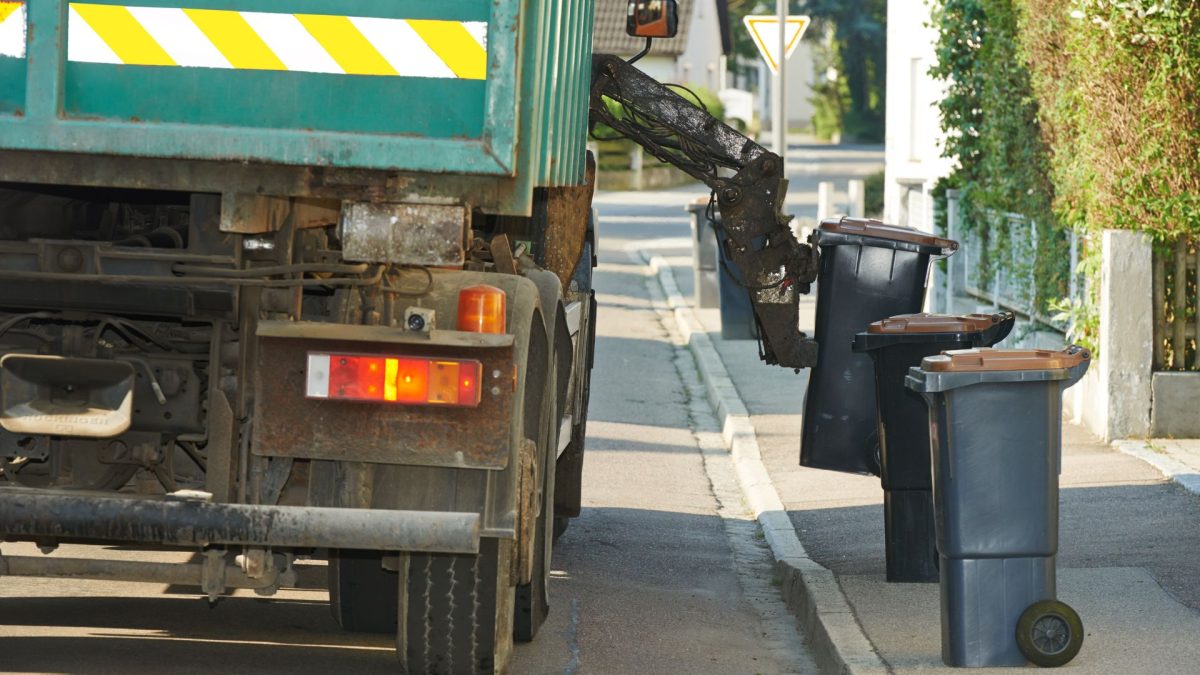
Transportation plays a crucial role in this process. The items are loaded onto specialized trucks designed to handle various types of materials safely and efficiently. The logistics are managed so that recyclable goods head to appropriate recycling facilities, while hazardous materials are taken to certified disposal sites. Even bulky items like furniture, appliances, and construction debris are managed with care, emphasizing efficiency and sustainability. By the time your items leave your property, they are already on a path to either transformation, donation, or proper disposal, reflecting a system designed for maximum utility and minimal environmental footprint.
Sorting and Categorization: Finding Value in the Discarded
When junk reaches the removal service’s processing area, it undergoes a detailed sorting process. This is where items are categorized based on material type, condition, and potential for reuse. Metal, wood, electronics, and plastics are separated meticulously. Functional electronics may be refurbished, while metals and plastics are sent to specialized recycling centers. This step highlights the unexpected value hidden in what many consider trash. Even seemingly useless items can be dismantled and repurposed into raw materials for new products. This approach helps reduce the demand for virgin materials and supports a circular economy where waste becomes a resource.
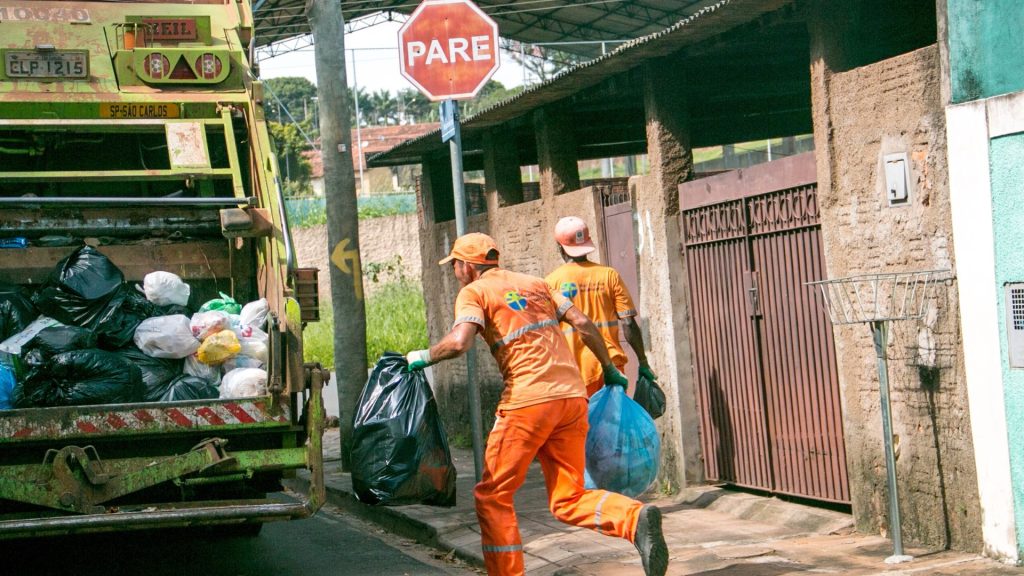
Donation is another crucial outcome of this sorting process. Clothing, furniture, and household items that are still usable are carefully cleaned and prepared to be sent to shelters or charitable organizations. This ensures that someone in need benefits directly from what you no longer require. The sorting stage is where your discarded belongings begin a second life, demonstrating that junk removal is not merely a matter of getting rid of clutter but a chance to make an environmental and social impact. The careful categorization ensures that each item is treated appropriately, paving the way for responsible disposal or reuse.
Recycling: Breathing New Life Into Old Materials
Recycling is at the heart of modern junk removal strategies. Materials like metals, glass, and certain plastics are transported to specialized facilities where they are processed into raw materials that manufacturers can reuse. For example, aluminum cans and steel items are melted down and repurposed for new products, significantly reducing the energy and resources needed to produce them from scratch. Similarly, certain plastics are shredded and reformed, preventing them from ending up in landfills or oceans. The recycling process requires precision and care, but it ultimately transforms what was once waste into valuable resources for new products, giving your old items a completely new purpose.
Electronic waste, in particular, undergoes a separate recycling procedure due to the presence of hazardous components like lead, mercury, and cadmium. Certified facilities dismantle electronics carefully, extracting precious metals and safely disposing of harmful substances. This prevents environmental contamination and conserves natural resources. By choosing professional junk removal services, you ensure that even the most complex items are recycled correctly, reducing ecological harm. Recycling extends the lifecycle of materials and embodies a practical form of sustainability that directly benefits communities and the environment alike.
Donation and Repurposing: Giving Items a Second Chance
Not all discarded items are destined for recycling. Many items retain enough functionality to serve others. Donation is a significant component of junk removal, ensuring that usable furniture, clothing, appliances, and even toys can find new homes. Charitable organizations and shelters rely on these donations to support individuals and families in need. Through this process, items that might have ended up in a landfill instead provide utility and comfort to others, creating a ripple effect of positive social impact. Repurposing also includes selling items in thrift stores or community resale events, giving everyday objects a fresh context and value.
The act of donating or repurposing your junk emphasizes a broader philosophy of sustainability. Items are often cleaned, repaired, or refurbished before reaching recipients, increasing their usability and lifespan. This approach also encourages mindful consumer habits by demonstrating that possessions do not always have a finite life. By facilitating donations, junk removal services contribute to a culture of reuse and social responsibility, showing that even unwanted items can make a meaningful difference in someone else’s life. Every piece that is repurposed is a small victory against unnecessary waste and a step toward a more sustainable community.
Handling Hazardous Materials: Safety and Compliance
Junk removal is not always as simple as hauling items away. Certain materials, such as old paint, batteries, chemicals, or electronics, can pose health and environmental risks if not handled properly. Professional removal services follow strict safety protocols to ensure these materials are transported and disposed of safely. Specialized containers, personal protective equipment, and adherence to local regulations are essential to prevent contamination or accidents. By managing hazardous items correctly, junk removal services protect both workers and the community from potential harm while reducing environmental impact.
Compliance with environmental laws is critical during this phase. Regulations dictate how hazardous waste should be packaged, transported, and processed. Certified disposal centers provide the means to neutralize or safely contain toxic substances. Whether it’s a leaking battery or a container of old chemicals, responsible junk removal ensures these materials never compromise soil, water, or air quality. Handling hazardous items responsibly is a testament to the professionalism of modern junk removal services and an essential aspect of maintaining community health while reducing pollution risks.
Electronic Waste: Responsible Disposal for a Digital Age
The rapid pace of technological advancement has made electronic waste one of the fastest-growing categories of discarded items. Old computers, televisions, and smartphones contain valuable metals but also hazardous elements that can harm the environment. Professional junk removal services specialize in collecting and processing electronic waste safely. Components are dismantled, hazardous substances are contained, and reusable parts are sent to recycling centers. This meticulous approach ensures that your old electronics contribute to resource recovery rather than environmental degradation.
In addition to environmental benefits, responsible e-waste disposal prevents identity theft. Many devices store sensitive information, and professional junk removal services ensure data is securely destroyed before recycling. Electronics recycling facilities extract metals like gold, silver, and copper, providing materials for future production while avoiding the ecological impact of mining. By combining safety, sustainability, and security, electronic waste management demonstrates how modern junk removal transcends simple disposal, merging convenience with environmental stewardship and community responsibility.
Large Items and Furniture: Moving More Than Just Weight
Bulky items such as sofas, mattresses, and large appliances require specialized equipment and techniques to remove safely. Professional junk removal teams use tools and transportation designed for heavy or awkward objects, reducing the risk of injury and property damage. These items are often the hardest to donate or recycle due to their size, but removal services have established partnerships with charities, resale stores, and recycling facilities to ensure that large items are either repurposed or responsibly processed. The expertise involved in handling these items highlights the logistical complexity behind a seemingly simple task.
Repurposing furniture and large household items often involves cleaning, minor repairs, or refurbishment. Usable pieces can be donated, sold, or upcycled into something new. Even when items are too worn to be reused, materials like wood, metal, and fabric can be salvaged and recycled. By managing large items effectively, junk removal services not only make your space safer and more organized but also maximize the utility of each item removed. It’s a process that balances convenience, safety, and sustainability in equal measure, turning heavy lifting into responsible action.
Construction Debris: Clearing Sites and Recovering Resources
Construction and renovation projects generate a significant amount of waste, from broken concrete to discarded wood and metal scraps. Junk removal services specialize in handling this type of debris, ensuring that materials are either recycled or disposed of in accordance with local regulations. Recycling construction materials reduces landfill use and supports a circular economy. Even concrete and asphalt can be crushed and reused, while metals are melted down for new projects. Proper management of construction debris prevents environmental contamination and keeps job sites organized and safe.
Sorting is particularly important in construction debris management. Different materials require different processing methods, and hazardous items like asbestos or lead paint must be isolated. By segregating materials accurately, junk removal services maximize recycling efficiency and safety. This meticulous handling ensures that valuable resources are recovered whenever possible and that environmentally harmful materials are safely neutralized. Proper construction debris removal is a critical component of sustainable building practices and reflects a broader commitment to environmental responsibility within the industry.
The Environmental Impact: How Junk Removal Supports Sustainability
Junk removal services play a pivotal role in environmental stewardship. By prioritizing donation, recycling, and responsible disposal, they minimize the amount of waste that reaches landfills. This reduces greenhouse gas emissions, conserves natural resources, and limits soil and water contamination. Every item that is donated, repurposed, or recycled contributes to a more sustainable ecosystem, demonstrating that the simple act of removing junk can have far-reaching environmental consequences. Modern junk removal integrates practical convenience with ecological mindfulness, showing that cleaning out clutter and protecting the planet can happen simultaneously.
Community awareness is also elevated through responsible junk removal practices. People learn about the value of recycling, donation, and safe disposal, fostering sustainable habits in everyday life. By providing visible examples of how unwanted items can be transformed into resources, junk removal companies inspire both individuals and businesses to adopt eco-friendly practices. This creates a culture where waste is seen not as a burden but as an opportunity, reinforcing the social and environmental benefits of conscientious disposal methods. Junk removal is more than cleanup—it’s a step toward a cleaner, greener, and more responsible world.
Conclusion
Understanding the journey of your junk after removal reveals a process that is intricate, environmentally conscious, and socially beneficial. Every item goes through sorting, recycling, or donation, ensuring that as much as possible is diverted from landfills. Hazardous materials and electronics receive specialized treatment, safeguarding both community health and the environment. Bulky items, construction debris, and everyday household clutter are all managed efficiently, demonstrating that junk removal is about more than just freeing space—it’s about creating value from what was once considered waste. This careful process reflects a commitment to sustainability and responsible stewardship, showing that each piece of discarded material can serve a new purpose and contribute positively to society.
For residents of Palatine, IL, 24-7 Junk Removal provides comprehensive services that embody these principles. By calling (773) 309-6966, you can arrange professional junk removal with a team that prioritizes recycling, donation, and safe disposal. Located at 611 W. Wise Schaumburg, IL 60193, this family-owned company ensures that every item is handled responsibly and efficiently. Choosing 24-7 Junk Removal not only clears your space but also supports a greener, more sustainable community while offering peace of mind that every aspect of disposal is professionally managed. Whether for residential or commercial needs, this service is committed to transforming unwanted items into meaningful outcomes.