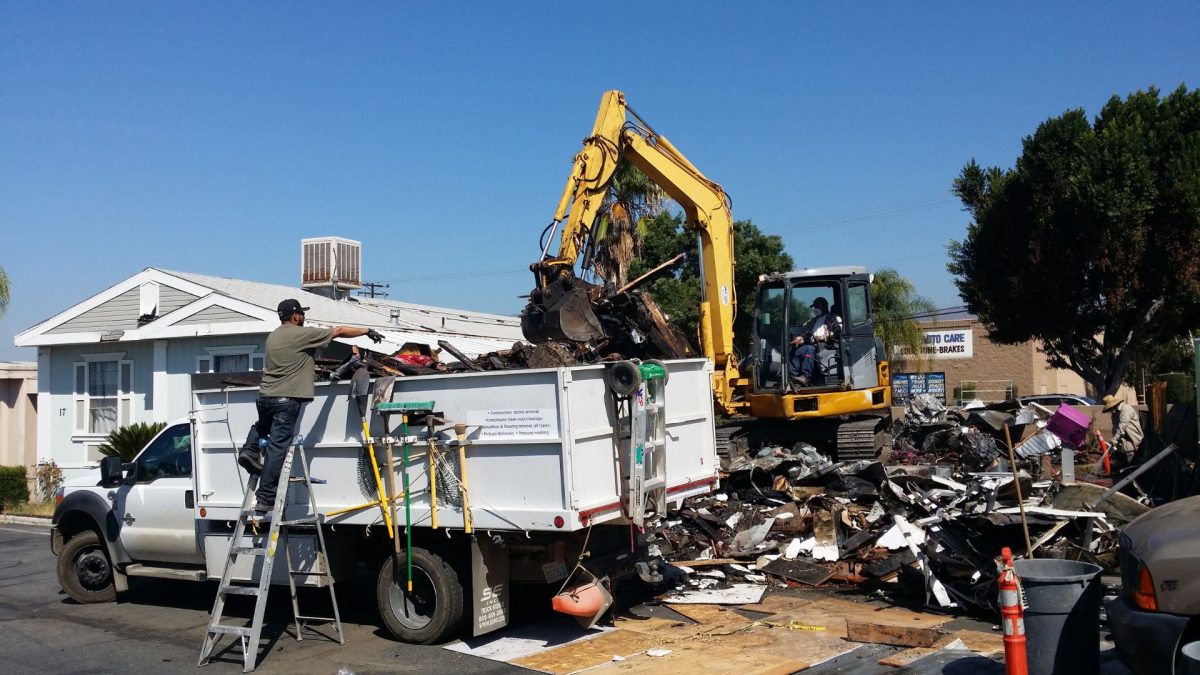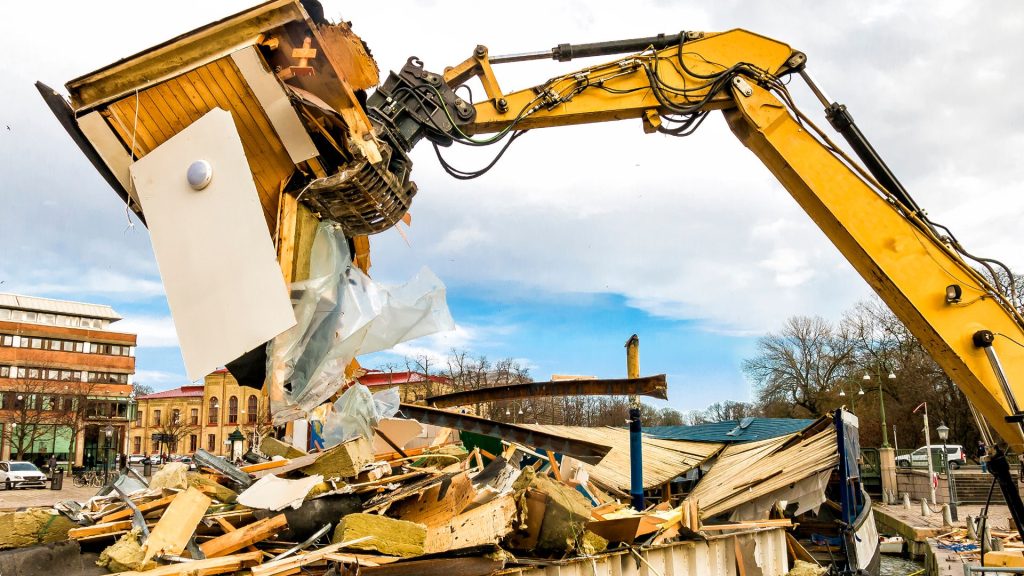
When a demolition project begins, the focus often falls on breaking down walls or tearing up old flooring, but what comes after is just as crucial—the cleanup. Timing your demolition cleanup correctly ensures a smoother renovation process and prevents unwanted delays. Leaving debris to pile up can slow down construction progress, pose safety hazards, and even lead to additional disposal costs. A proactive plan allows for an organized workflow where cleanup teams can efficiently clear the space as demolition proceeds.
Demolition cleanup isn’t simply about removing rubble; it’s about preparing the site for what comes next. Whether you’re making room for a new structure or clearing away what’s left of an outdated one, planning the cleanup phase early makes everything more manageable. It’s a step that ensures your renovation or rebuild moves forward without the chaos of leftover debris cluttering your space.
Early Planning for Maximum Efficiency
The ideal time to plan for demolition cleanup is before the first hammer swings. Preparing early allows for a detailed assessment of what materials need removal and how to dispose of them responsibly. Construction debris can include wood, concrete, drywall, and sometimes hazardous materials—all of which require proper handling. When cleanup planning begins early, it’s easier to coordinate dumpster rentals, hauling schedules, and sorting of recyclable materials.
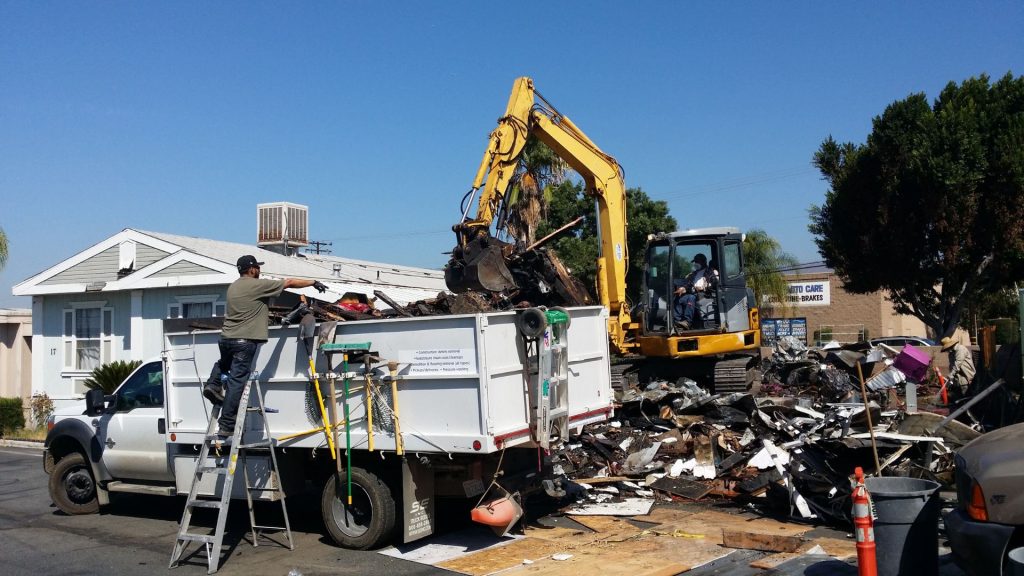
Without proper planning, cleanup becomes a race against time. Crews may rush through removal, increasing the risk of accidents or incomplete disposal. A well-thought-out plan ensures safety and organization throughout the project. By addressing cleanup logistics early on, property owners can focus on construction without being bogged down by the mess demolition leaves behind.
Considering Seasonal Factors in Your Cleanup Plan
The time of year can significantly influence how demolition cleanup is handled. Harsh winters, rainy seasons, or high humidity can complicate debris removal and increase labor time. Planning cleanup around favorable weather conditions ensures smoother transportation and disposal of materials. It’s often best to schedule demolition cleanup in moderate weather when crews can work efficiently without environmental interruptions.
In addition, seasonal factors impact waste management regulations and availability of hauling services. During peak construction seasons, contractors and cleanup services are in high demand. Scheduling ahead of time prevents project delays caused by limited service availability. By considering climate and demand, property owners can save both time and money while ensuring their demolition site stays clear and safe.
Aligning Cleanup with Project Milestones
Every demolition project follows a series of stages—from structural teardown to waste hauling. Aligning cleanup efforts with these stages helps maintain organization and minimizes disruptions. When cleanup happens alongside demolition, debris doesn’t pile up, making the site safer for workers and more manageable for future construction tasks.
Creating a cleanup schedule based on project milestones also helps track progress. Once a section is demolished, immediate cleanup clears the area for inspections or next-phase work. This rhythm keeps the site efficient and prevents waste from interfering with structural assessments or rebuild plans. A synchronized timeline not only promotes productivity but also reflects professionalism and foresight.
Cost-Efficiency Through Smart Timing
Timing isn’t just about convenience—it’s about cost savings. When demolition cleanup is planned strategically, unnecessary expenses like overtime labor, additional dumpster rentals, or repeated hauling trips can be avoided. Early preparation allows for the selection of appropriately sized containers and efficient disposal methods.
Poorly timed cleanup, on the other hand, can lead to double work. For instance, if debris is left too long, it may require extra handling or even become contaminated by weather, increasing disposal fees. Smart scheduling helps you avoid those setbacks and keeps your budget intact. Proper timing ultimately means smoother coordination between demolition and cleanup crews, reducing idle time and ensuring financial efficiency.
Environmental Considerations in Cleanup Timing
Responsible demolition cleanup involves more than clearing debris—it’s about minimizing environmental impact. The timing of your cleanup plays a key role in how materials are sorted, recycled, or disposed of. When cleanup is integrated early into the demolition plan, recyclable materials like metal, wood, and concrete can be separated immediately, preventing contamination and promoting sustainable waste management.
Furthermore, some municipalities impose restrictions on waste disposal during certain periods, especially when recycling centers or landfills reach capacity. Coordinating your cleanup schedule with local waste management guidelines ensures compliance and helps avoid fines or delays. A well-timed cleanup not only keeps your project environmentally sound but also supports community sustainability initiatives.
Preparing for Unexpected Delays
Even with the most thorough planning, demolition projects can face unforeseen delays—structural surprises, weather changes, or permit holdups. Having a flexible cleanup plan in place allows quick adjustments without derailing the entire project. A responsive cleanup schedule ensures that even when timelines shift, waste management remains consistent and controlled.
Flexibility in cleanup planning also prevents panic scheduling and rushed decisions that can compromise quality. When a project takes longer than expected, having backup hauling dates or contingency plans helps maintain progress. Cleanup should adapt to project needs, ensuring that no matter what challenges arise, the property remains safe and organized.
The Role of Professional Coordination
Coordinating demolition cleanup is rarely a one-person job. It requires collaboration between contractors, waste disposal teams, and sometimes local authorities. The best time to involve cleanup professionals is during the initial planning stage. Their experience helps identify potential waste management challenges and develop efficient strategies to address them.
By involving professionals early, you can also access specialized equipment and expertise that ensure safe and compliant disposal. Their insights can prevent costly mistakes, such as improper handling of materials or violations of local disposal laws. Cleanup experts streamline the process from start to finish, ensuring every phase transitions smoothly into the next.
Avoiding Project Bottlenecks with Proper Scheduling
Demolition sites can quickly become chaotic without a clear schedule. When debris piles up, it hinders progress, reduces workspace, and can even cause safety hazards. A well-timed cleanup schedule eliminates these bottlenecks and maintains steady momentum throughout the project. The goal is to ensure that waste removal happens regularly rather than as an afterthought.
Planning ahead allows for seamless coordination between demolition crews and cleanup teams. When both work in sync, there’s no downtime waiting for debris removal, allowing construction to continue without interruption. Proper scheduling creates a cleaner, safer work environment, boosting productivity while keeping the entire project on track.
Preparing for the Final Phase of Cleanup
The final phase of demolition cleanup marks the transition from chaos to clarity. Once the heavy lifting is done, the focus shifts to detail—sweeping, sorting, and ensuring every corner is free from leftover debris. Planning for this stage early guarantees a smoother wrap-up process. It’s during this phase that the property truly begins to reveal its potential for renovation or rebuilding.
If final cleanup isn’t well-timed, small waste items can linger, delaying inspections or project handovers. Integrating this step into the timeline ensures that once demolition ends, your site is ready for immediate next steps. The best cleanup plans consider not just the demolition itself but also the visual and practical readiness of the site for future development.
The Long-Term Benefits of Timely Cleanup
Planning demolition cleanup at the right time doesn’t just solve immediate problems—it sets the tone for long-term efficiency. A clean, organized site reduces stress on construction teams and prevents setbacks during future renovations. It’s an investment in the overall health of the project. Timely cleanup also reduces liability risks by keeping pathways clear and minimizing potential hazards.
Moreover, consistent cleanup practices foster a professional reputation. When clients, inspectors, or neighbors see an organized demolition site, it reflects commitment and responsibility. A well-timed cleanup not only enhances project flow but also leaves a lasting impression of quality workmanship and respect for the environment.
Conclusion
Timing is everything when it comes to demolition cleanup. Whether you’re clearing a small residential space or handling a large-scale project, proper planning ensures safety, efficiency, and compliance. Coordinating cleanup early, staying aware of seasonal conditions, and maintaining flexibility throughout the process makes the entire experience smoother from start to finish. A well-timed cleanup doesn’t just remove debris—it sets the stage for what’s next.
For professional Junk Removal and demolition cleanup services you can trust, contact 24-7 Junk Removal located in Palatine, IL. Their team specializes in efficient and environmentally responsible waste removal that keeps your project running seamlessly. Call (773) 309-6966 or visit their office at 611 W. Wise Schaumburg, IL 60193 for expert assistance. For inquiries, email support@24-7junk.com—your next project deserves a clean start.