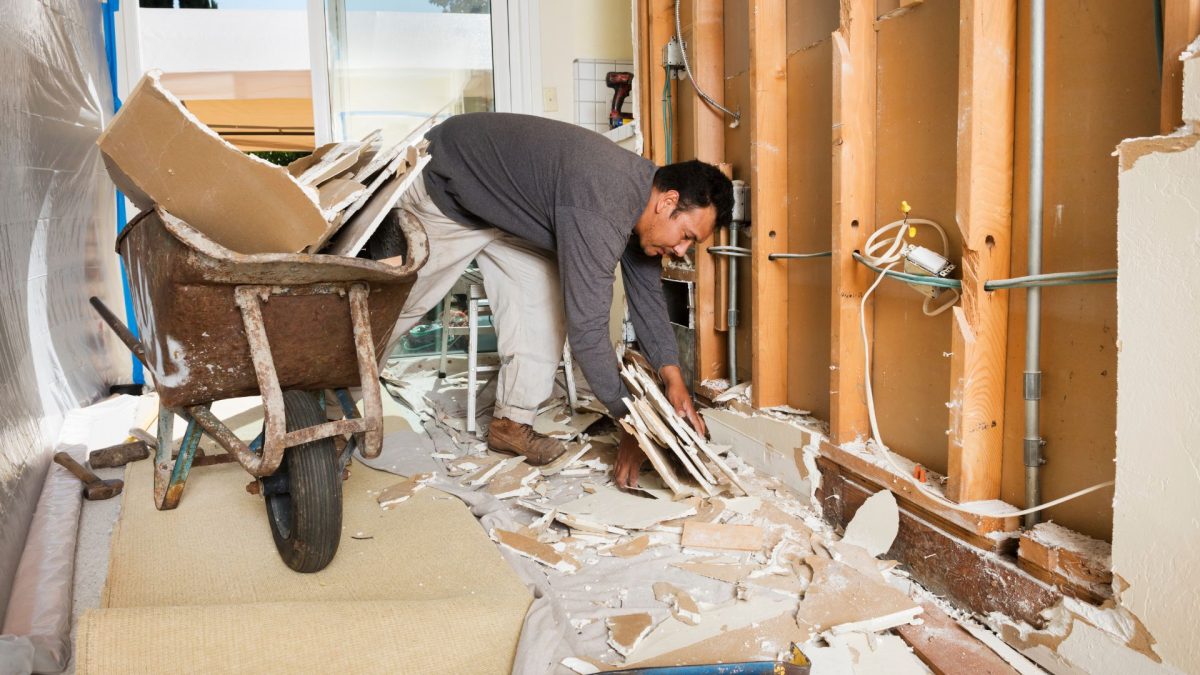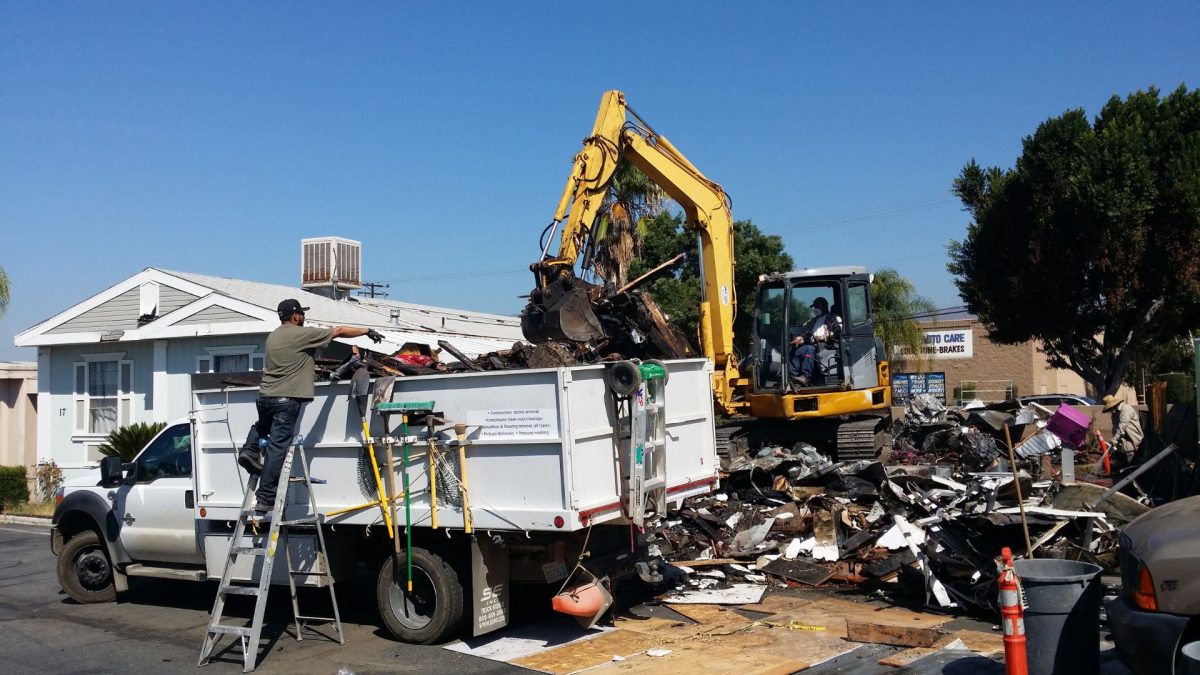
Before any cleanup begins, it’s essential to prepare the space thoroughly. Older homes often contain hidden hazards such as fragile flooring, weak support beams, or outdated electrical systems that can make demolition tricky. Start by removing movable items and covering surfaces that must remain intact. Ensuring proper ventilation is also critical, as dust and debris can quickly accumulate in older structures. Clearing walkways and exit points will reduce the risk of accidents during the cleanup process, making it easier to navigate and manage waste efficiently.
Taking time to organize the cleanup area helps prevent injuries and improves overall workflow. Use protective gear, including gloves, goggles, and sturdy footwear, to safeguard against splinters, nails, and other sharp debris. Additionally, separating materials into categories like wood, metal, and general waste can streamline disposal and recycling. By methodically preparing the site, you set the stage for a smoother, safer demolition cleanup, minimizing delays and unexpected complications that are more common in aging homes.
Identifying Hazardous Materials
Older homes may harbor hazardous materials such as asbestos, lead paint, or mold, which require special handling. Before beginning cleanup, it’s crucial to inspect walls, ceilings, and insulation for these substances. Disturbing hazardous materials without proper precautions can result in serious health risks. Hiring a certified professional for testing and removal ensures safety and compliance with local regulations. Taking this precaution protects both you and the cleanup team while avoiding potential legal or environmental issues.
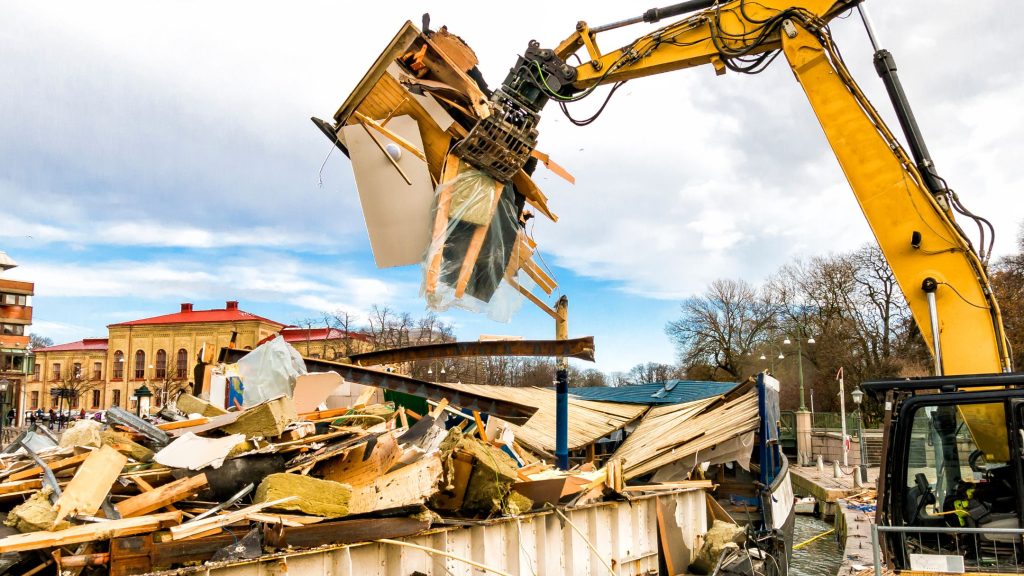
Once identified, hazardous materials must be carefully contained and removed using approved methods. Use sealed containers for items like asbestos or lead paint debris and clearly label them for proper disposal. Avoid breaking or crushing these materials, as doing so can release harmful particles into the air. Prioritizing safety through proper identification and handling of hazardous substances not only prevents health hazards but also maintains the integrity of the demolition process in older homes.
Efficient Waste Segregation
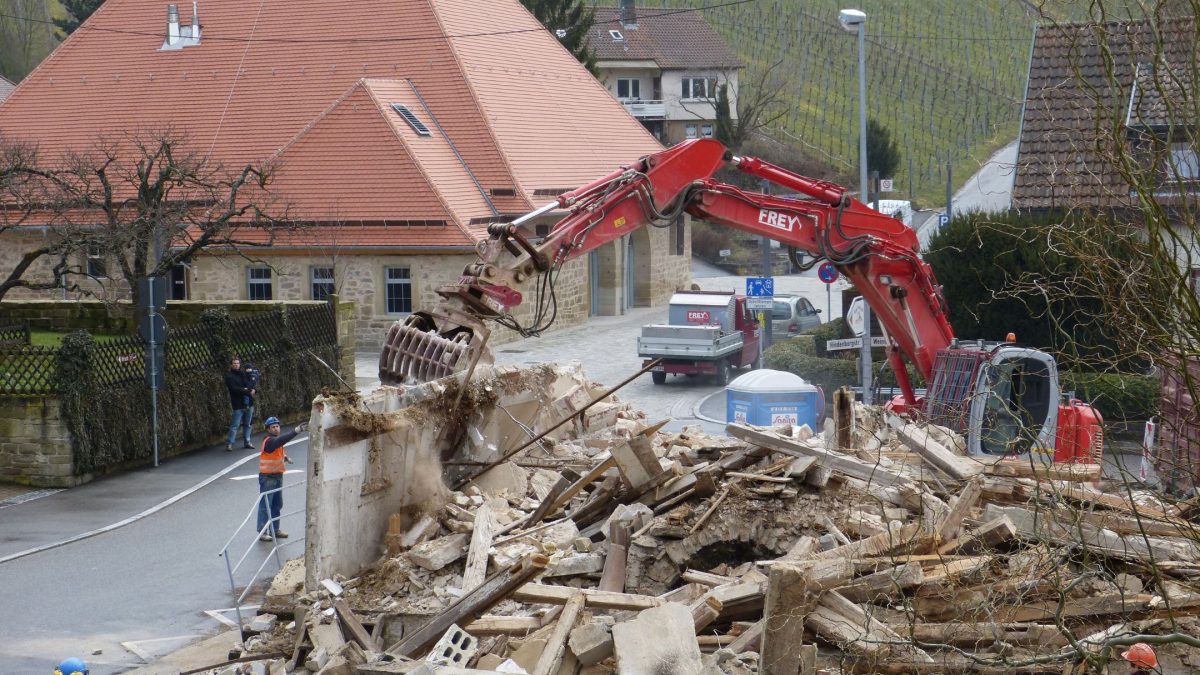
Sorting demolition debris is a crucial step for managing cleanup efficiently. Older homes generate diverse waste, including wood, metal, plaster, and electrical components. Creating designated zones for each material type simplifies disposal and recycling. By segregating waste as it is collected, you can reduce time spent separating it later and ensure compliance with local recycling regulations. Proper organization also minimizes clutter, making the worksite safer for everyone involved.
Recycling and repurposing materials whenever possible adds environmental and financial benefits. Metals can be sold to scrap yards, and wood in good condition can be reused for other projects. Even broken items like concrete and bricks may be recycled for landscaping or construction purposes. By implementing a clear waste segregation system, demolition cleanup becomes more structured, eco-friendly, and manageable, especially in older homes where debris can be unpredictable and bulky.
Using the Right Tools and Equipment
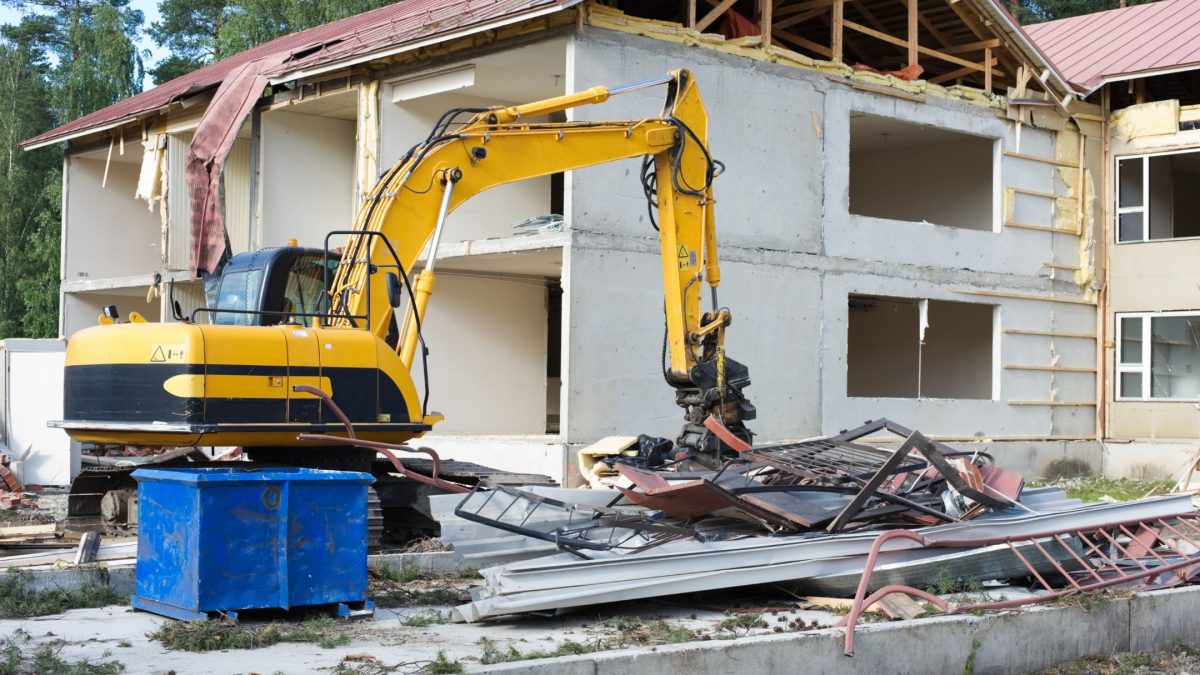
Having the correct tools is essential for tackling demolition cleanup in older homes. A variety of equipment, from pry bars and sledgehammers to wheelbarrows and heavy-duty trash containers, makes handling debris safer and more efficient. Power tools like drills or saws may be necessary for breaking down larger structures, while hand tools can address delicate areas without causing further damage. Investing in quality equipment not only speeds up the cleanup but also minimizes potential hazards associated with makeshift solutions.
In addition to tools, protective equipment is equally important. Dust masks, safety goggles, gloves, and work boots help prevent injuries from sharp objects and airborne particles. Using proper lifting techniques and mechanical aids reduces strain and protects your back when moving heavy debris. Combining the right tools with safety measures ensures that demolition cleanup is both effective and secure, especially when working in older structures that may be less stable than modern homes.
Creating a Debris Removal Plan
A strategic plan for removing debris can make demolition cleanup much smoother. Start by mapping out the areas with the highest concentration of waste and determine the order in which materials will be removed. Establishing a clear sequence reduces backtracking and keeps the workflow organized. Additionally, identifying local disposal facilities and recycling centers beforehand ensures that debris is managed legally and responsibly. Planning routes for transporting debris out of the house minimizes delays and reduces stress during the cleanup.
Communication is key in executing a debris removal plan effectively. Inform all workers about the process and designate responsibilities, such as who will handle specific materials or operate machinery. Clear instructions prevent confusion and keep the cleanup progressing efficiently. Contingency plans for unexpected obstacles, like hidden water damage or structural instability, ensure safety and continuity. A well-prepared debris removal plan allows demolition projects in older homes to proceed methodically and with minimal disruption.
Handling Fragile Structures with Care
Older homes often have delicate architectural elements that require careful handling during cleanup. Features like antique woodwork, plaster walls, and intricate moldings can be easily damaged if removed improperly. Protecting these elements with coverings and using gentle dismantling techniques preserves them for potential reuse or historical value. Avoid rushing through these areas, as damage can result in costly repairs or diminish the home’s character.
When dealing with fragile structures, consider specialized tools such as small crowbars, hand saws, or pry bars that allow precision work. Slow and deliberate movements help prevent accidental collapses or splintering. By approaching fragile structures with caution, you maintain the integrity of the home and create opportunities to salvage unique features. This careful attention to detail is especially important in older homes where craftsmanship and materials may no longer be widely available.
Managing Dust and Air Quality
Demolition in older homes can generate significant dust that affects both indoor air quality and personal health. To manage this, use dust barriers, plastic sheeting, and ventilation fans to control airflow. Sealing off the area from the rest of the house prevents dust from spreading to living spaces. Wearing respirators or masks is also recommended to protect the respiratory system from fine particles, particularly in homes with potential lead or asbestos contamination.
Regularly cleaning surfaces and using vacuum systems with HEPA filters reduces airborne dust. Spraying a fine mist of water on debris can also prevent dust from becoming airborne during removal. Maintaining good air quality throughout the demolition process not only safeguards the health of those involved but also prevents long-term contamination of the home, making the subsequent renovation or repair work cleaner and more efficient.
Scheduling Waste Pickup and Disposal
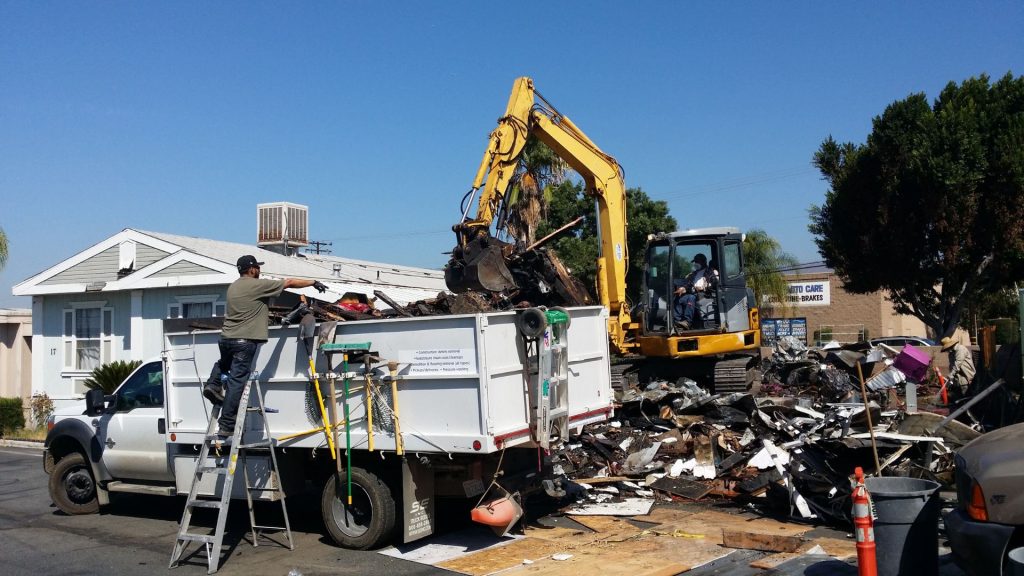
Coordinating waste pickup is an essential step for keeping demolition cleanup on track. Older homes can produce large quantities of debris that require timely removal to avoid clutter and hazards. Contact local waste disposal services or hire professional junk removal companies to schedule pickups that align with the project timeline. Early coordination ensures that debris does not accumulate, which could impede progress or create safety risks.
Using professional services can streamline disposal, especially for bulky or hazardous materials. Licensed companies have the equipment and expertise to transport and recycle items safely. Clear communication regarding volume, type of debris, and timing helps ensure efficient service. Scheduling waste pickup as part of the cleanup plan keeps the site organized and allows work to continue without interruptions, creating a more efficient and less stressful demolition experience.
Ensuring Team Safety and Communication
Maintaining safety protocols and clear communication among the cleanup team is critical in older homes. Older structures may have unstable floors, loose wiring, or hidden weaknesses that increase risk. Regular safety briefings, wearing protective gear, and establishing emergency procedures minimize potential accidents. Assigning specific tasks to team members reduces confusion and ensures that everyone knows their responsibilities, which is vital for both efficiency and safety.
Clear communication also includes checking in regularly and updating the team on any changes in the environment. Using walkie-talkies or mobile phones can help coordinate tasks across different areas of the home. Encouraging a culture of vigilance ensures that hazards are reported promptly and addressed before they become serious problems. By prioritizing safety and communication, the demolition cleanup process becomes more controlled and reliable, protecting both the crew and the property.
Maintaining Environmental Responsibility
Proper disposal and recycling practices are crucial for environmentally responsible demolition cleanup. Many older homes contain materials that can be repurposed, such as wood, metal, and brick. Sorting these items for recycling reduces landfill waste and supports sustainable practices. Research local recycling facilities and donation centers that accept usable items, giving debris a second life while minimizing environmental impact.
Reducing environmental footprint also includes avoiding burning materials or improper disposal of hazardous substances. Partnering with eco-conscious disposal services ensures that demolition debris is handled safely and responsibly. Implementing sustainable cleanup practices benefits the environment, the community, and the homeowner, demonstrating that even in older homes, demolition can be conducted responsibly and thoughtfully.
Conclusion
Handling demolition cleanup in older homes requires careful planning, the right tools, and strict attention to safety. By preparing the area, identifying hazards, segregating debris, and maintaining air quality, the process can be executed efficiently and safely. Utilizing professional junk removal services simplifies debris transport and ensures responsible disposal, making the overall project less stressful and more organized. Effective teamwork and communication further enhance safety, while environmentally responsible practices minimize the impact on the surrounding area.
For residents in Palatine, IL, 24-7 Junk Removal offers comprehensive services to manage demolition cleanup and junk removal. Their professional team is equipped to handle debris efficiently and safely, ensuring homes are cleared promptly. Contact them at (773) 309-6966 or visit 611 W. Wise Schaumburg, IL 60193 for reliable service. With experience in handling older homes and a commitment to responsible disposal, they provide peace of mind for every demolition project.